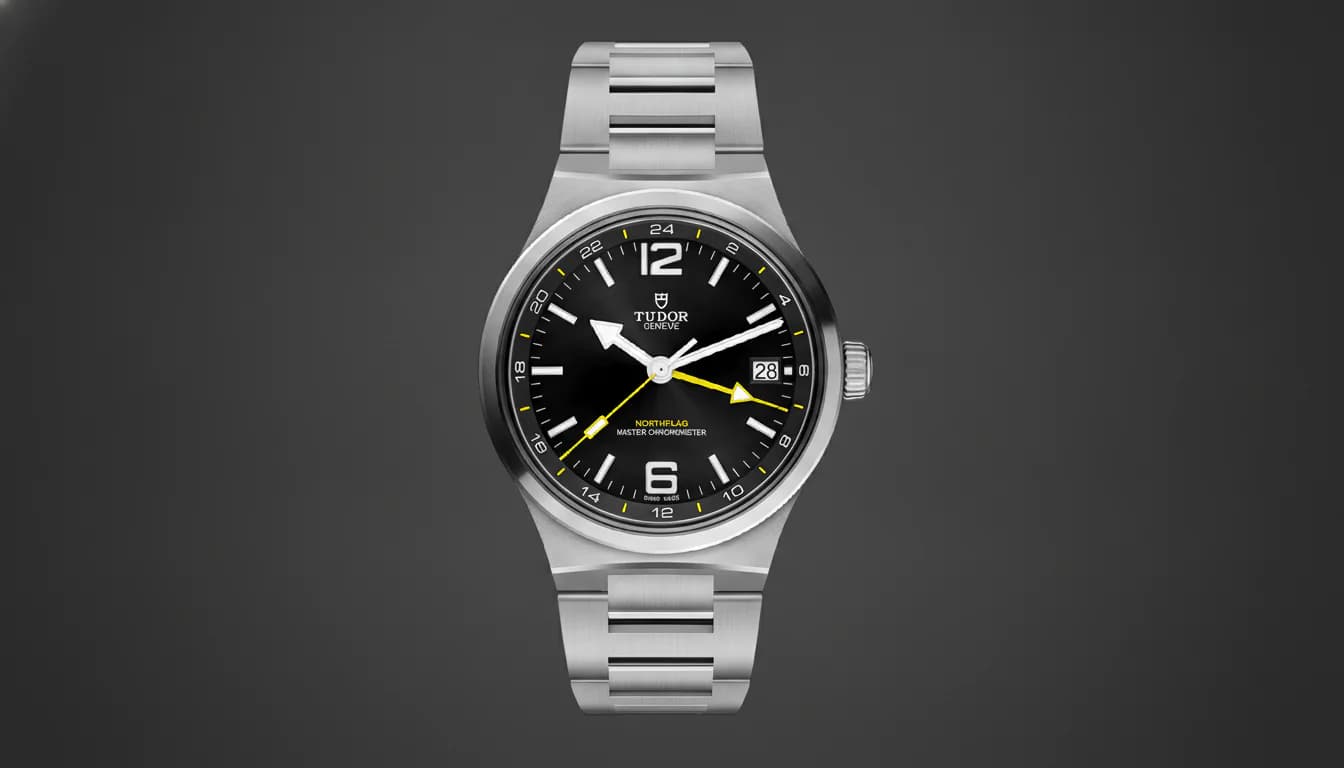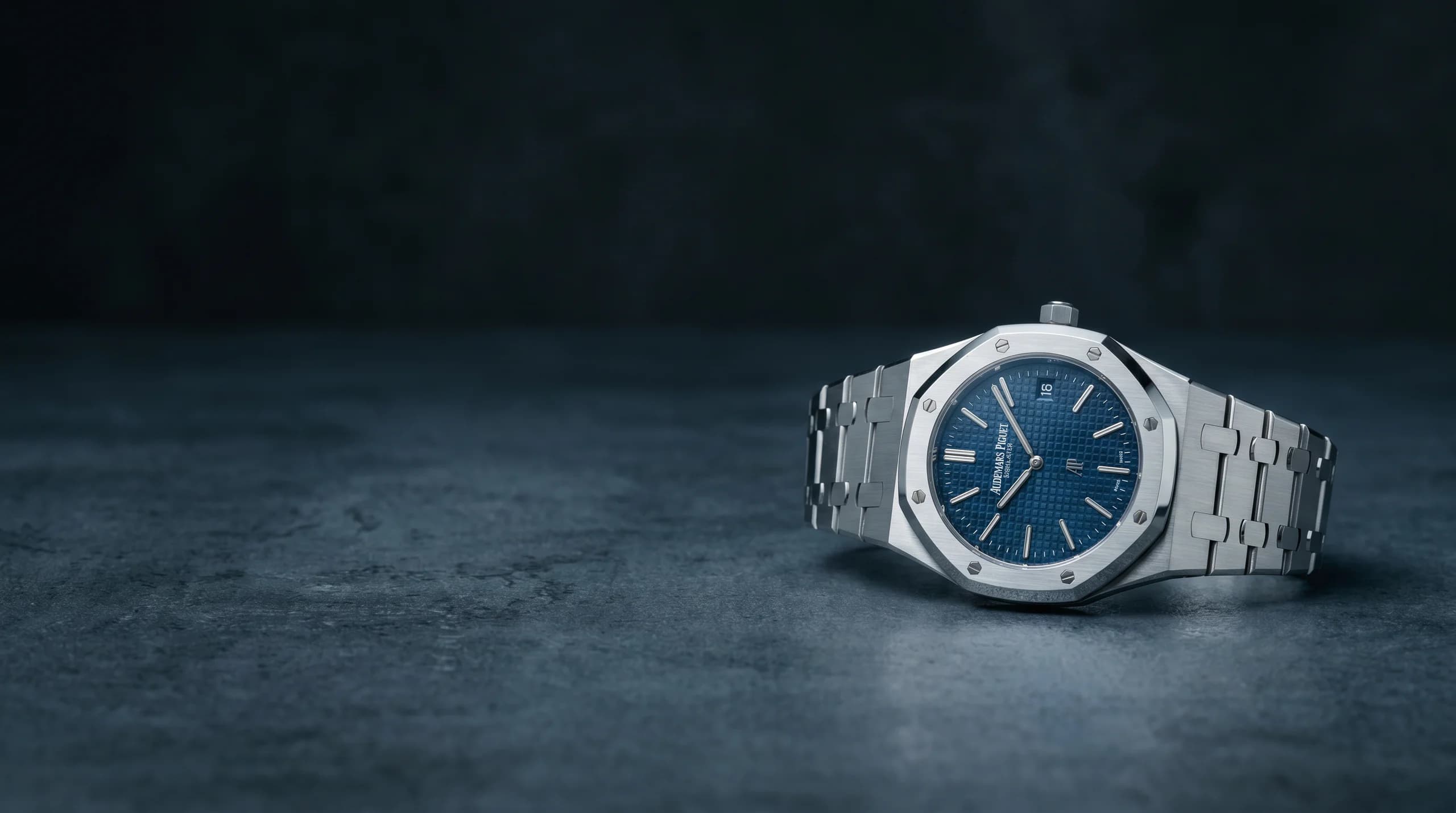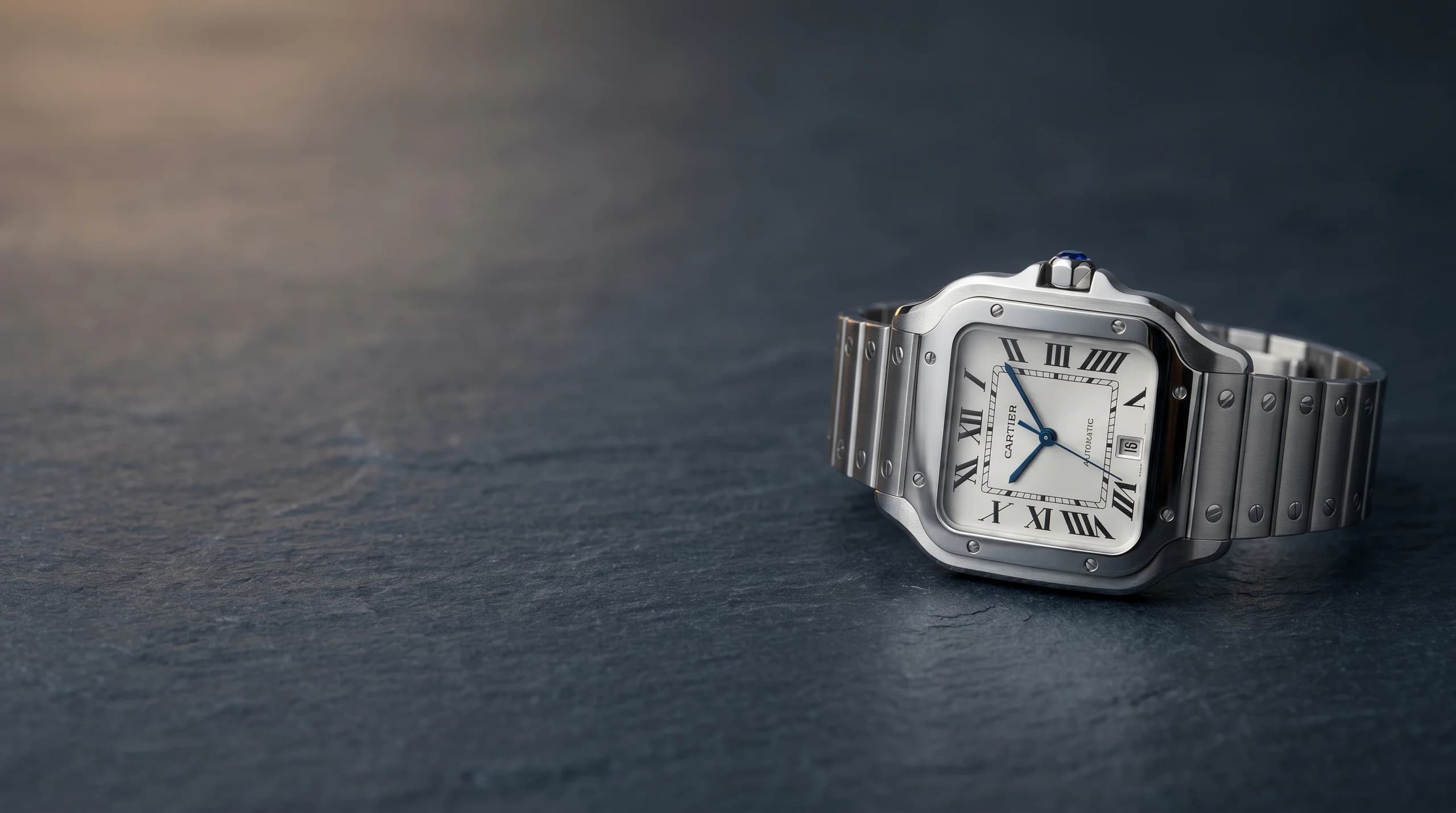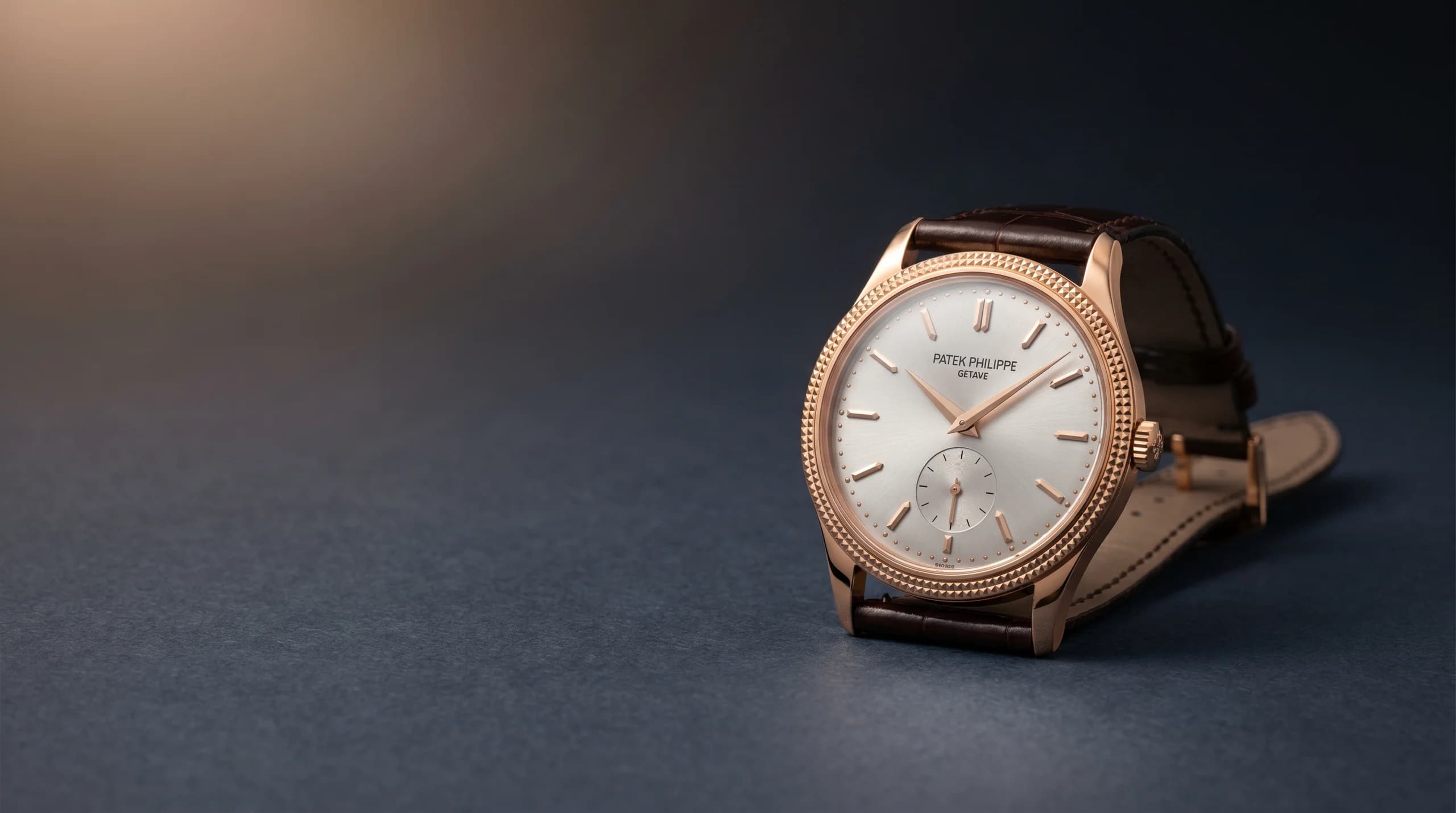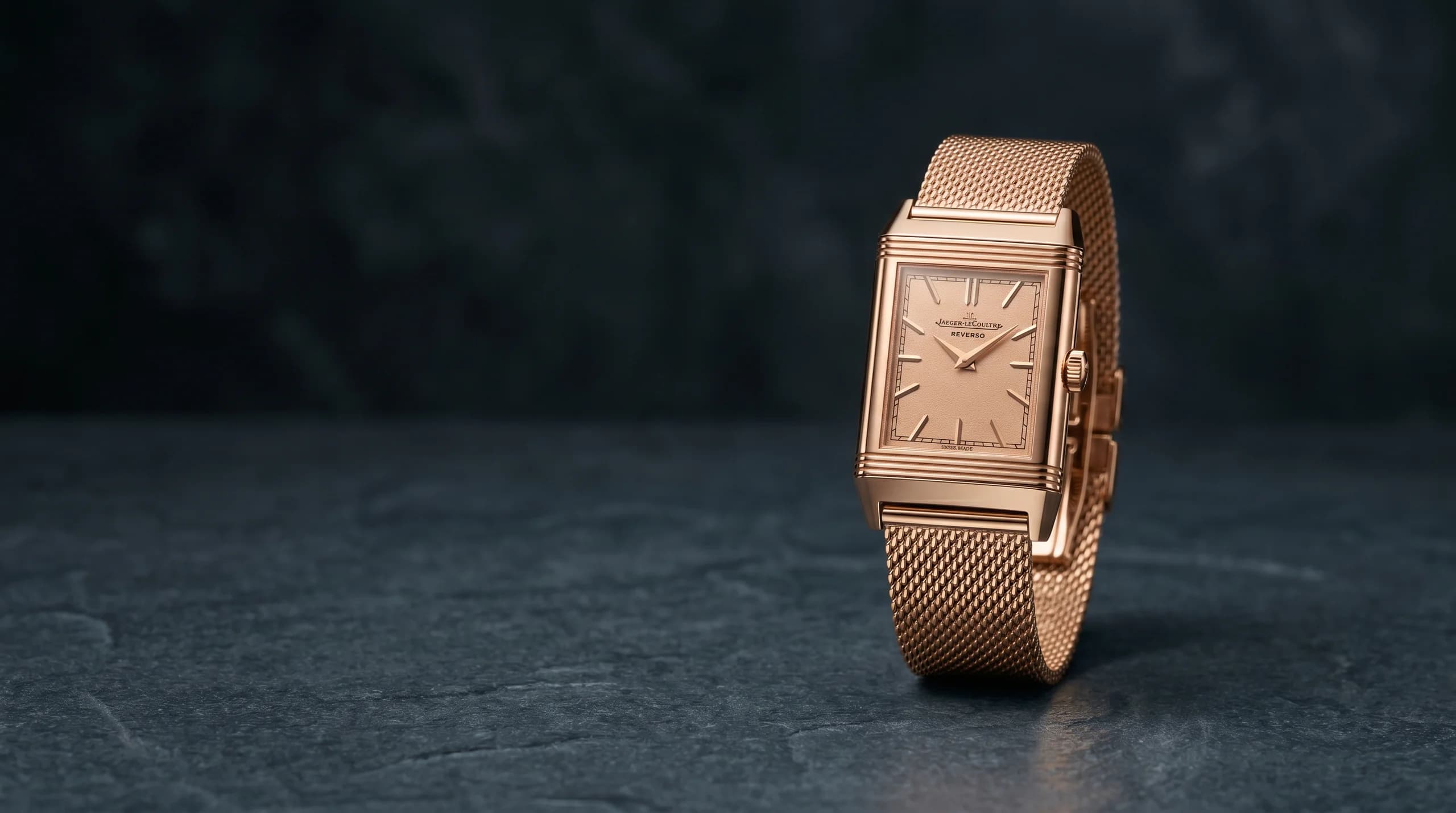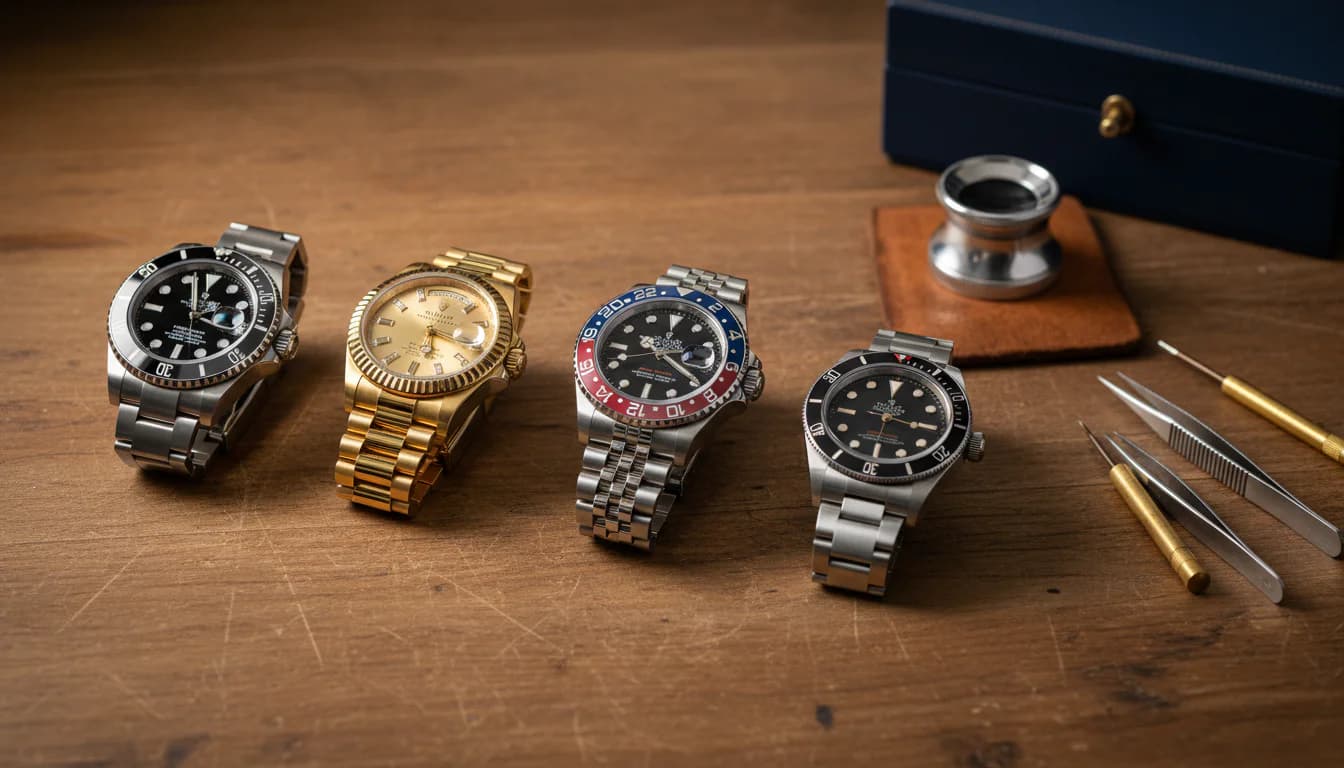
The Mid-Year 2026 Watch Market Report: A Market Splitting in Two
Halfway through 2026, the watch market is not up or down so much as splitting. A dealer's mid-year read on exports, the index, and where value is widening.

Author
Founder & Watch Consultant
I grew up with a few Seikos and an eye for cool watches. That instinct never went away, even as my career took me through consulting, risk management, real estate, and the legal industry.
In each of those fields I learned how assets are valued, documented, and transacted. Skills that turned out to map directly onto the watch market. When I started seriously studying watches alongside luxury cars as alternative assets, 5D Watches started to take shape.
I am building Wristly alongside 5D Watches. Both exist because sellers deserve better than what the local market offers them. Author of The 6 Hour Business.

Halfway through 2026, the watch market is not up or down so much as splitting. A dealer's mid-year read on exports, the index, and where value is widening.

In-house or supplied? A dealer's plain-English guide to what manufacture means, why a bought-in movement is not a flaw, and when in-house is worth it.

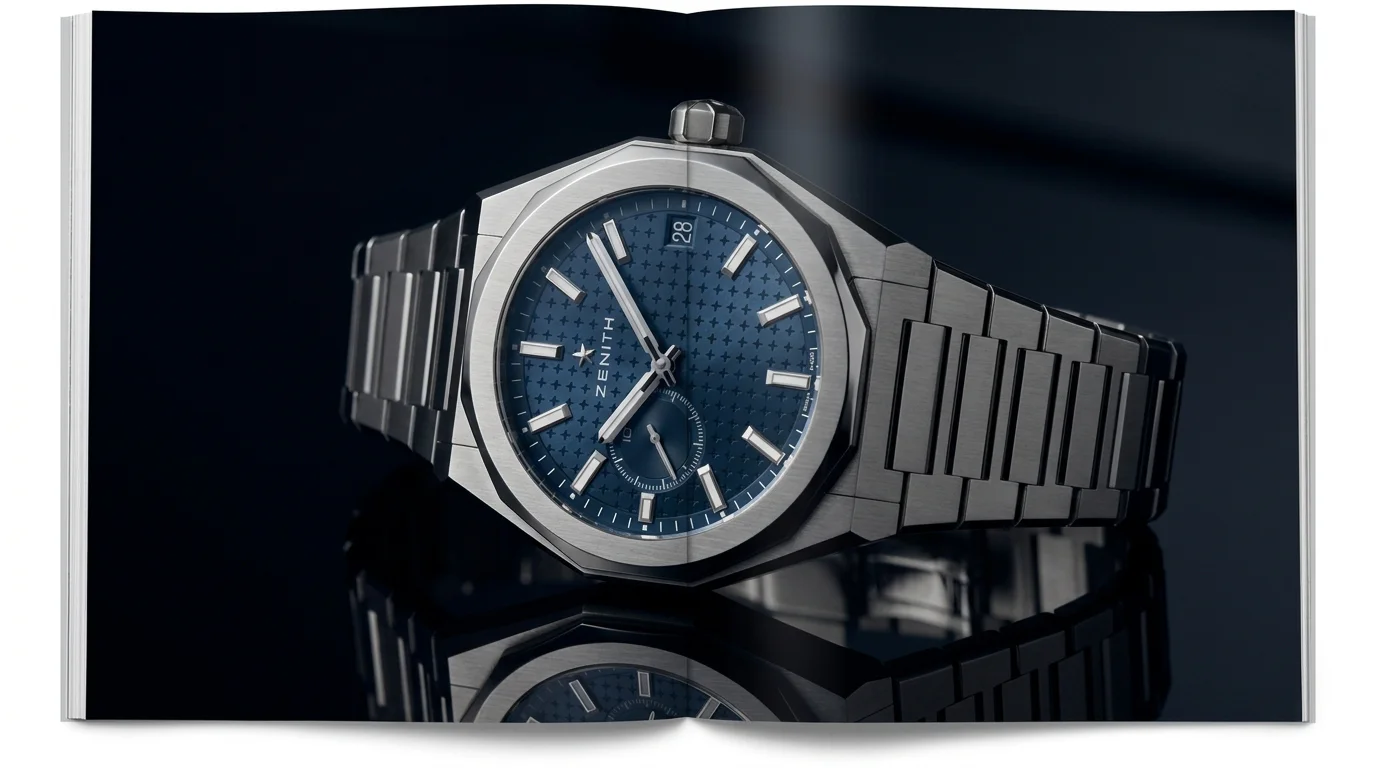
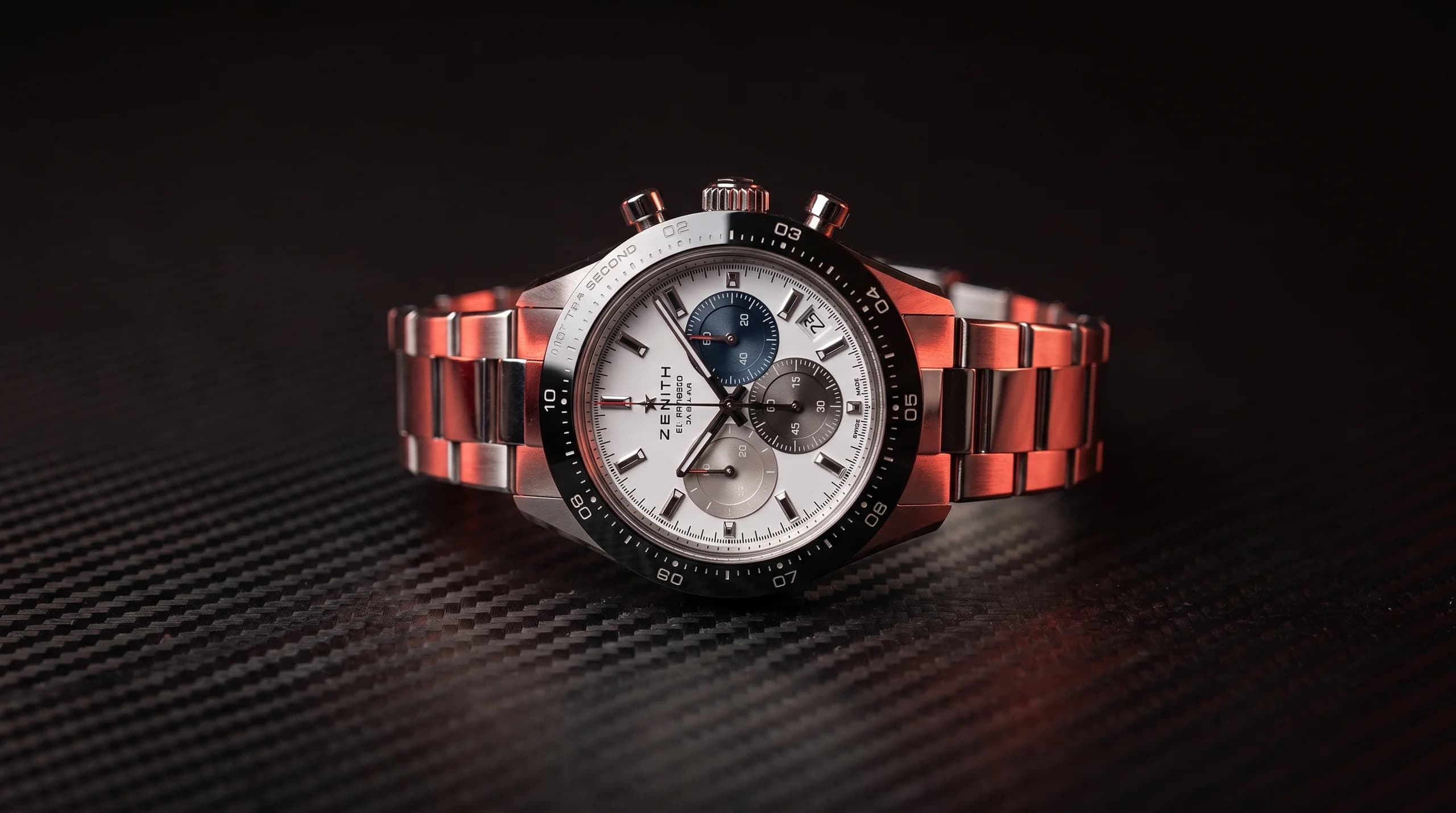
The Zenith Chronomaster Sport times to a tenth of a second and costs a fraction of a Daytona. A dealer's read on the El Primero 3600 chronograph.

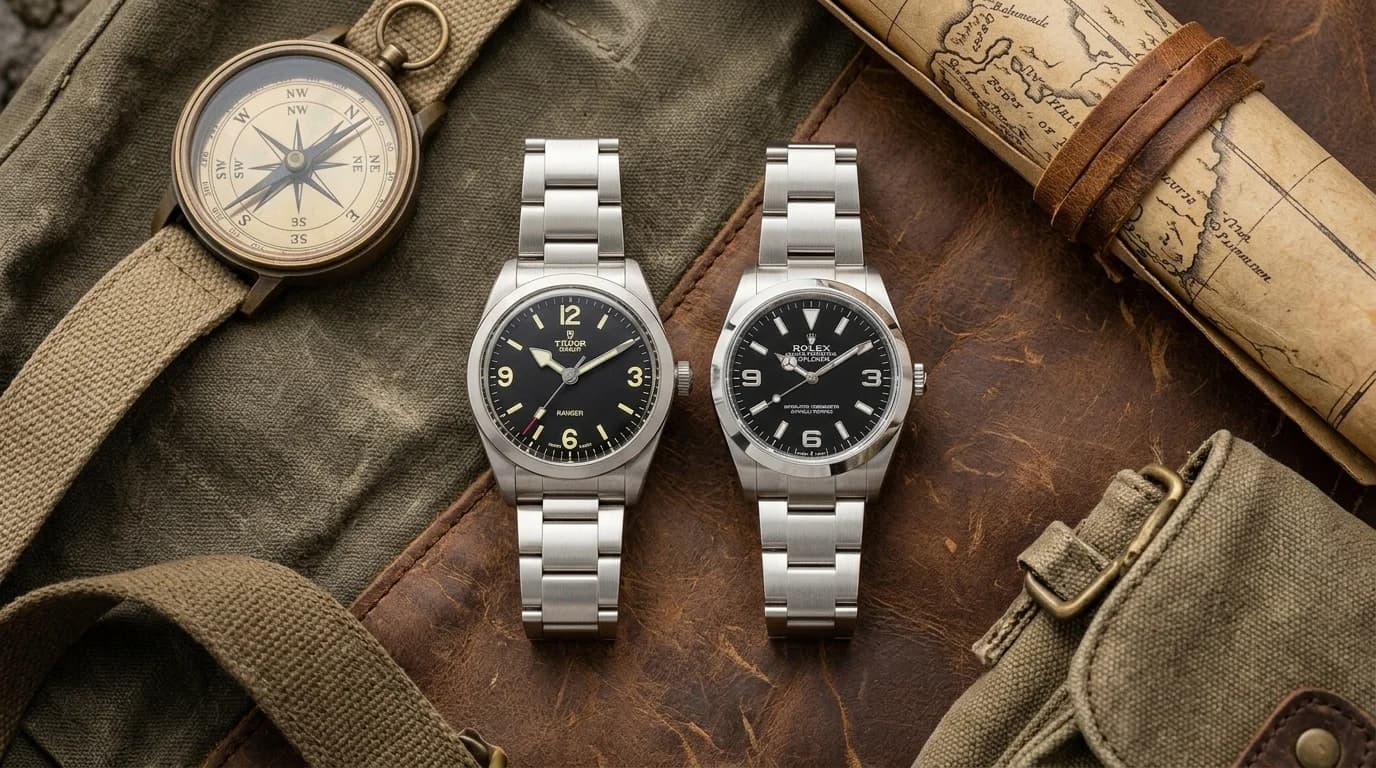
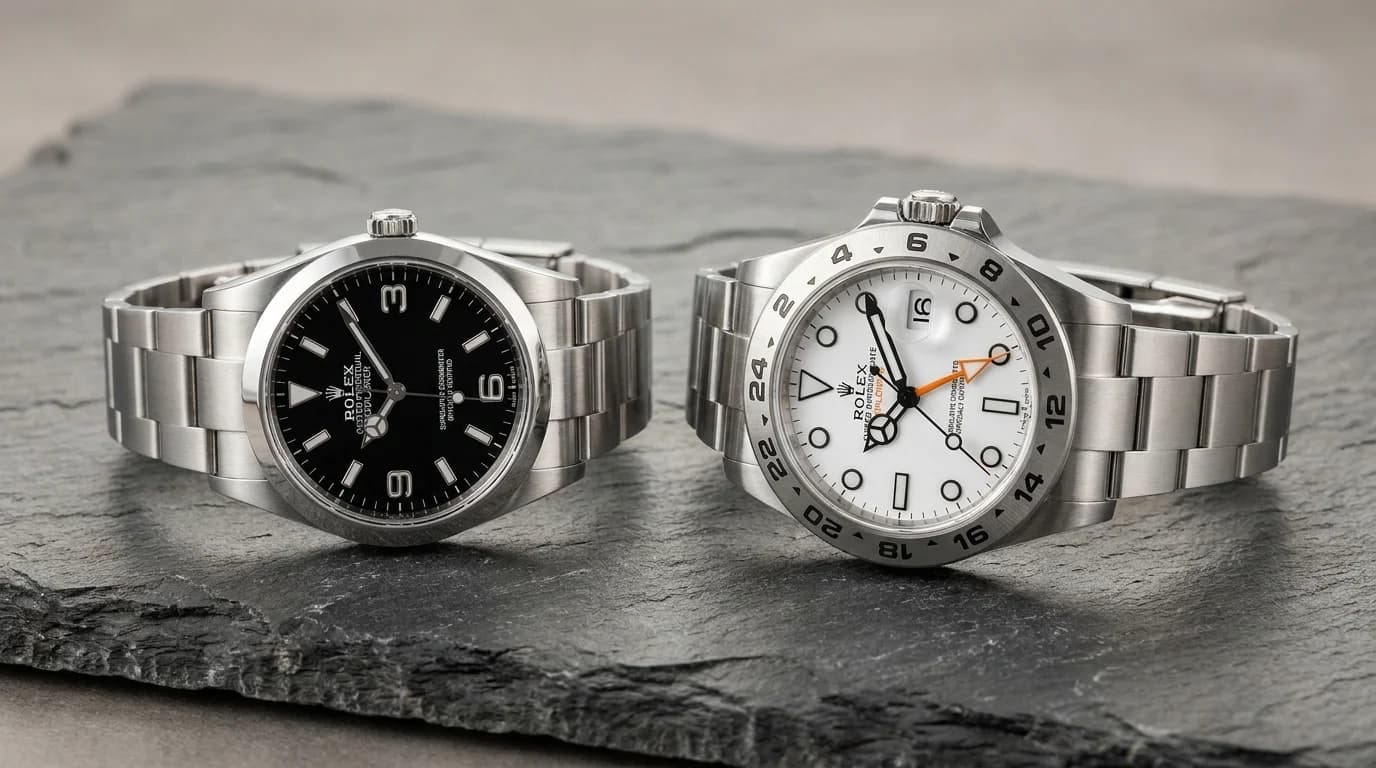
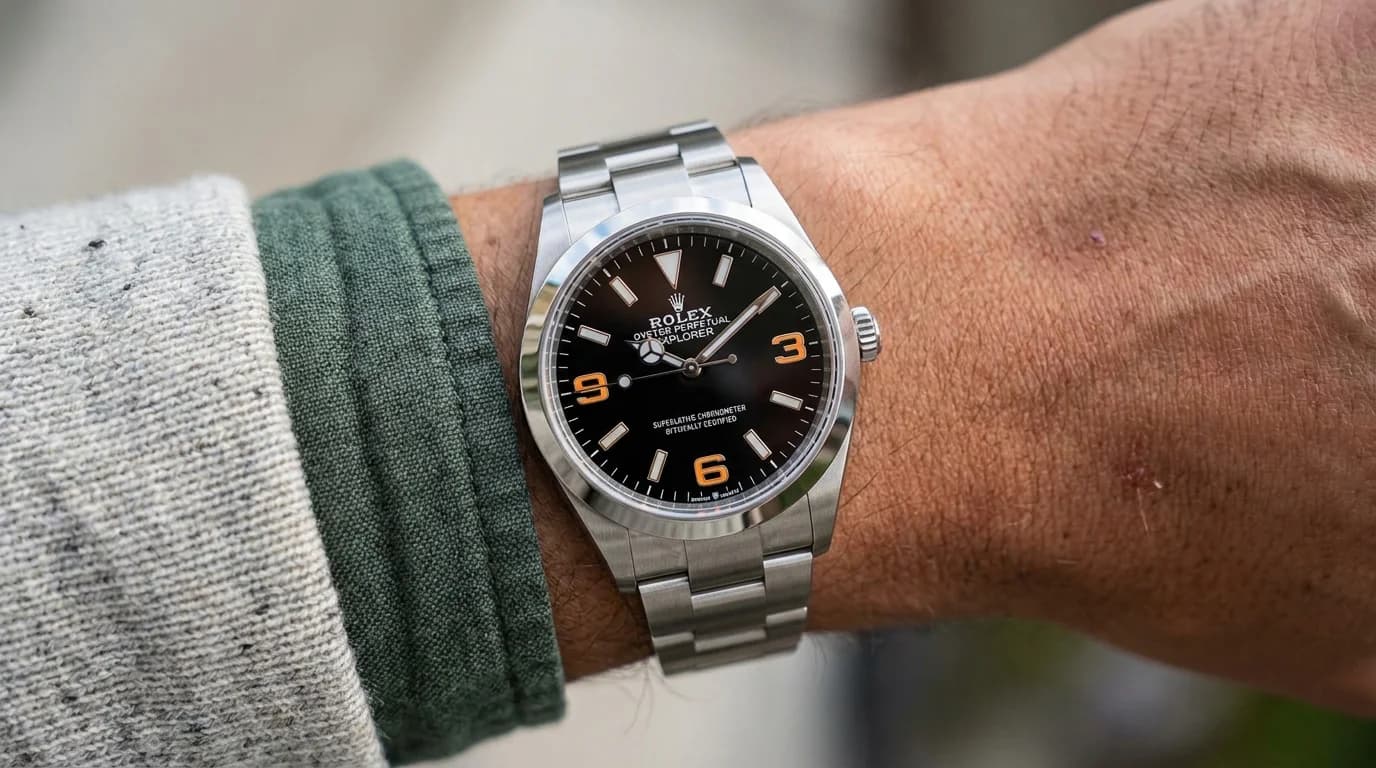
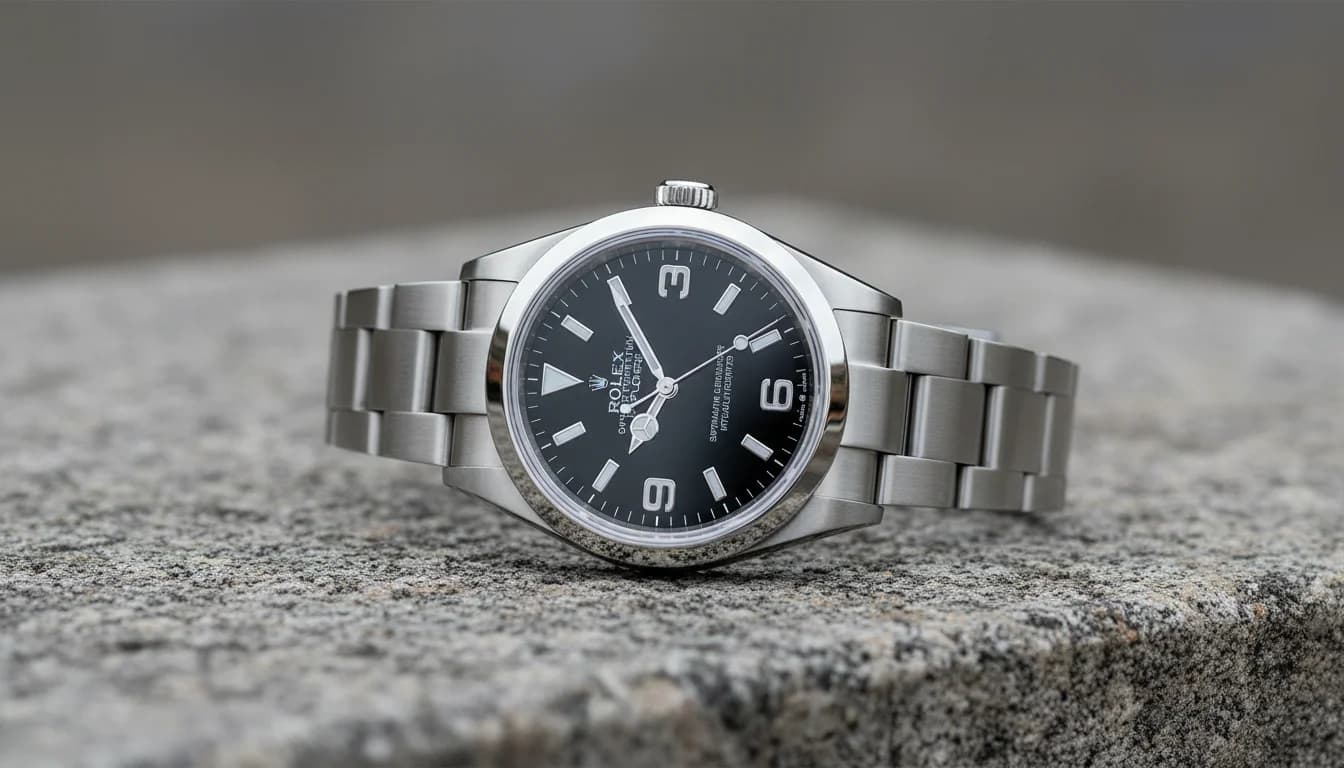
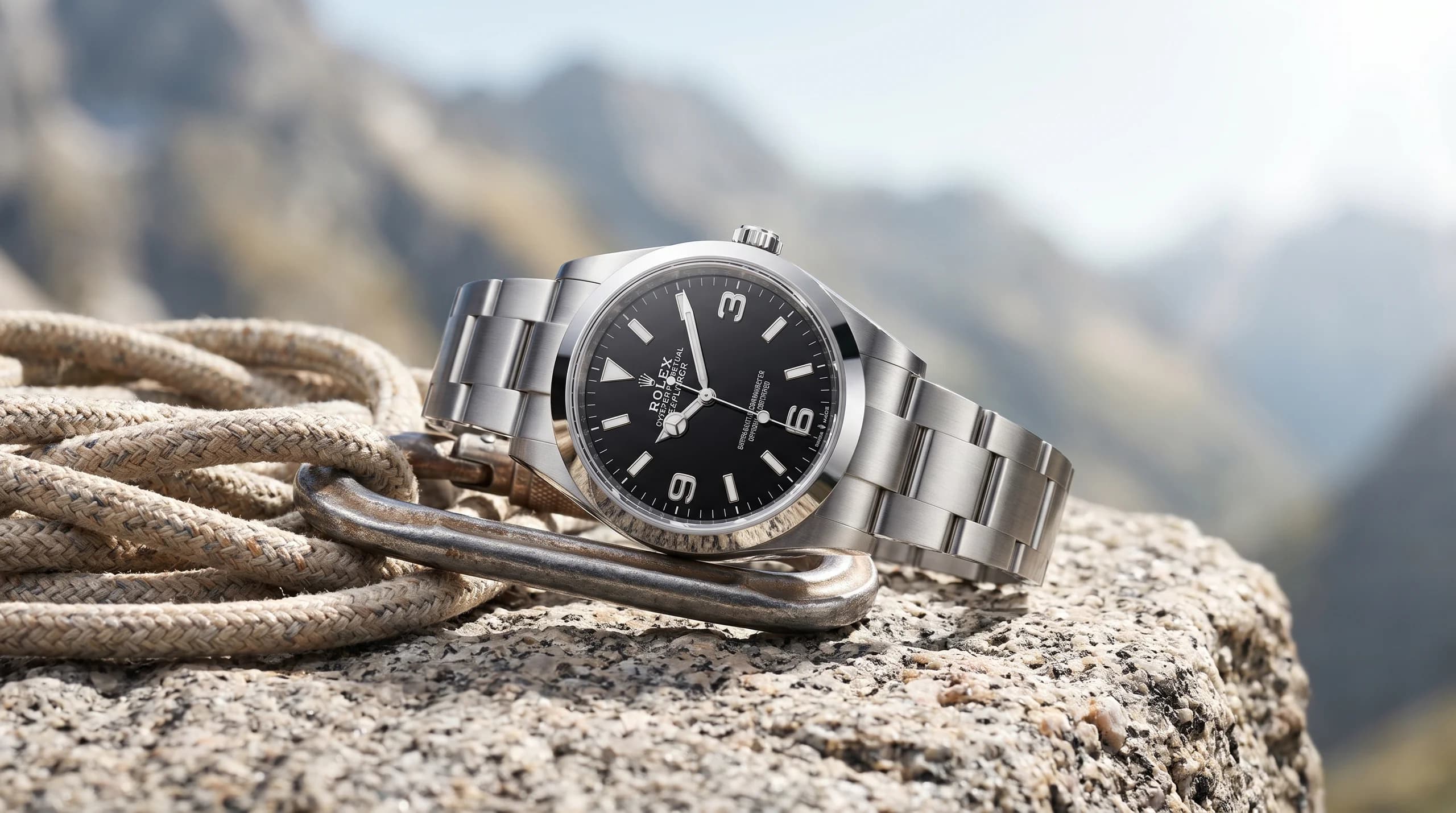
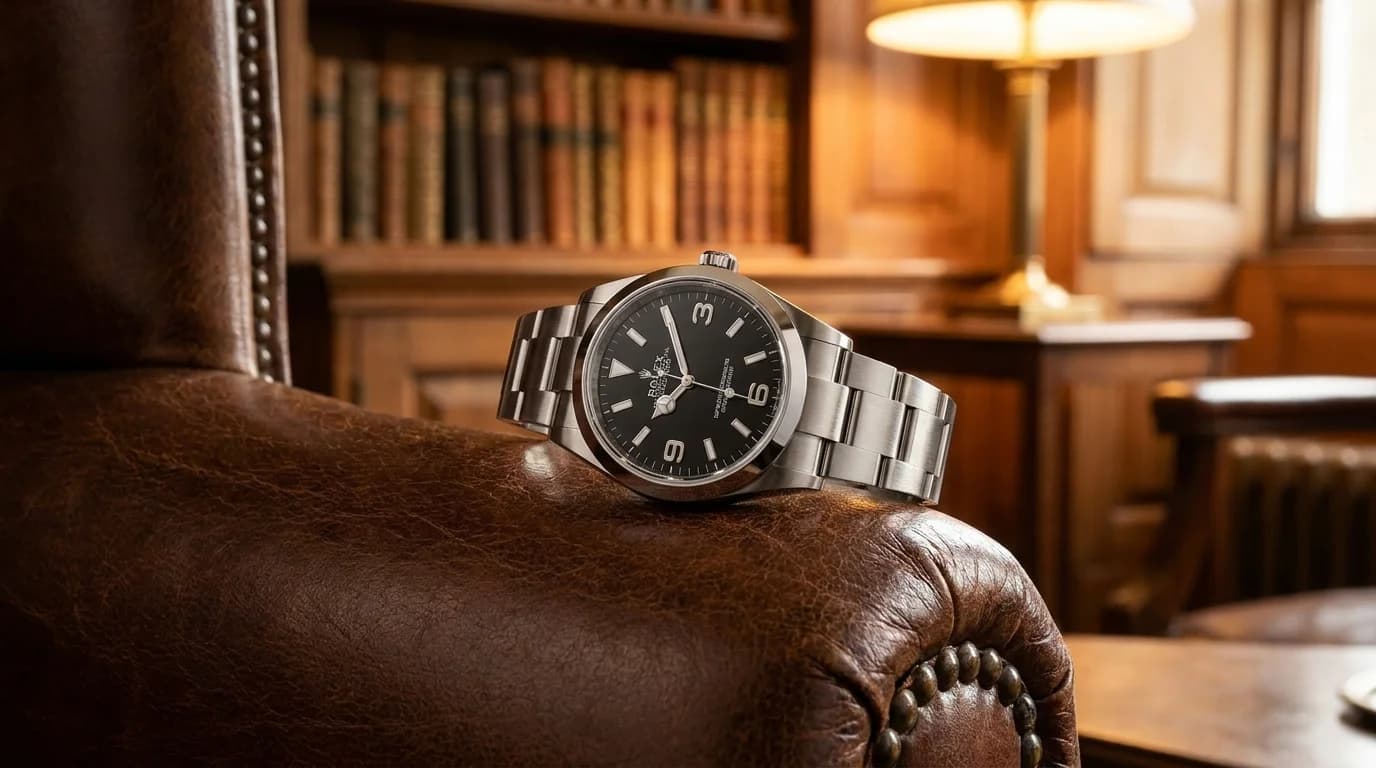
The Explorer and Oyster Perpetual share a movement and a no-date dial, yet suit different buyers. A dealer's read on the price gap and which to pick.

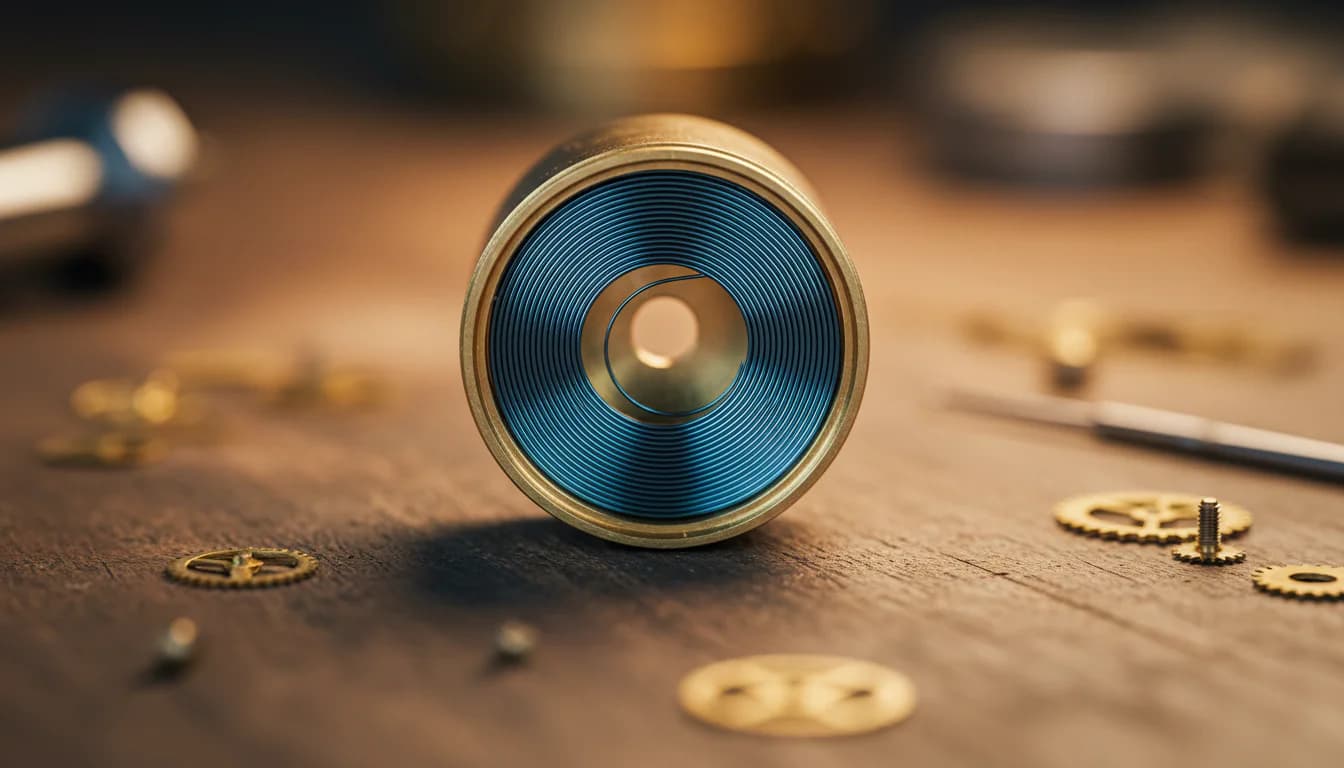
Power reserve is how long a wound watch runs before it stops. Here is what it means, how the mainspring stores it, and why the number matters when you buy.

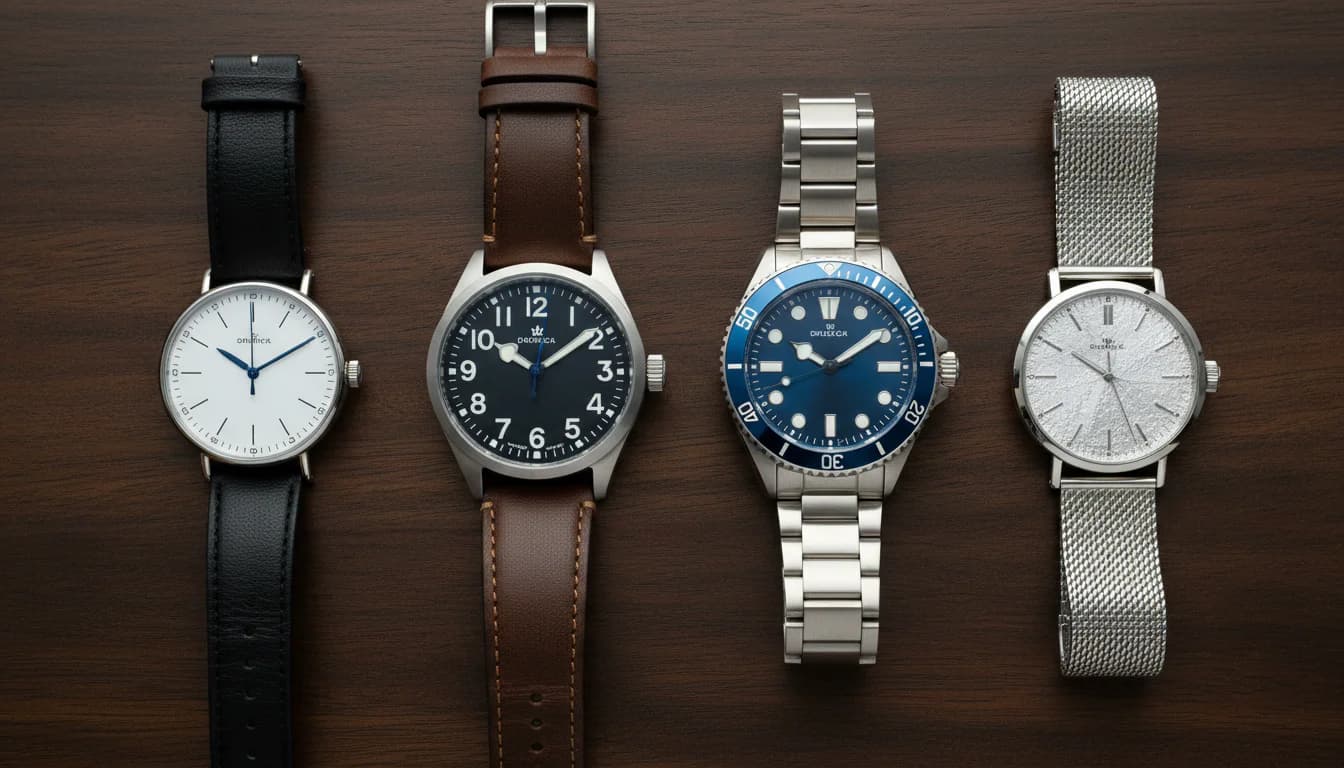
The best watches under $2,000 are not compromises. Here are the four a working dealer actually recommends, with real prices, movements, and honest flaws.

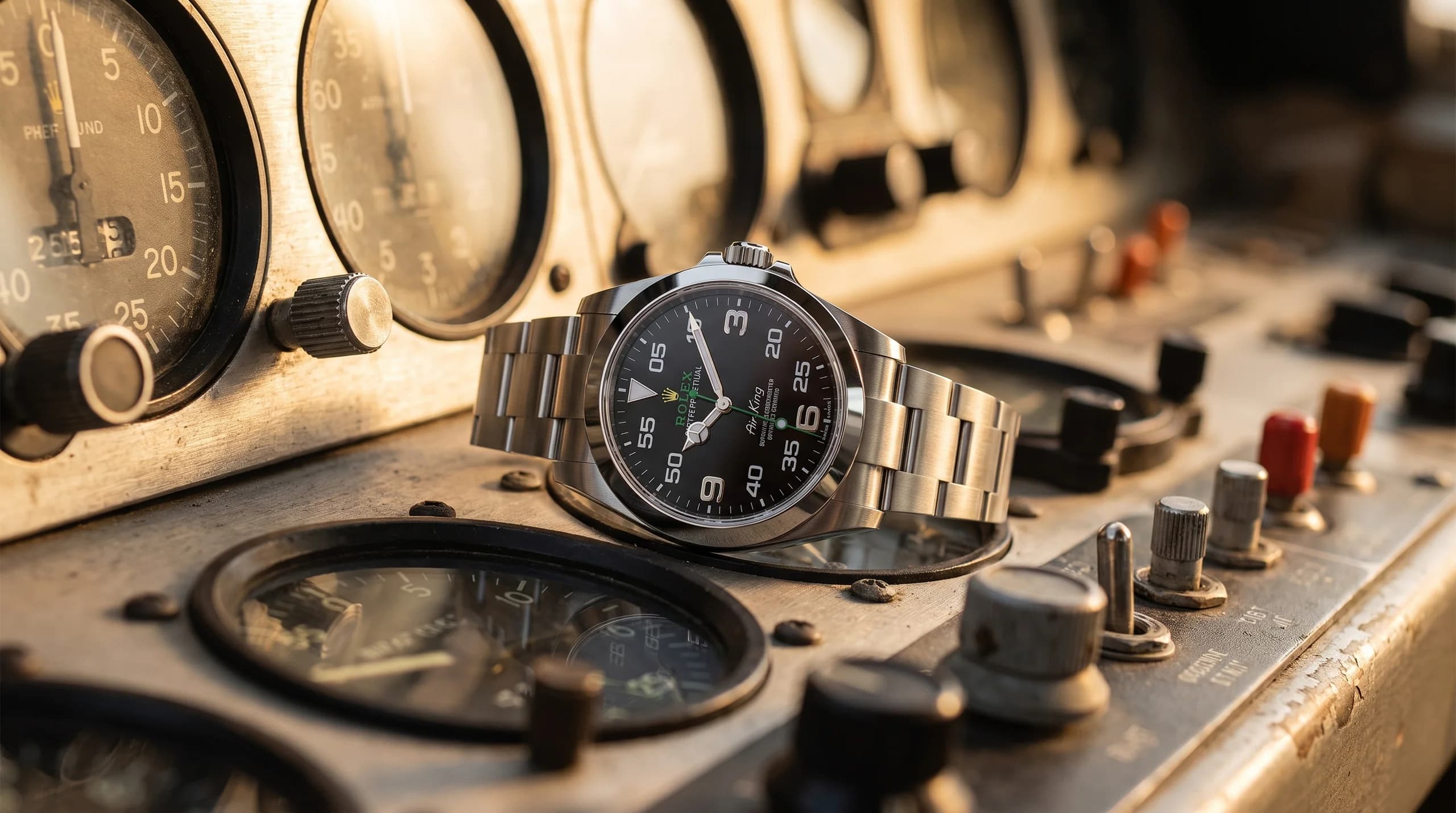
The Air-King and Milgauss are Rolex's quiet anti-magnetic pair. Here is how they compare on price, movement, and wrist presence, and which one deserves your money.

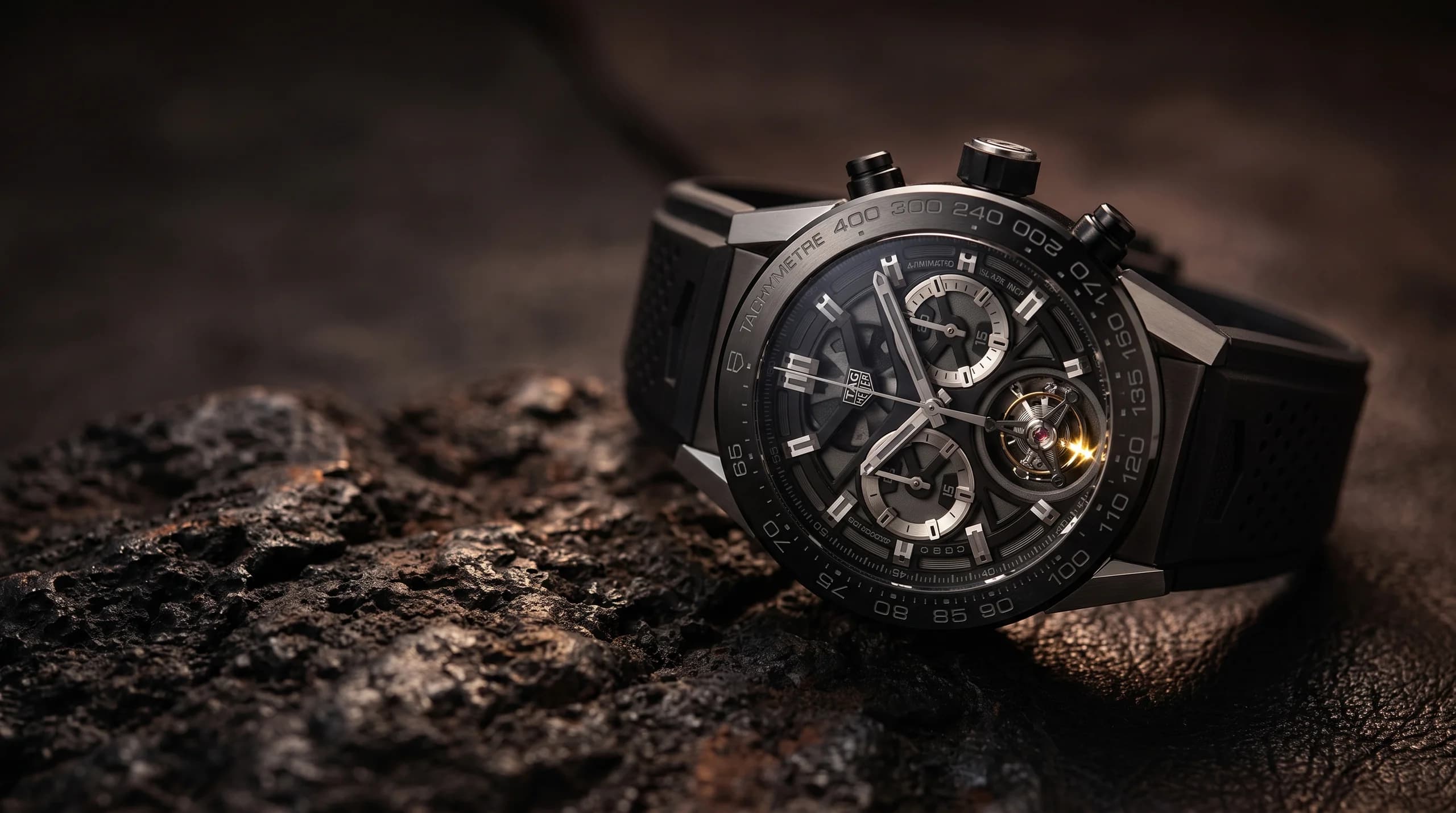
What is a tourbillon? A working dealer's plain-English guide to watchmaking's most famous complication: the spinning cage, how it was meant to fight gravity, why it barely helps a wristwatch, the flying and multi-axis versions, and whether it is ever worth the money.

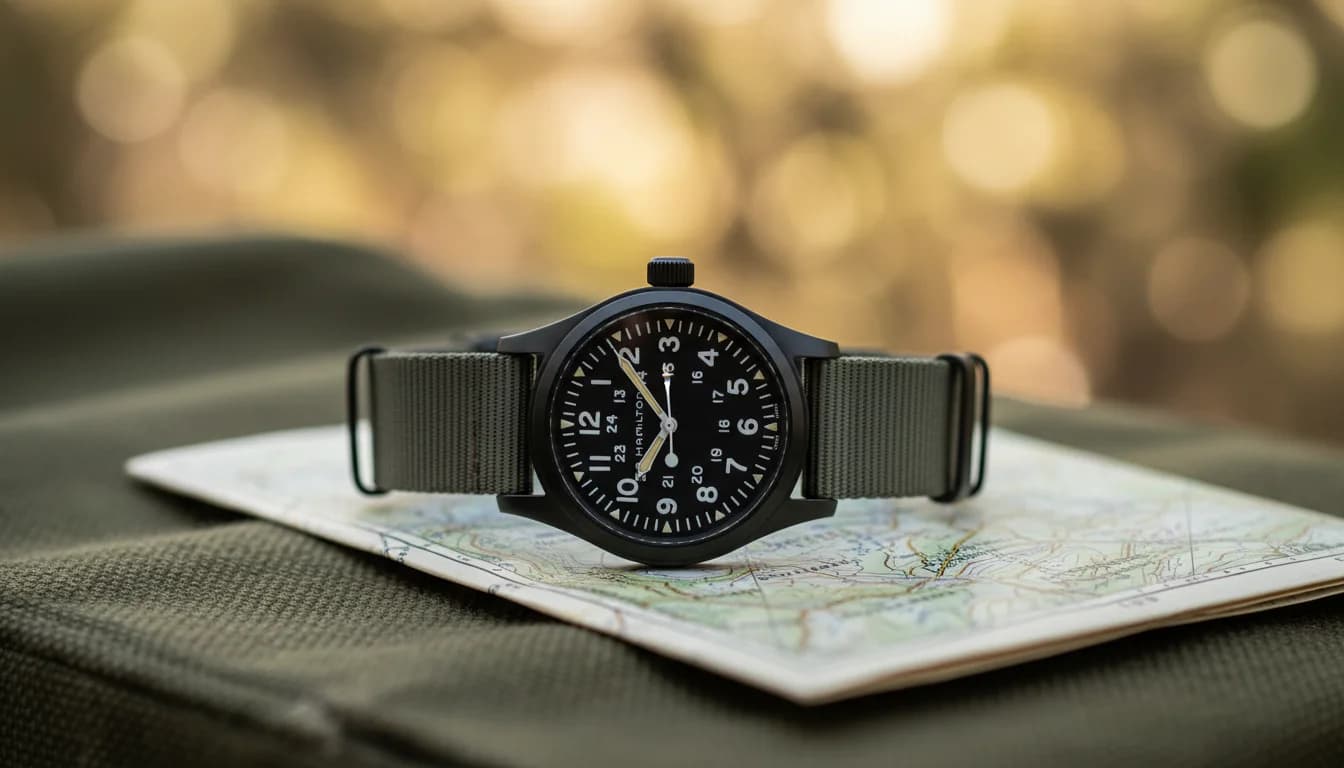
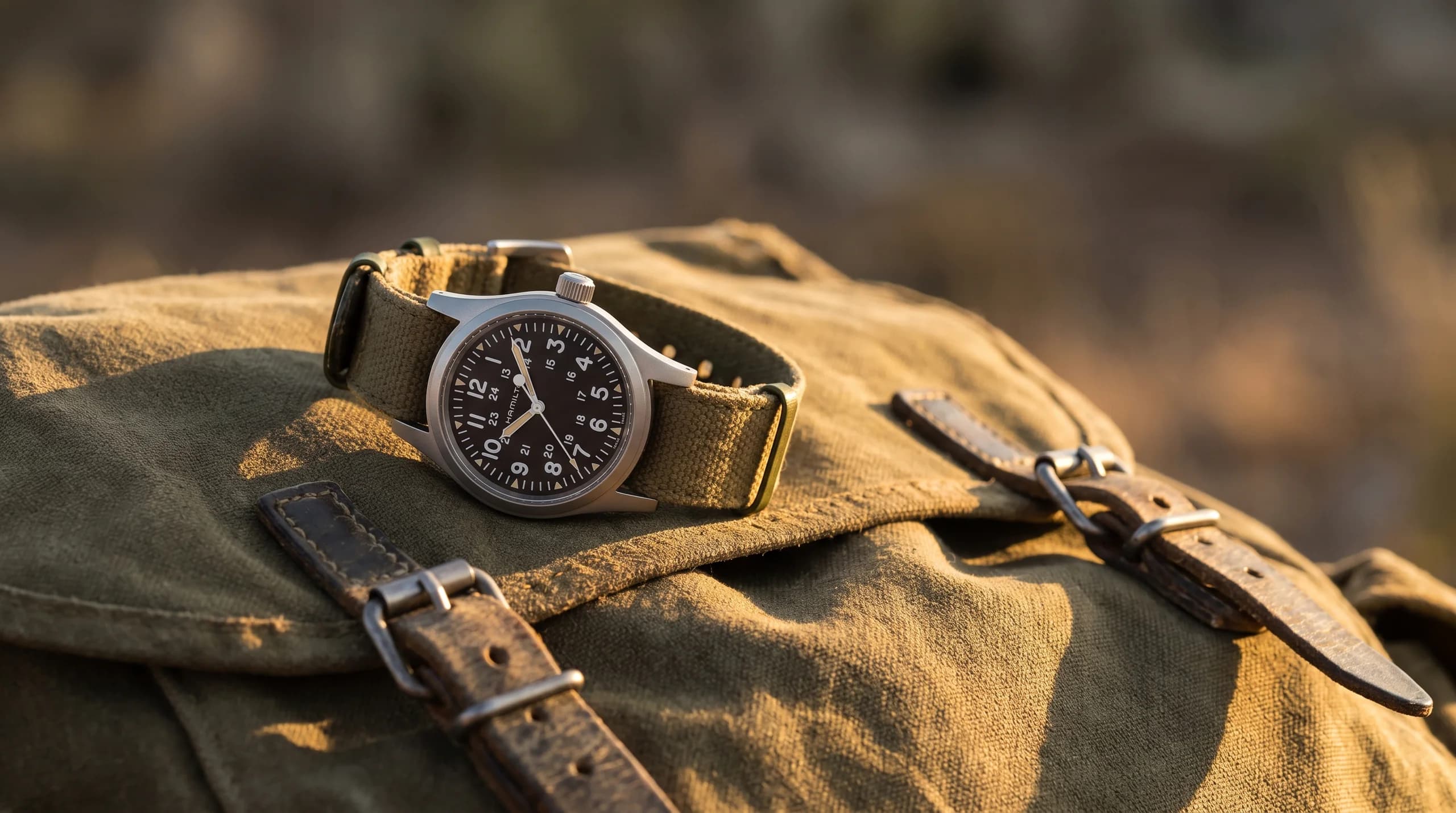
The Hamilton Khaki Field is the $500 mechanical watch a working dealer actually respects: a Swiss-made field watch with genuine military heritage and an 80-hour movement. A read on the hand-wound Mechanical, the Automatic, and why it is one of the smartest first mechanical watches you can buy.

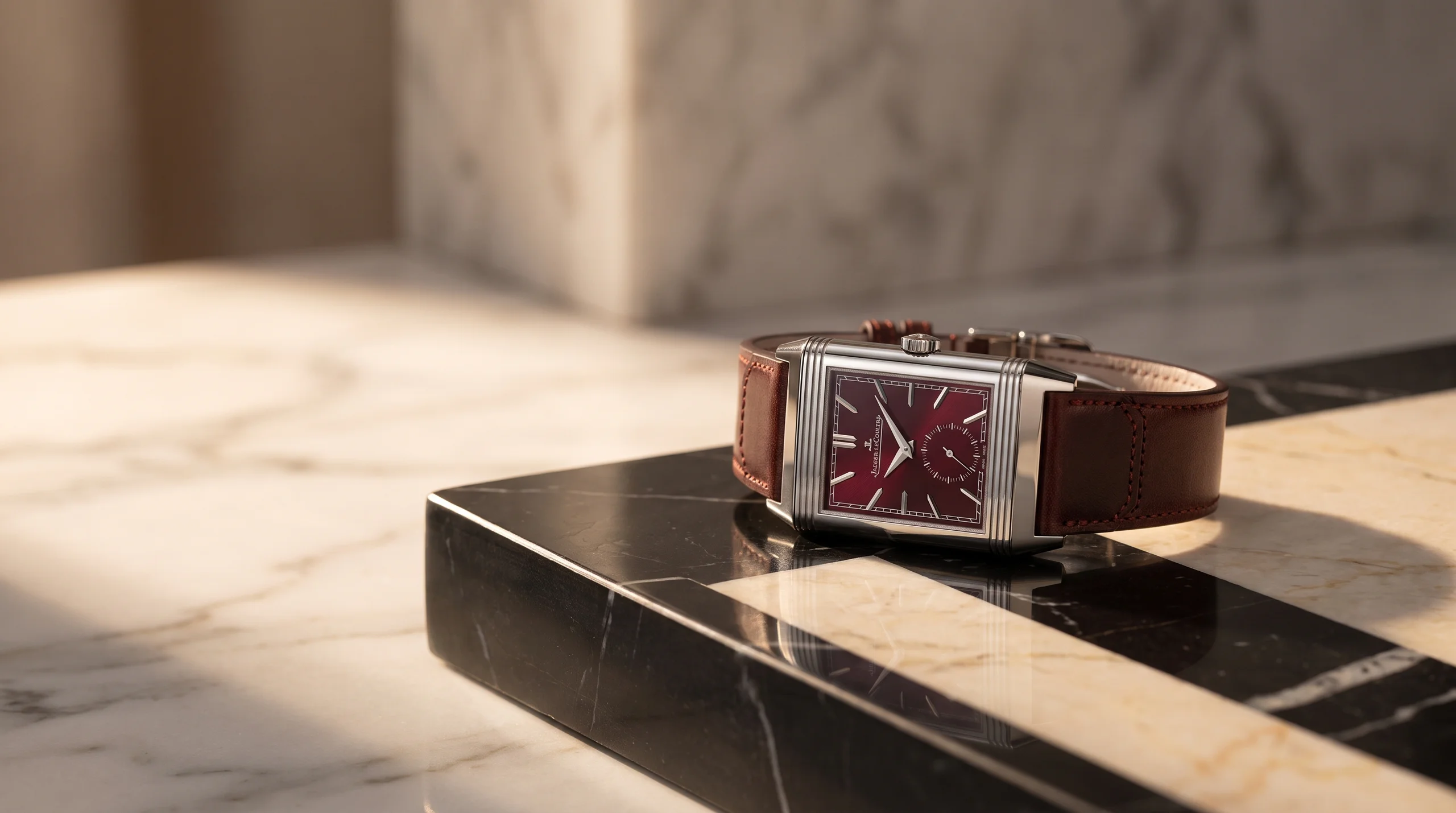
Cartier Tank vs Jaeger-LeCoultre Reverso, settled by a working dealer. Two rectangular dress icons: the Tank is the pure design statement with the cheaper entry, the Reverso is the flip-case original with the stronger movement. What each costs, how they wear, and which to buy.

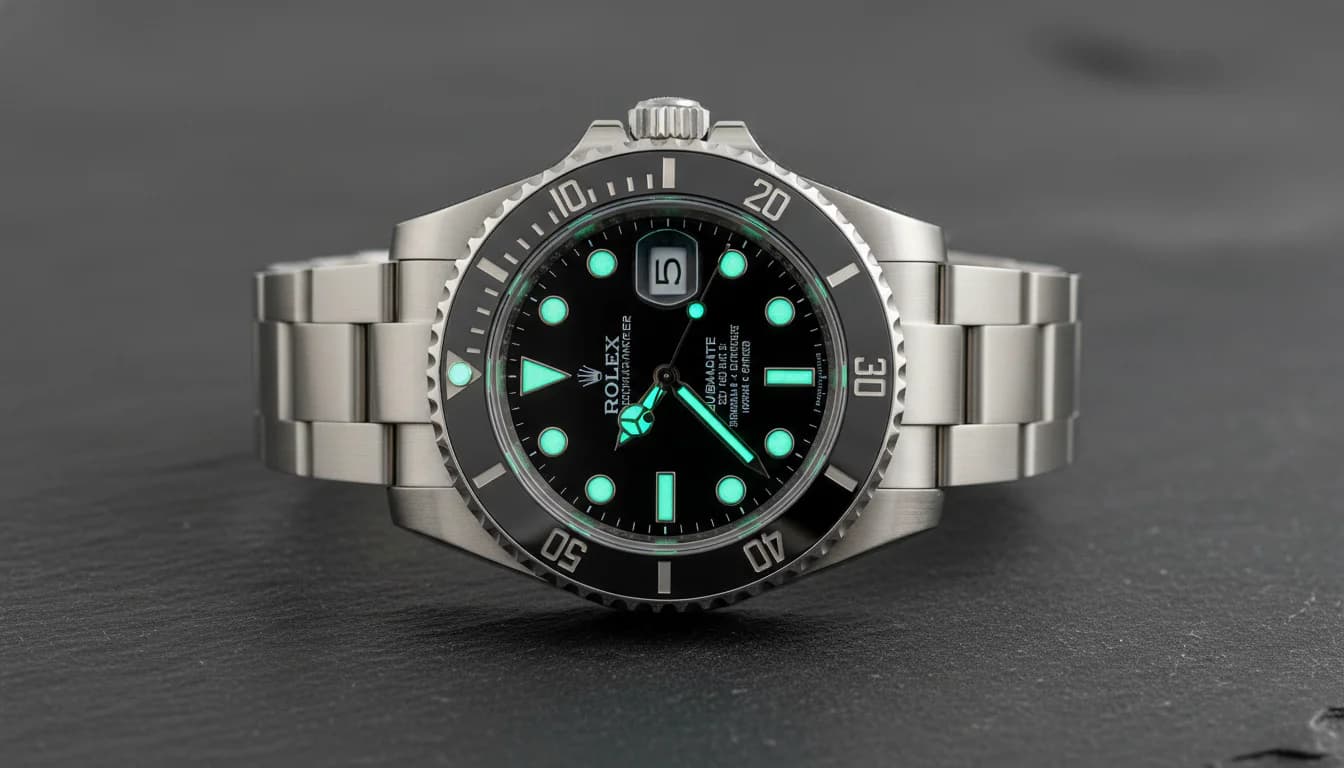
Super-LumiNova vs tritium: a working dealer's plain-English guide to watch lume. What the glowing material actually is, why Super-LumiNova charges and fades while tritium tubes glow for years on their own, what is and is not radioactive, and how to get the brightest glow.

Grand Seiko vs Rolex value, settled by a working dealer. Rolex holds its value far better, often trading at or above retail, while Grand Seiko depreciates despite arguably better finishing. The data behind the gap, the one Grand Seiko that bucks it, and which you should actually buy.

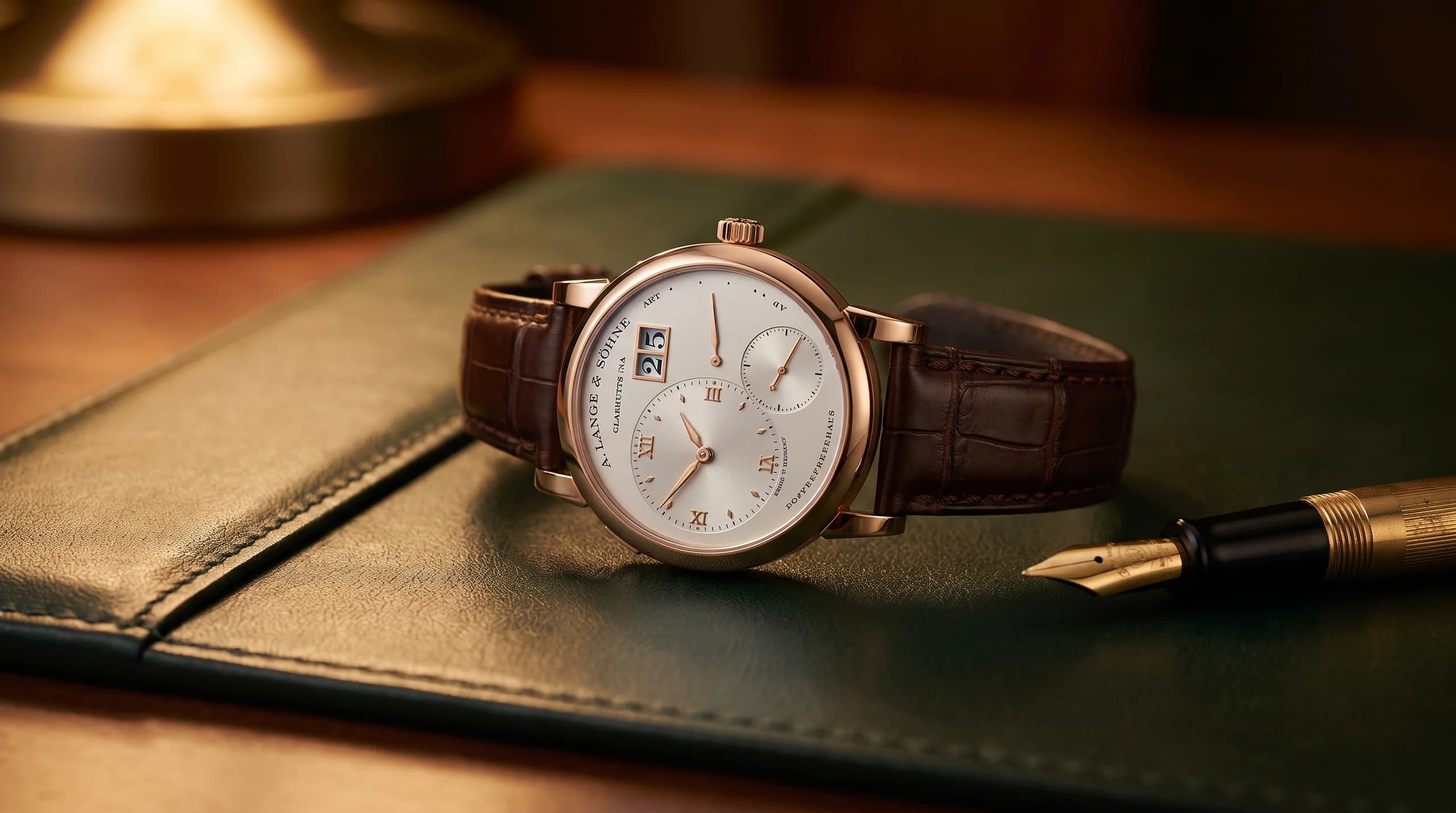
A working dealer's A. Lange & Söhne Lange 1 buying guide: the watch that revived German haute horlogerie. The outsize date, the golden-ratio dial, the hand-engraved L121.1 movement, the full family from Little Lange 1 to Time Zone, and what one actually costs in 2026.

Sapphire, acrylic, or mineral? A working dealer's plain-English guide to the three watch crystal types: which scratches, which shatters, which buffs out at home, what anti-reflective coating does, and which crystal is right for the way you actually wear a watch.

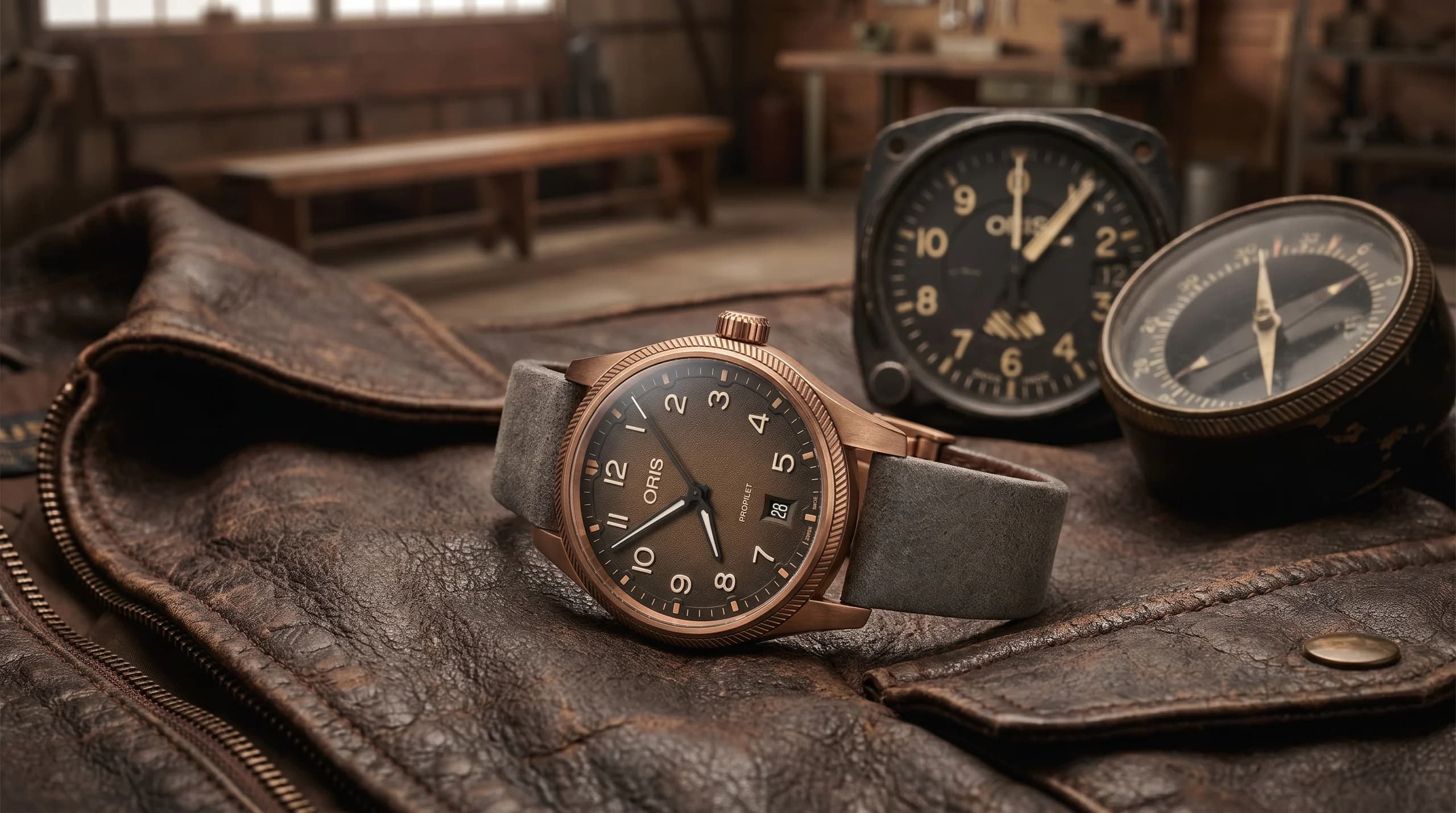
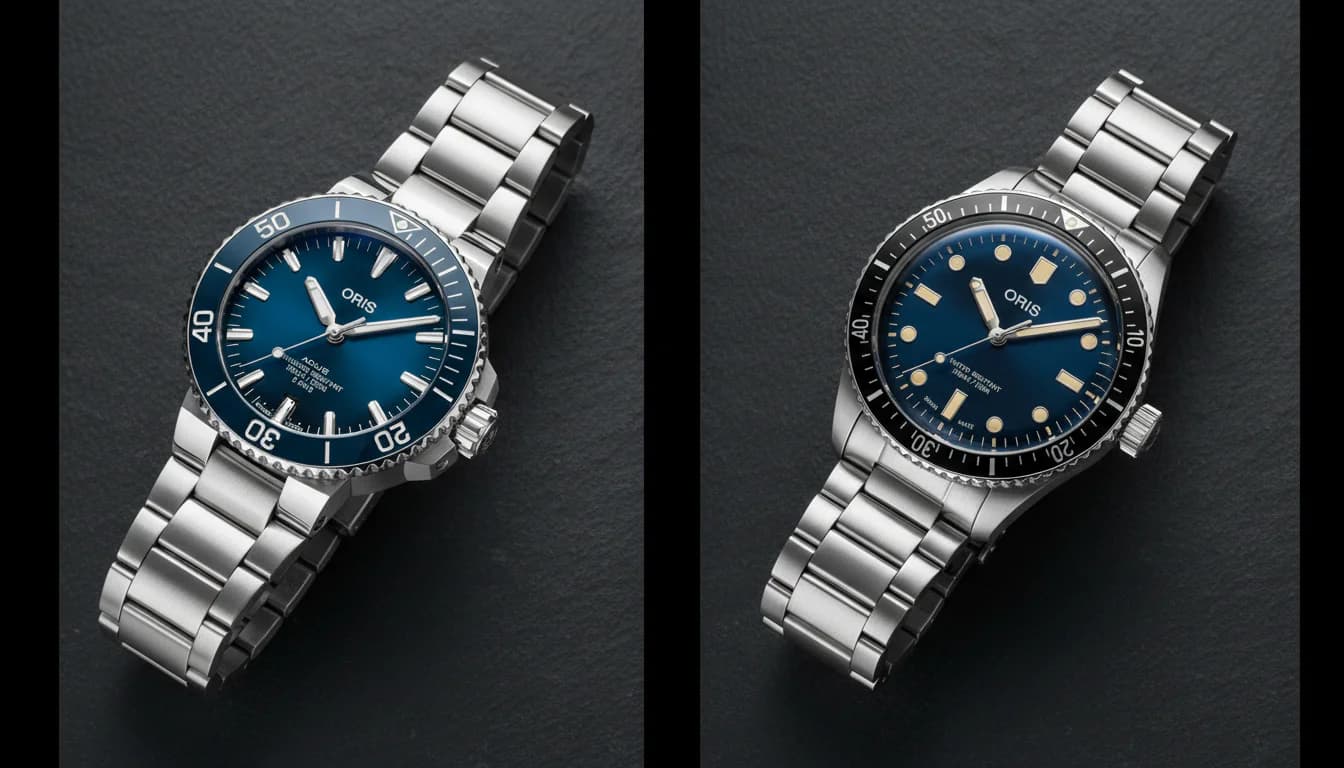
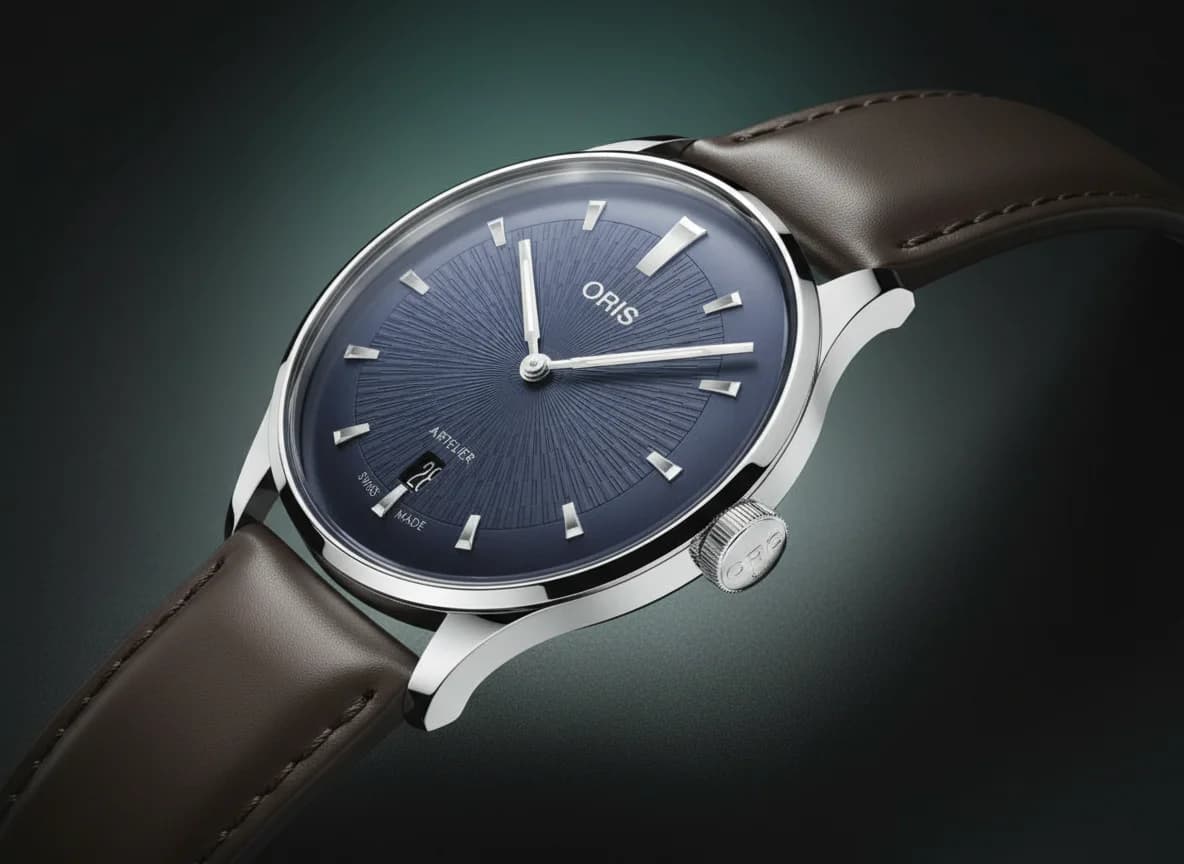
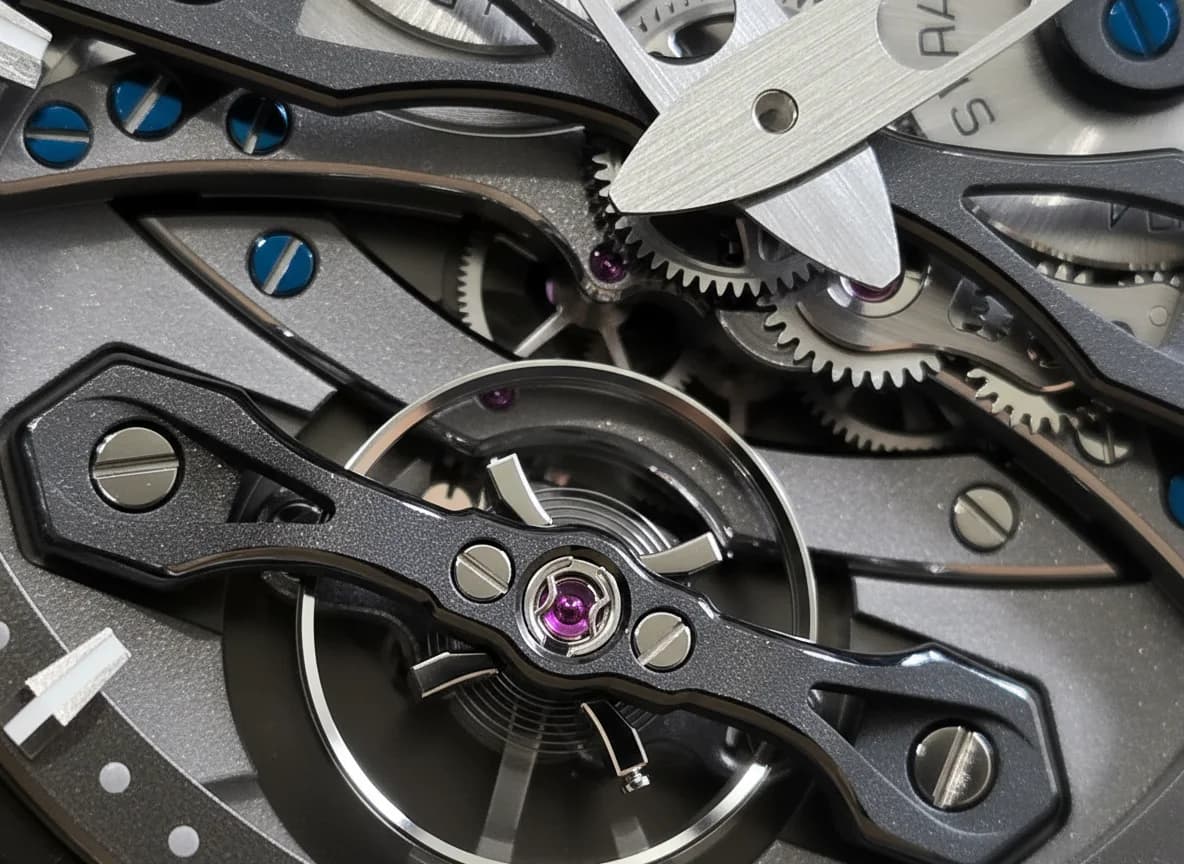
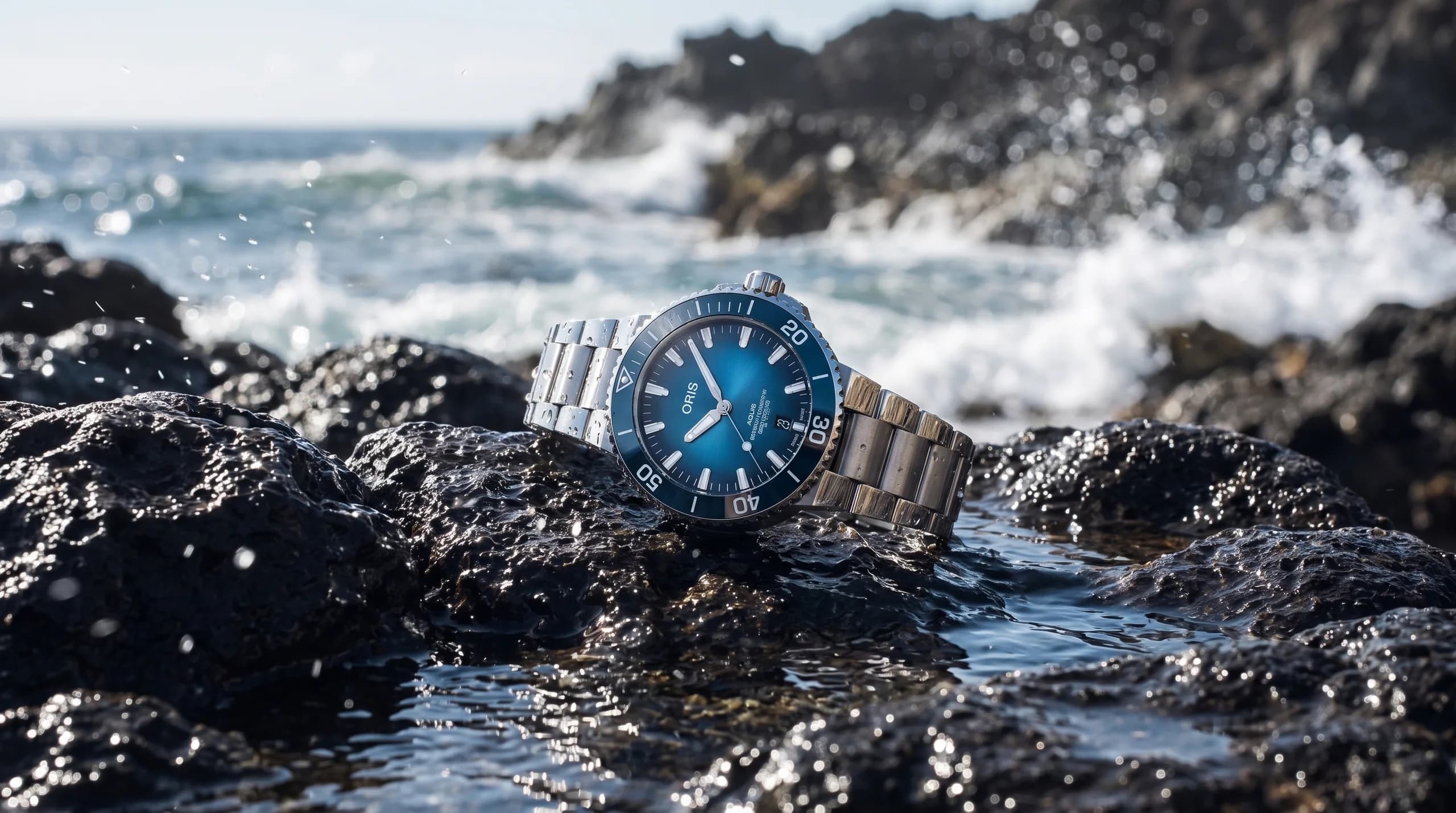
Oris is the best Swiss value nobody talks about: the last major independent making real mechanical watches at real-world prices. A working dealer's read on the brand, the five-day in-house Calibre 400, and why the Aquis and Divers Sixty-Five are two of the smartest buys under 4,000 dollars.

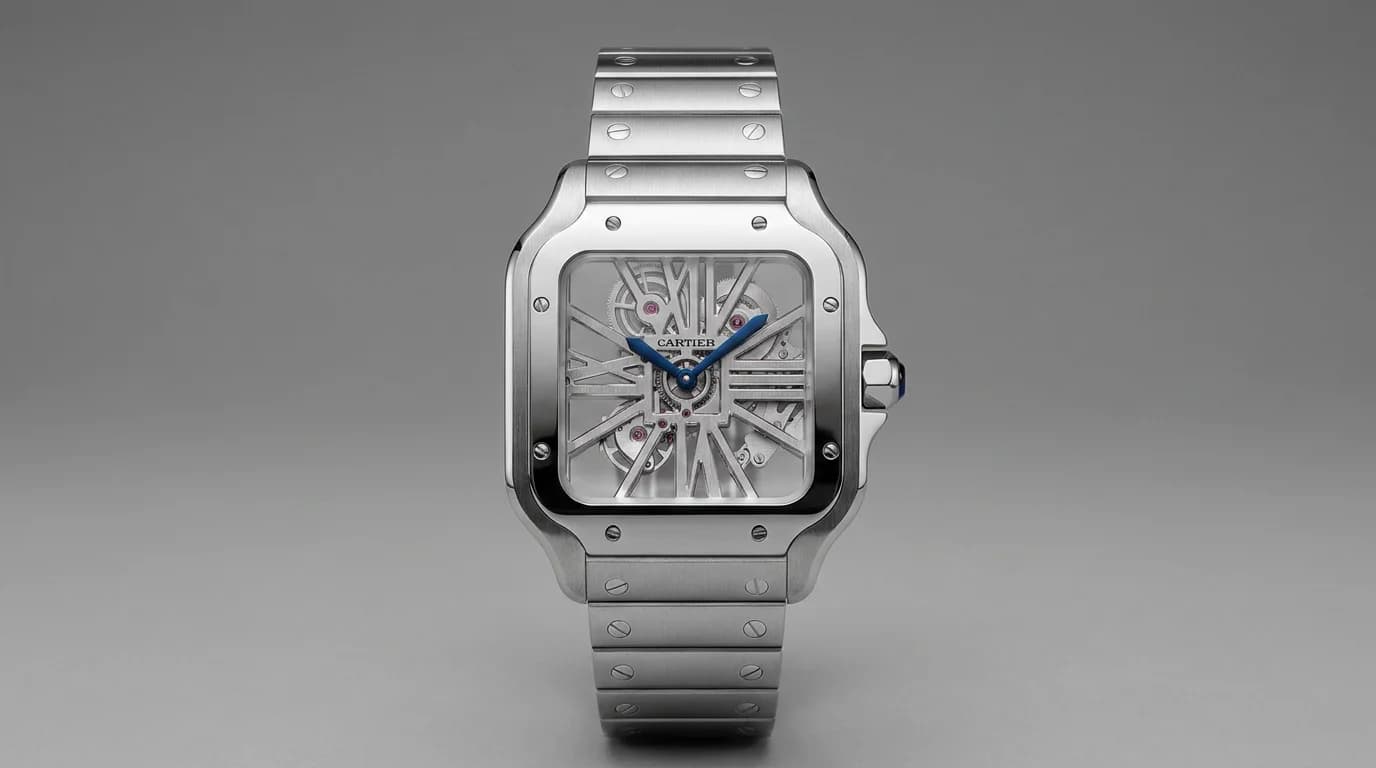
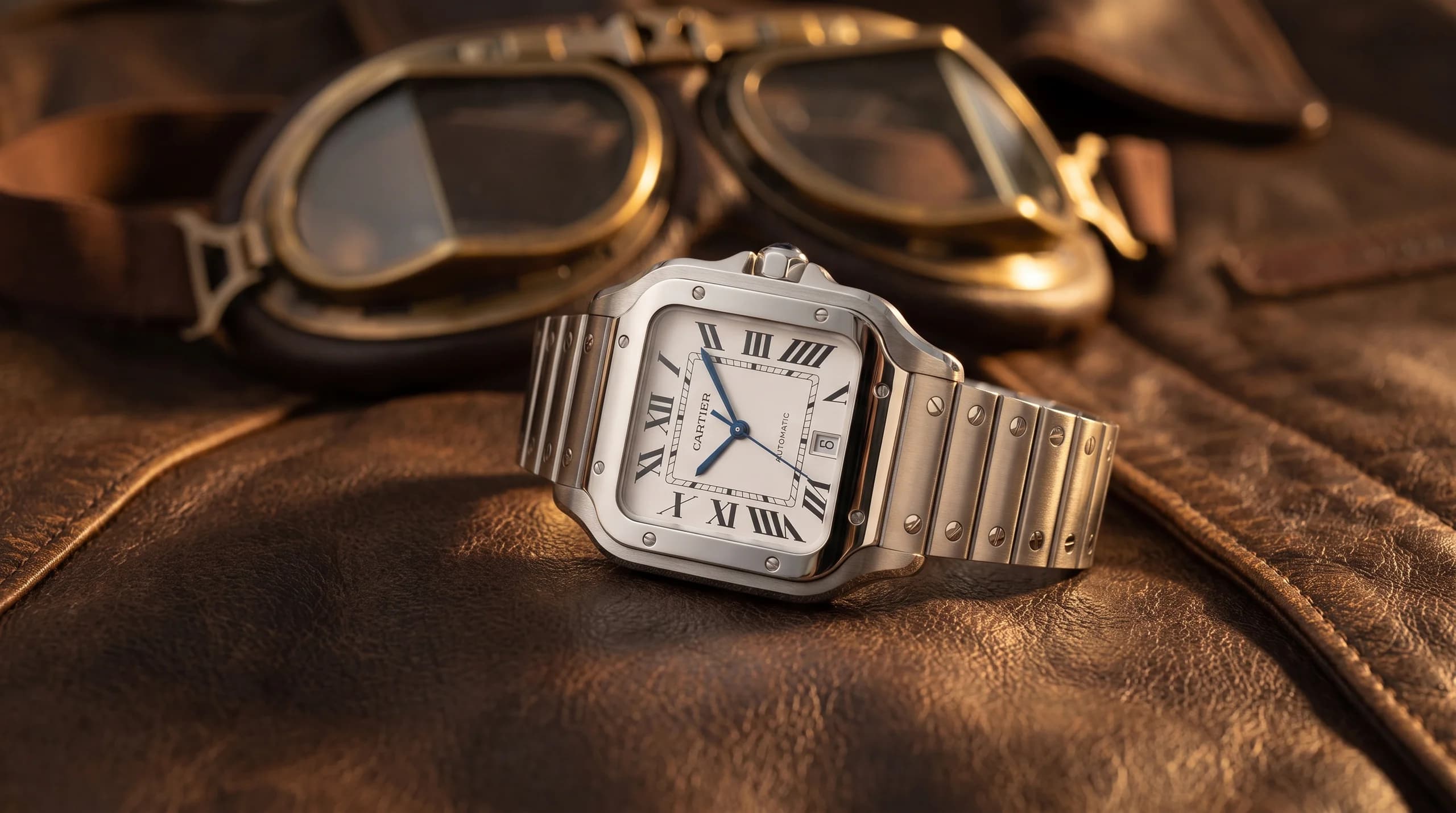
Cartier Santos vs Tank, settled by a working dealer. One is a sport-luxury square with visible screws and an integrated bracelet, the other is the rectangular dress watch that defined the category. What each costs, how they wear, and which one you should actually buy.

What is a chronograph? A working dealer's plain-English guide to the stopwatch complication: how the pushers, subdials, and tachymeter work, why a chronograph is not a chronometer, the difference between a column wheel and a cam, and the famous chronographs worth knowing.

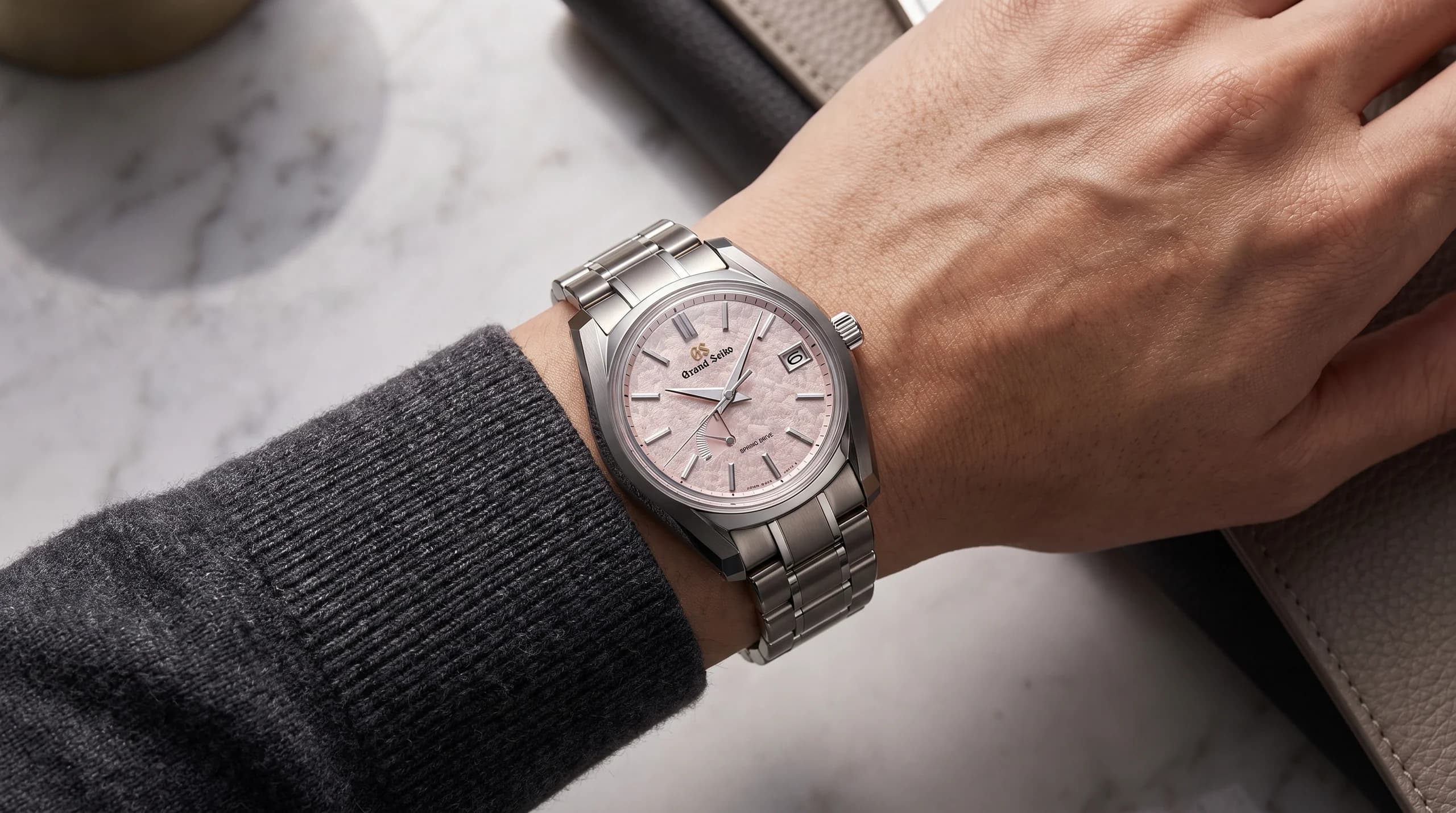
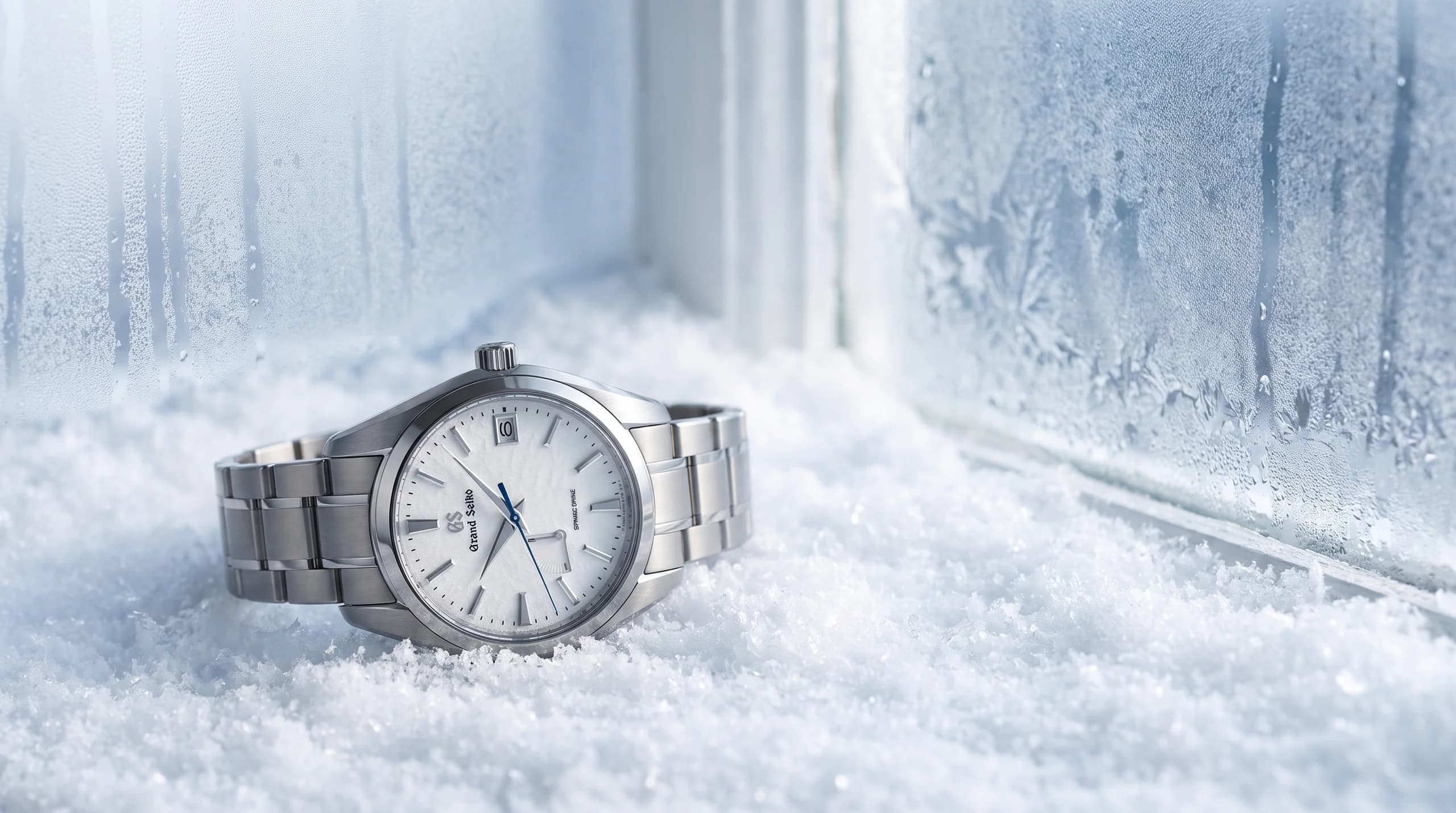
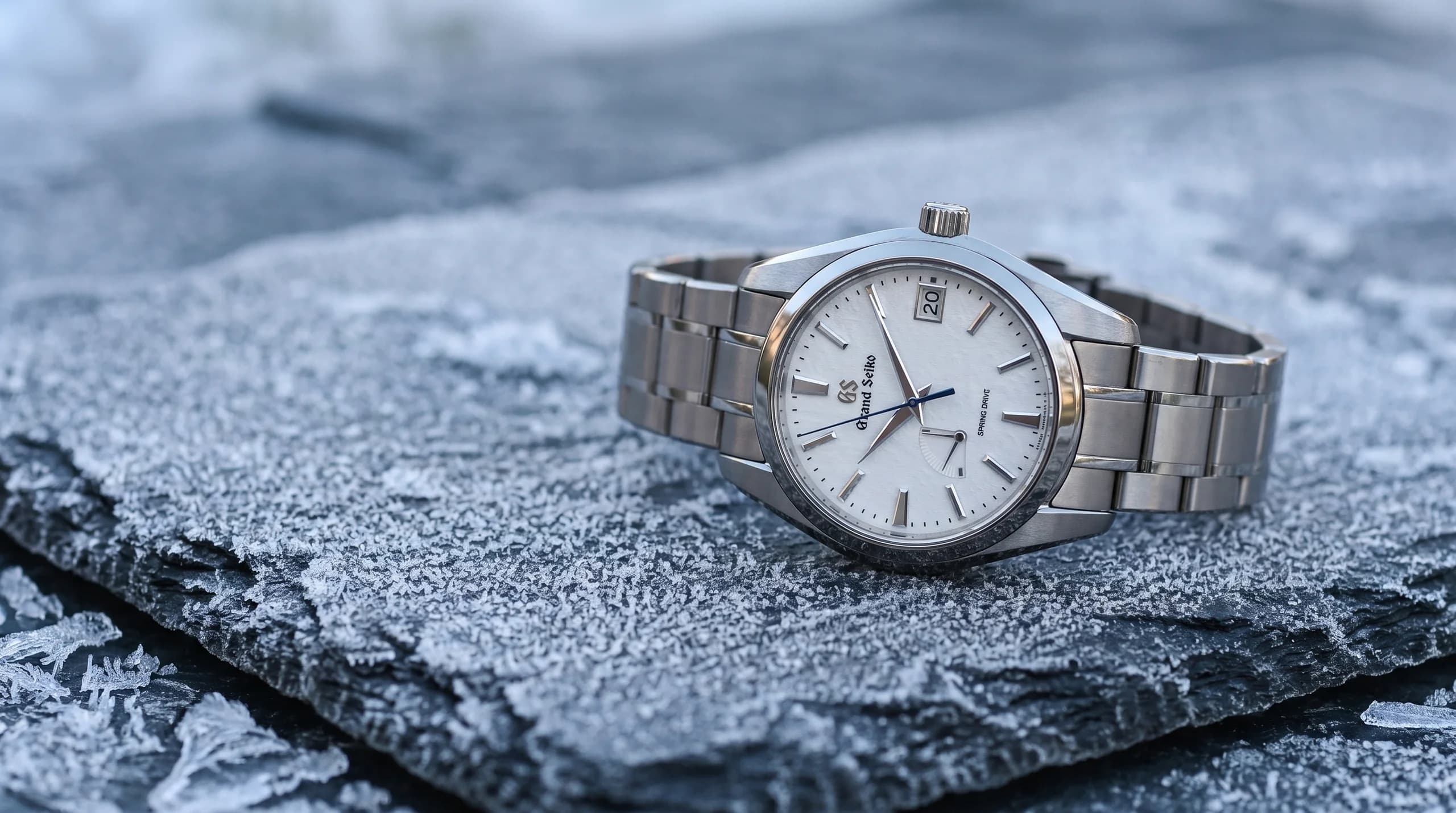
A working dealer's Grand Seiko buying guide that goes past the Snowflake: the five collections explained, the three movements that define the brand, the references worth knowing from the SBGA211 to the Tentagraph, and what each actually costs on the pre-owned market in 2026.

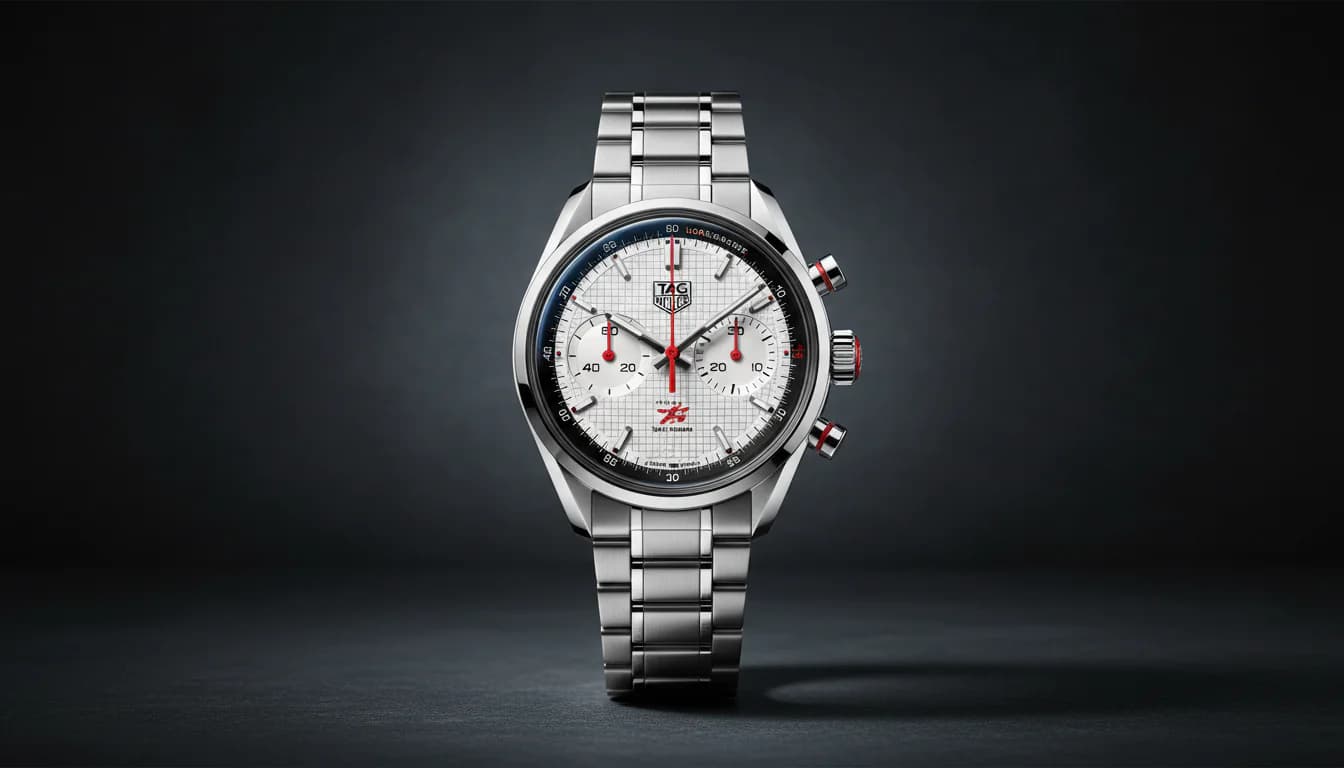
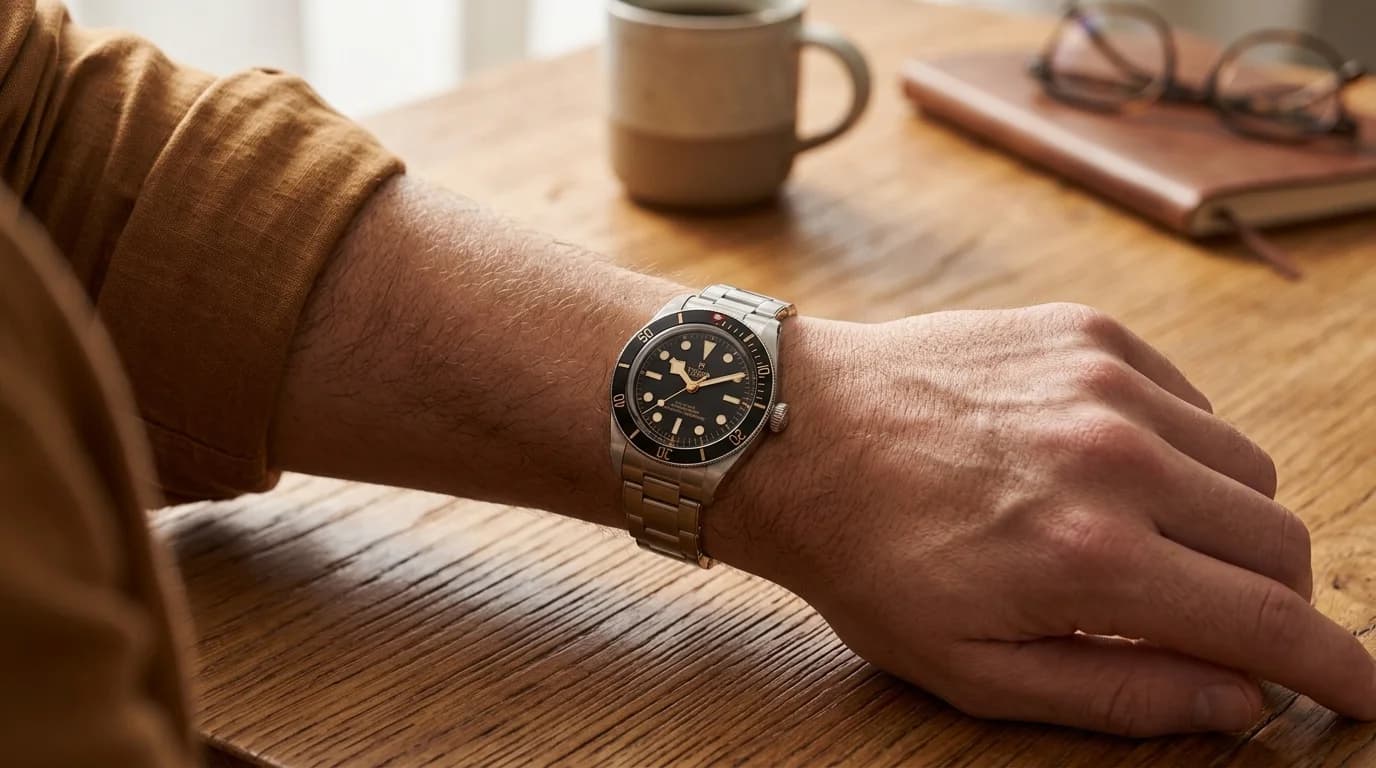
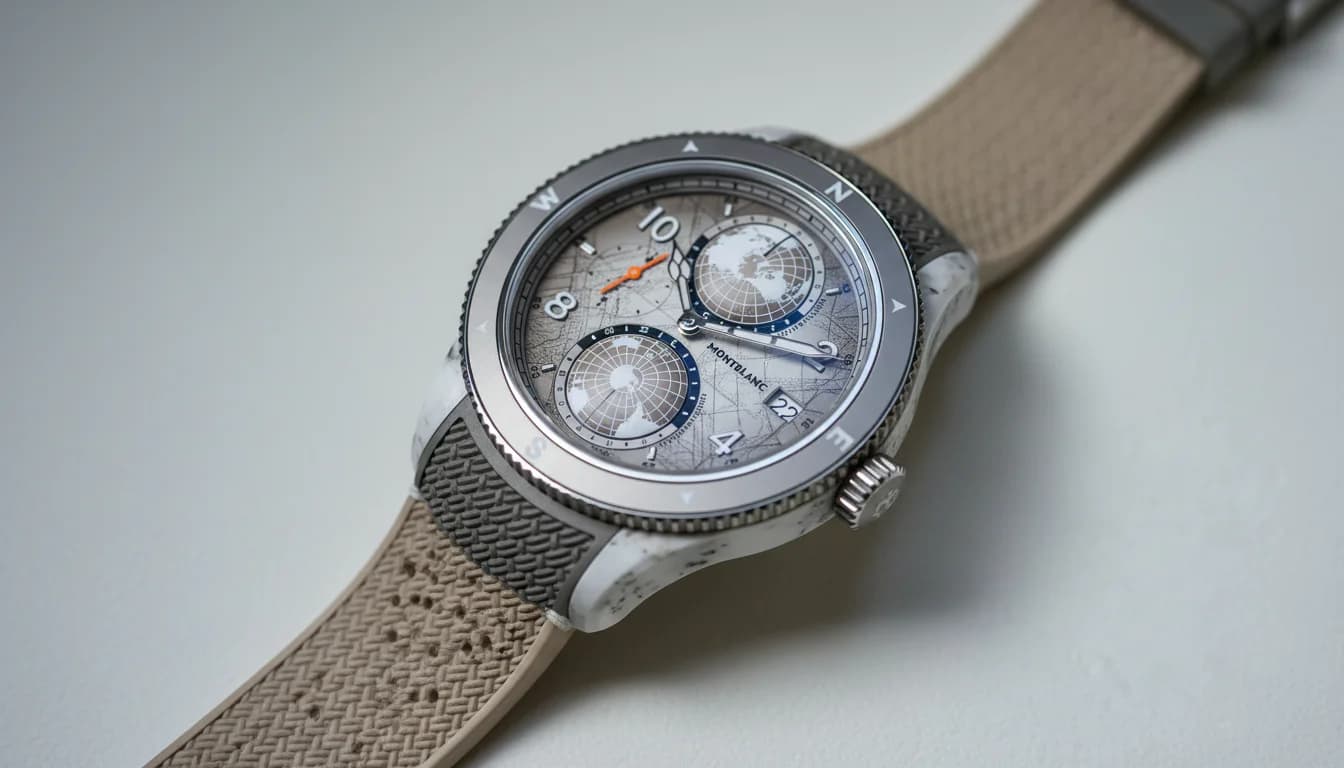
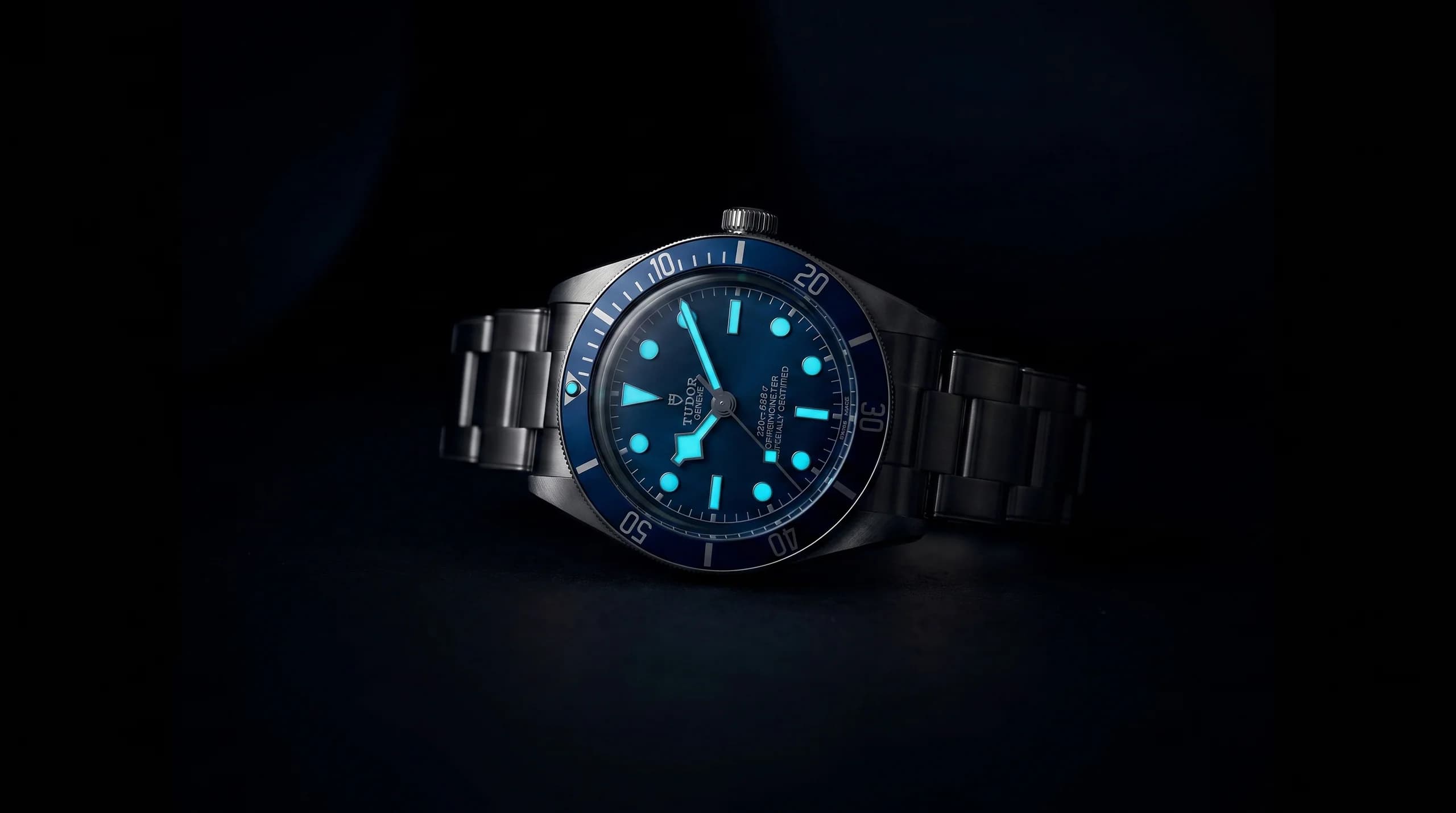
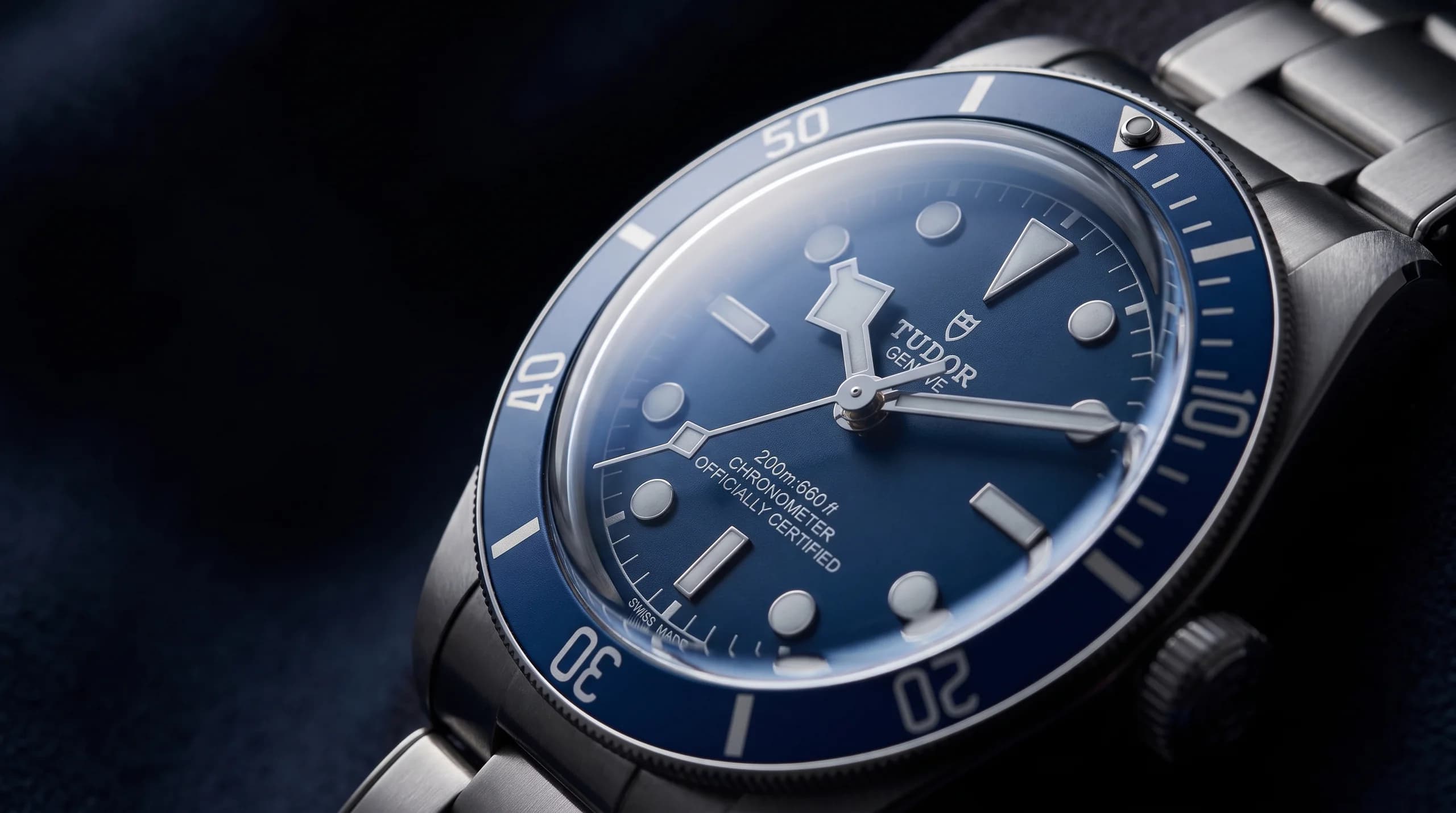
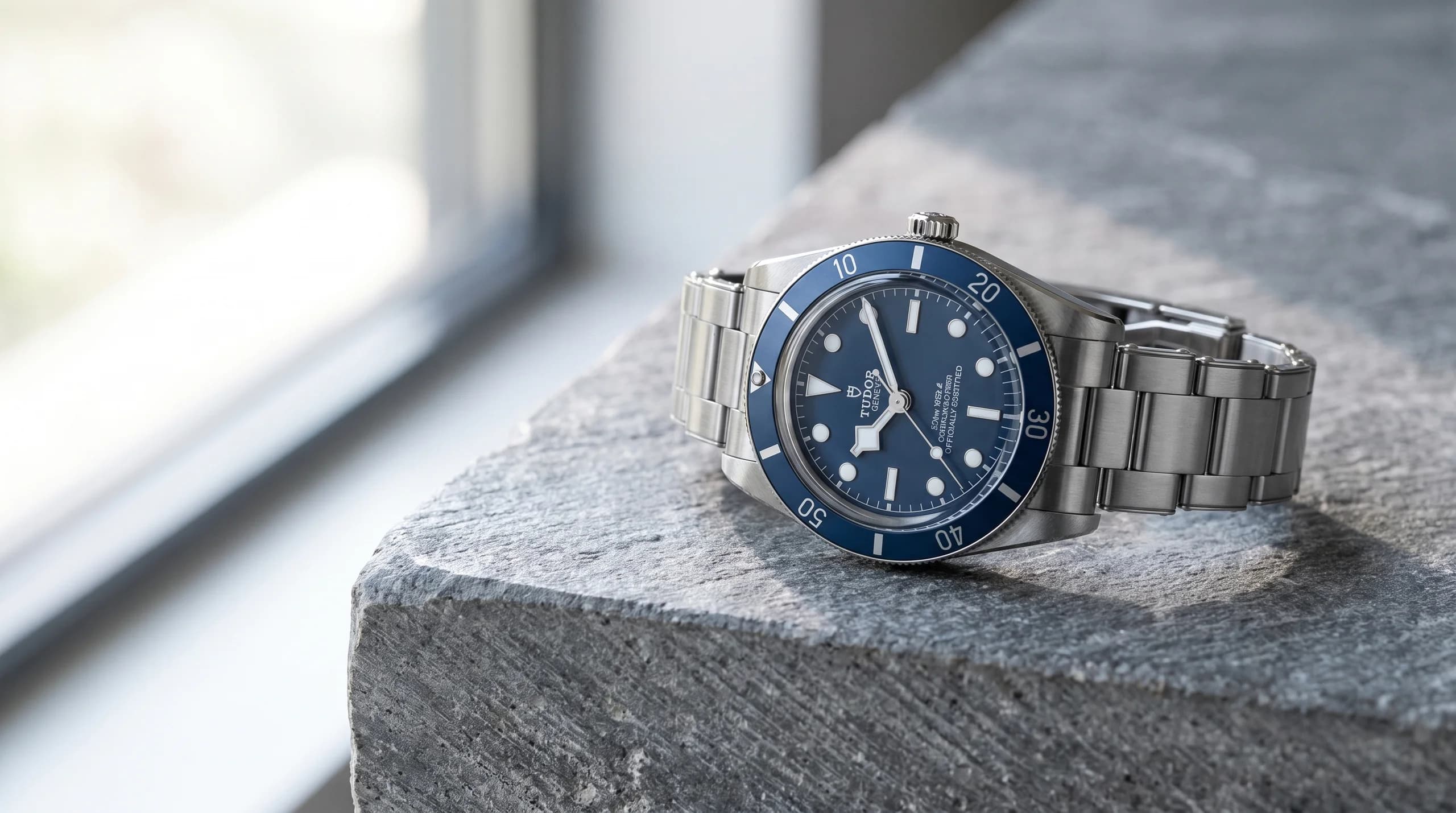
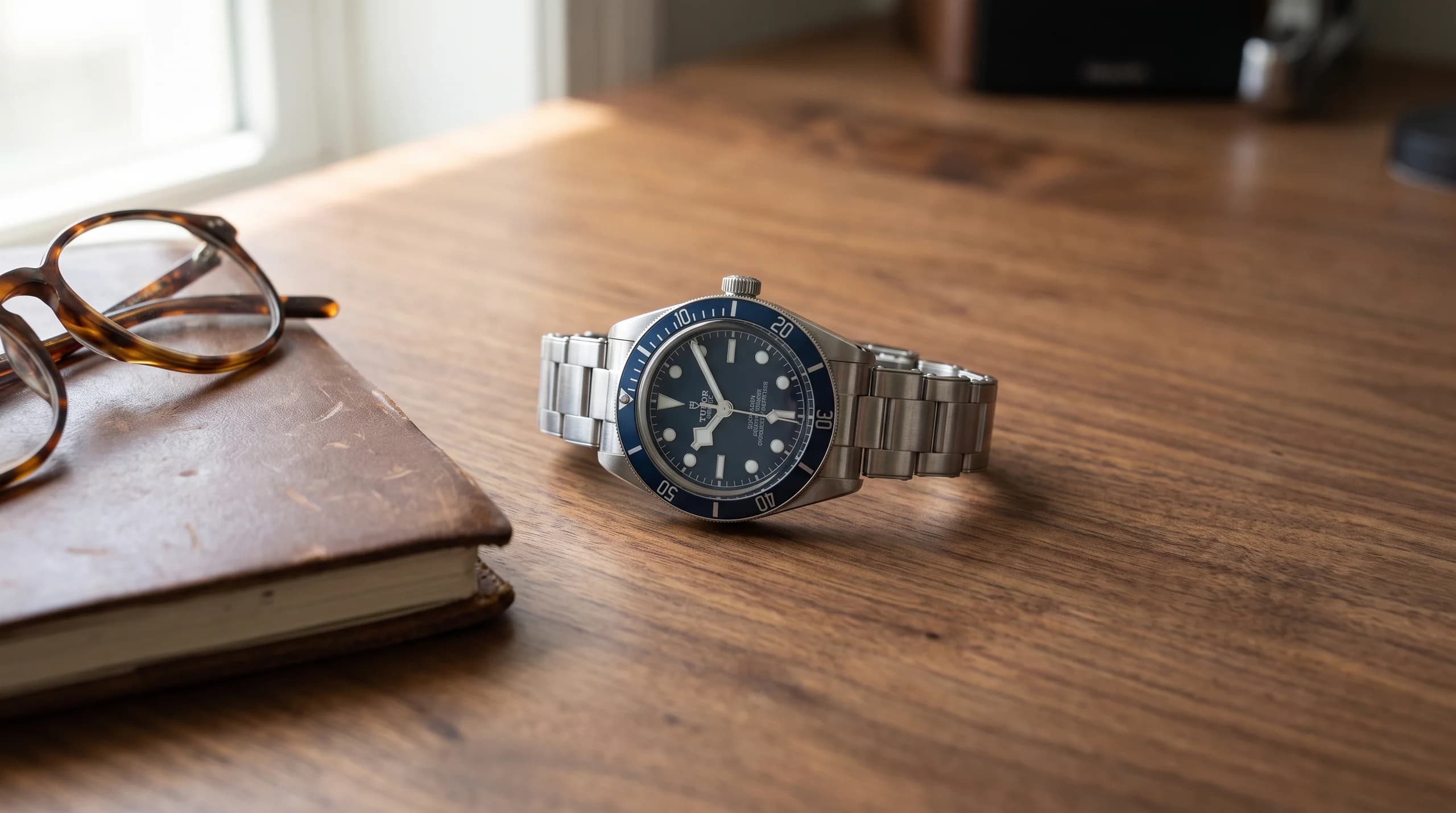
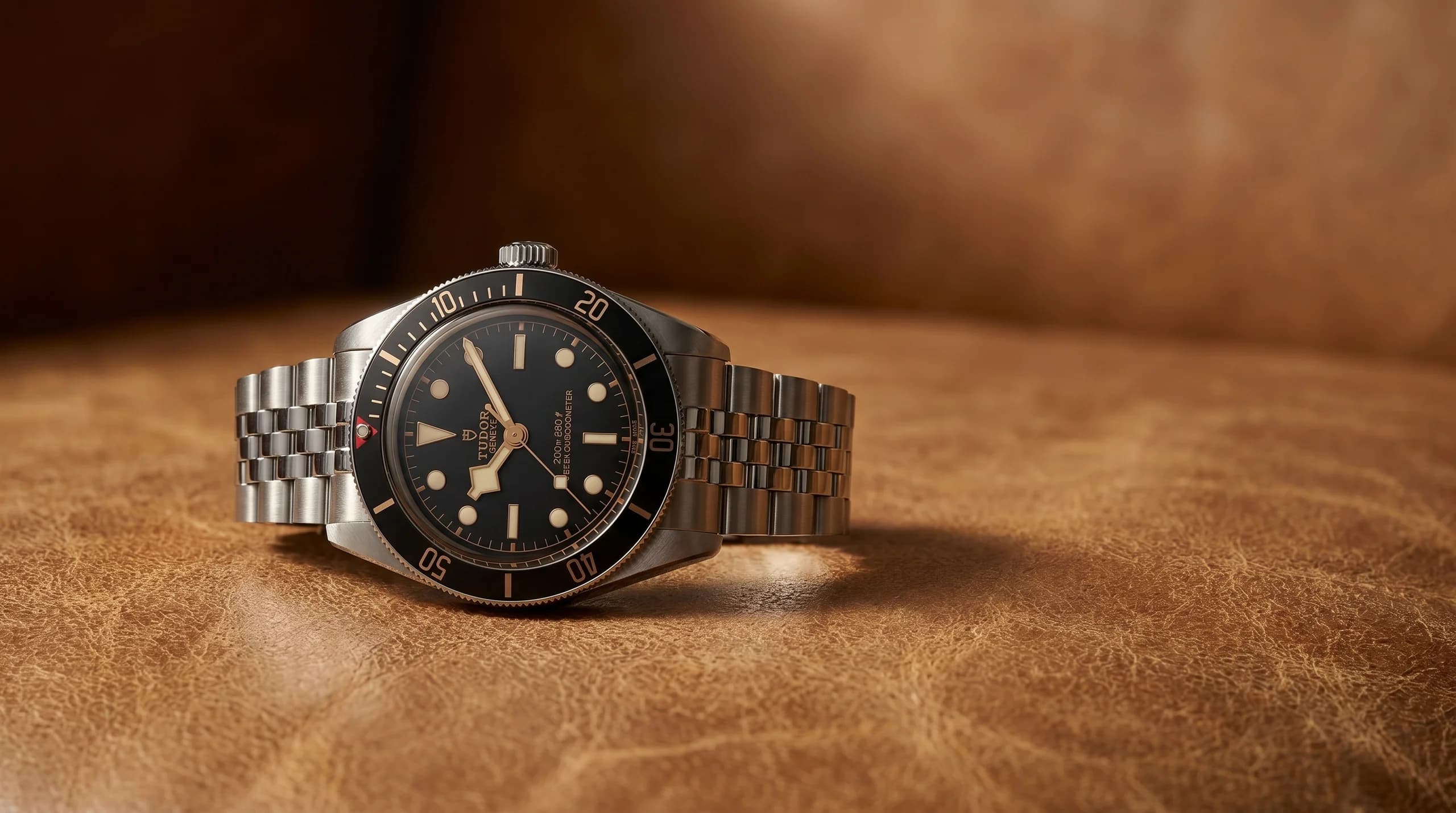
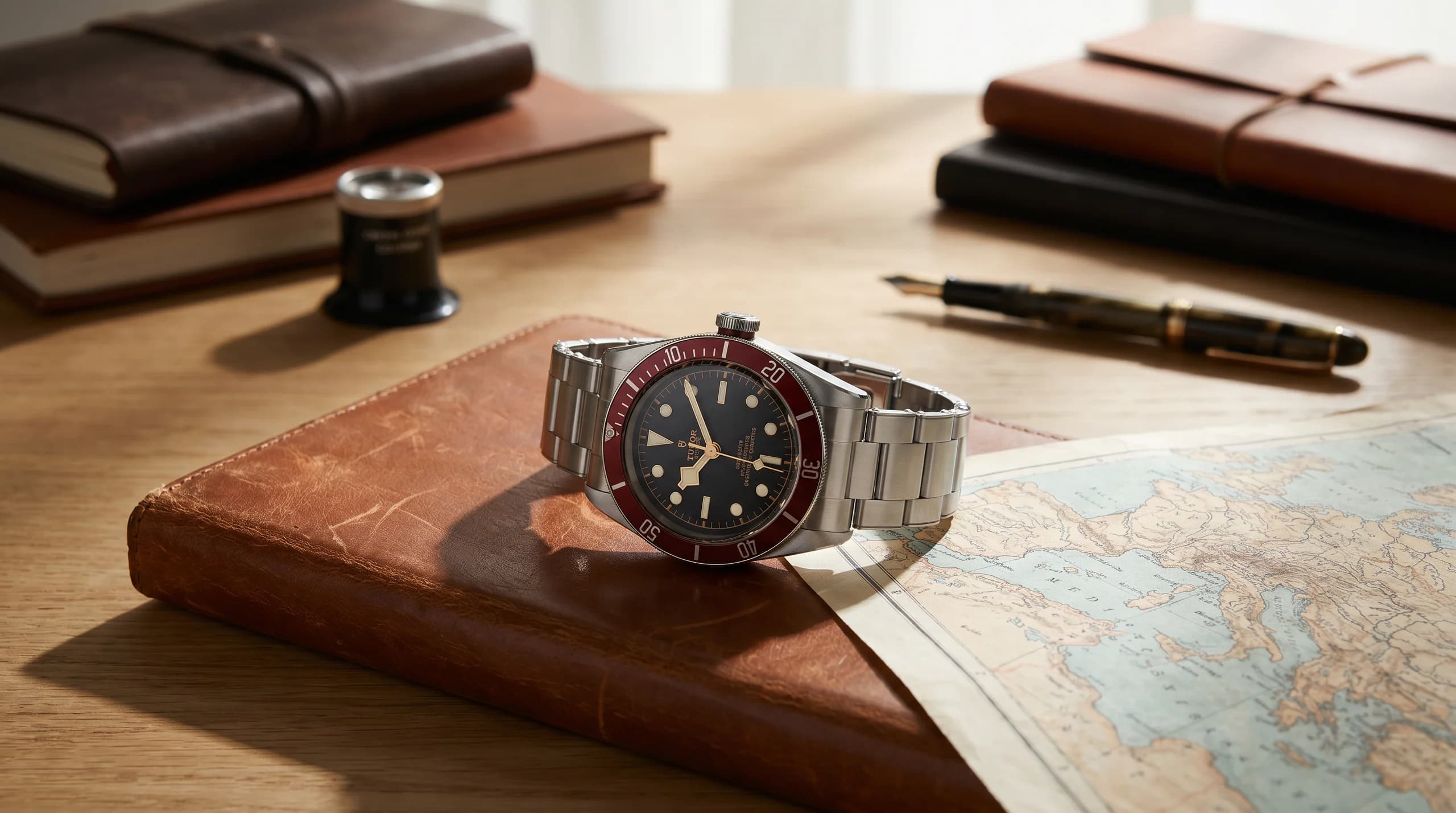
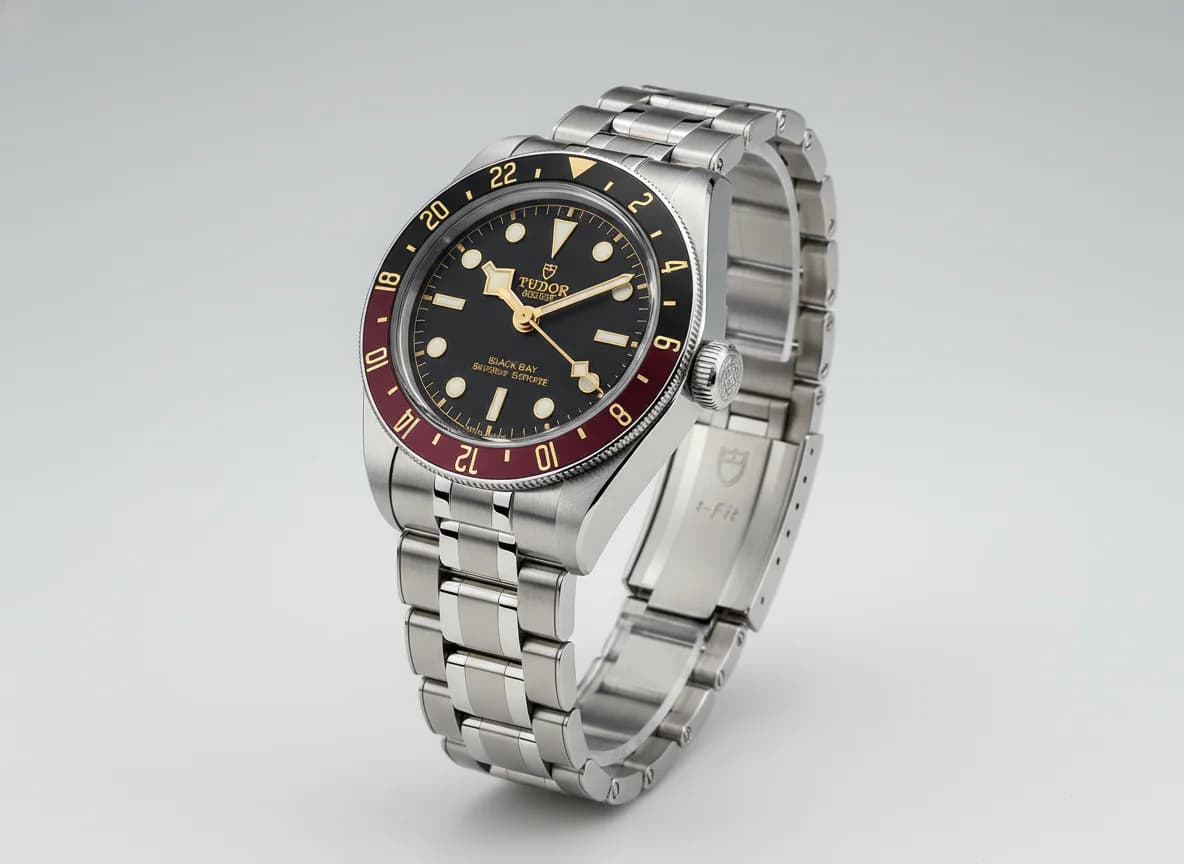
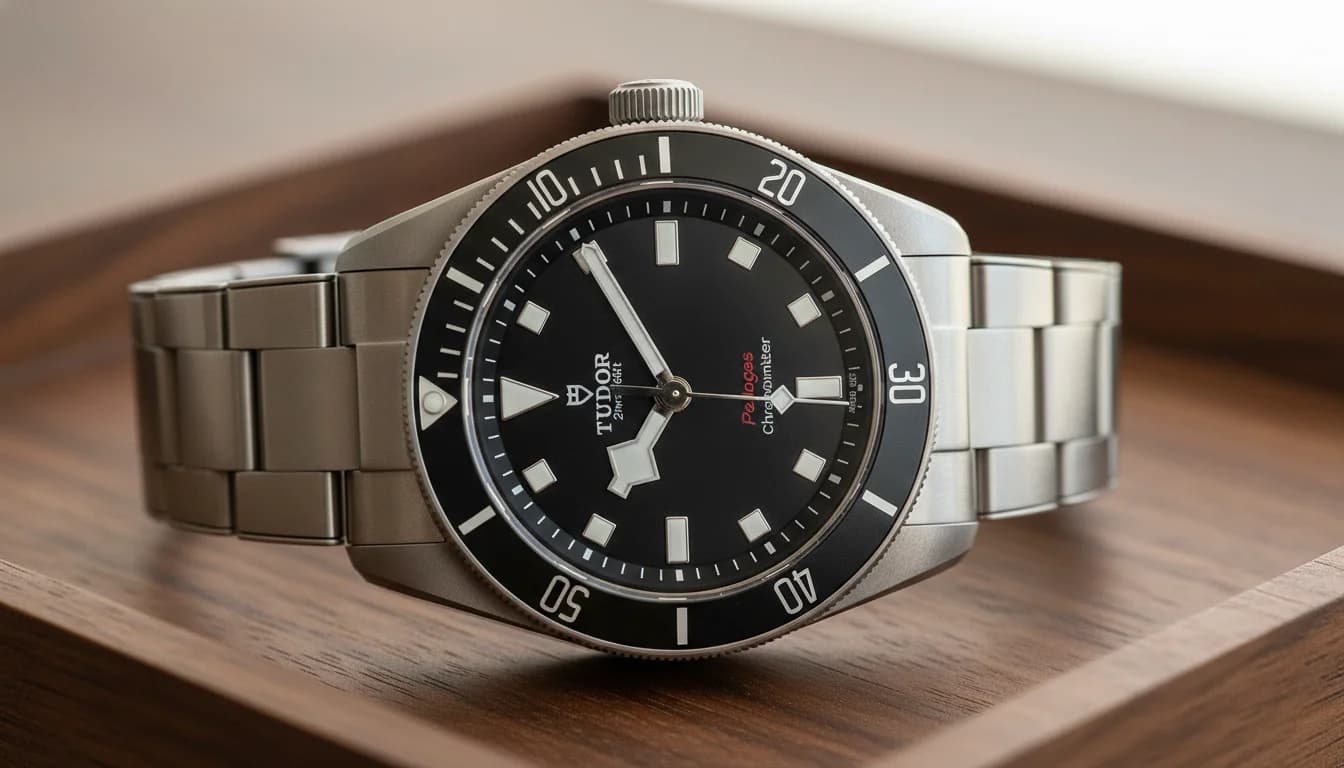
The new watch releases of summer 2026, read by a working dealer: the Tudor Black Bay 54 37mm, Grand Seiko Evolution 9 SLGH035, Montblanc Iced Sea 0 Oxygen, Longines Master Arabic dial, and the solar TAG Heuer F1. What each costs, which ones are worth buying, and which to wait on.

A chronometer is not a chronograph. A working dealer's plain-English guide to chronometer certification: what COSC actually tests, the -4/+6 standard, how Rolex Superlative and Omega Master Chronometer go further, and the stricter Excellence Chronometer tier COSC introduced in February 2026.

Pepsi, Batman, Coke, Sprite, Hulk, Smurf, Panda, Wimbledon, President, Tiffany. Rolex collectors speak in nicknames, and almost none come from Rolex. A working dealer's complete guide to every major Rolex nickname, the model it belongs to, and where the name came from.

What size watch should you wear? A working dealer's fit guide to the three measurements that actually matter, case diameter, lug-to-lug, and thickness, with a wrist-size chart, why lug-to-lug decides the fit more than diameter, and why the right size has nothing to do with gender.

How much is a Rolex in 2026? A working dealer's complete price guide, model by model: from the $5,650 Oyster Perpetual to the Submariner, GMT-Master II, Daytona, and the six-figure Day-Date. The retail numbers, why you rarely pay them, and what the pre-owned market actually charges.

The best women's luxury watches in 2026, chosen by a working dealer: the Cartier Tank and Panthère, the Rolex Lady-Datejust and Oyster Perpetual, and the value picks worth knowing. What each one costs, which holds value, and why the smart money buys most of them pre-owned.

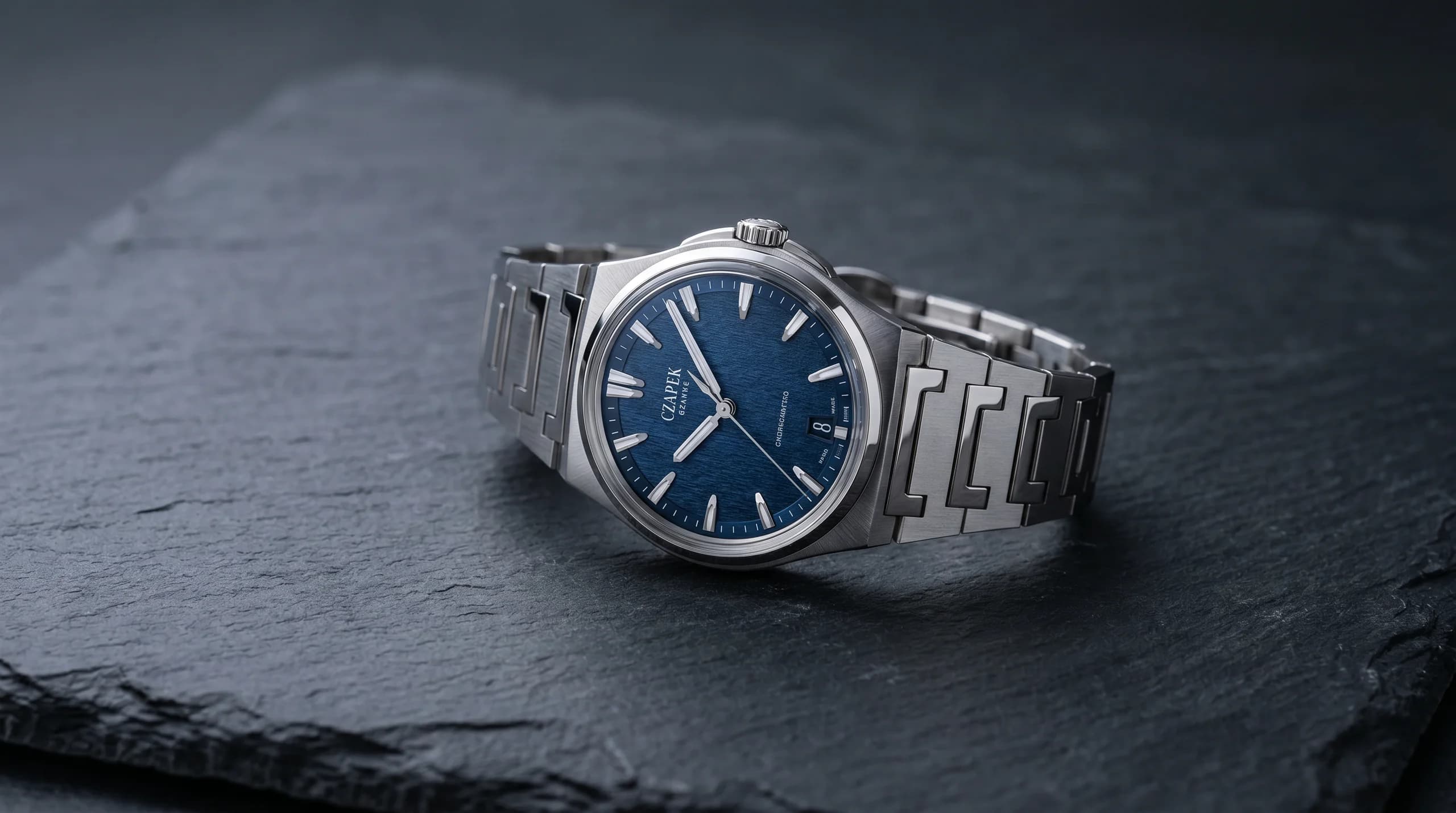
Before there was Patek Philippe, there was Patek, Czapek & Cie. A working dealer's read on Czapek & Cie, the crowdfunded revival of Patek's original partner, the Antarctique sports watch that made the brand a name to know, the in-house SXH5 micro-rotor movement, the artisanal dials, and what it costs to get in.

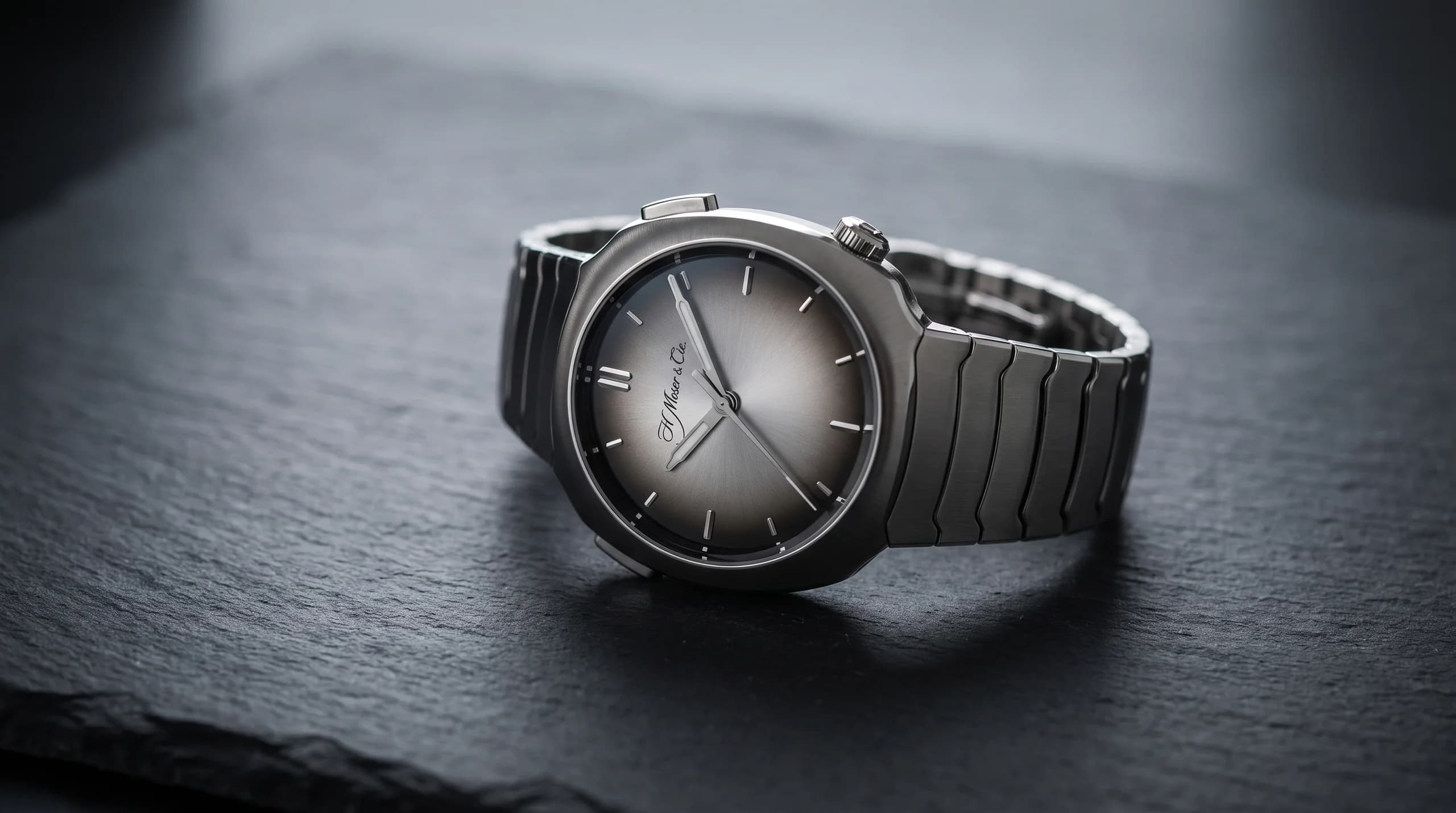
H. Moser & Cie makes serious watchmaking look effortless and pokes fun at the industry while doing it. A working dealer's read on the small Swiss independent behind the smoked fume dials, the logo-free Concept watches, the Streamliner sports line, and the vertically integrated movement making that has collectors paying attention.

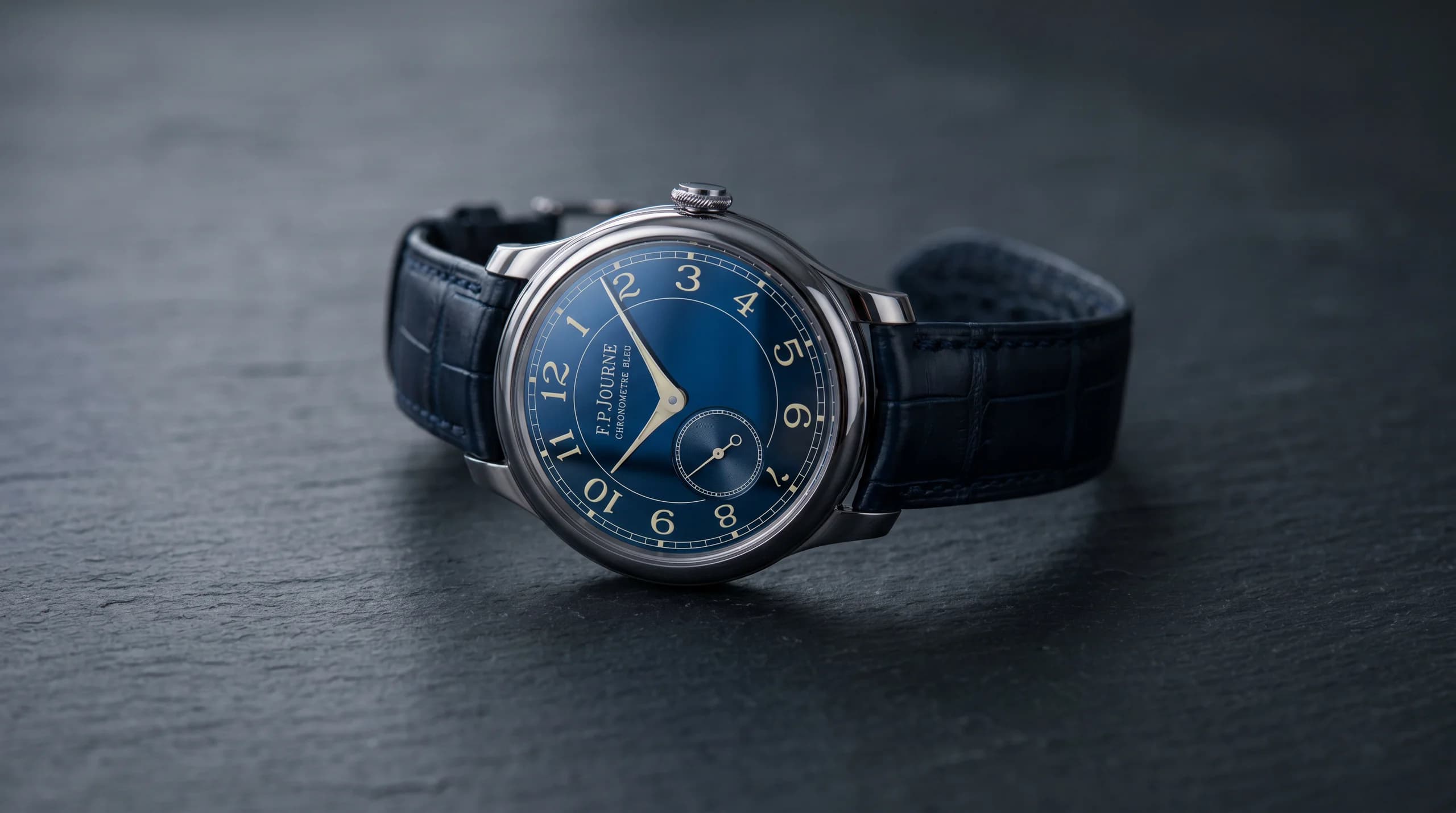
F.P. Journe is the watchmaker that serious collectors name once they have owned everything else. A working dealer's read on why: the solid gold movements almost no one else builds, the resonance and constant-force technology, the tiny production, and why a Chronometre Bleu that retails near $38,000 trades past $190,000 on the secondary market.

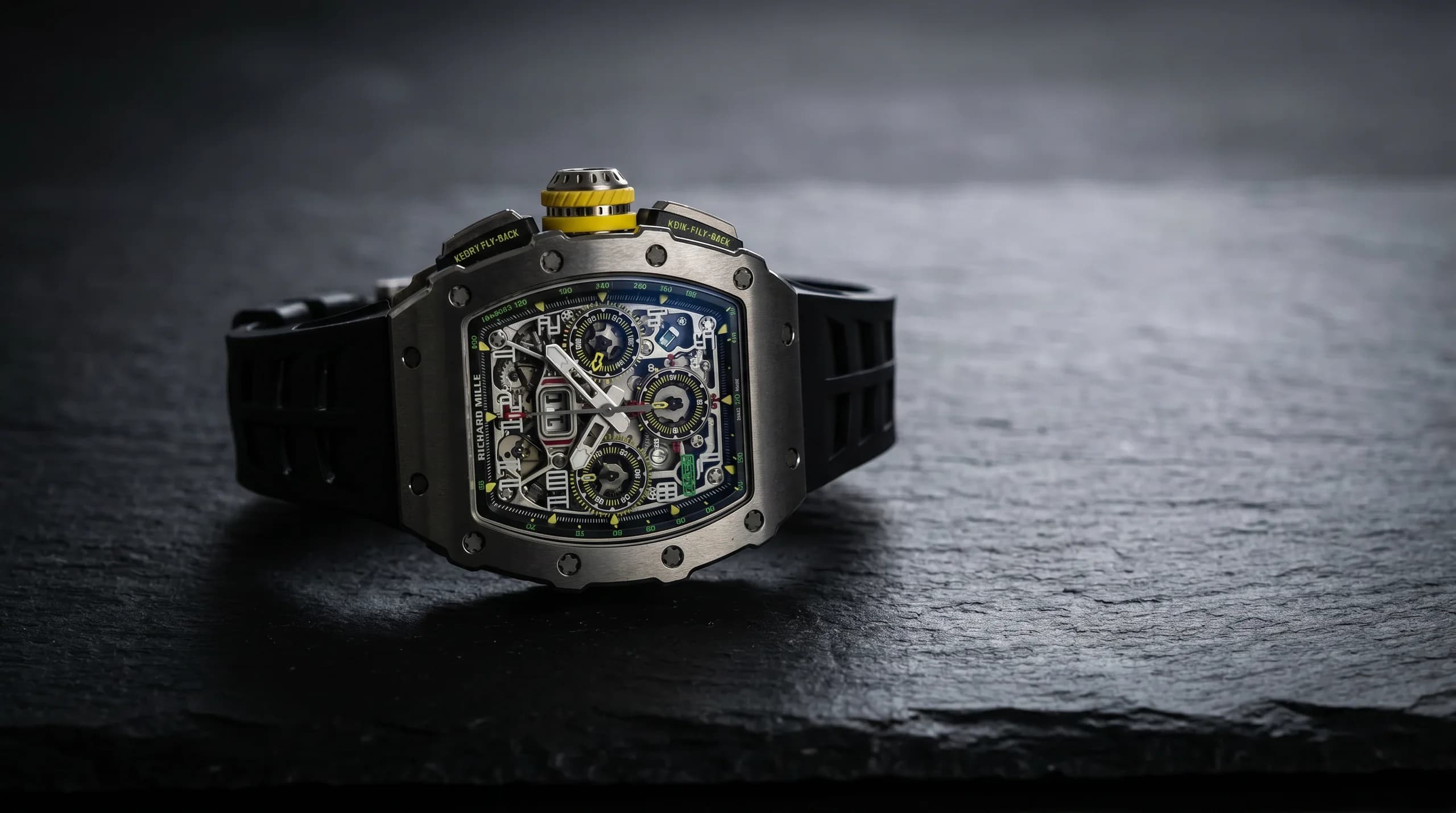
Richard Mille is the most polarizing name in modern watchmaking: six figures to start, made of materials borrowed from Formula 1, and worn by athletes mid-competition. A working dealer's read on what you are actually paying for, the current prices, why most references hold or exceed retail, and how to buy one pre-owned without getting burned.

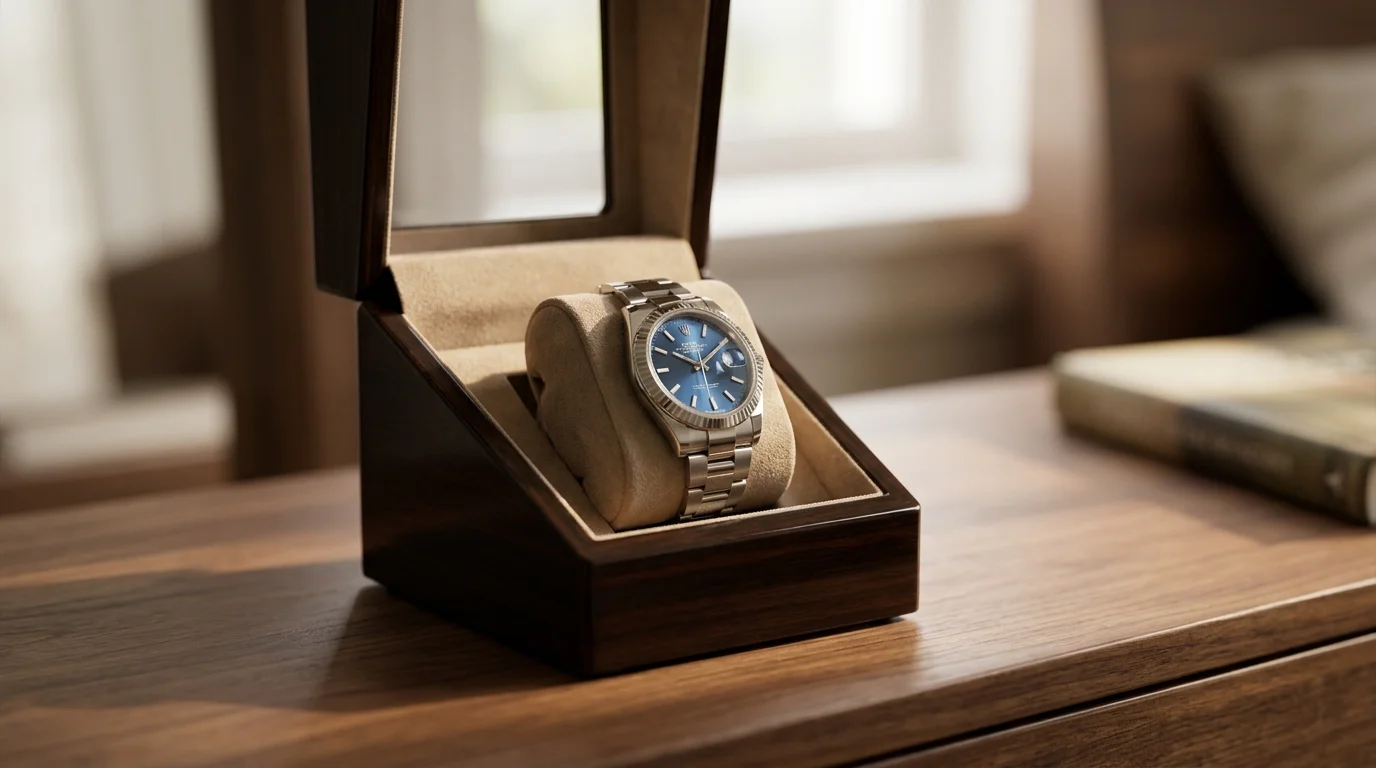
A watch winder looks essential and is usually optional. A working dealer's read on what a winder actually does, who genuinely needs one, why you cannot overwind a modern automatic, the safe TPD and direction settings, and how much to spend before it is just expensive desk furniture.

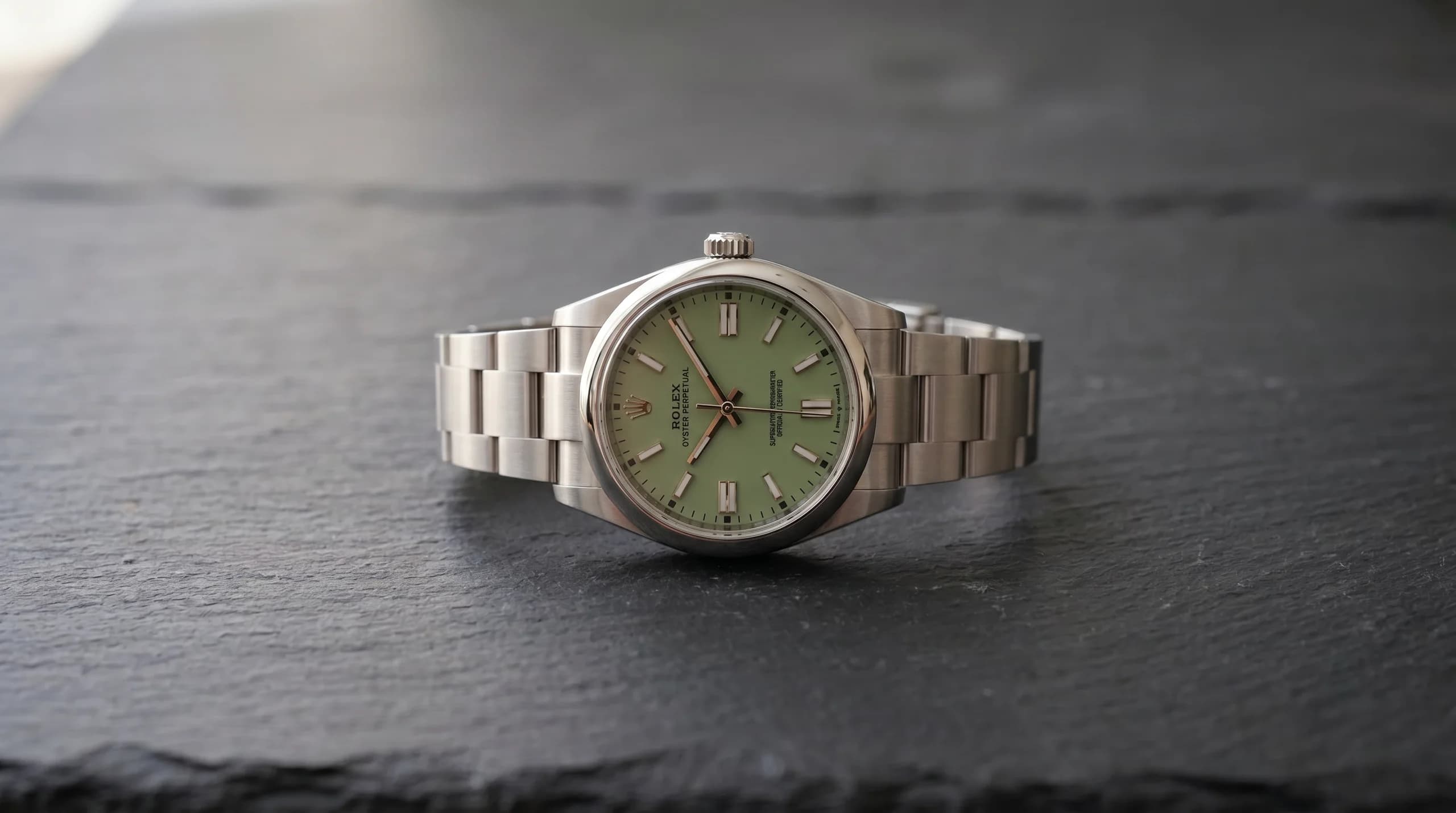
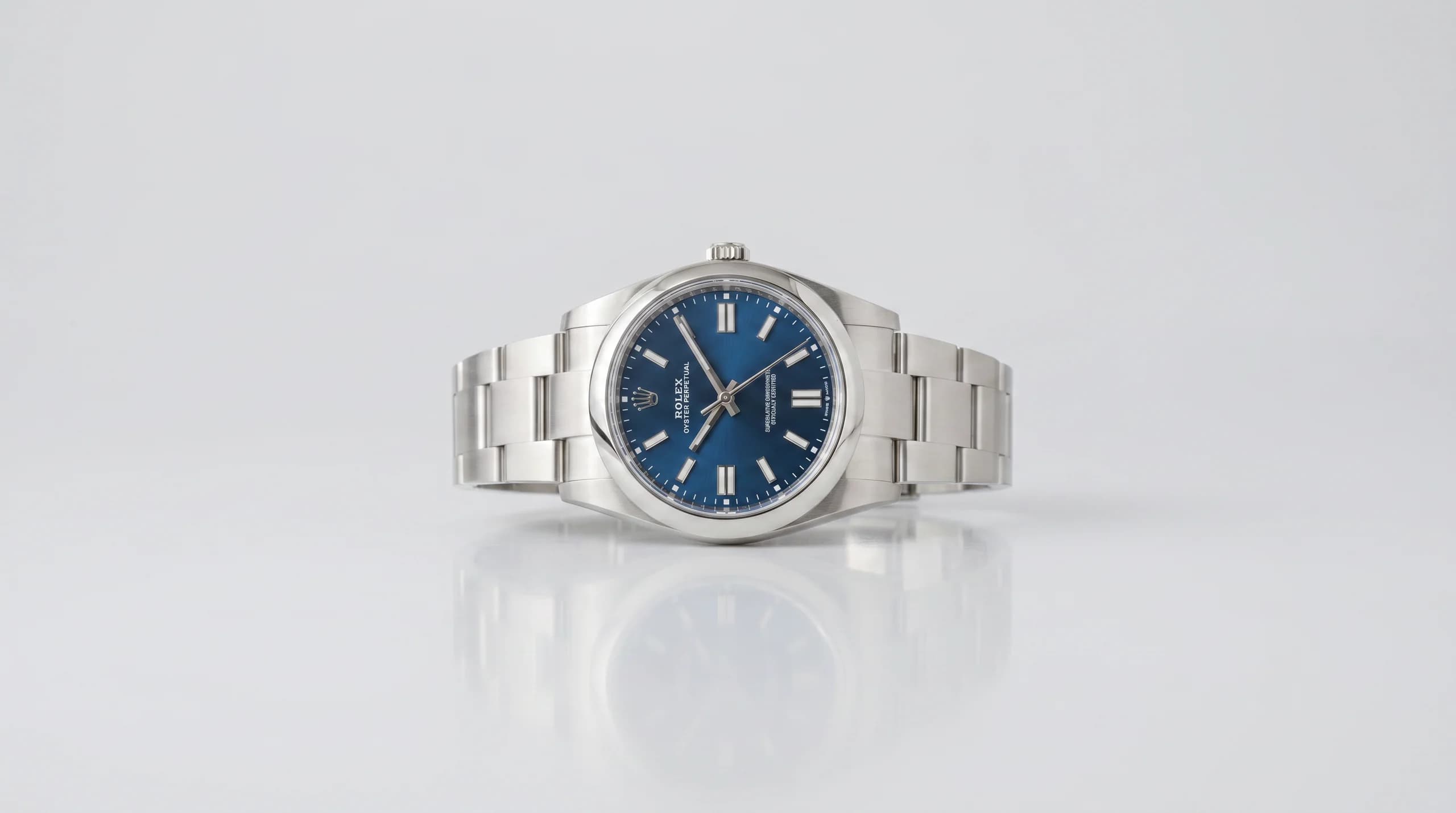
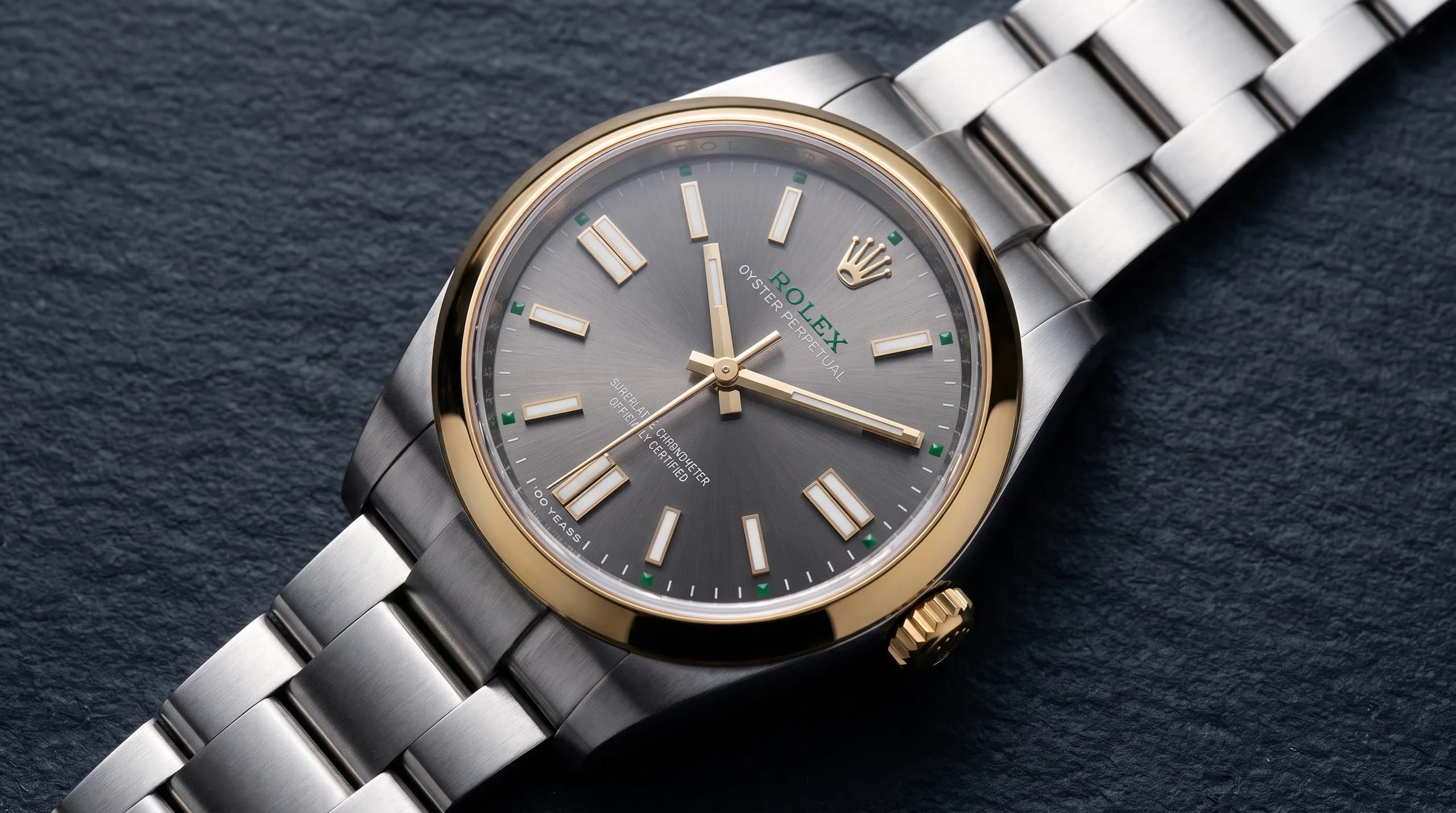
The Oyster Perpetual is the Rolex most buyers skip on the way to a Submariner or Datejust. A working dealer's read on why it is the sleeper of the lineup: the same Oyster case and Superlative Chronometer movement as watches costing far more, the 2025 refresh of the 41mm, and why a standard-dial example near retail is one of the smartest ways into the crown.

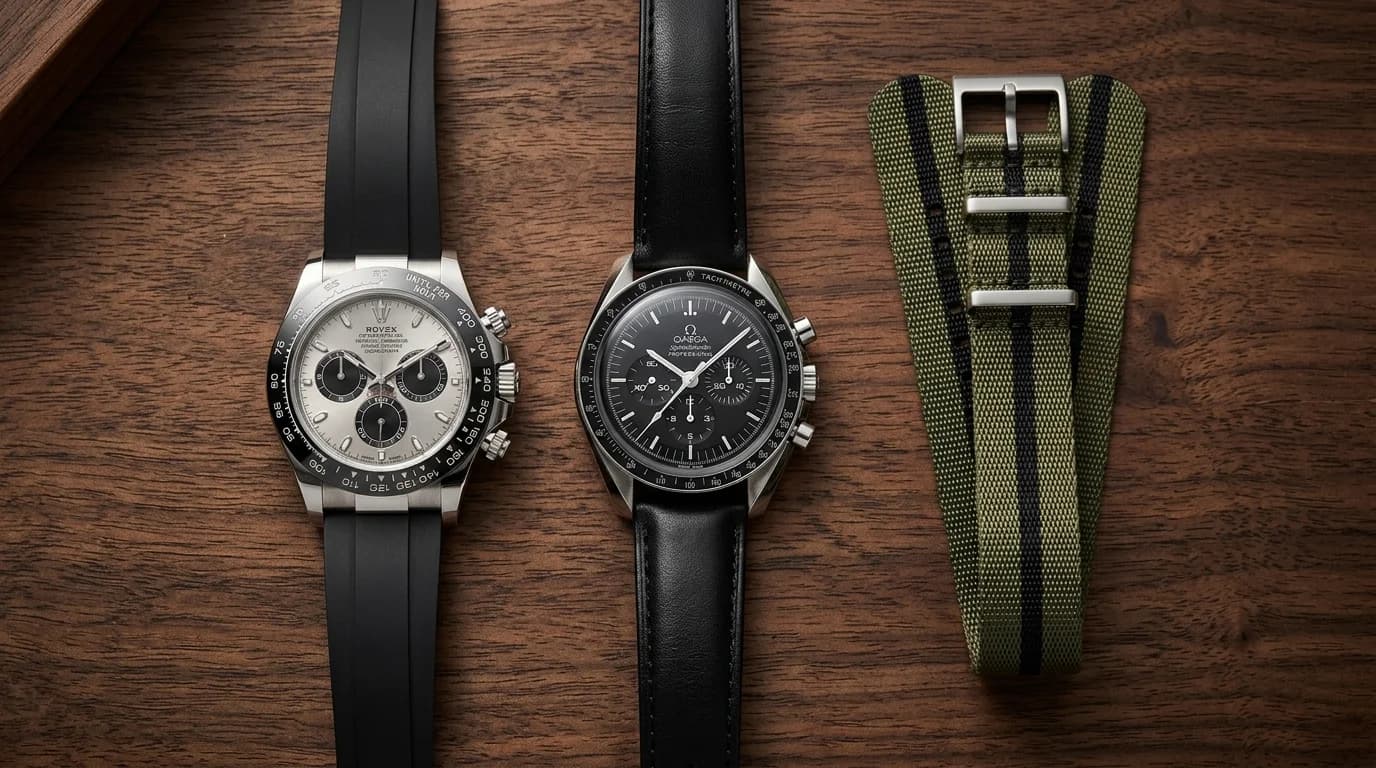
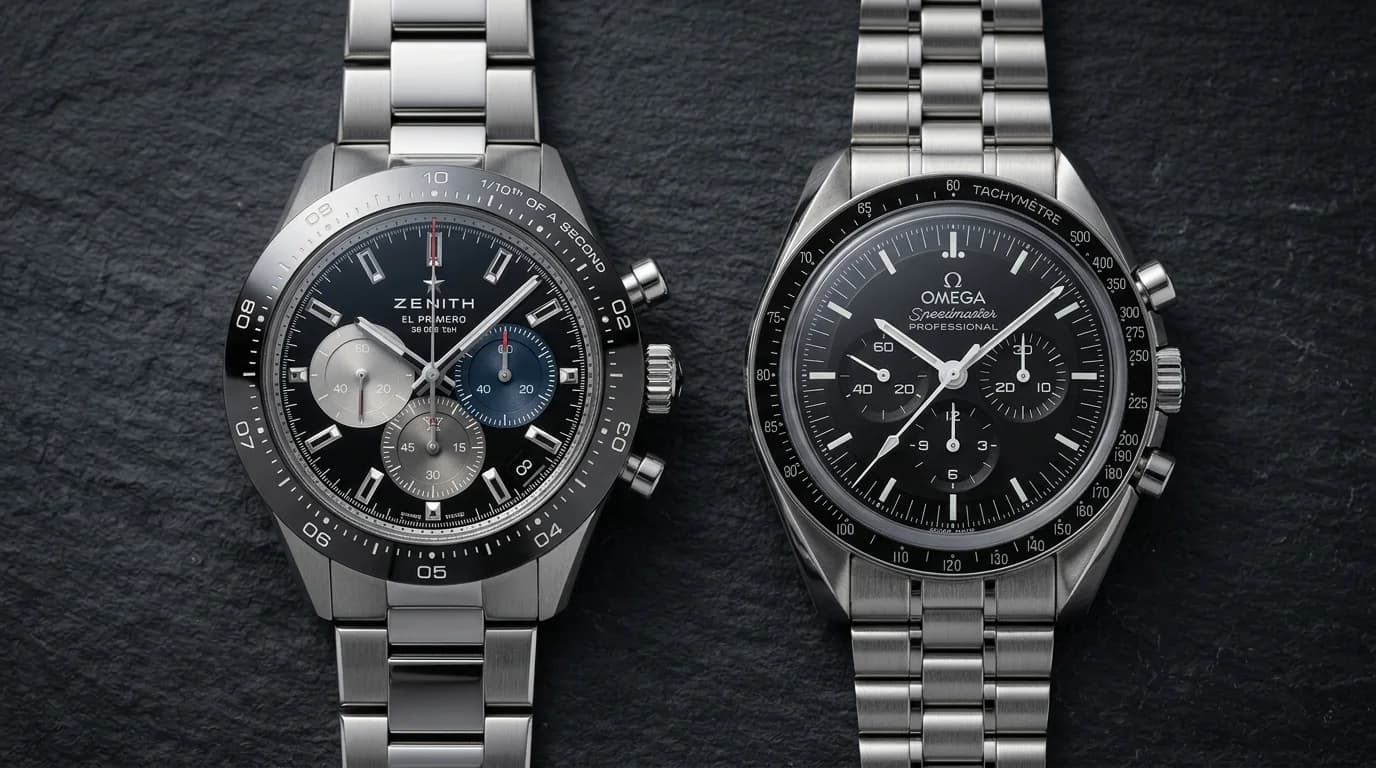
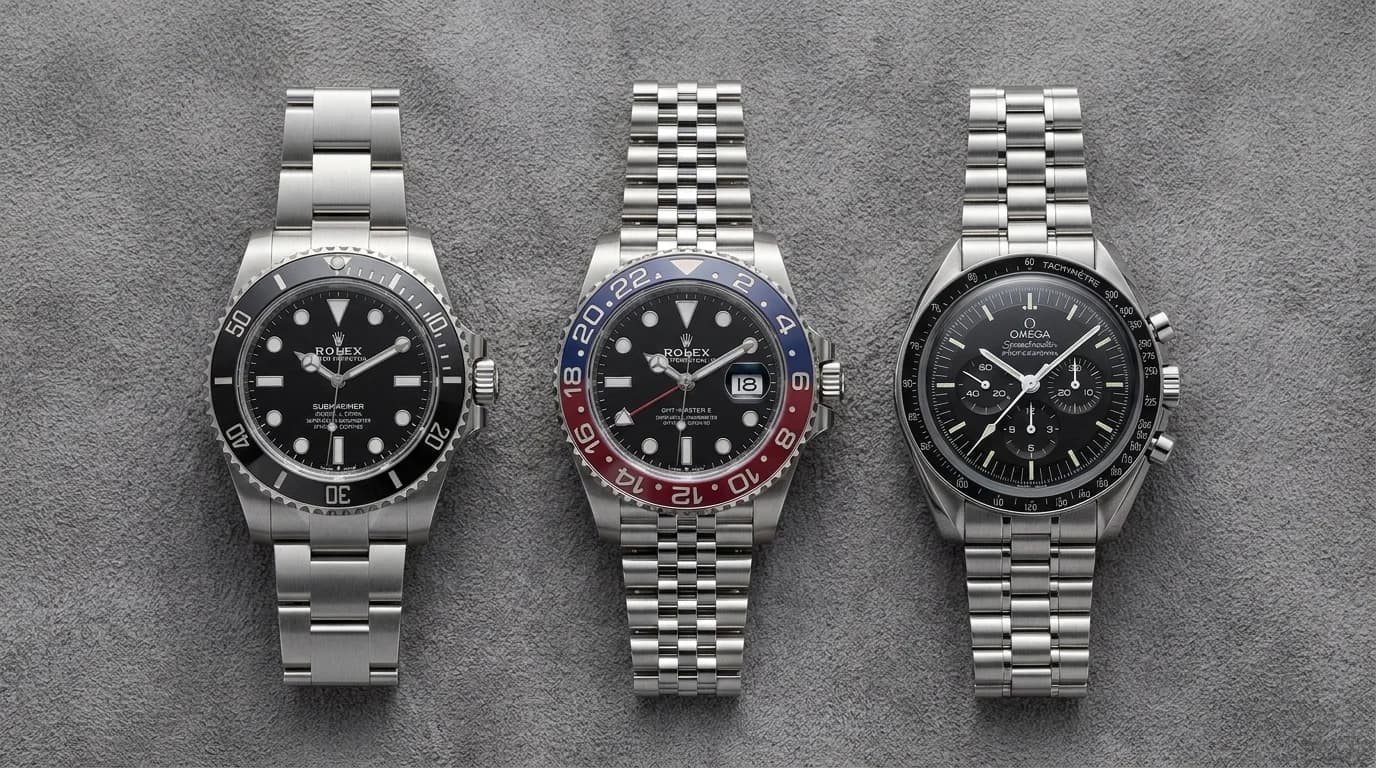
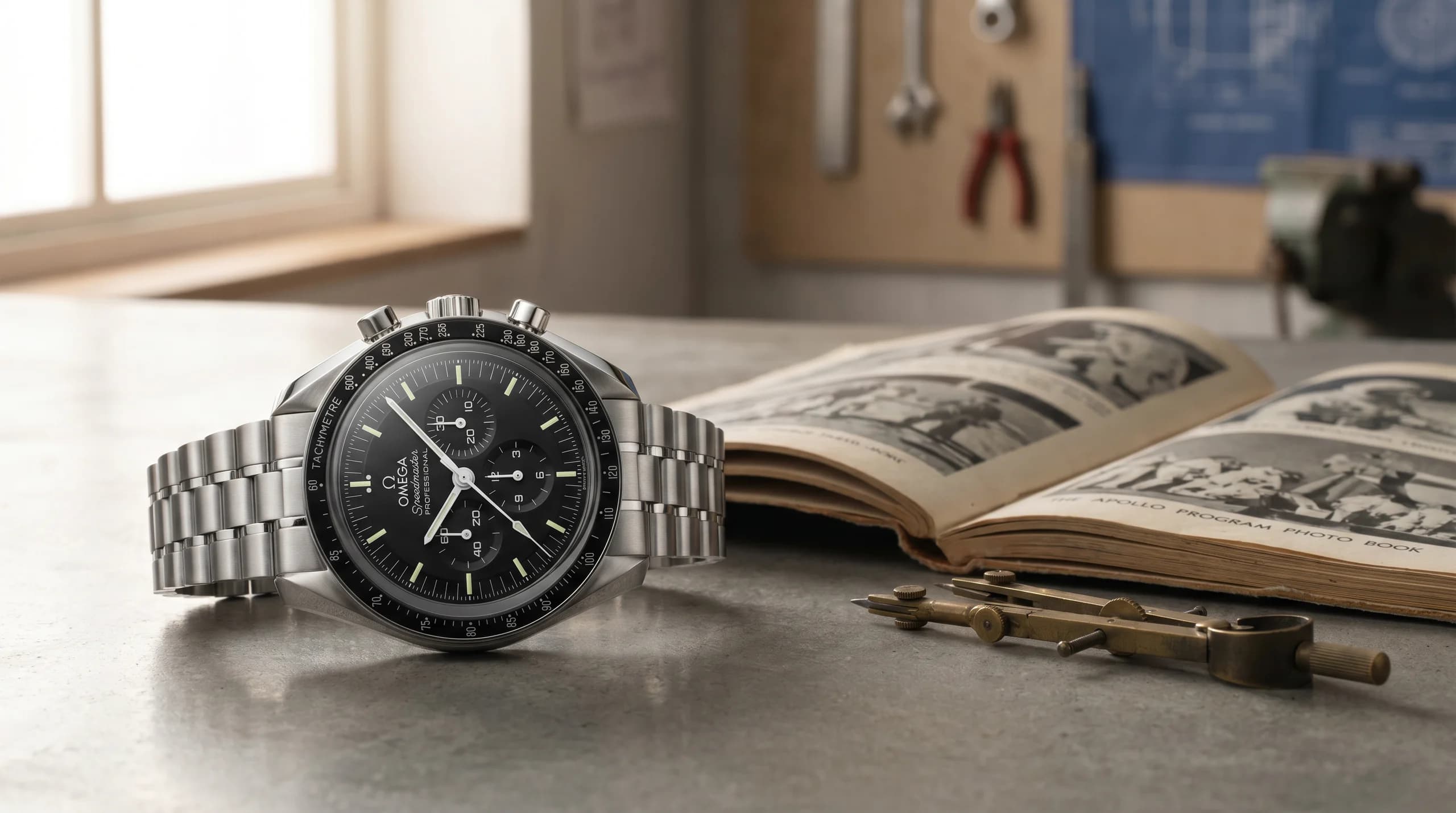
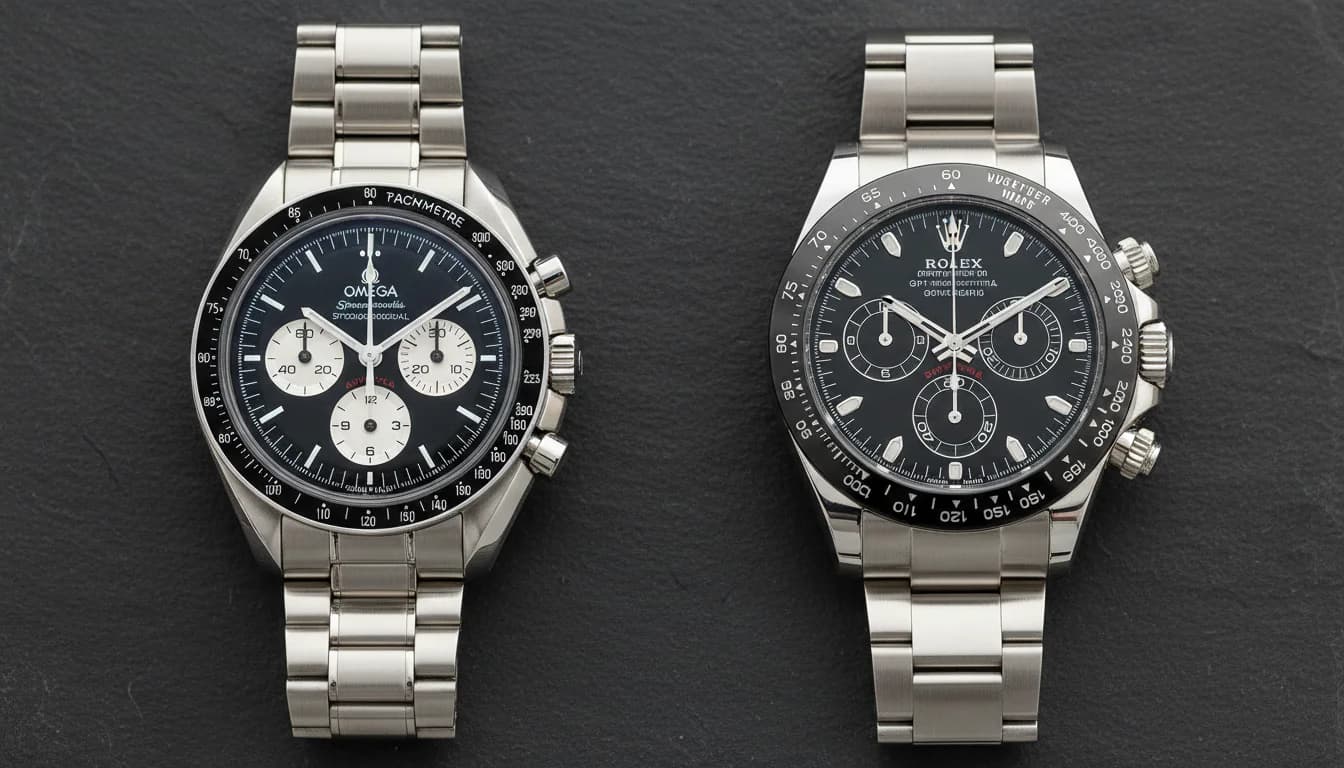
The Omega Speedmaster and Rolex Daytona look like rival chronographs until you try to buy one. A working dealer's read on the two icons: the manual 3861 vs automatic 4131 movements, the head-to-head specs, and the enormous price-and-availability gap that makes the Speedmaster a buyable legend and the Daytona a multi-year hunt at double retail.

The moonphase is the least practical complication in watchmaking and one of the most loved. A working dealer's plain-English explainer: how the two-moon disc and 59-tooth gear work, why astronomical versions stay accurate for 122 years, the complication's history, and what to know before buying one.

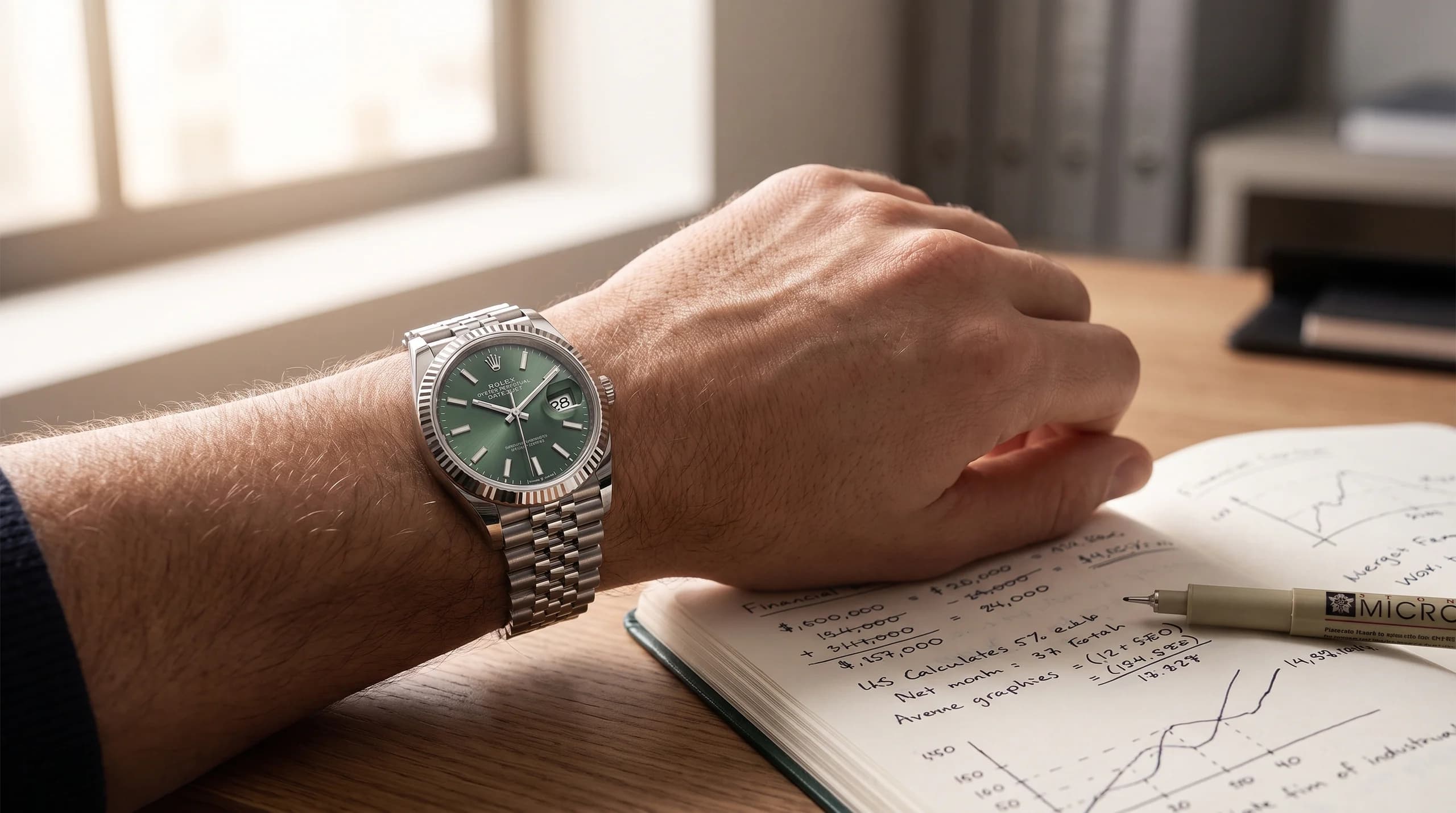
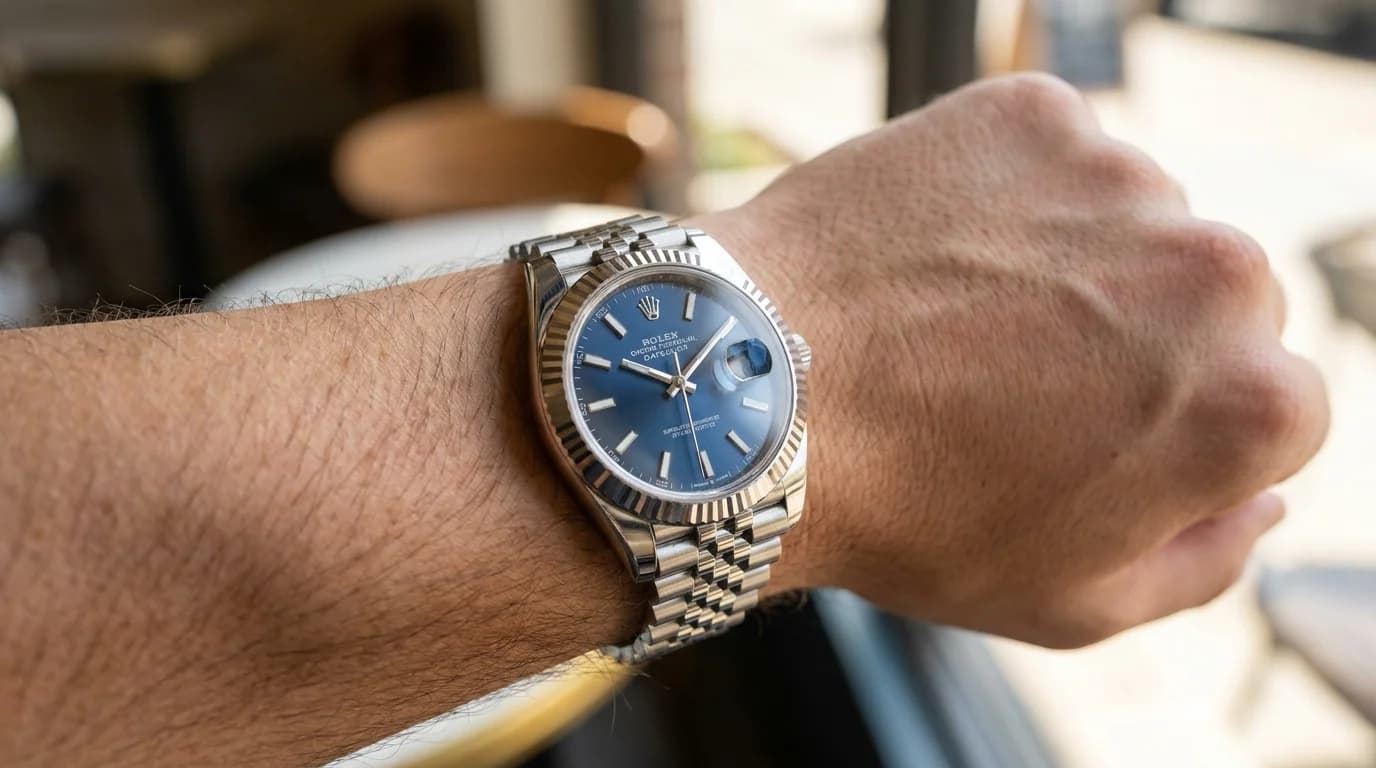
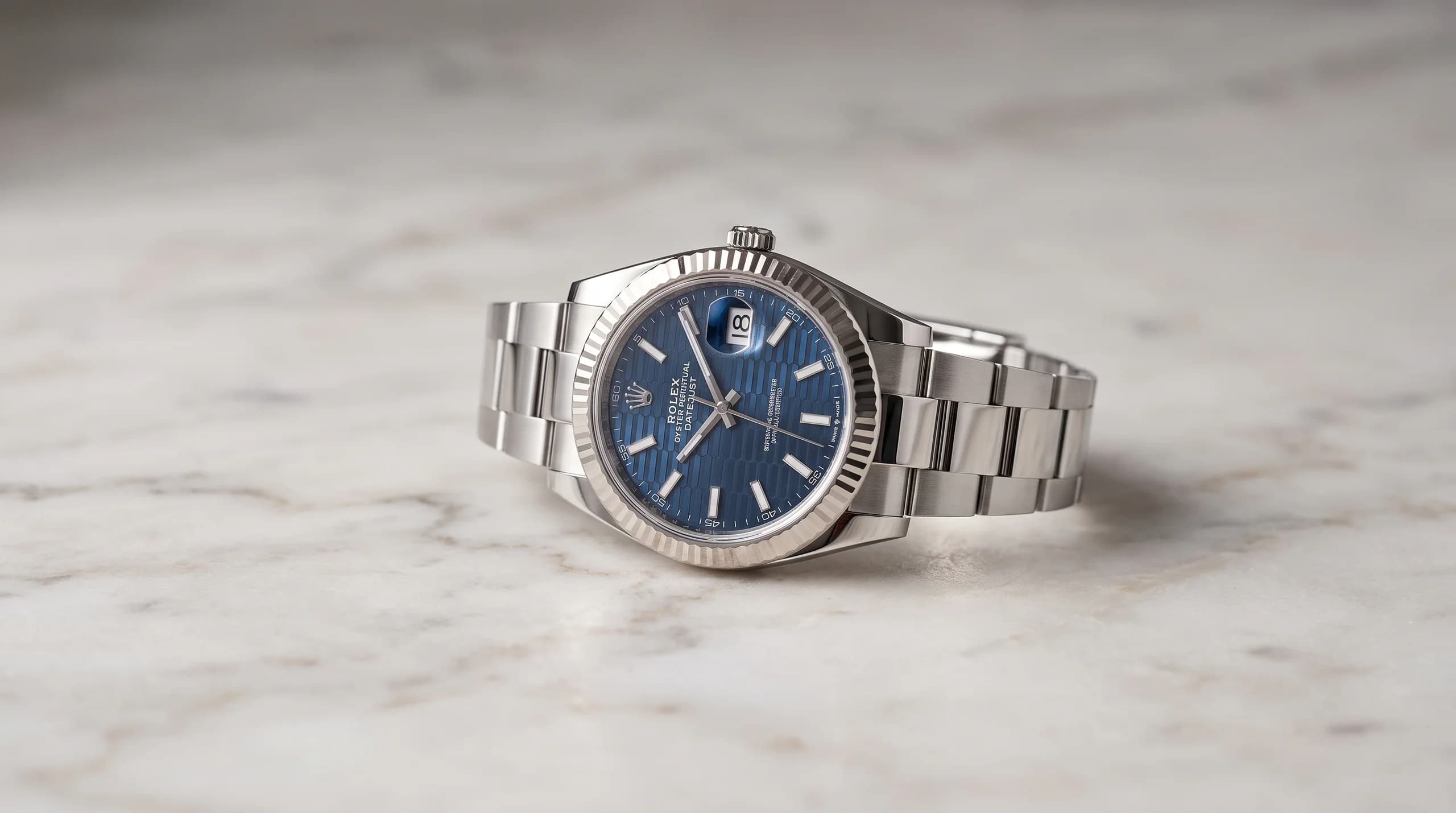
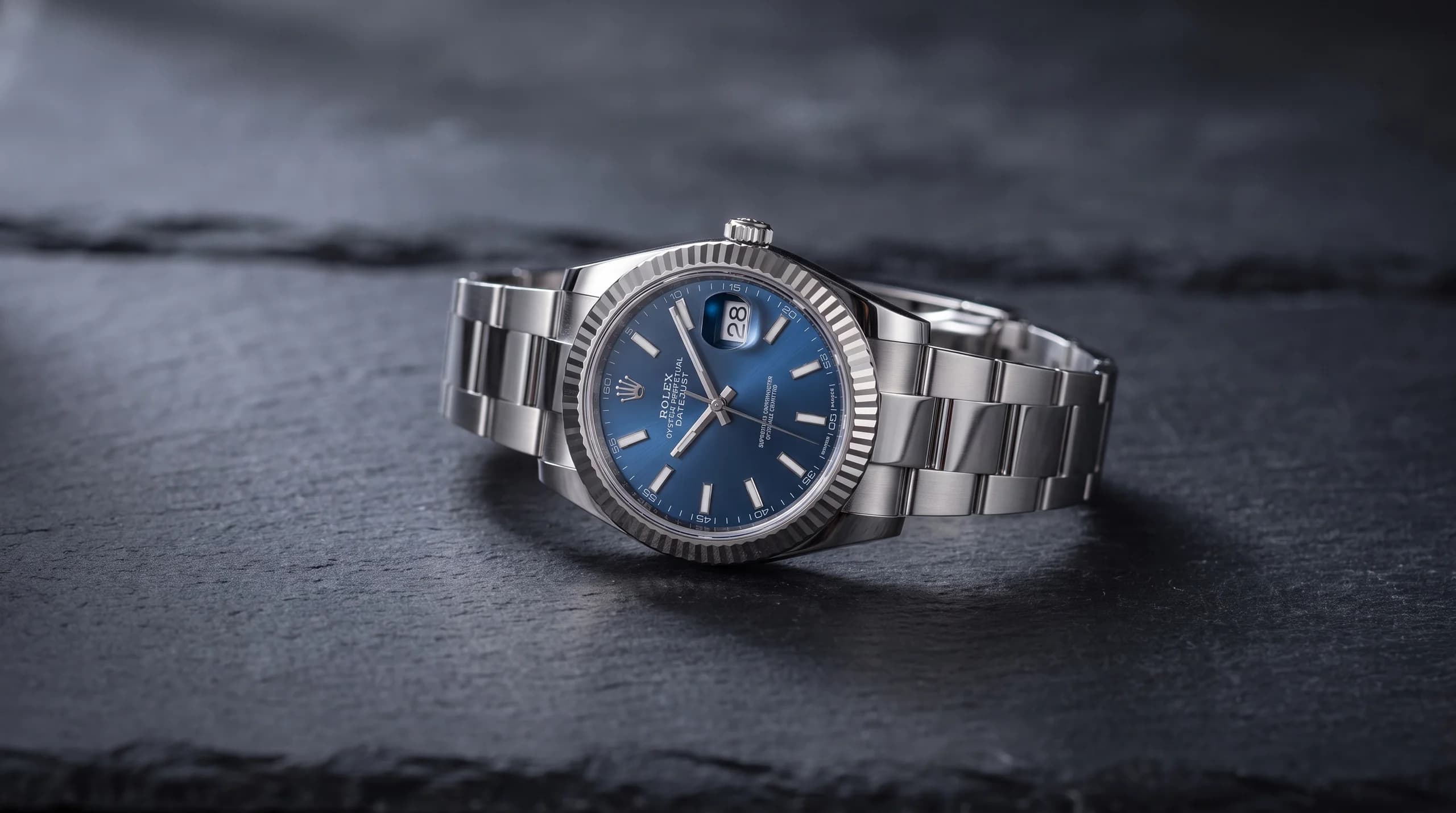
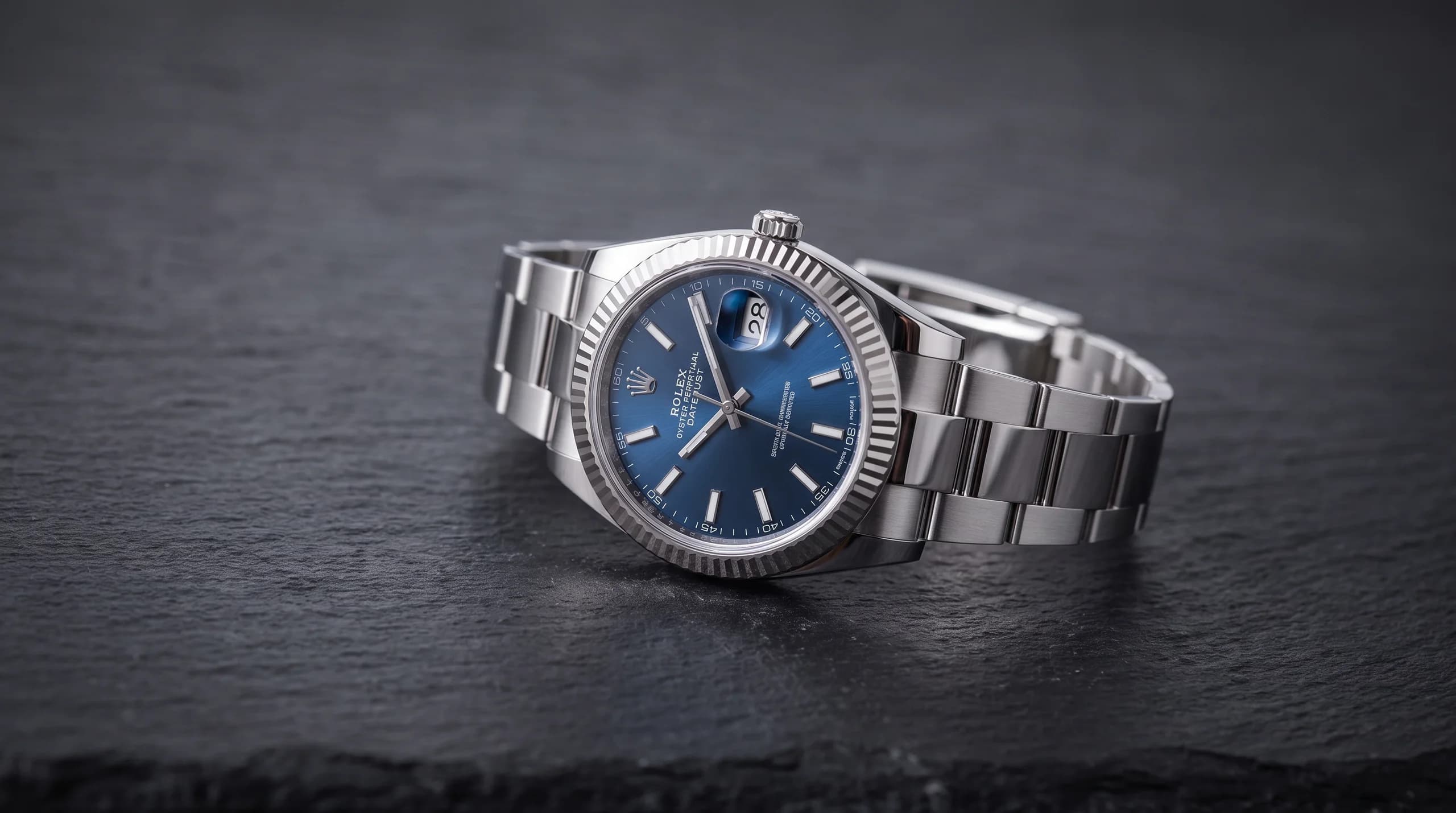
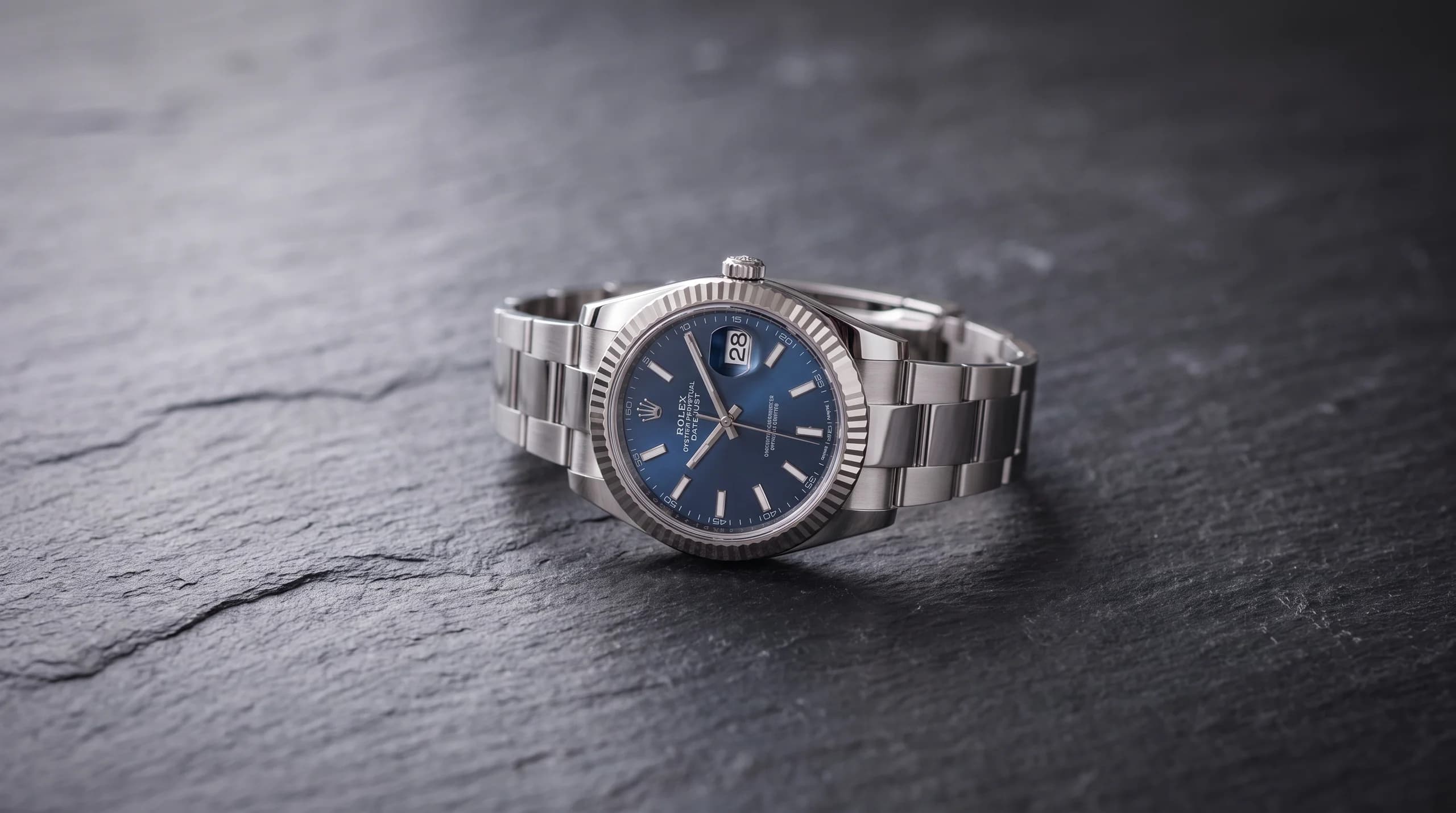
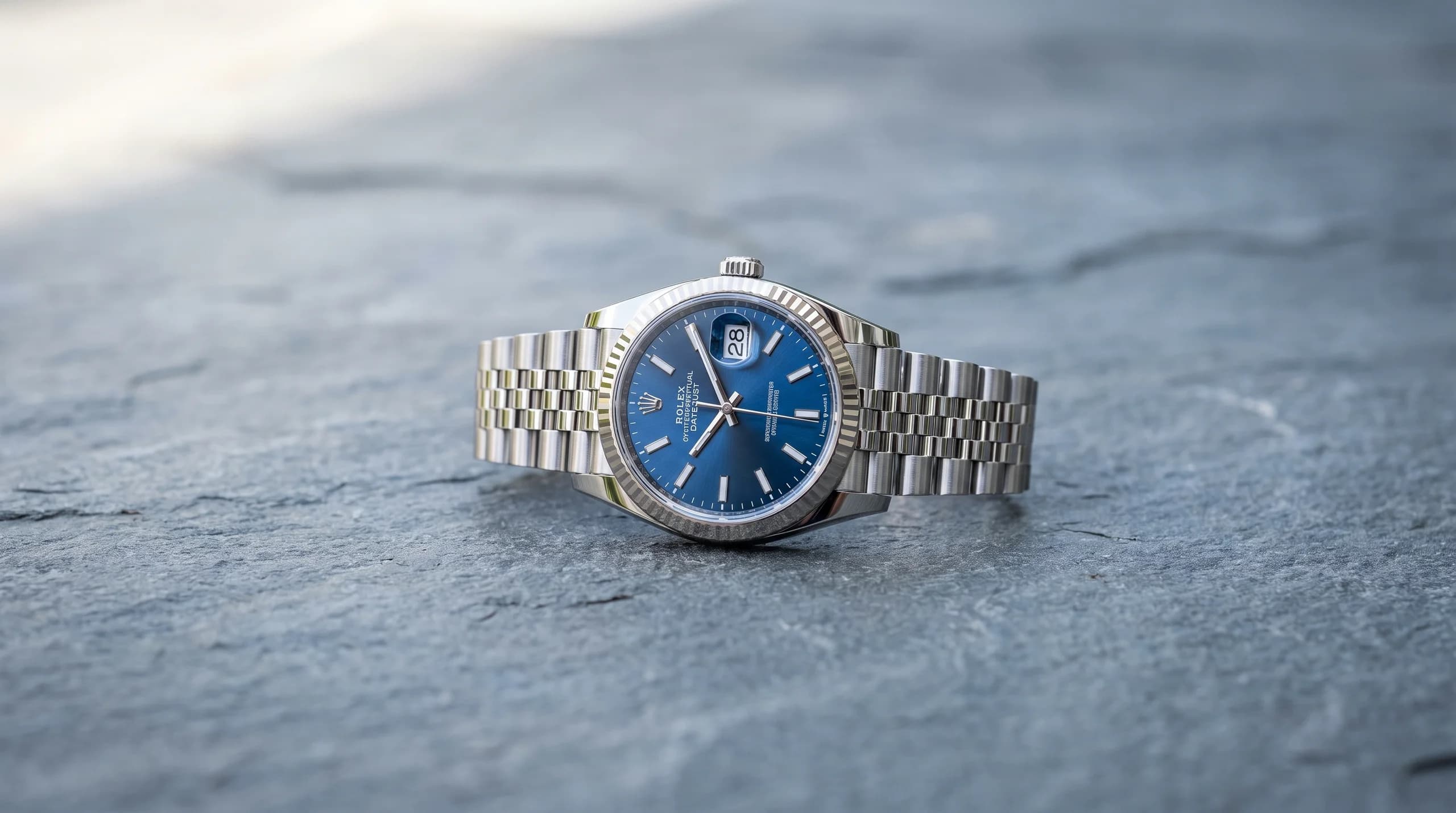
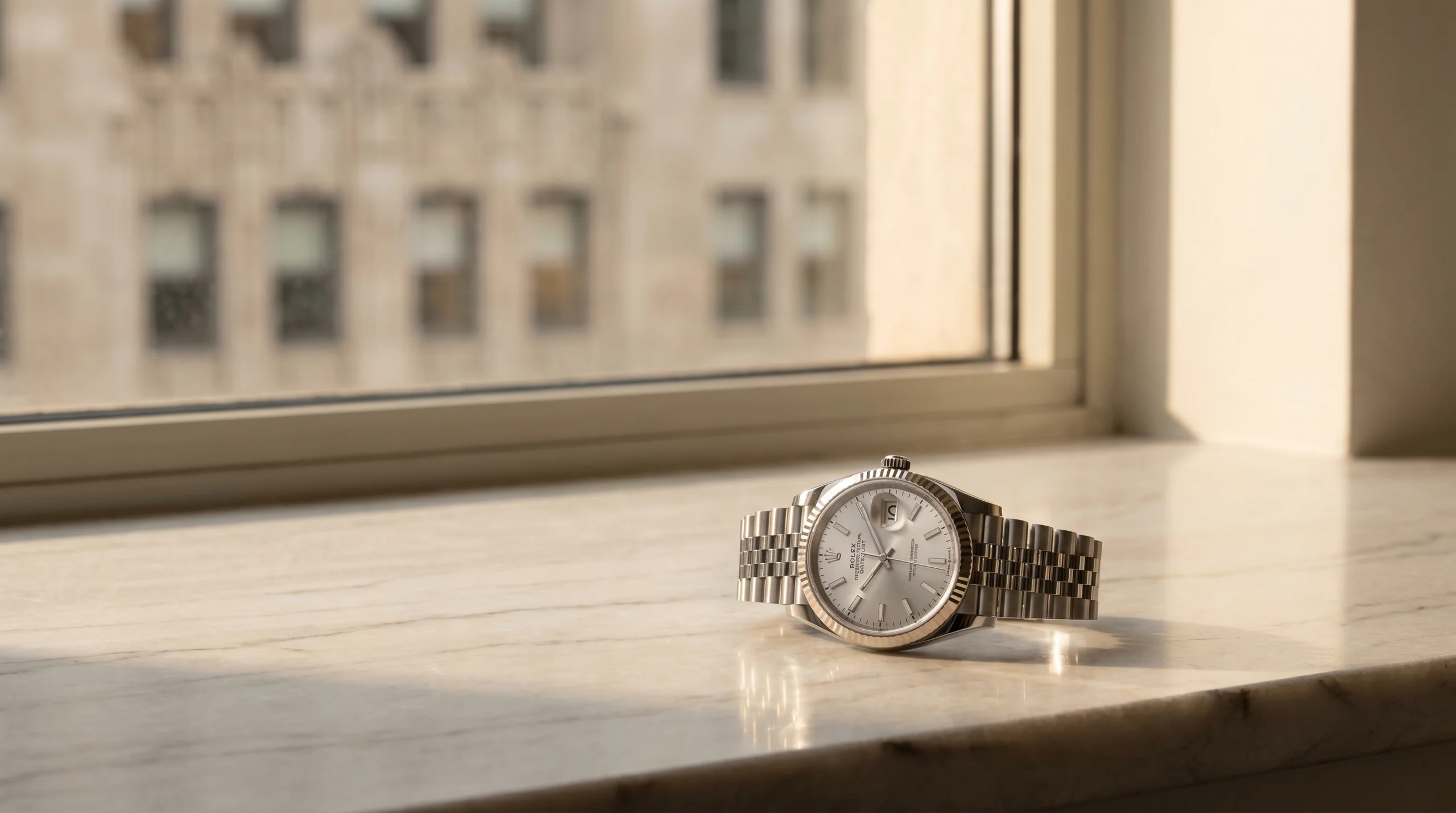
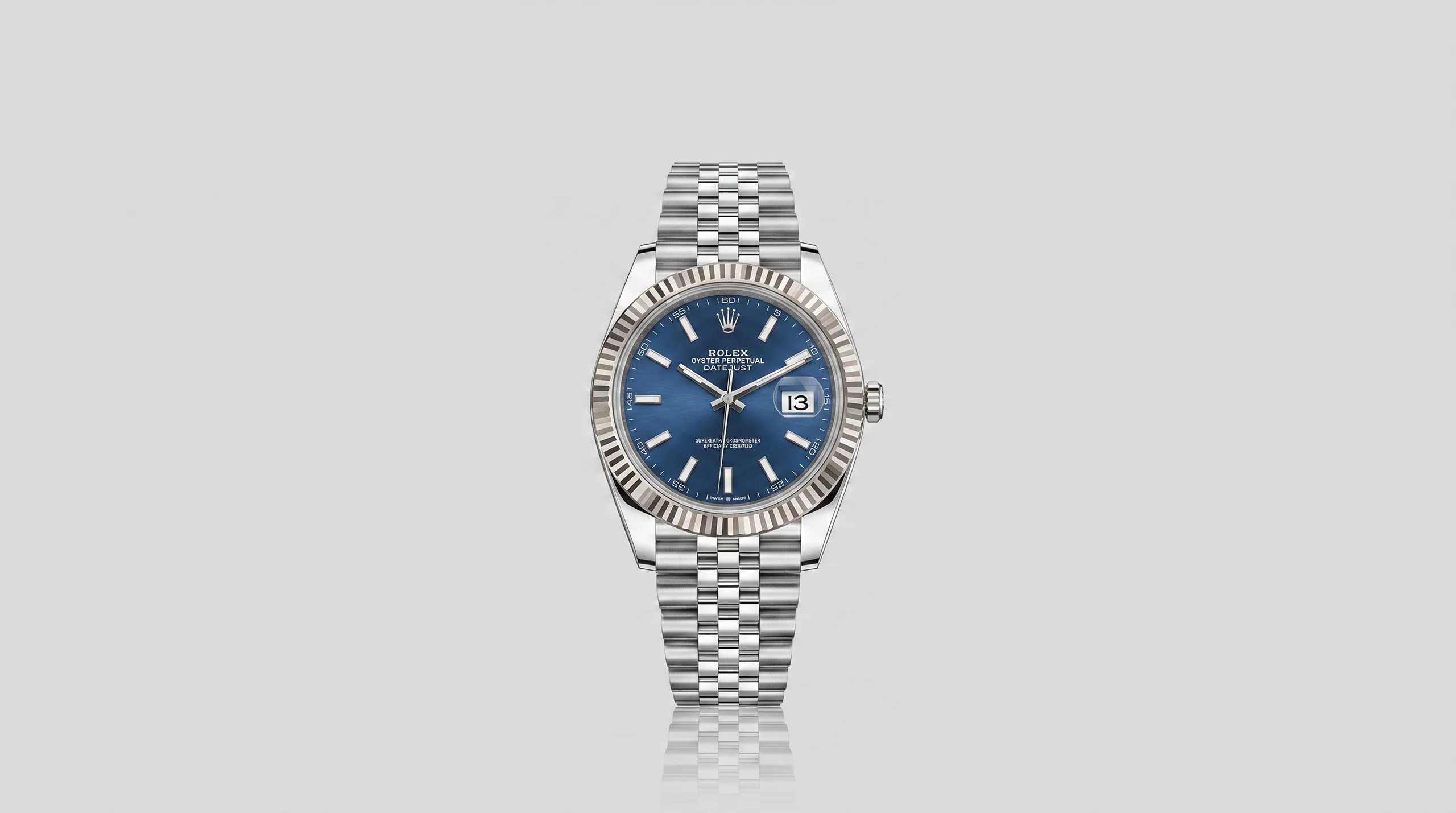
The Rolex Datejust is the definitive everyday luxury watch, and buying one well means navigating sizes, bezels, bracelets, and dials without overpaying. A working dealer's complete guide: 36mm vs 41mm, the current steel references and 2026 prices, the dials worth chasing, and what to inspect before you buy.

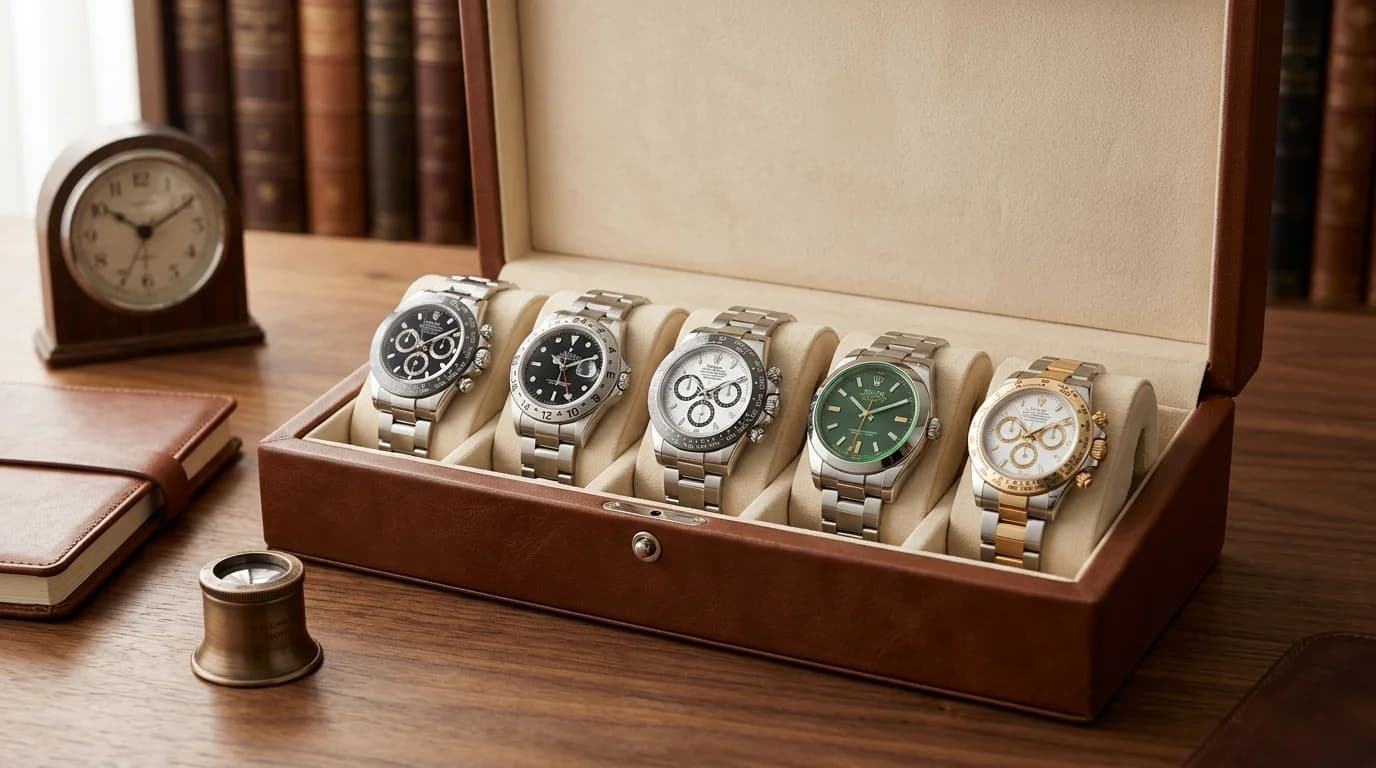
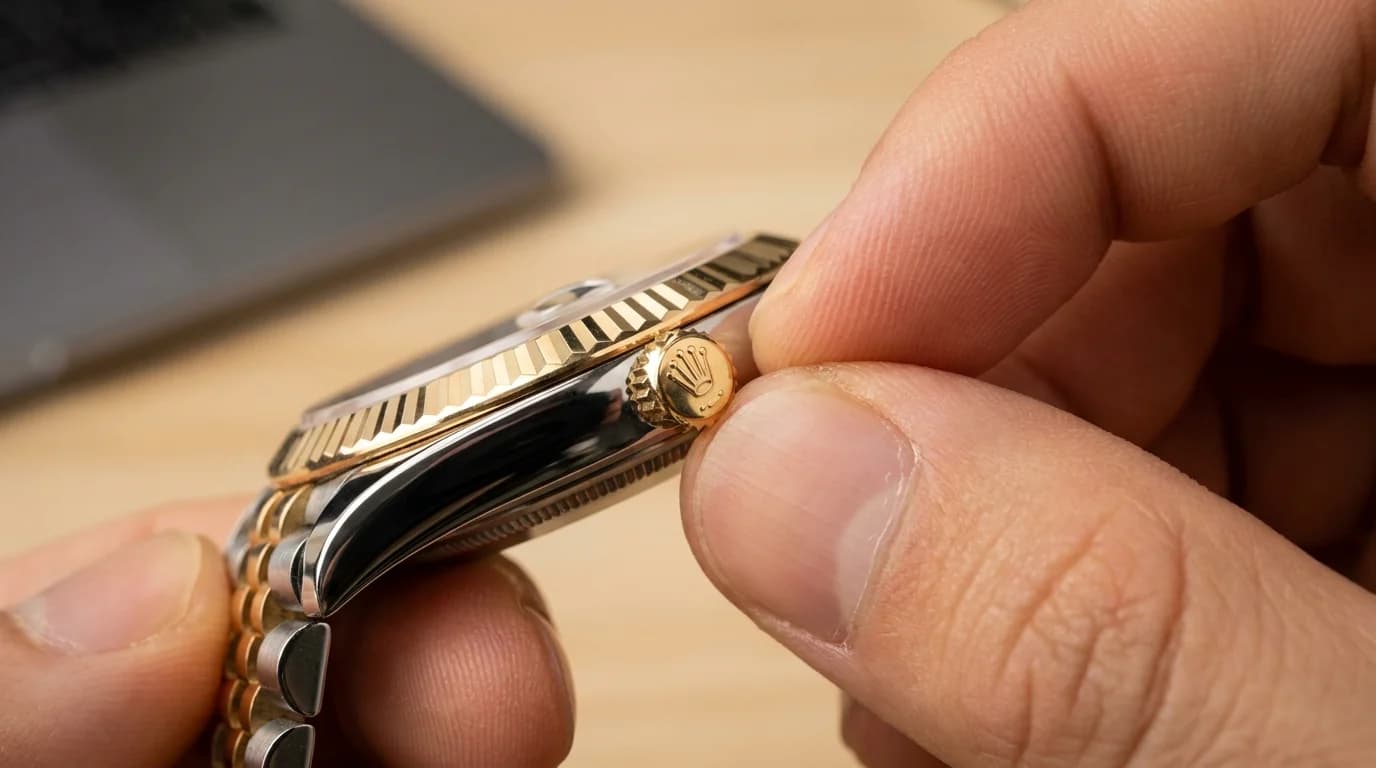
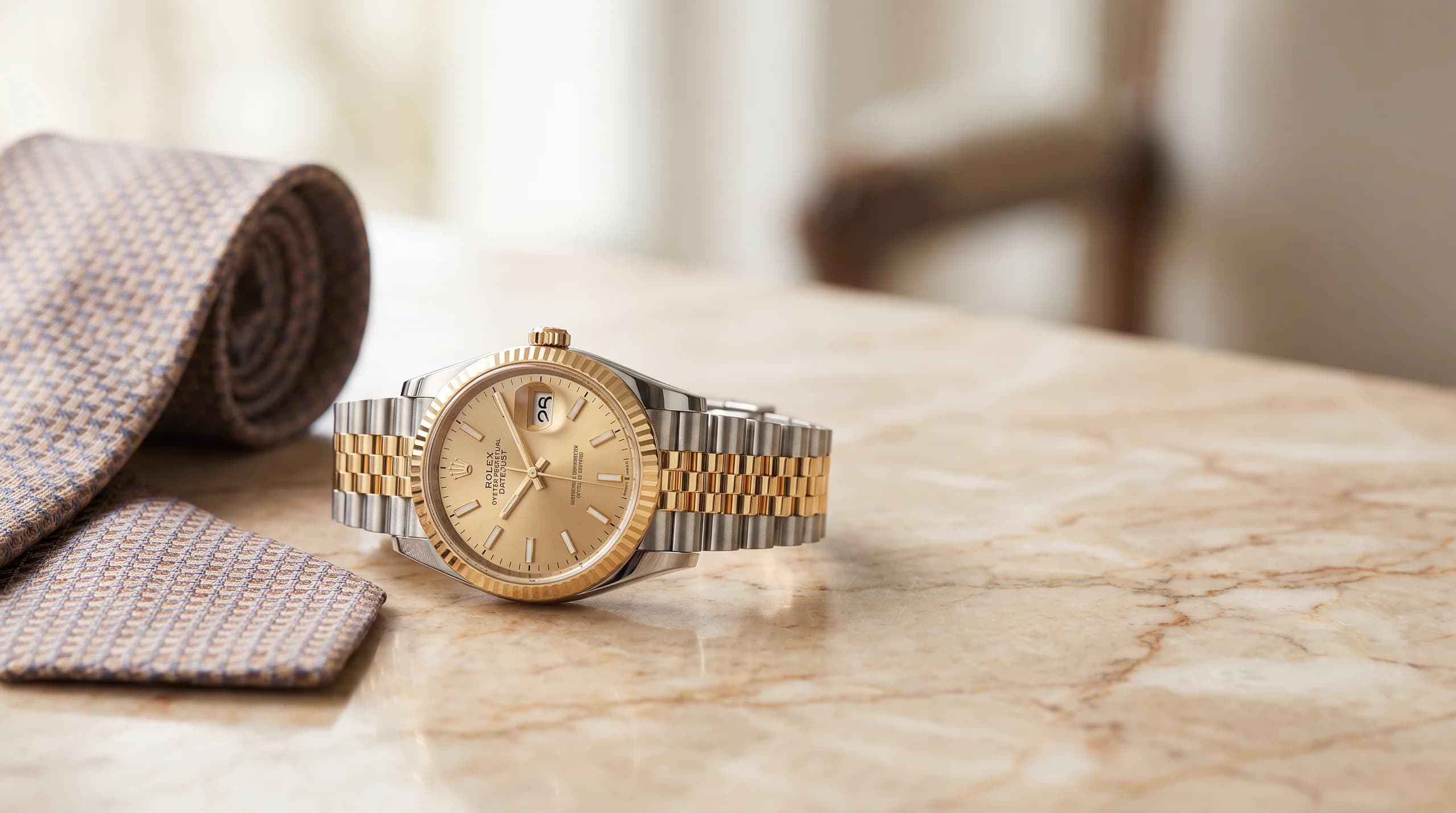
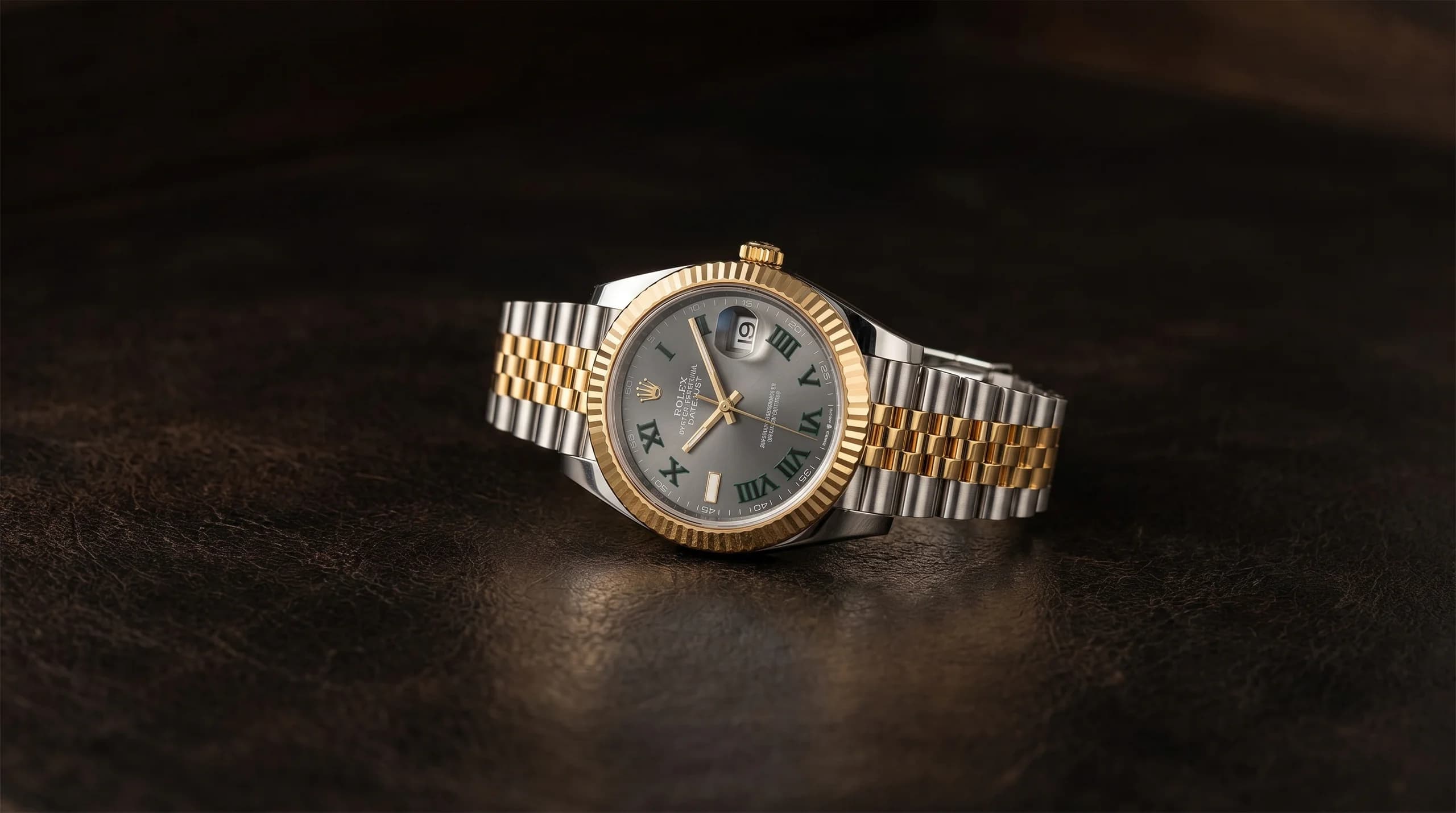
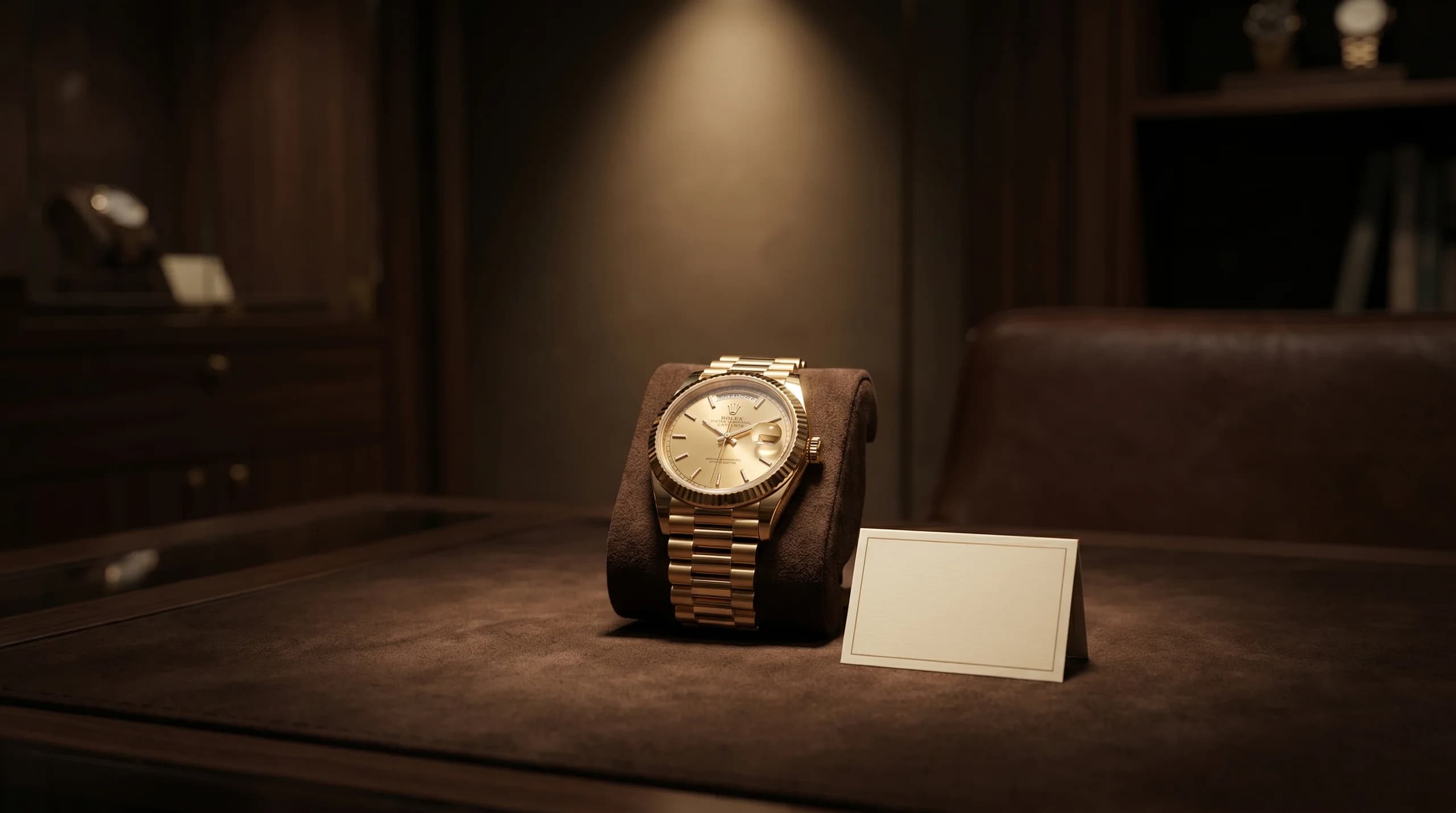
While Swiss watch exports stayed flat in May 2026, gold-steel two-tone watches surged 34% in value, the single strongest-growing segment, as solid gold and steel both fell. A working dealer's read on why two-tone is back, what the export data signals, and why a pre-owned two-tone Datejust is the smart-money play.

Buying your first luxury watch is exciting and easy to get wrong. A working dealer's plain-English guide to doing it right: setting a real all-in budget, choosing new versus pre-owned, vetting the seller before the watch, and prioritizing the things you can never change later.

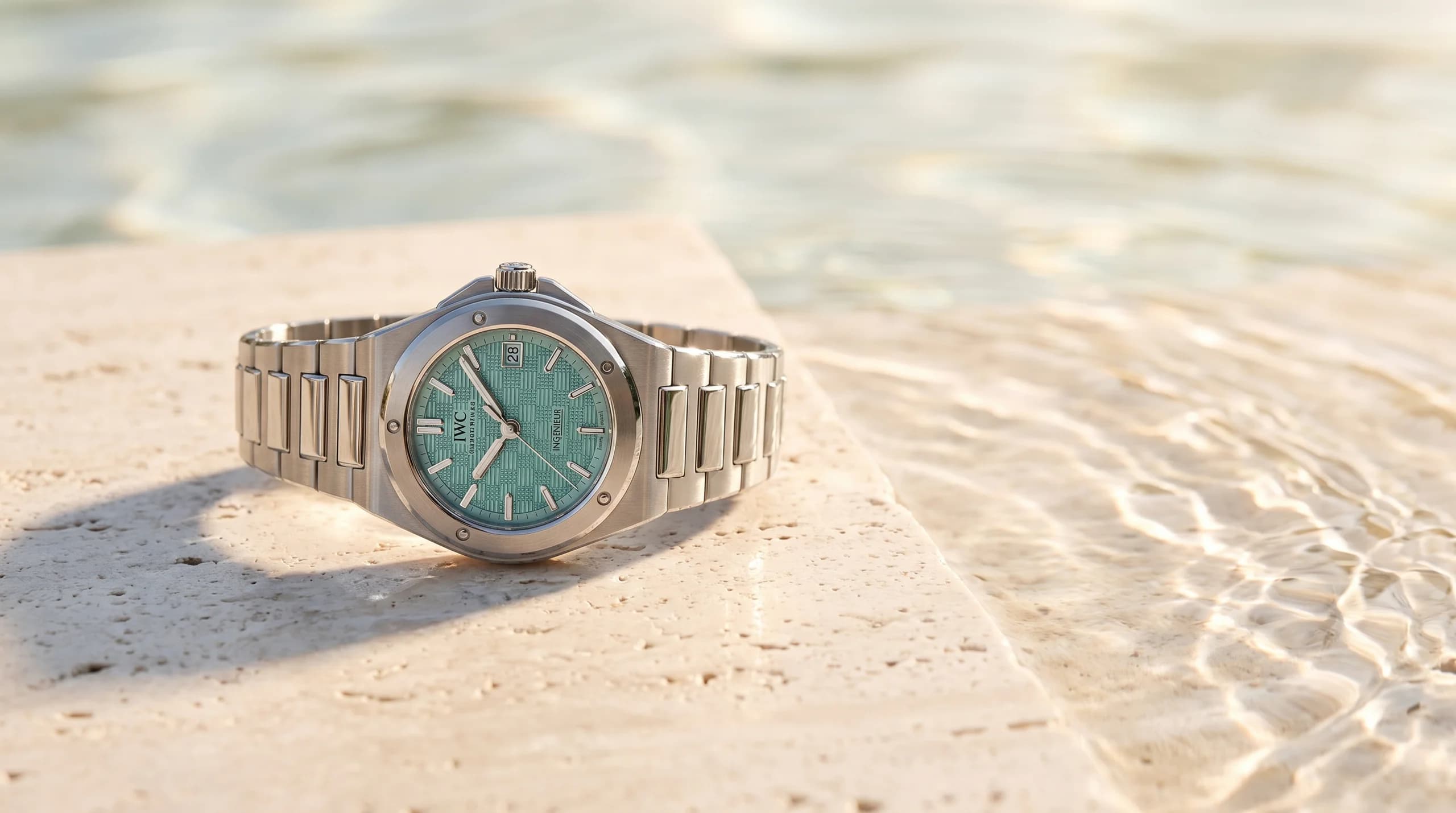
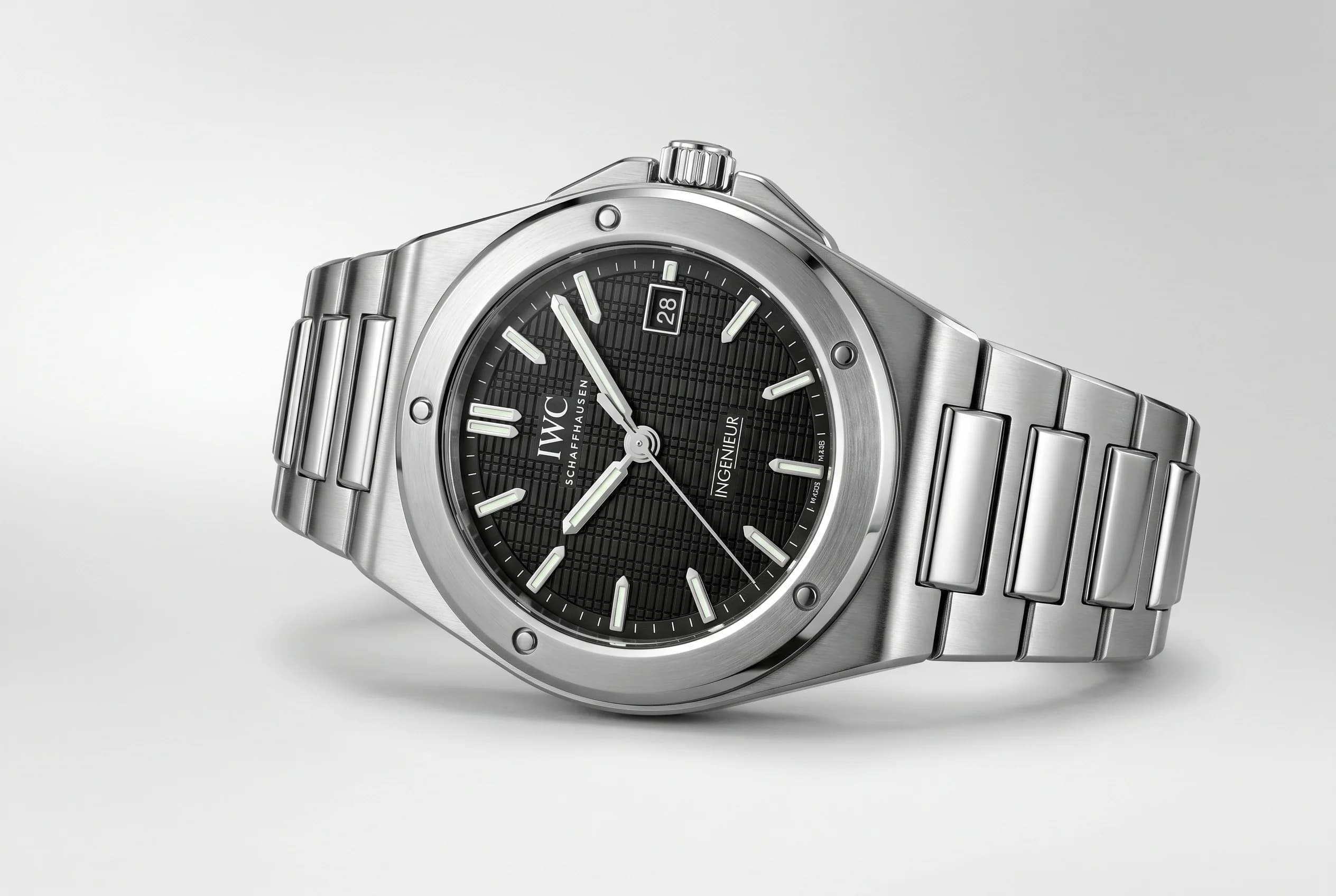
IWC just dropped a turquoise-dial Ingenieur 35 at $11,200, and the comment sections lit up over the price. A working dealer's read on the Genta design you are paying for, the spec-sheet gap against IWC's own Pilot line, why boutiques discount these, and what it means pre-owned.

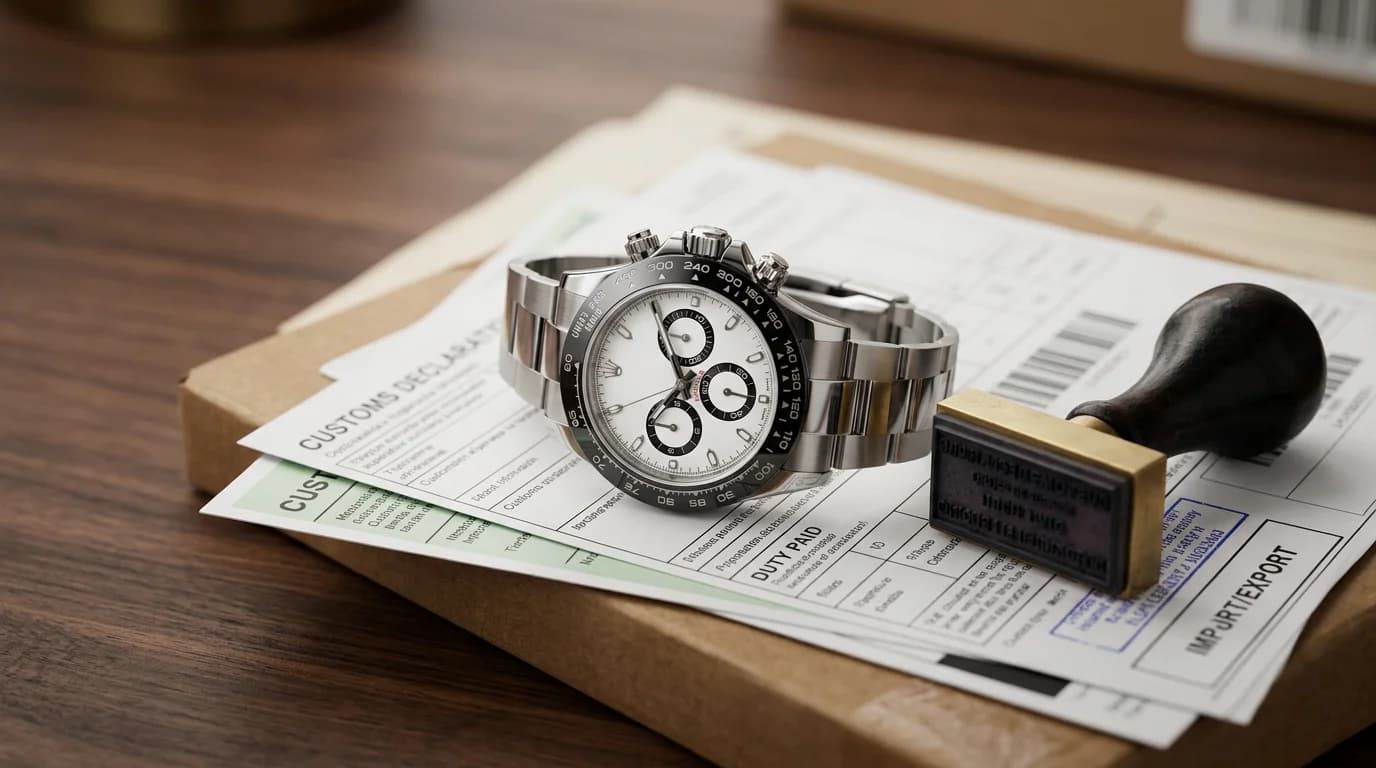
A 10% tariff on Swiss watches entering the United States expires July 24, 2026, and the President cannot extend it. A working dealer's read on the cliff, the Section 301 replacement waiting behind it, what it does to retail prices, and why a watch already sitting in the U.S. sits outside the import math.

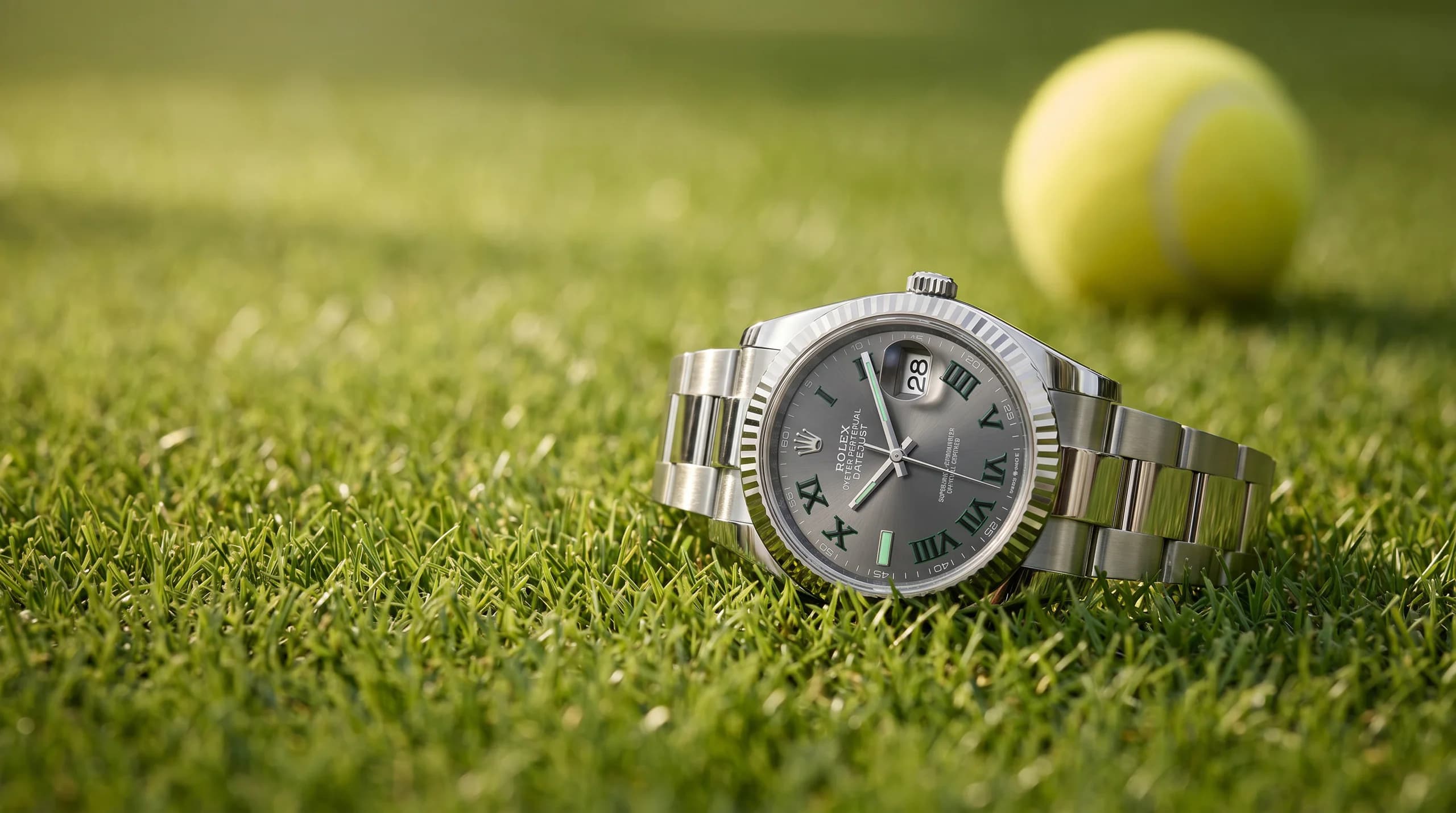
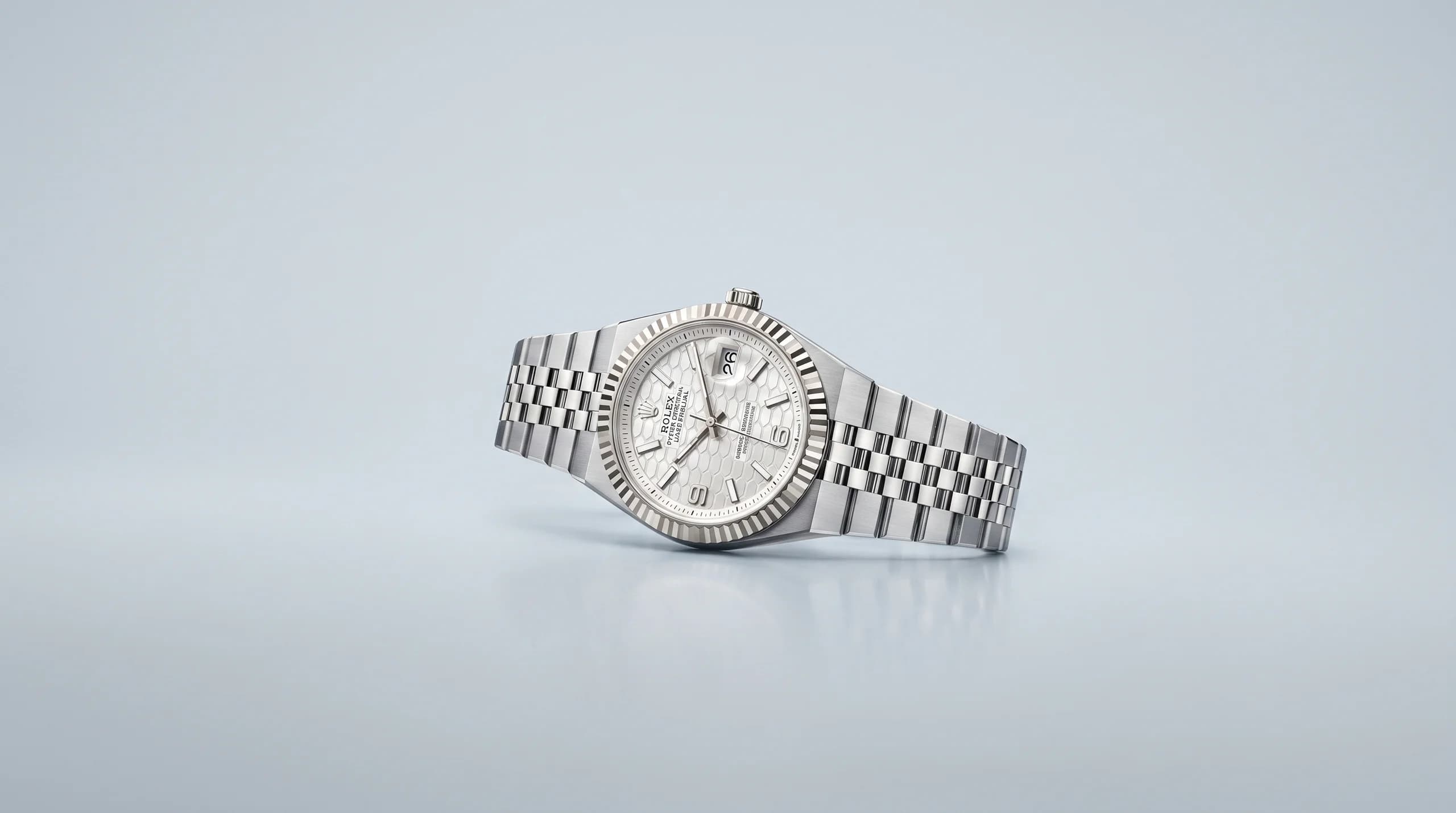
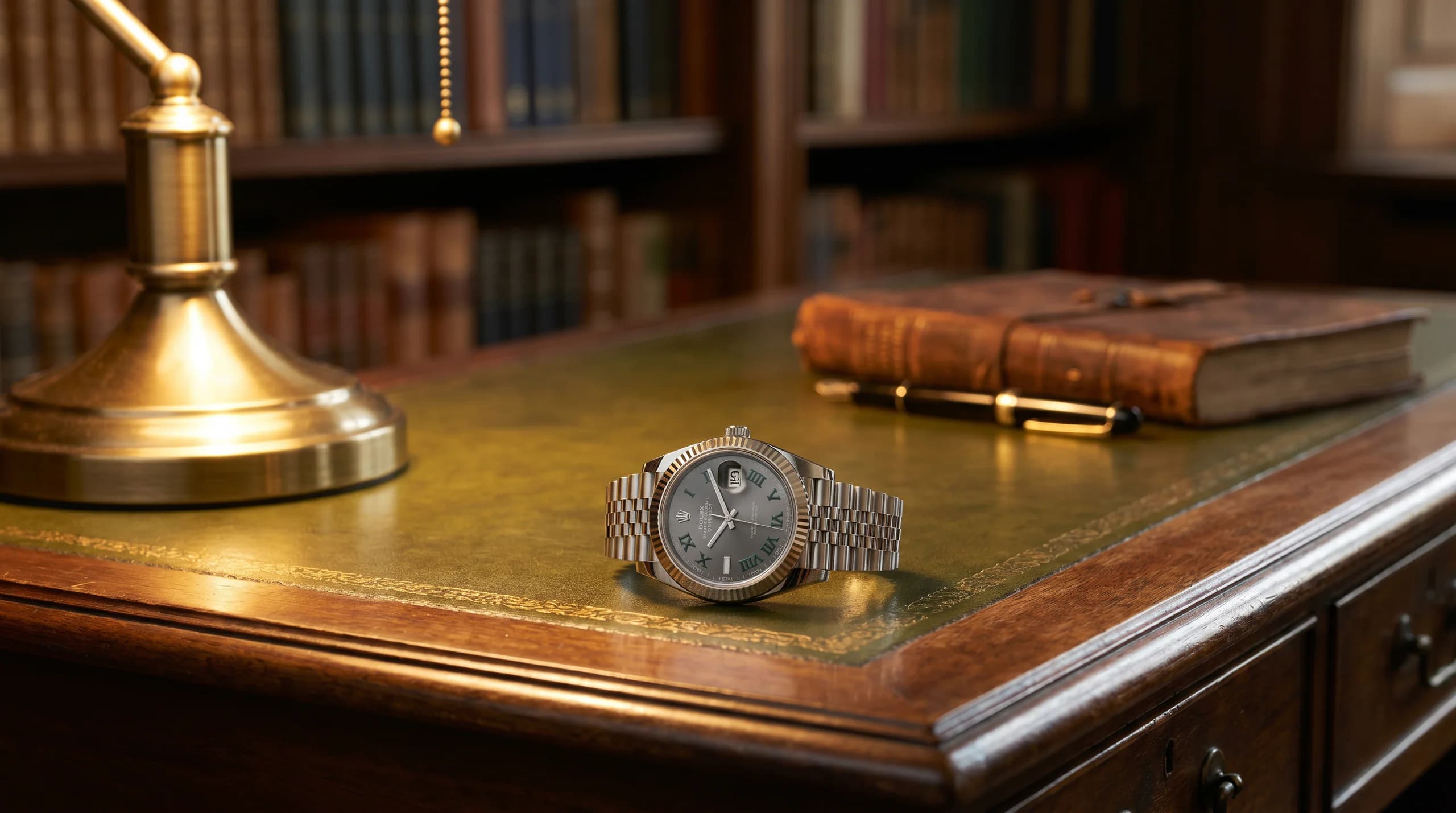
Rolex has timed Wimbledon since 1978 but never named the grey-and-green Wimbledon Datejust that collectors love. A working dealer's read on how the nickname formed, the Testimonee roster from Sinner to Federer, the full reference and price breakdown, and which Datejust to actually buy pre-owned.

Grand Seiko just built a mechanical watch that drifts only 20 seconds a year, the latest shot in a quiet arms race over accuracy. A working dealer's read on how the chronometer ladder actually works, from COSC and Rolex's -2/+2 to Omega's Master Chronometer and Spring Drive, why for a watch you actually wear the differences are mostly bragging rights, and where the real value still sits.

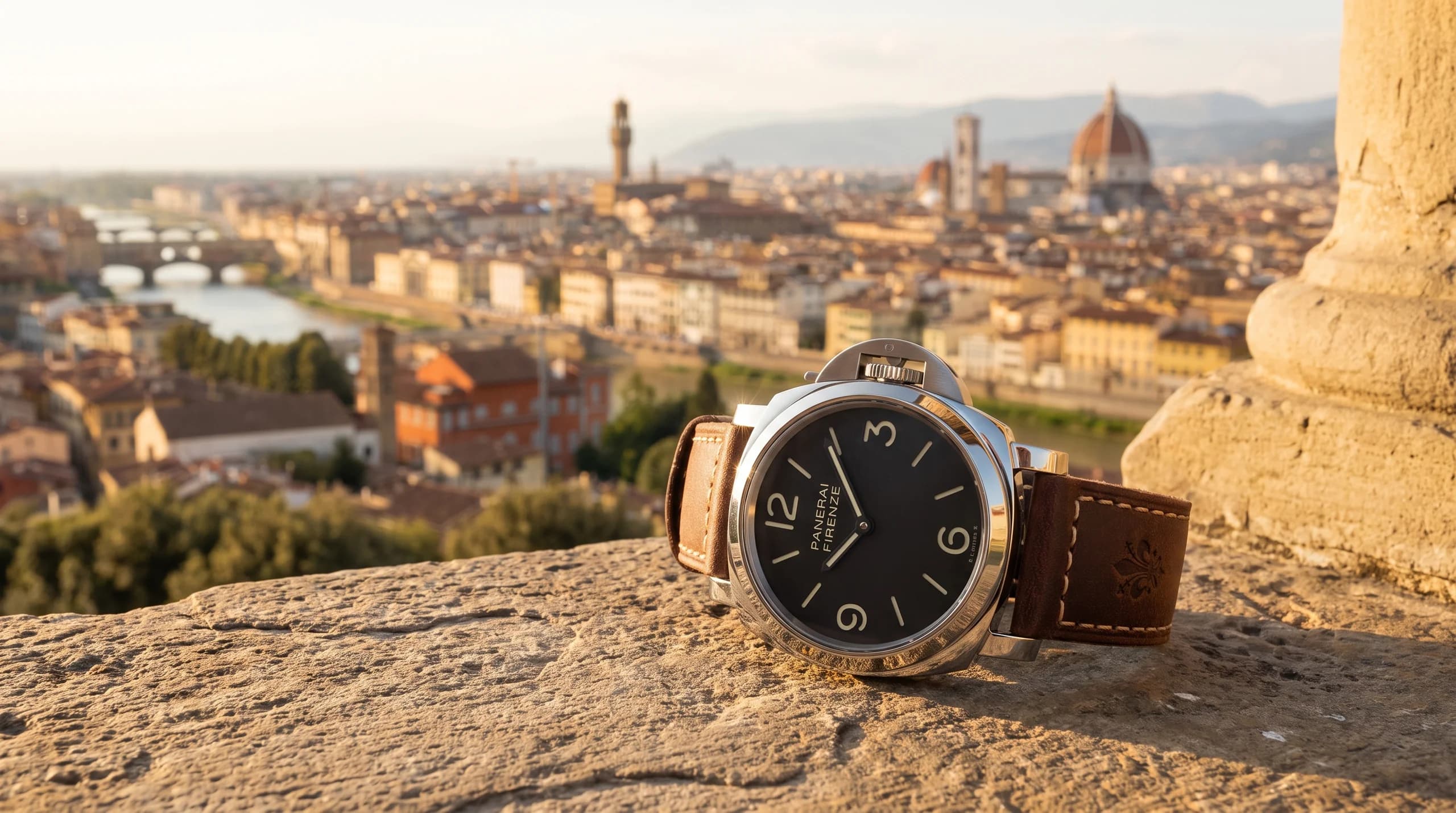
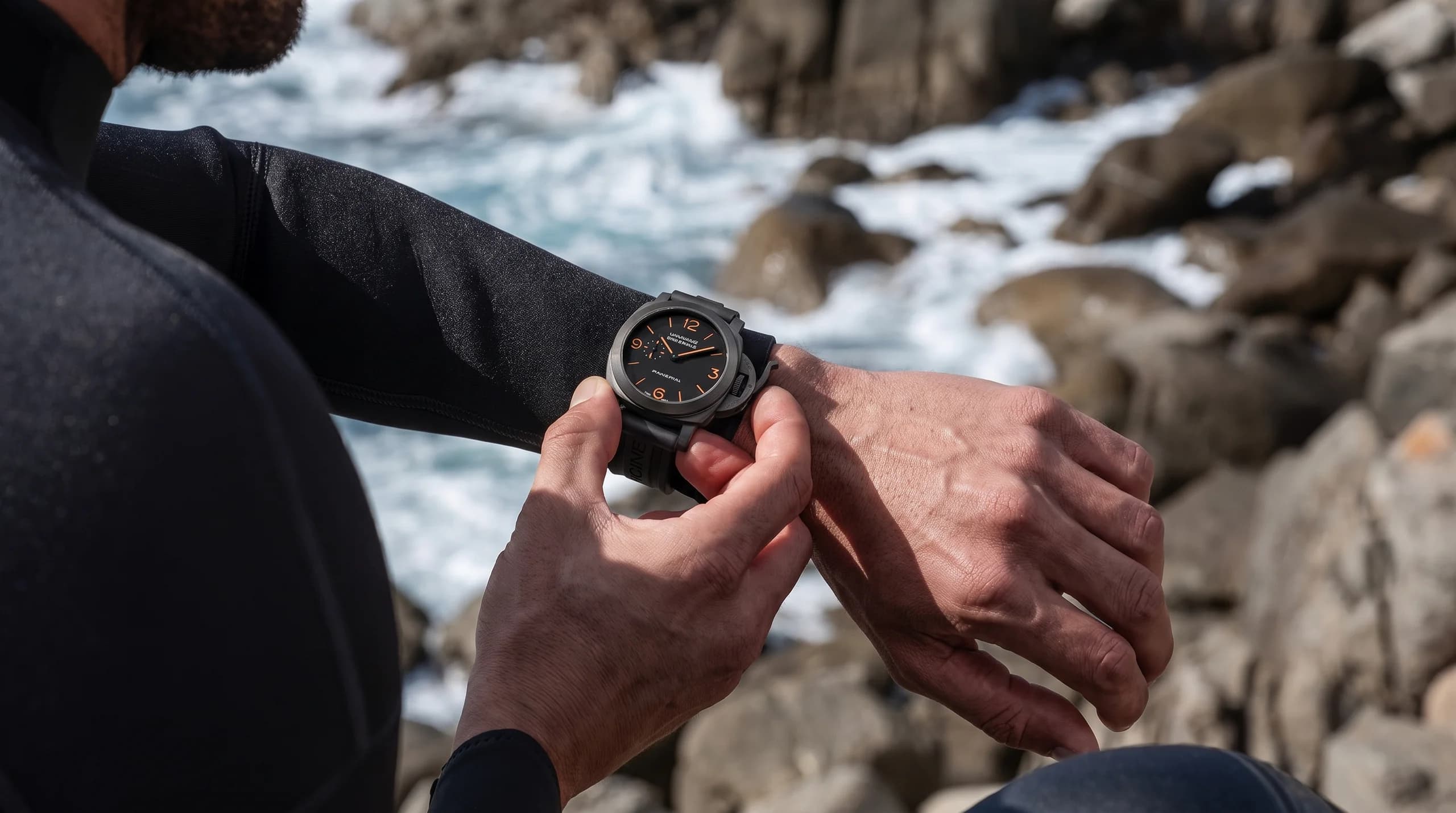
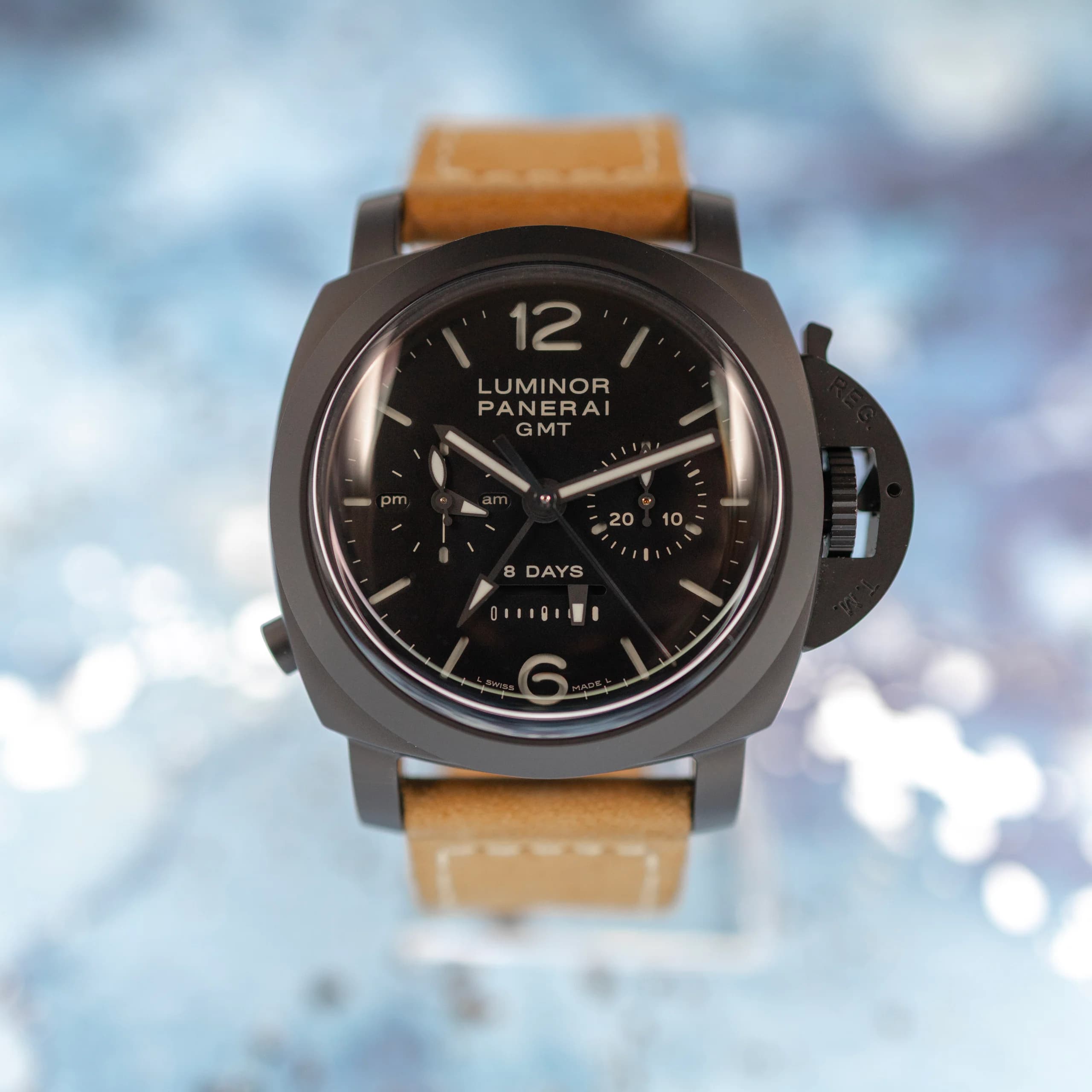
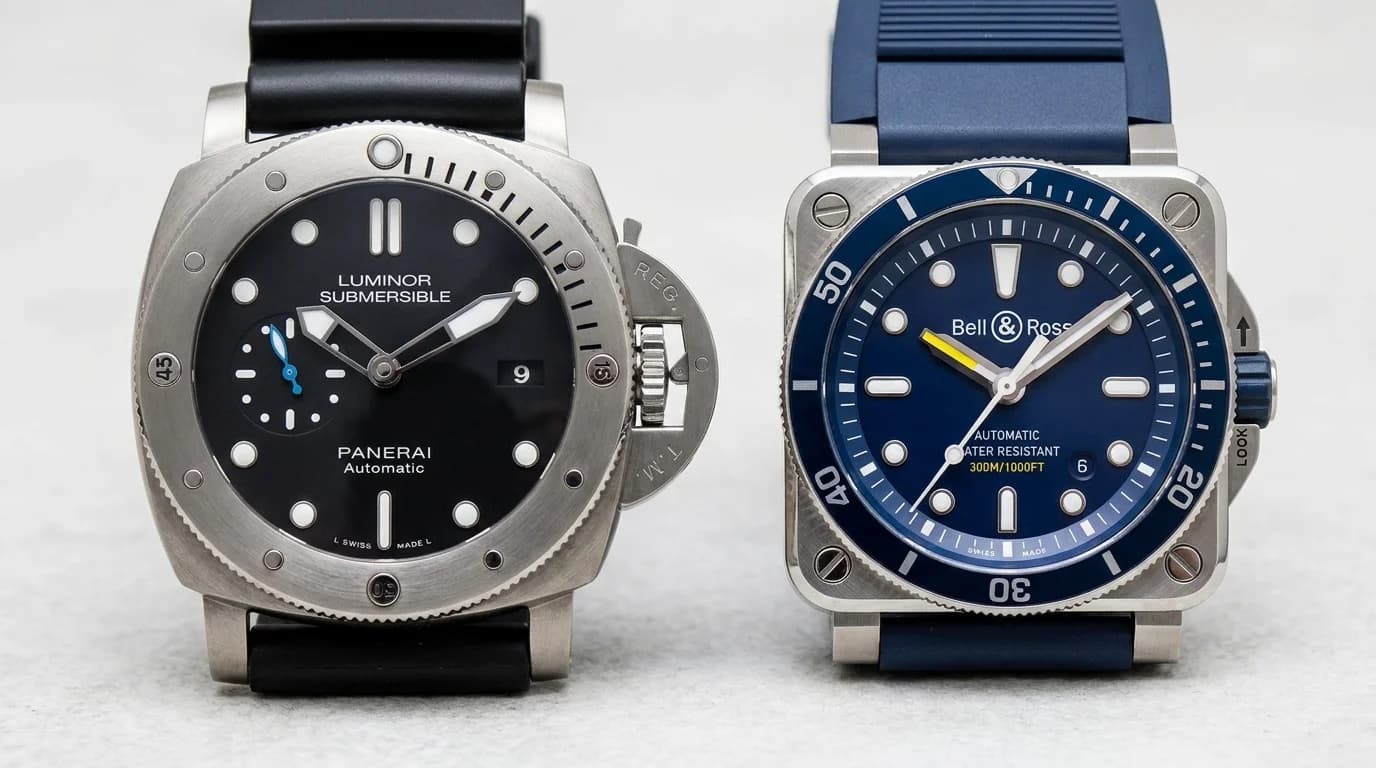
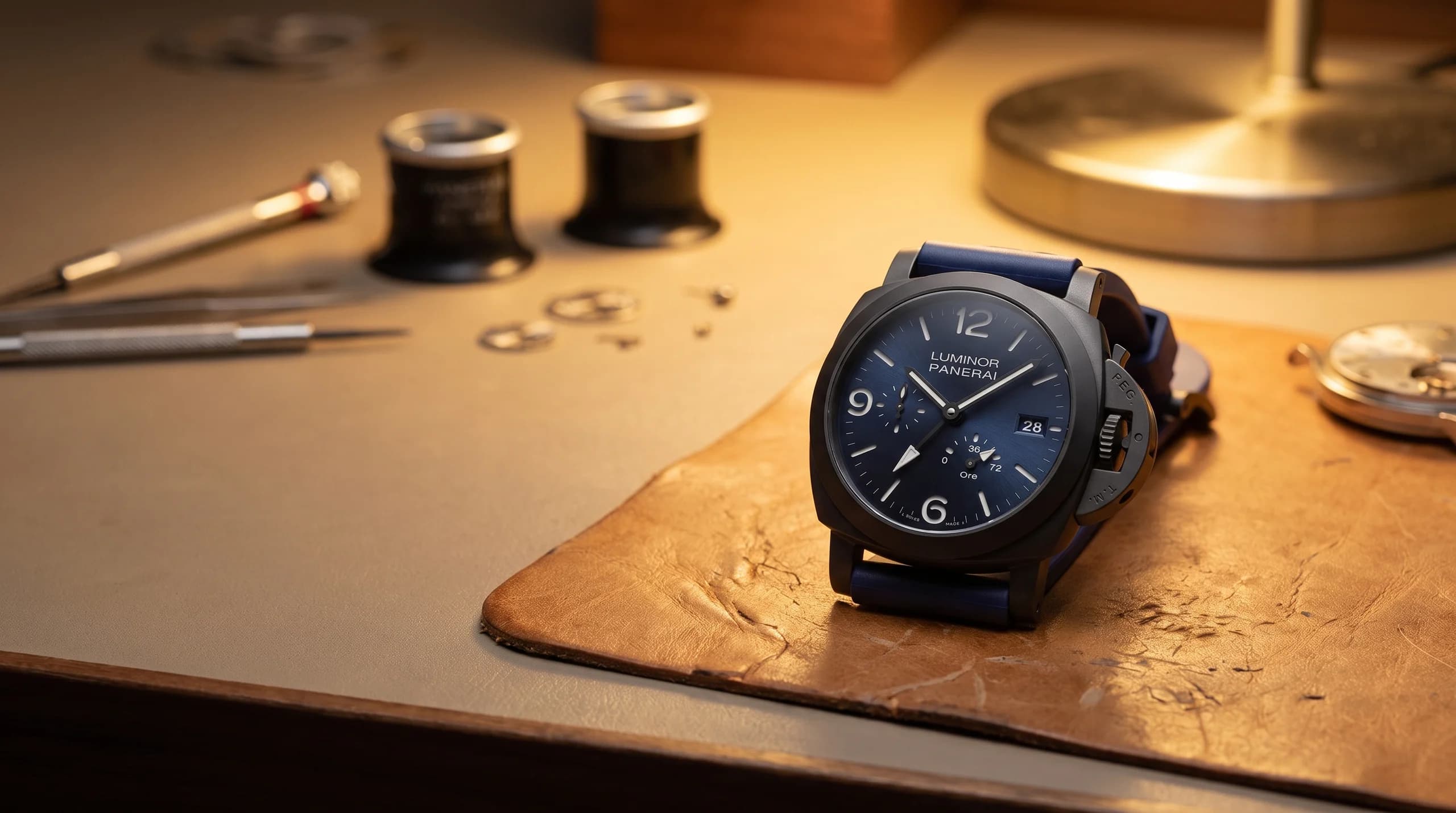
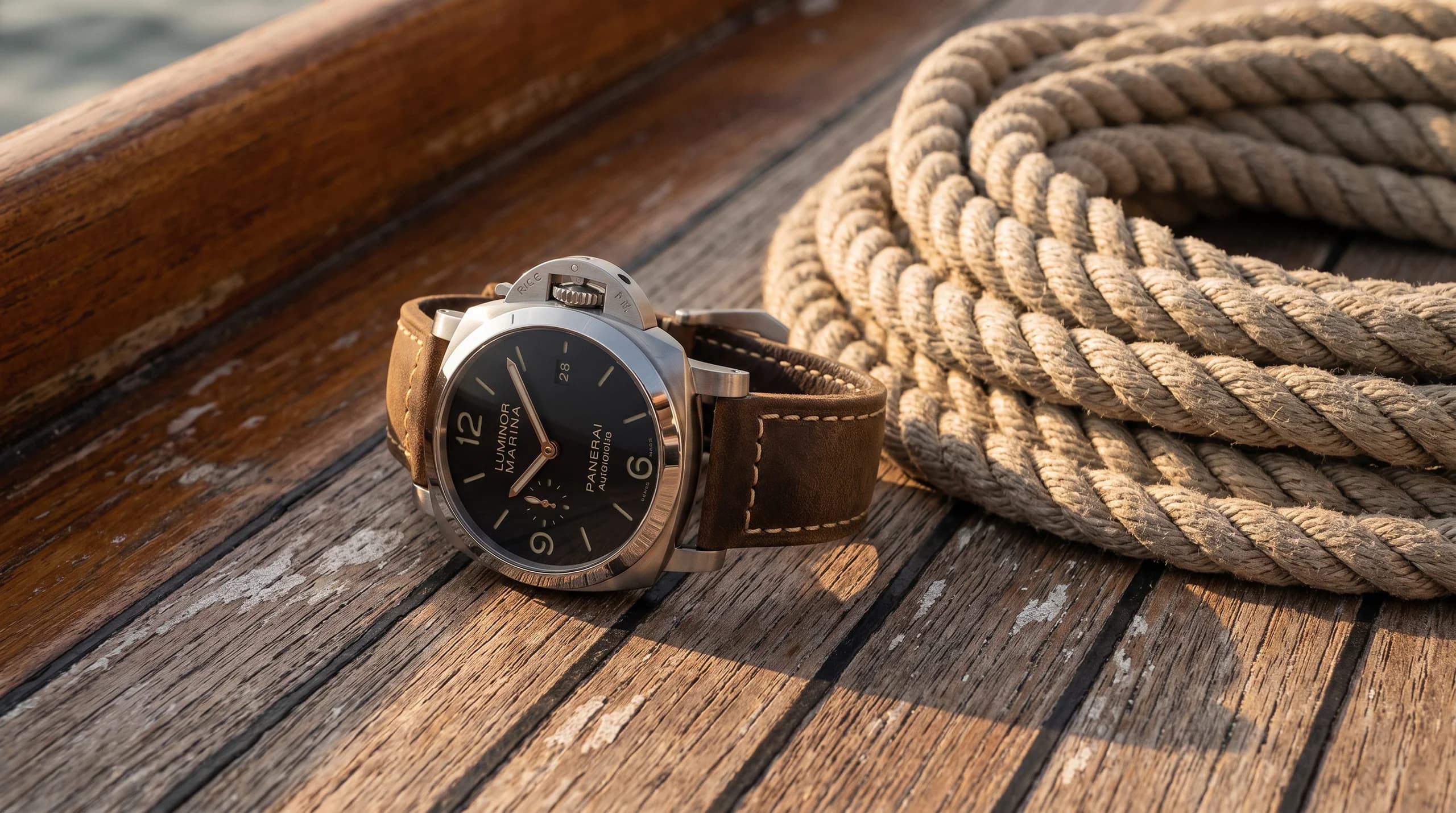
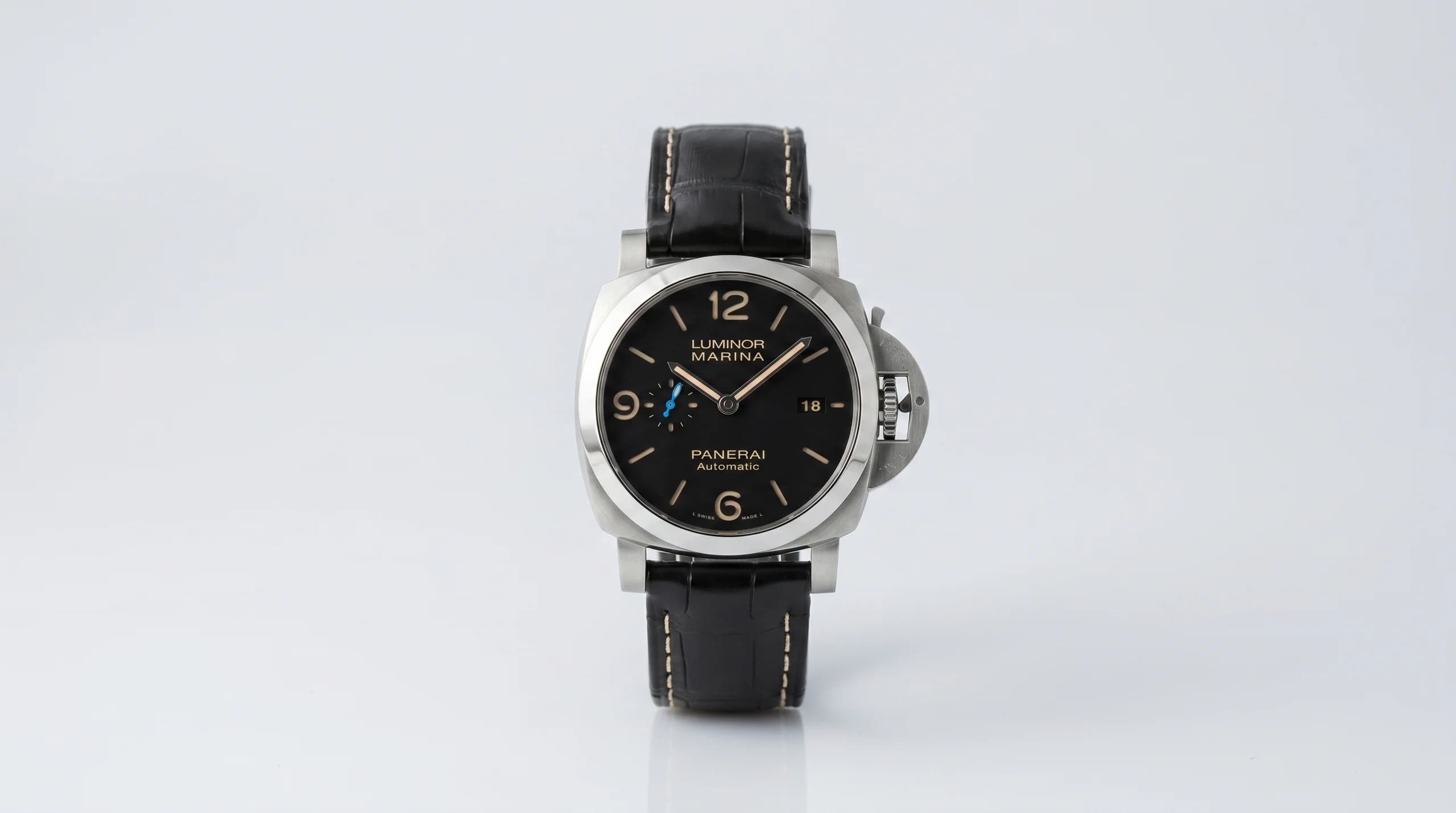
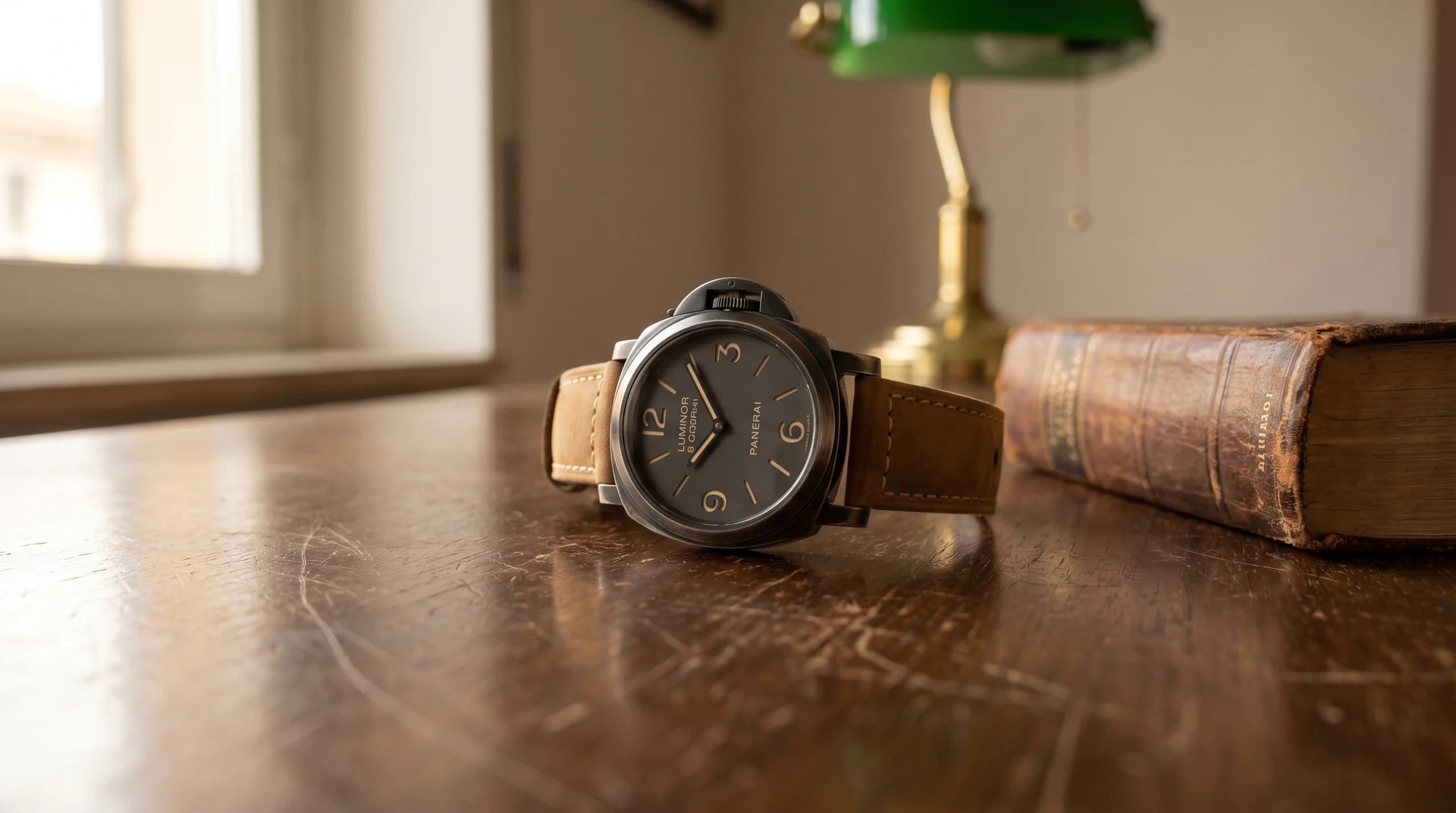
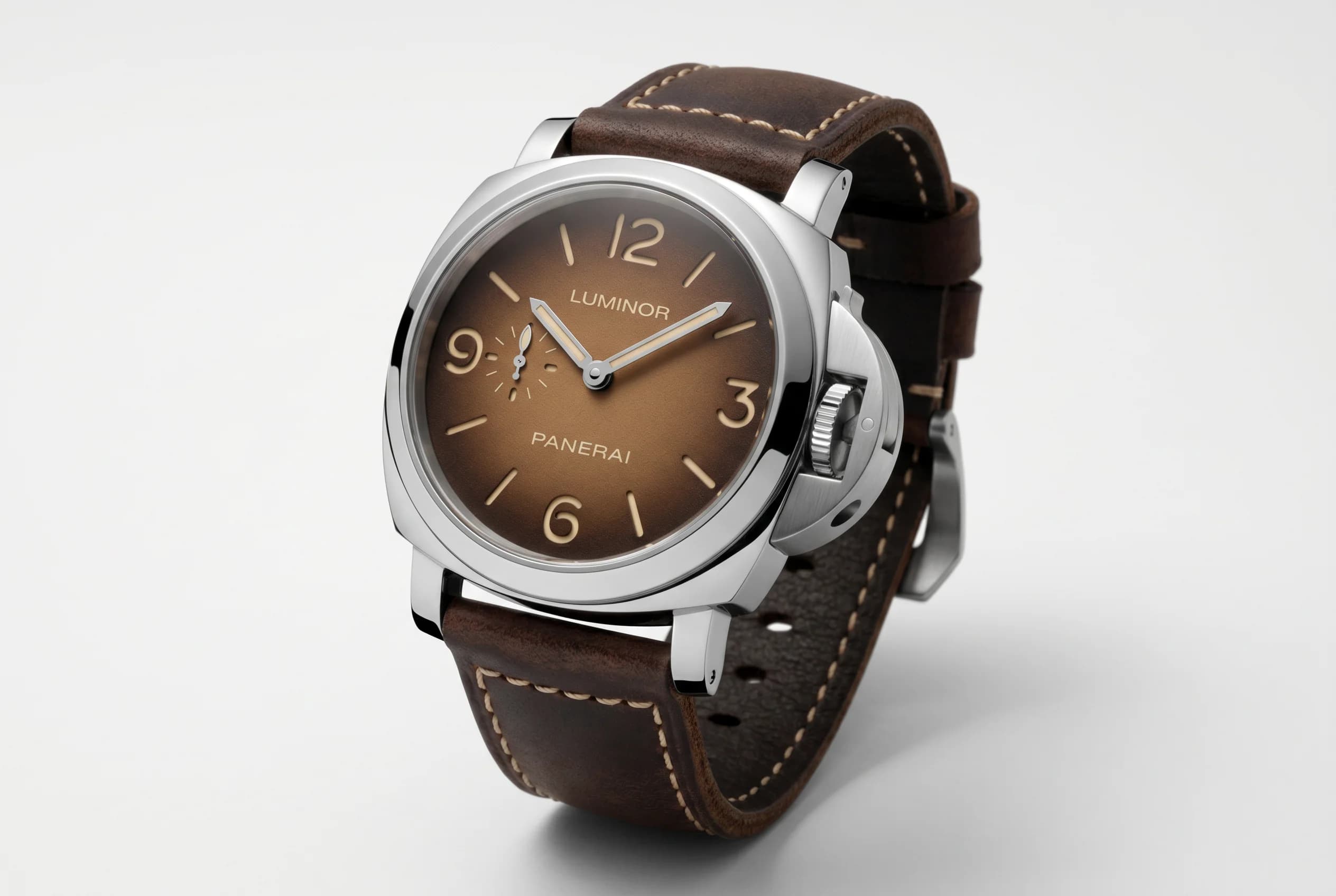
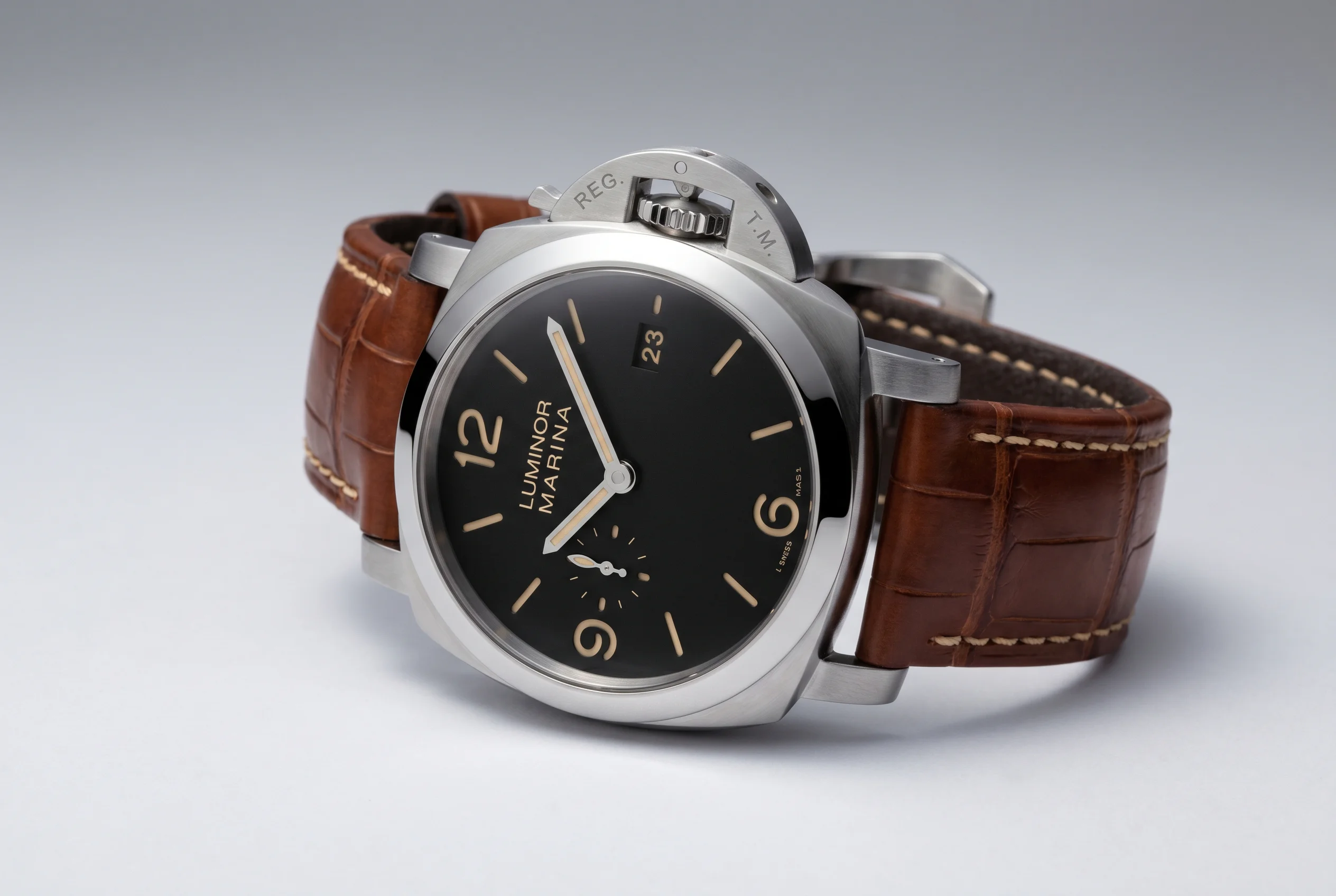
Panerai makes the most polarizing shape in watches, and the buying decision comes down to the crown-guard Luminor, the wire-lugged Radiomir, or the Submersible dive line. A working dealer's read on the collections, the in-house P.9010 sweet spot, honest notes on size and resale, and why the pre-owned market, with entry around $4,000 to $6,000, is the smart way in.

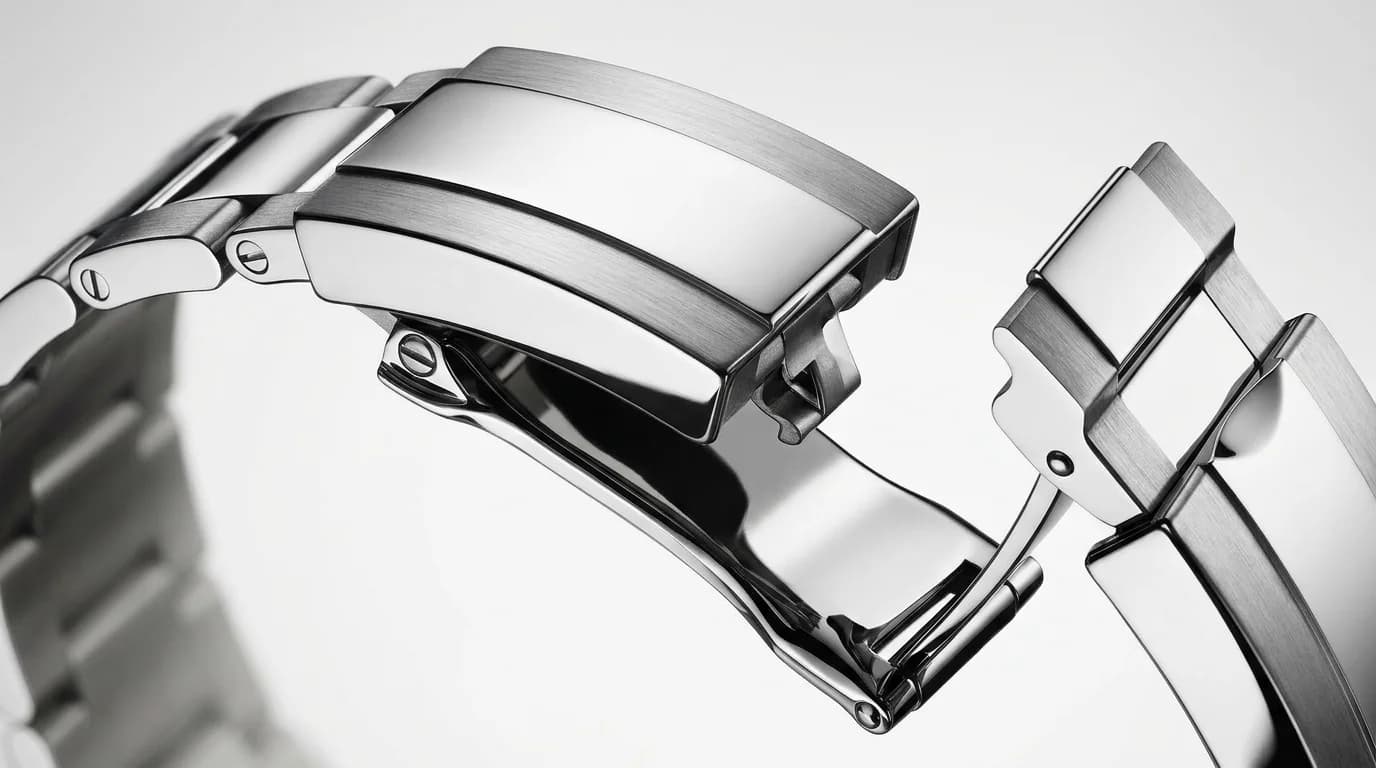
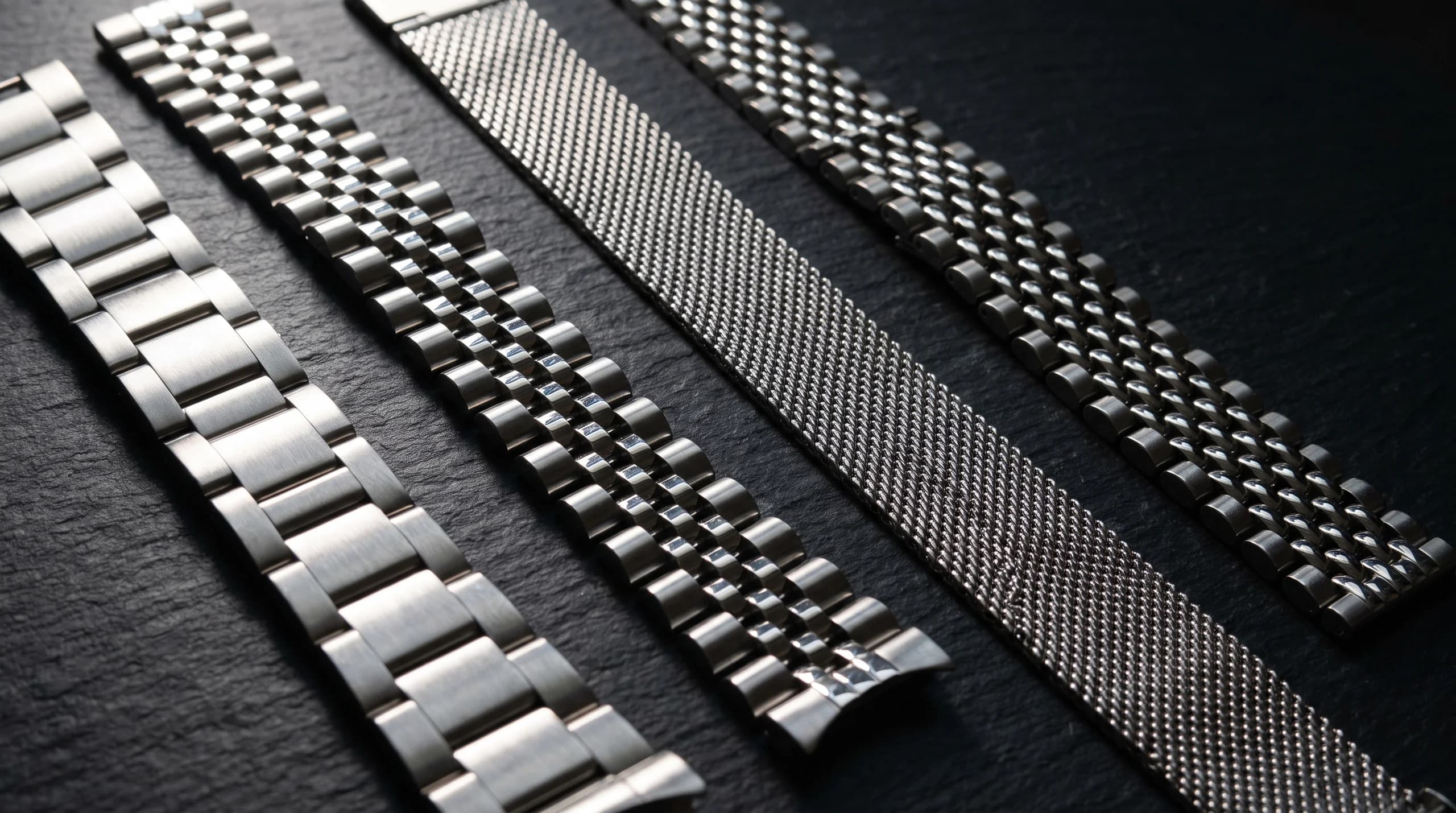
The bracelet is close to half the watch, yet most buyers treat it as an afterthought. A working dealer's guide to the major types, the Oyster, Jubilee, President, integrated, mesh, and beads of rice, what each is actually good for, when a strap beats a bracelet, and the details (solid links, clasp, micro-adjust) that separate a good bracelet from a cheap one.

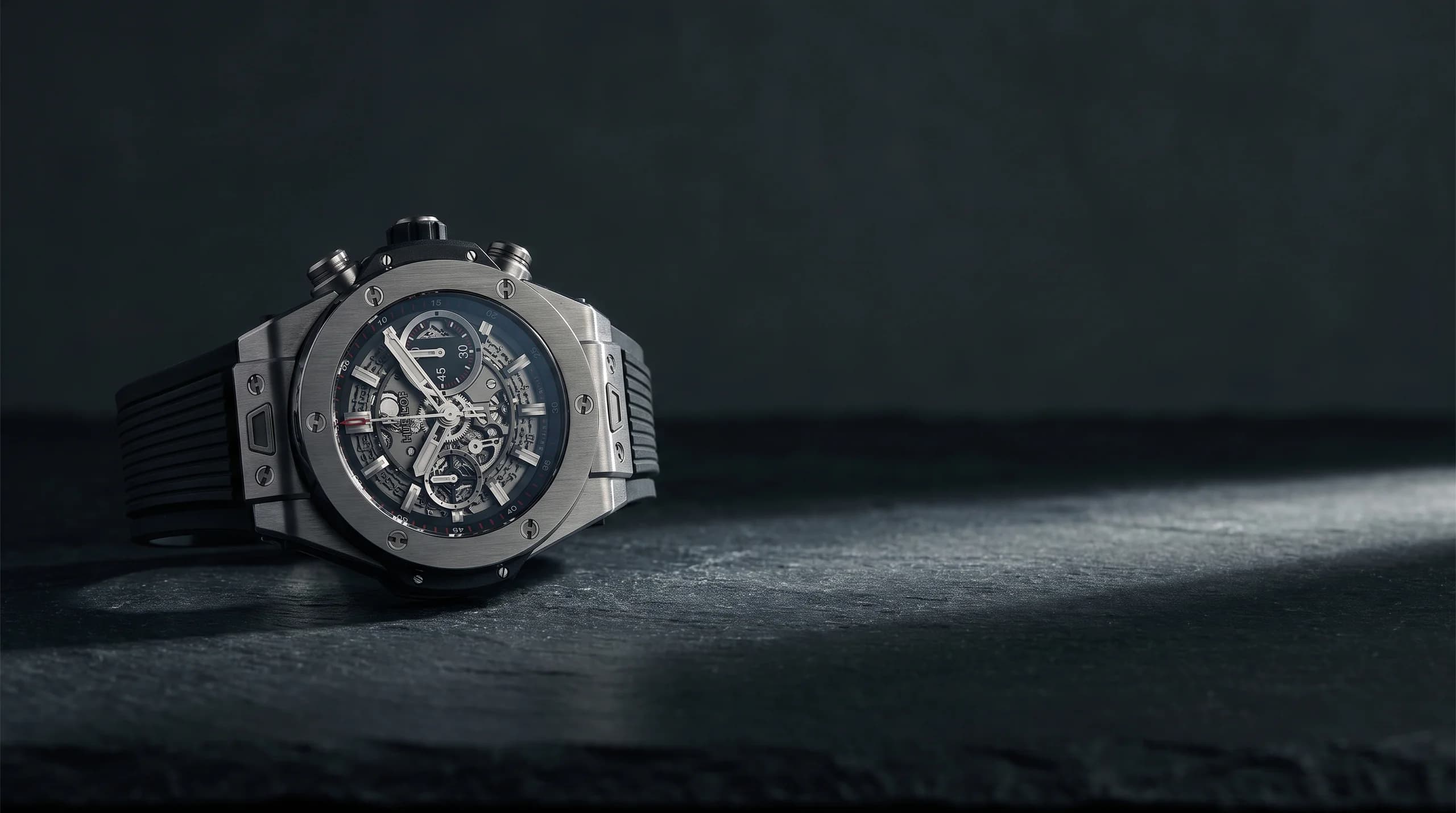
Hublot is the steepest depreciator in luxury watches, losing 40% to 60% off retail soon after purchase. That is a warning at retail and an opportunity pre-owned, if you avoid the four traps: fakes, the wrong reference, poor condition, and service costs. A working dealer's guide to buying a pre-owned Big Bang the right way, from authentication to which references actually hold their value.

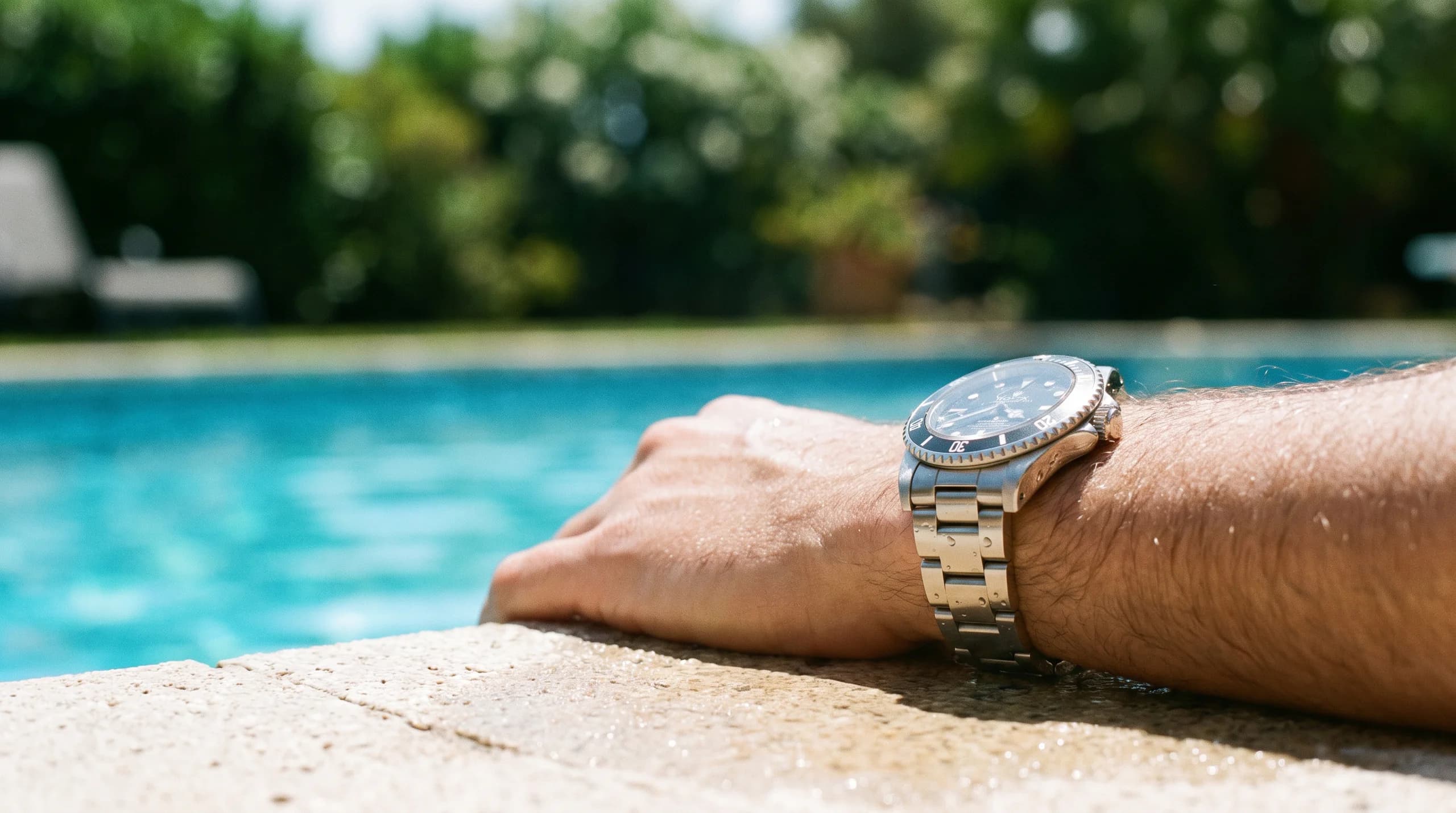
Summer exposes the wrong watch. The right one is water resistant, comfortable in heat, and tough enough not to baby, which also makes it the perfect thing to buy pre-owned. A working dealer's summer picks for 2026, sorted by how you actually spend the season: the all-out divers (Tudor Black Bay 58, Omega Seamaster 300M, Rolex Submariner), the beach-to-dinner Aqua Terra, the no-fuss travel watch, and the bold statement piece.

The grey market is one of the most misunderstood corners of watch buying. It is not the black market, and it is not the same as pre-owned. It is genuine new watches sold outside a brand's authorized network, and its prices run in two directions: above retail for a few hyped models, well below for almost everything else. A plain-English guide to how the grey market works, what you give up for the discount, and why certified pre-owned is often the smarter middle path.

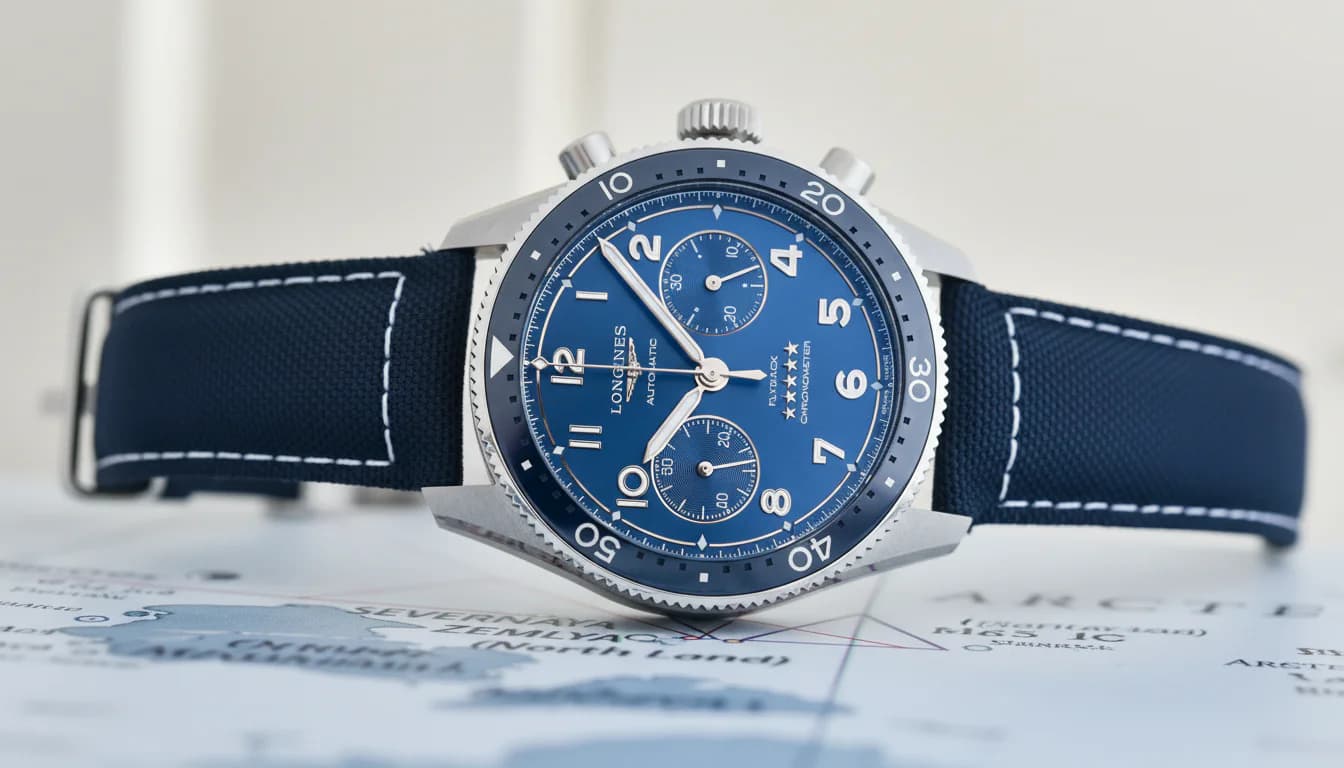
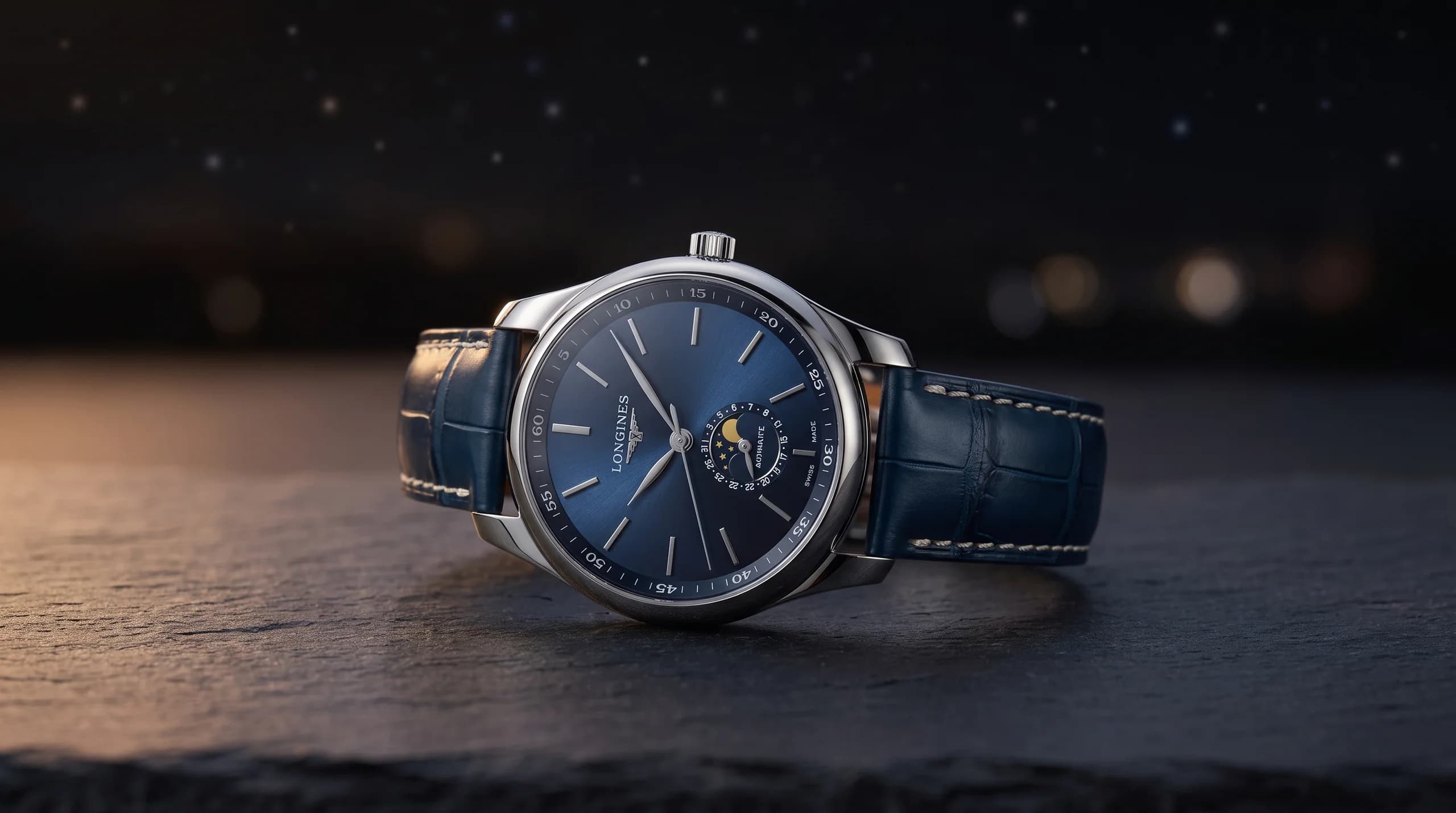
Collectors dismiss Longines as the brand below Omega. That is a mistake. For $2,000 to $3,500, the Spirit gives you a COSC-certified chronometer with a silicon balance spring, and the Master Collection offers a genuine annual calendar for about $2,425, a complication that starts near $15,000 elsewhere. A working dealer's read on why Longines is the best value in Swiss watchmaking, the honest caveats, and why pre-owned makes the case even stronger.

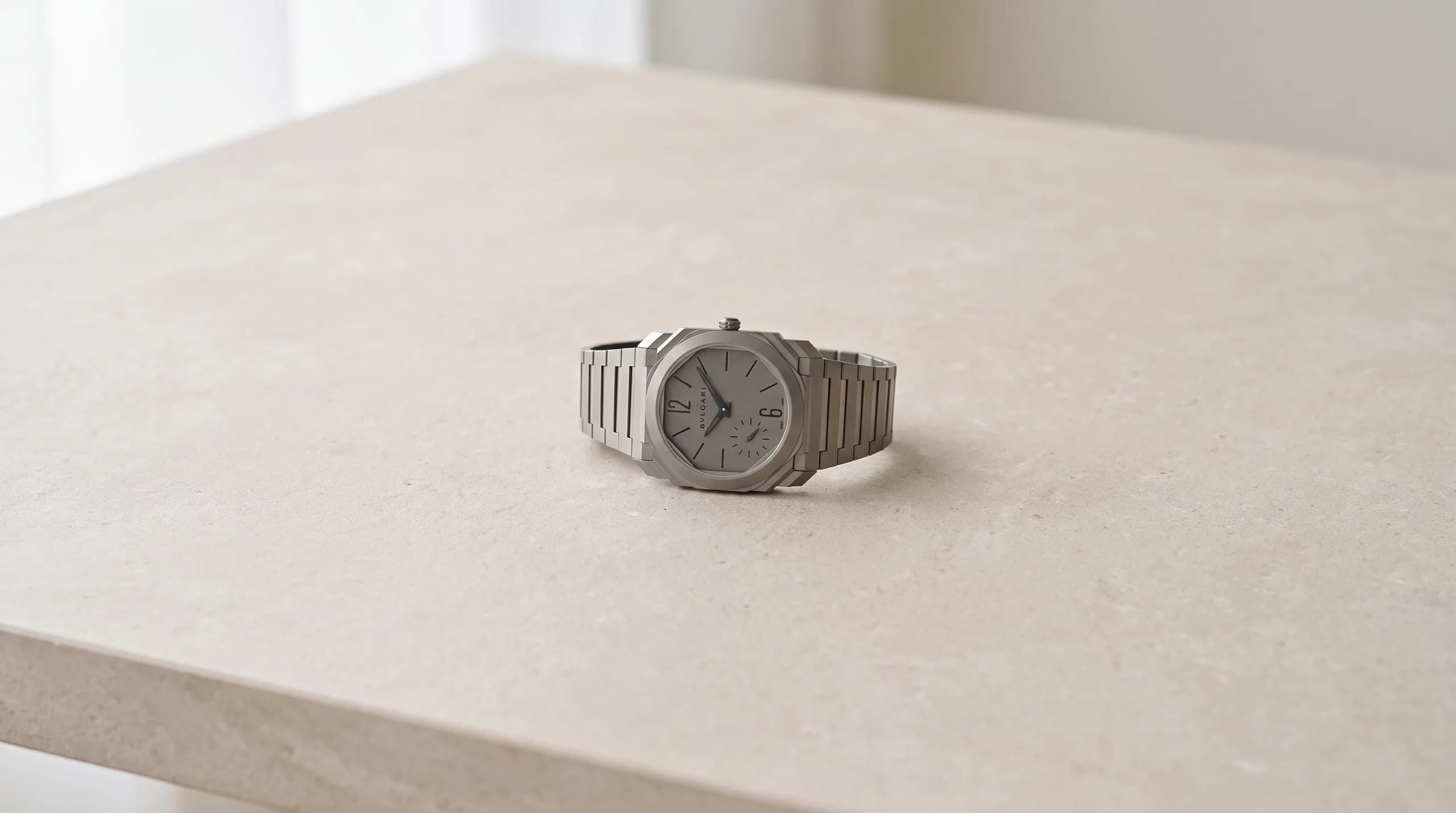
A decade ago no one took Bulgari watches seriously. Then the Octo Finissimo broke one ultra-thin world record after another and turned a jewelry house into a real watchmaker. The new 37mm version, from Watches and Wonders 2026, stops chasing records and finally makes the icon fit a normal wrist, with a new in-house micro-rotor movement and a $16,600 starting price. A working dealer's read on what it is, the honest caveats, and where it sits against the Royal Oak and Nautilus.

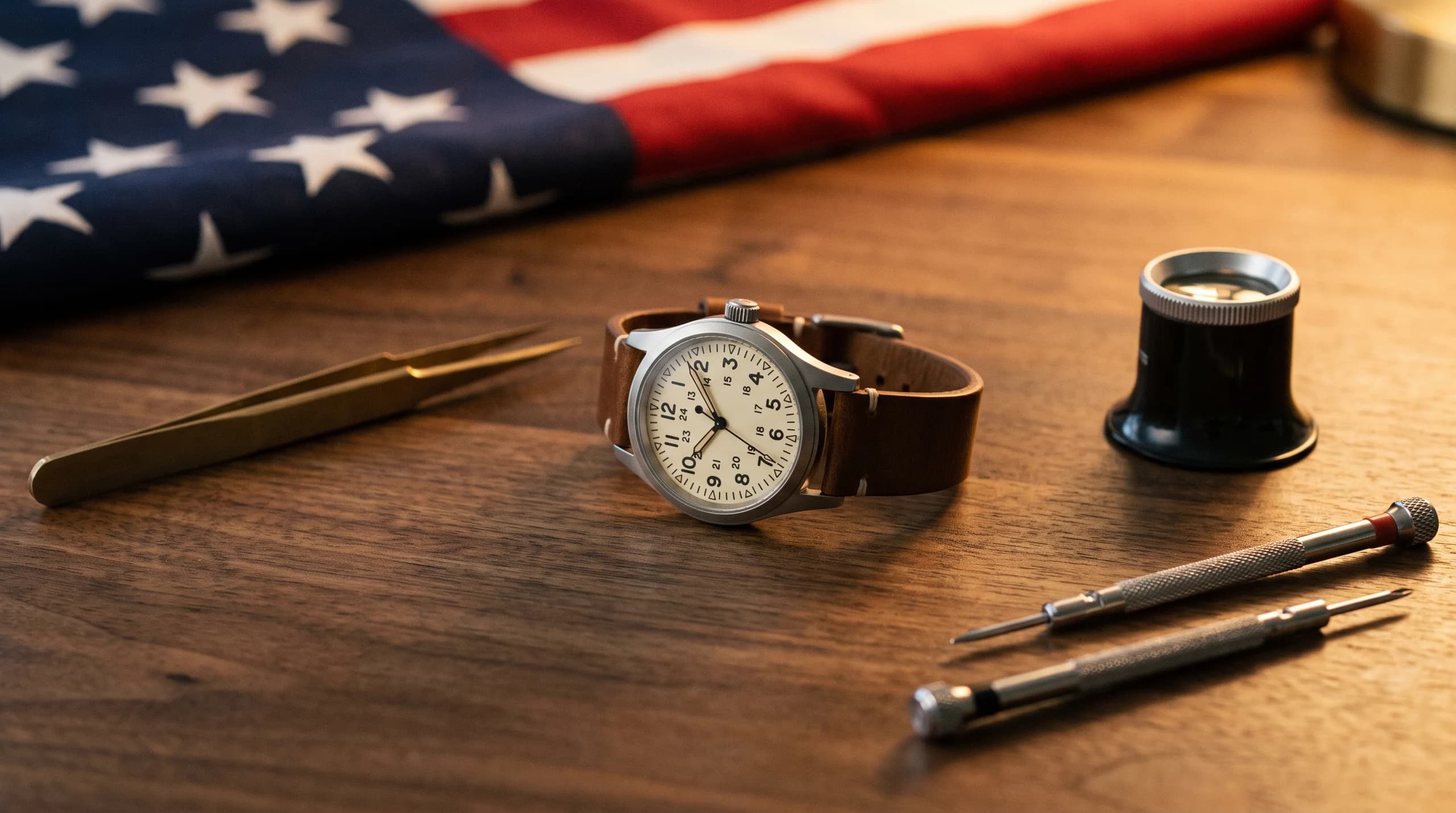
American watchmaking was once a global superpower, then it nearly vanished. In 2026, the year of the country's 250th birthday, a small but serious revival is underway, from RGM's in-house movements in Pennsylvania to J.N. Shapiro's $85,000 fully American-made Resurgence. A working dealer's honest read on what American made really means now, which brands are doing the real work, and whether an American watch is worth the money.

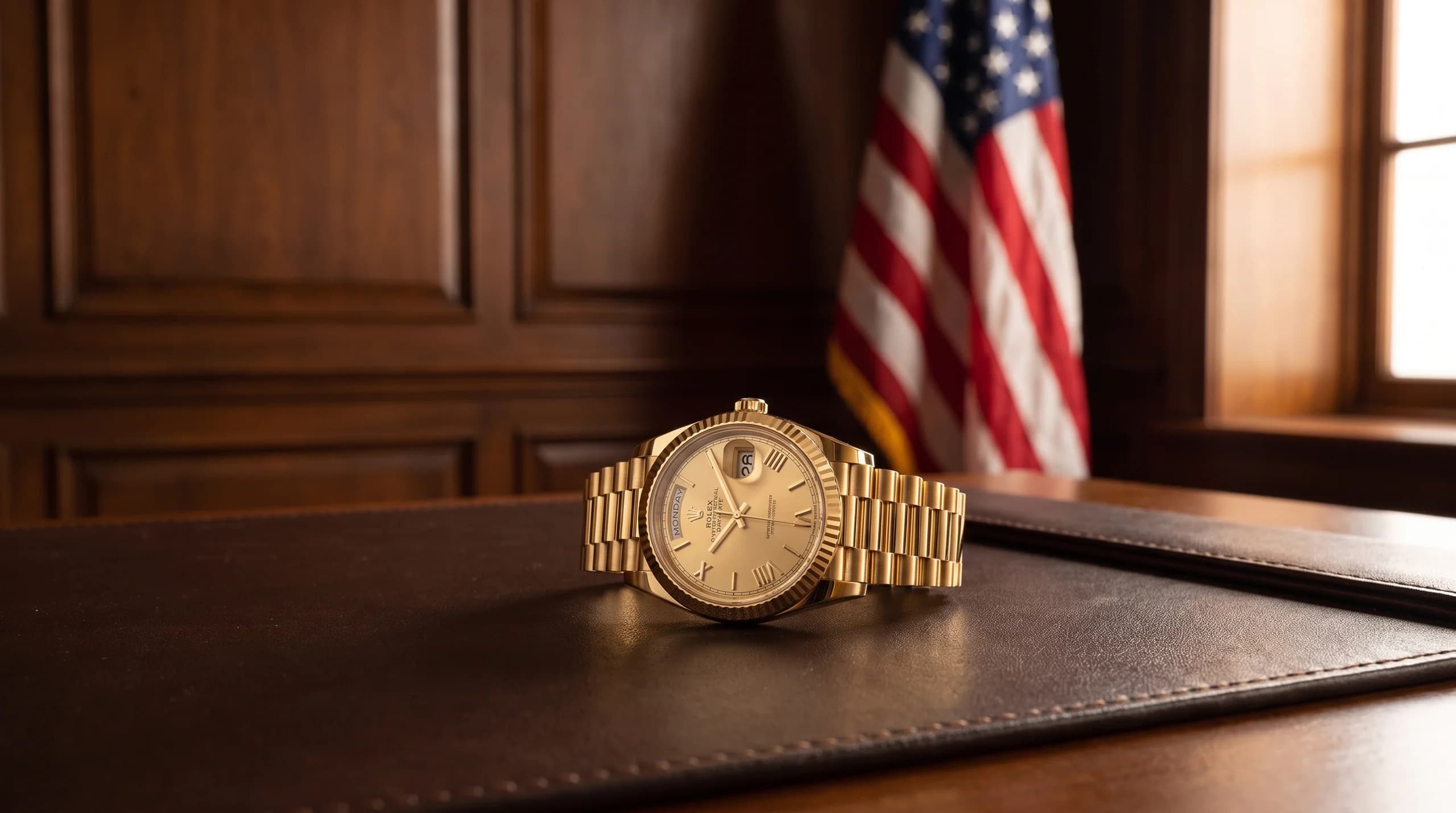
American presidents have worn everything from solid gold Rolex and Omega to a $50 Timex, and the choice is never only about telling time. A working dealer's read on the watches of the Oval Office, from Eisenhower's Datejust and JFK's Omega to Clinton's Timex, Obama's Secret Service Jorg Gray, and the modern split between Trump's gold and Biden's steel Omega, plus where these references sit pre-owned today.

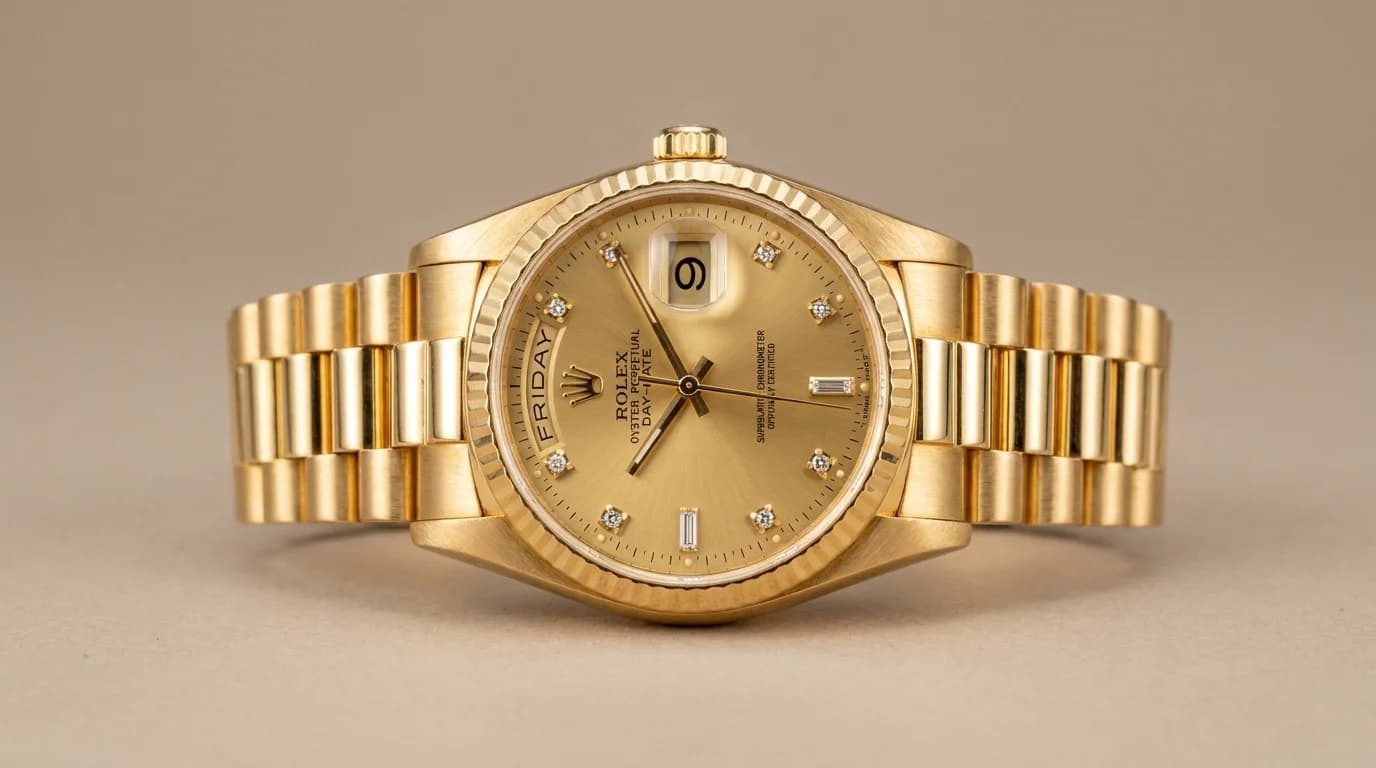
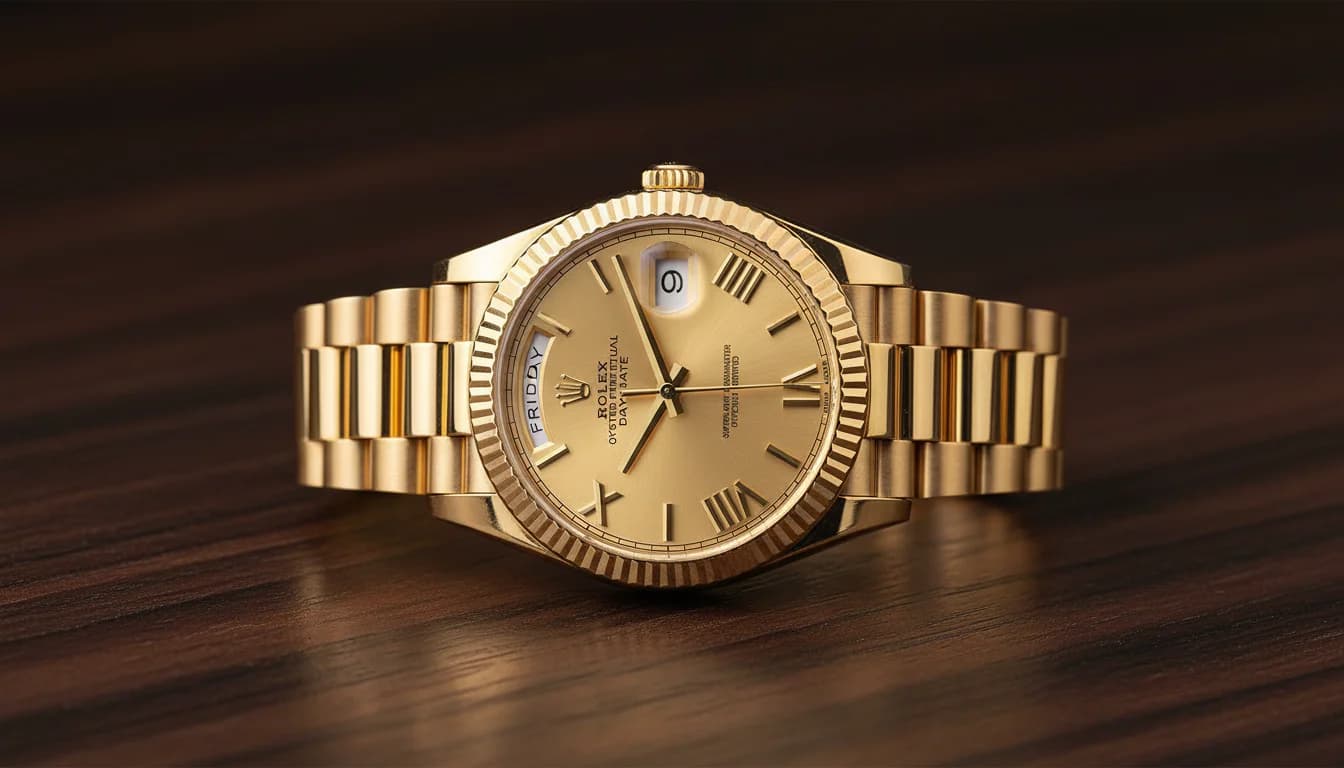
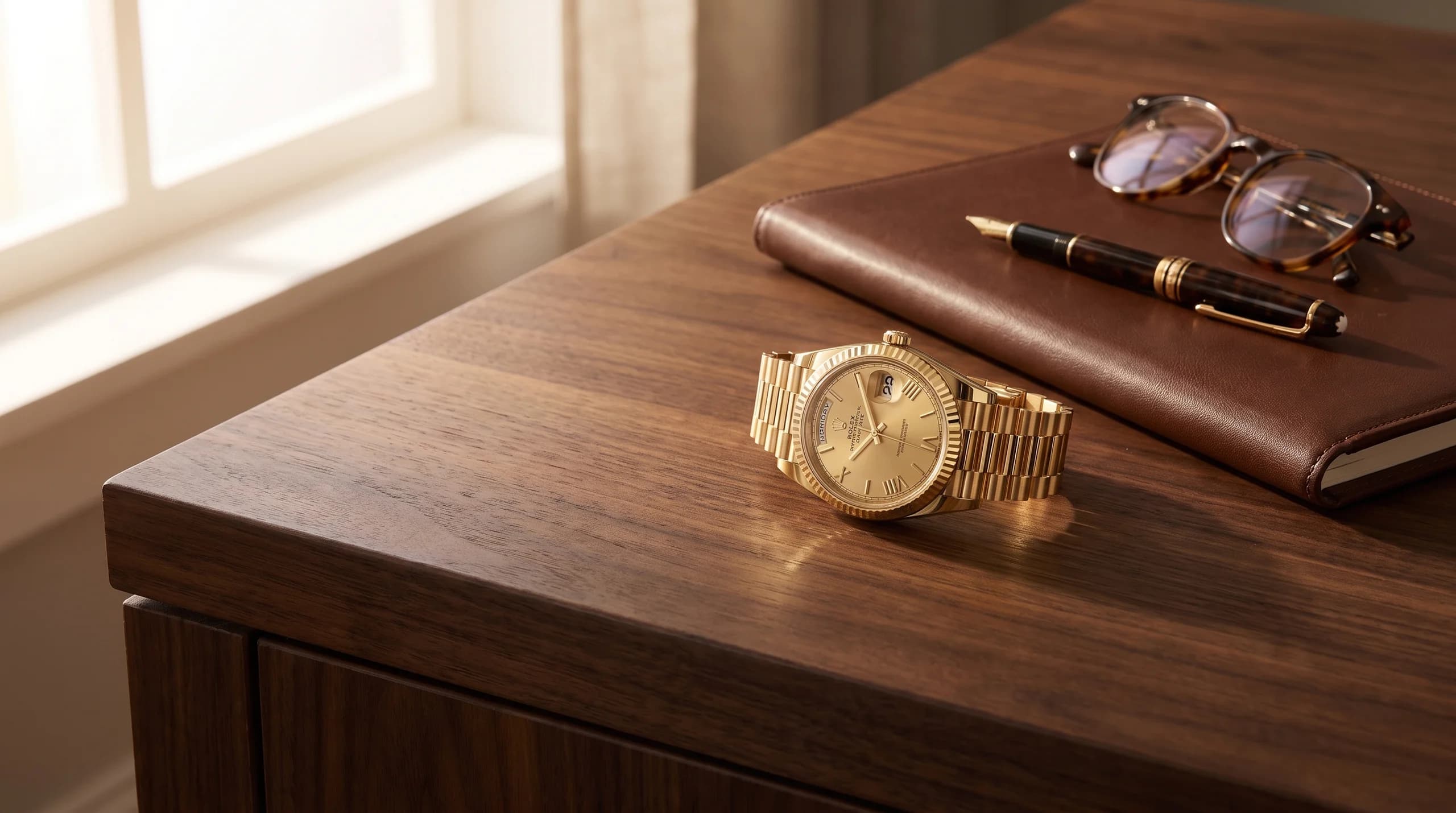
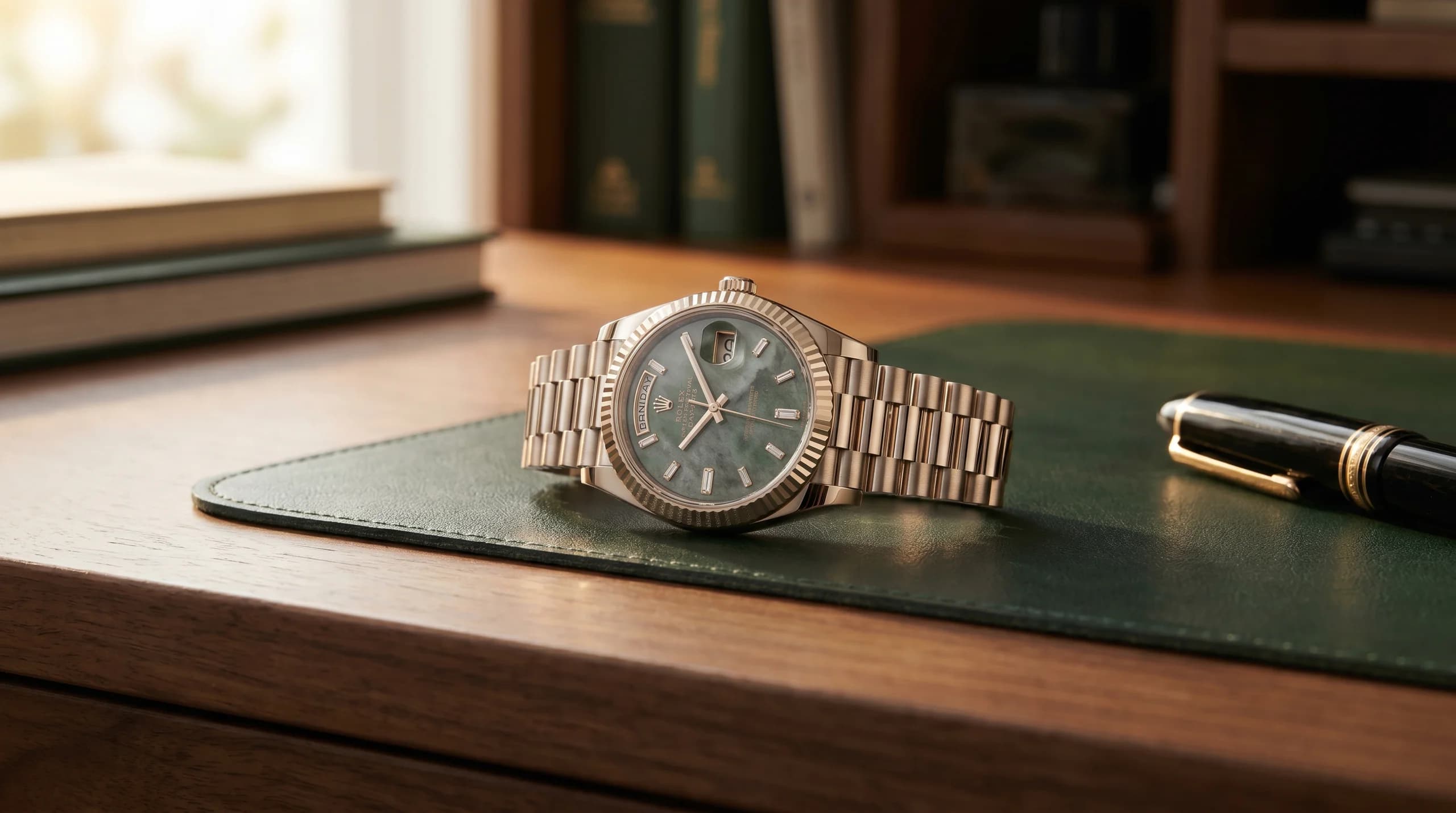
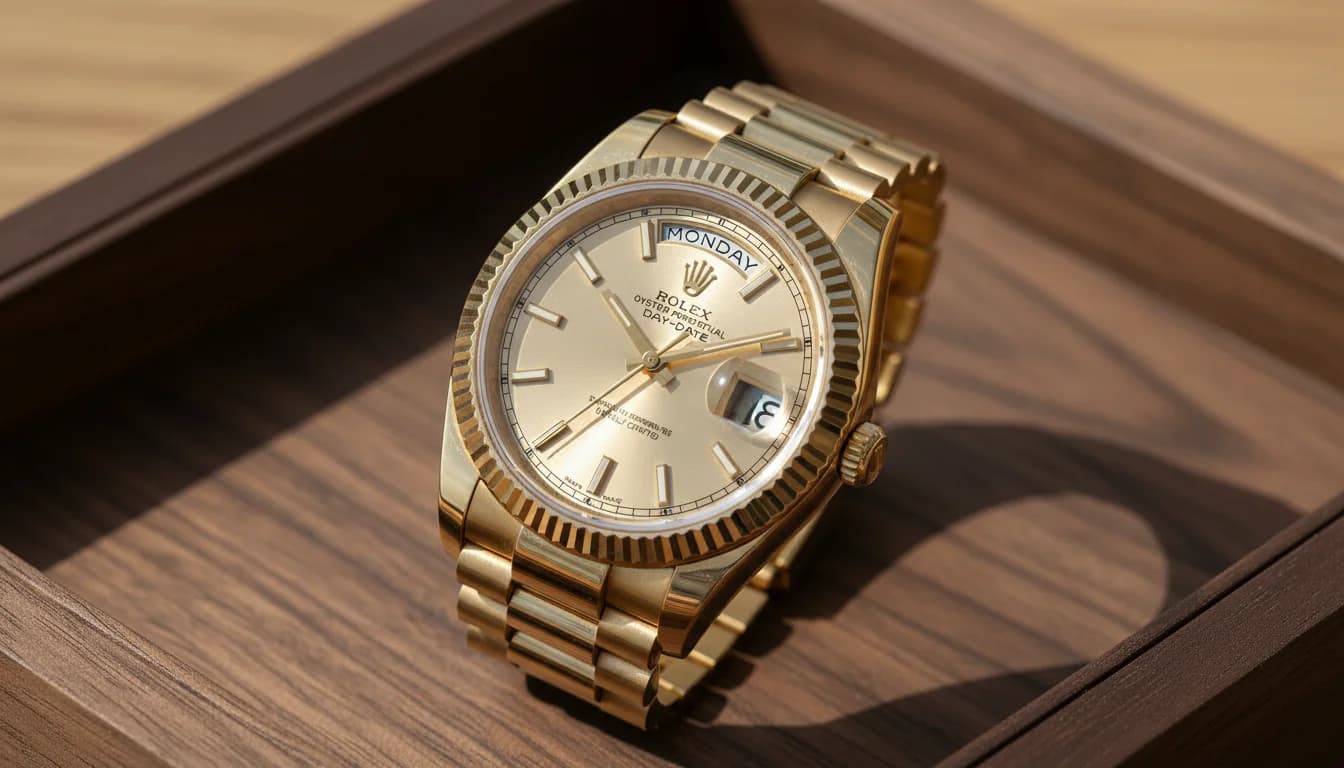
The Rolex Day-Date earned its President nickname from Lyndon Johnson and its signature bracelet, not from Eisenhower, whose famous Rolex was actually a Datejust. A working dealer's read on where the name really came from, what makes the Day-Date the only all-gold Rolex, and why the pre-owned market, with vintage entry from around $8,000, is the smart way in.

Rolex Certified Pre-Owned lets official retailers sell second-hand Rolex watches the brand has authenticated, serviced, and covered with a new two-year guarantee. The catch is the premium: it averaged about 30% over the open market in 2025, ranging from 16% to 42% by retailer. A working dealer's read on what the seal actually buys you, what it does not, and whether you should pay for it or use a trusted independent dealer instead.

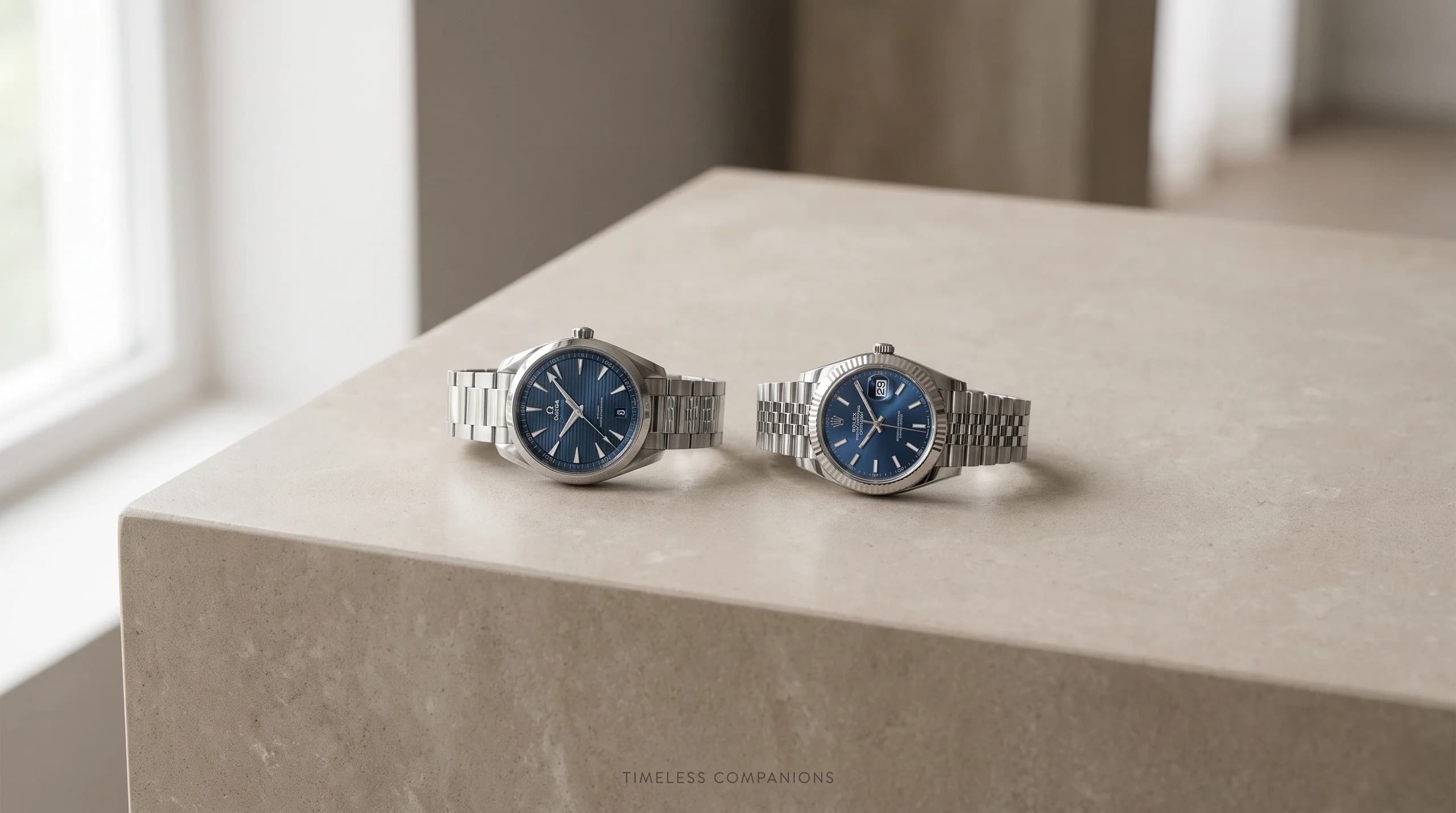
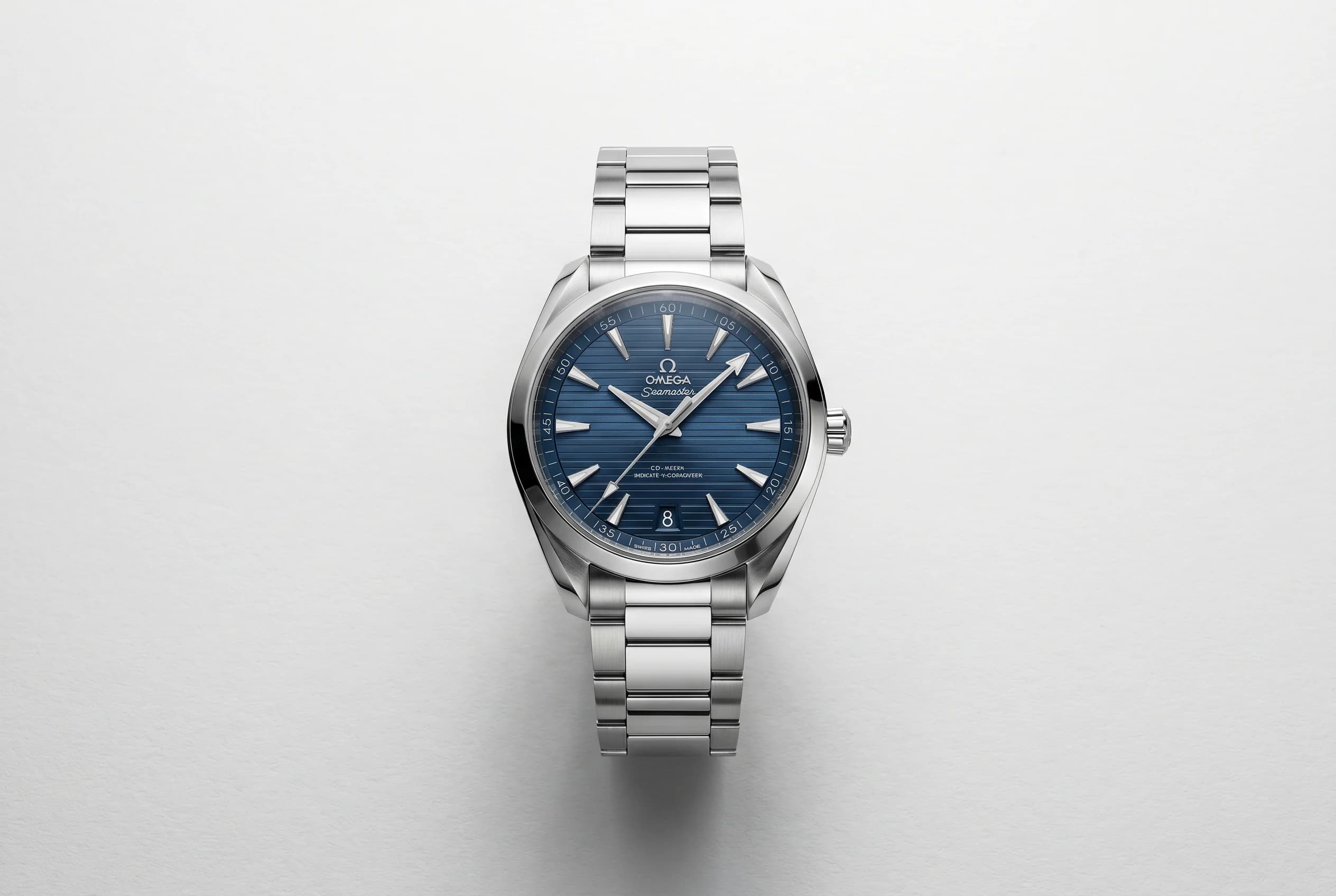
The Omega Aqua Terra and Rolex Datejust are the two default everyday steel watches, and they reward opposite priorities. The Aqua Terra has the more advanced METAS Master Chronometer movement, 150m water resistance, and a lower price. The Datejust has the stronger heritage and far better resale, trading at or above retail while the Omega depreciates. A working dealer's read on the specs, the resale math, and which one you should actually buy.

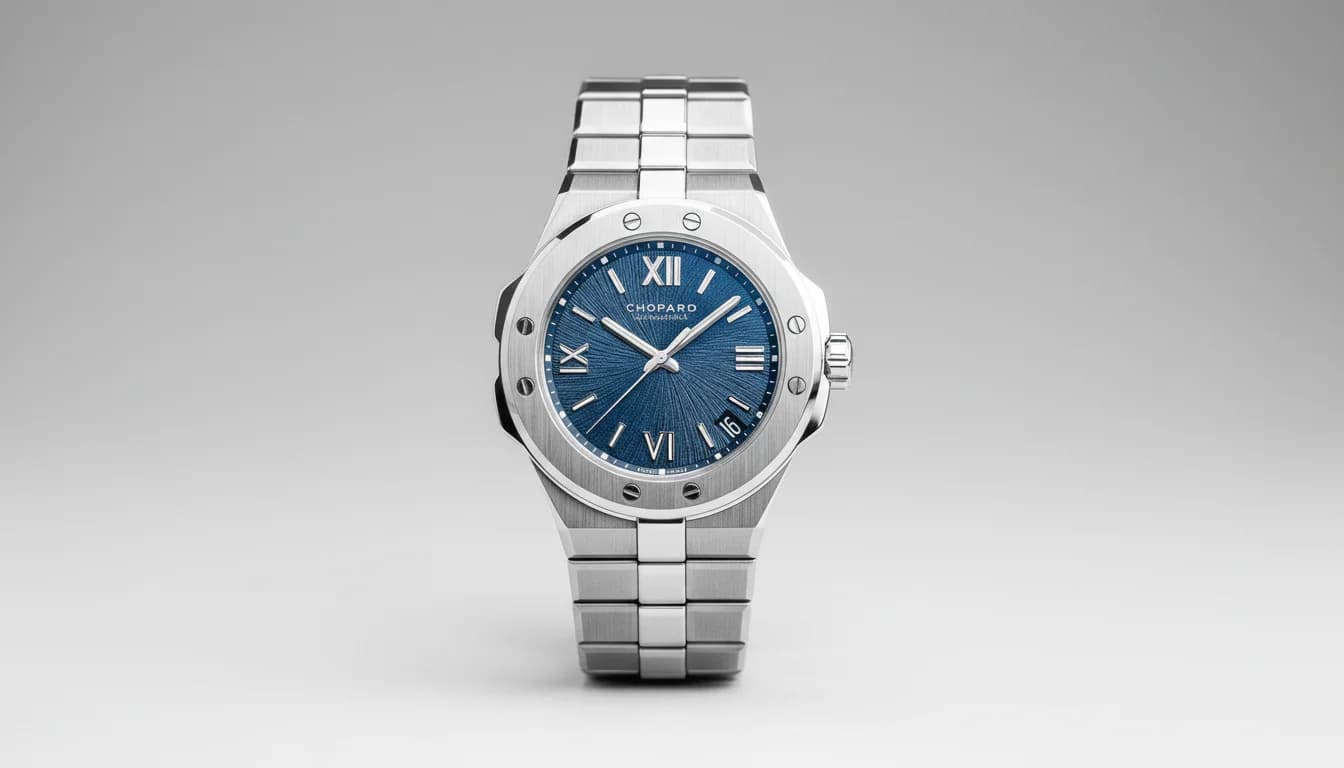
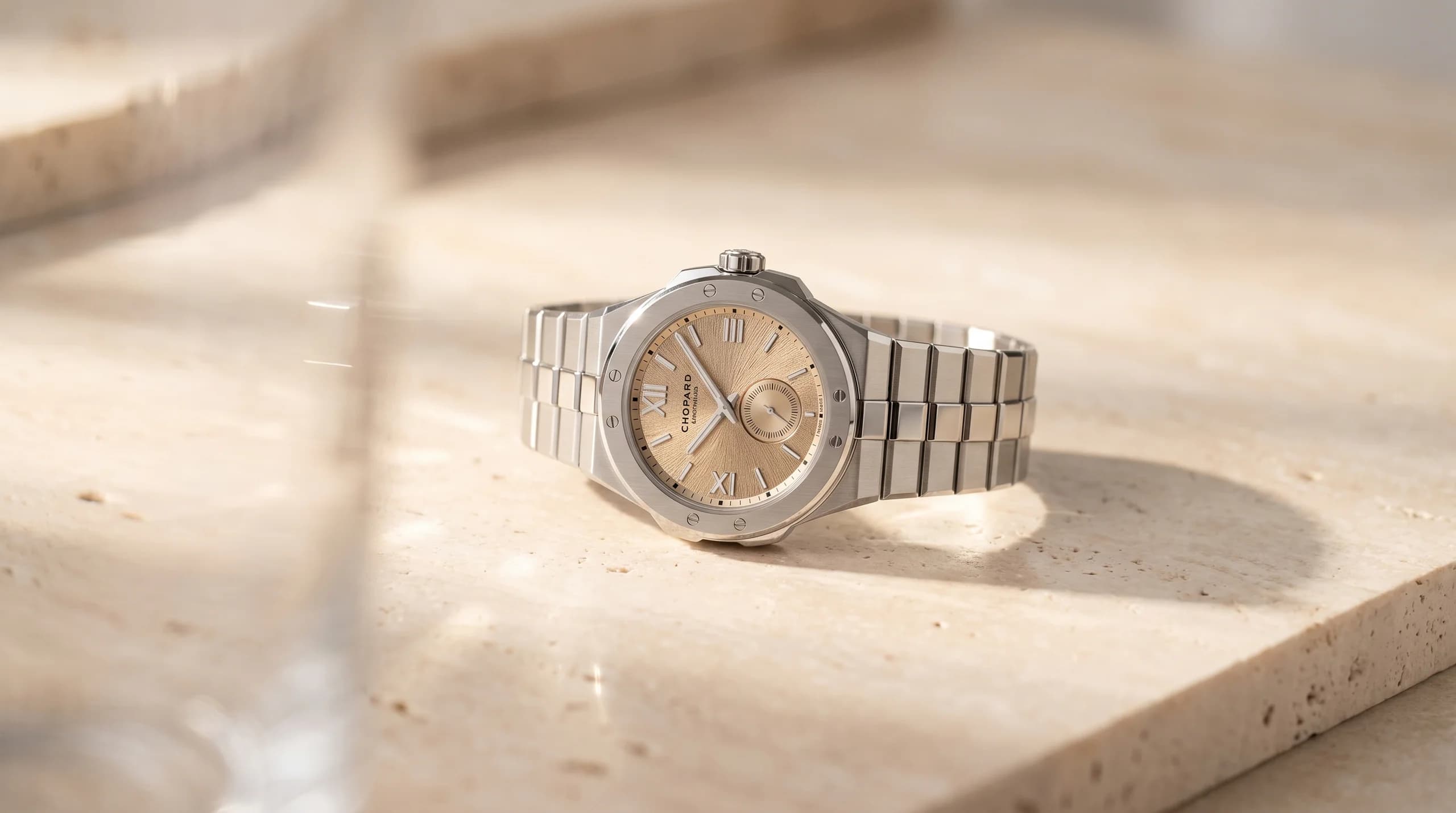
Chopard's new Alpine Eagle 41 XPS Mountain Glow is a champagne-dial steel sports watch with an ultra-thin micro-rotor movement carrying both COSC and the Poinçon de Genève. At $31,000 it costs nearly double the standard Alpine Eagle 41, and the gap is entirely the movement and finishing. A working dealer's read on what the premium buys and who should pay it.

The water resistance number on your watch is the most misunderstood spec in watchmaking, and misreading it is a common, avoidable way to ruin a good watch. A working dealer's plain-English guide to what the number really means, why 30m cannot swim, what each rating actually lets you do, the ISO 6425 dive-watch line, and how to keep the rating honest.

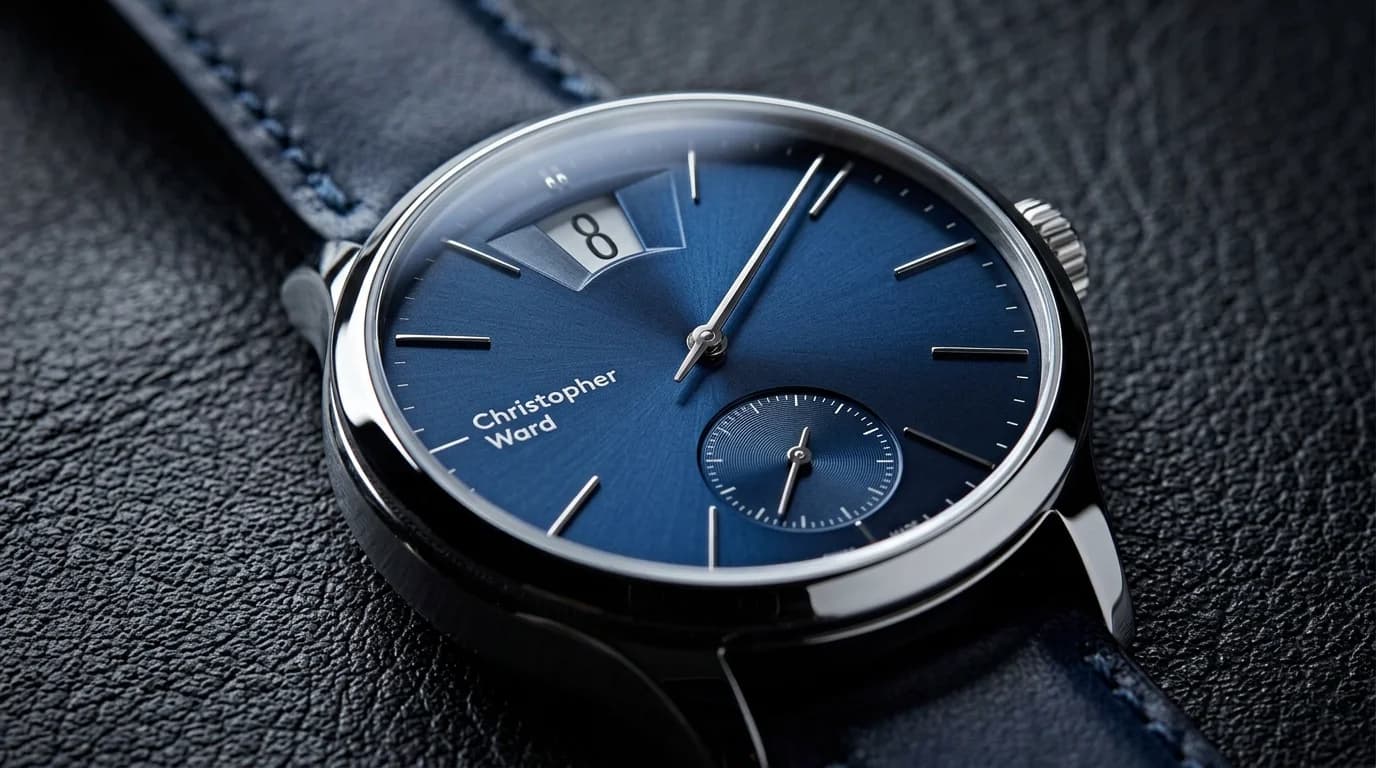
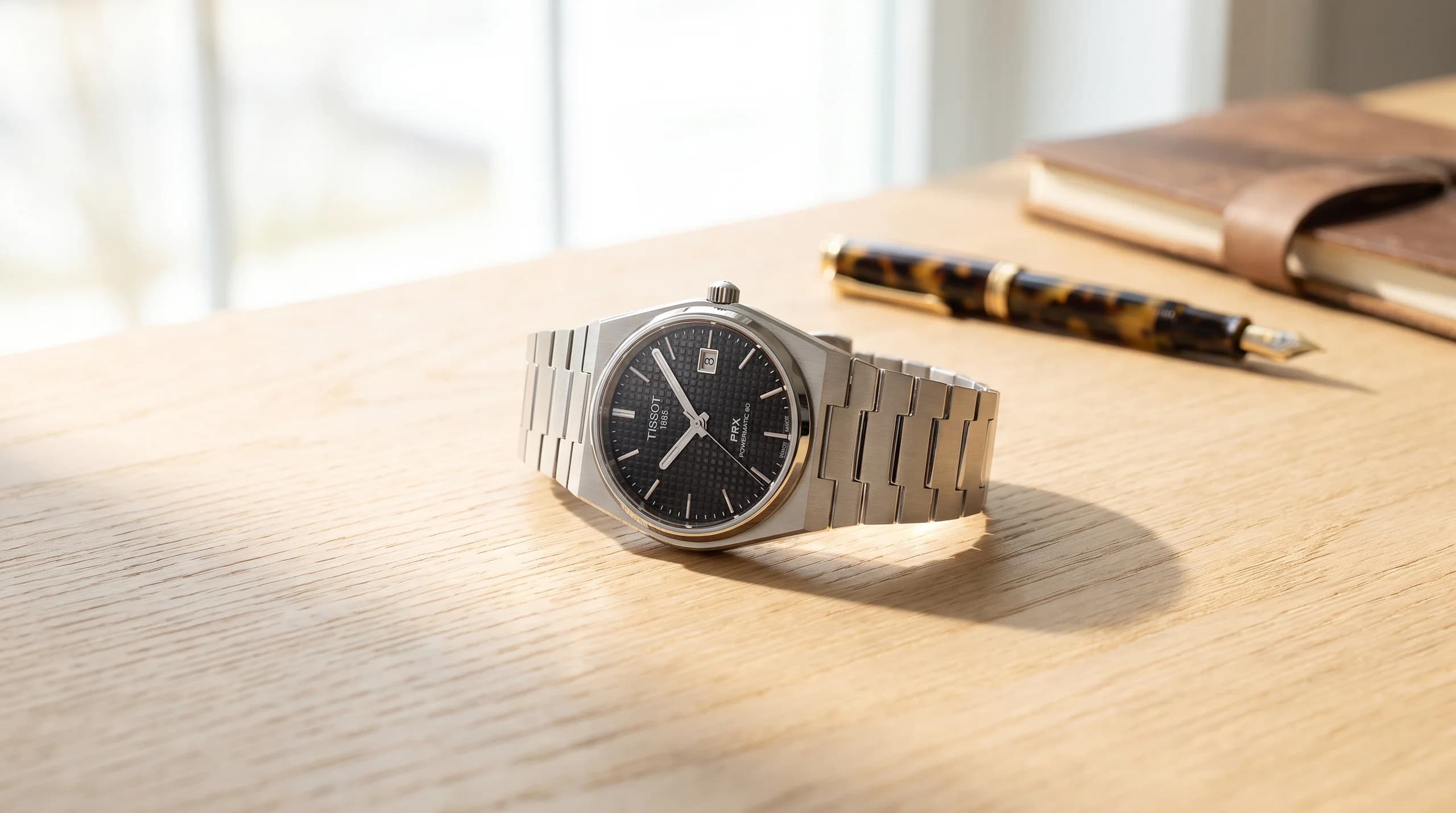
The Tissot PRX and Christopher Ward Twelve are the two watches everyone cross-shops for the integrated-sports look on a budget, and the honest answer is that they are not fighting for the same buyer. The Twelve is the better-finished watch; the PRX is the better deal and the better on-ramp. A working dealer's read on the movements, the finishing, the real prices, and which one is right for you.

Rolex raised retail twice in 2026 while secondary listings hit record highs. The overall market is recovering, but the supply and the price hikes have opened real buyer leverage on everything outside the hyped steel handful, with some gold references already trading below retail. A working dealer's read on the two-speed market and how to price it.

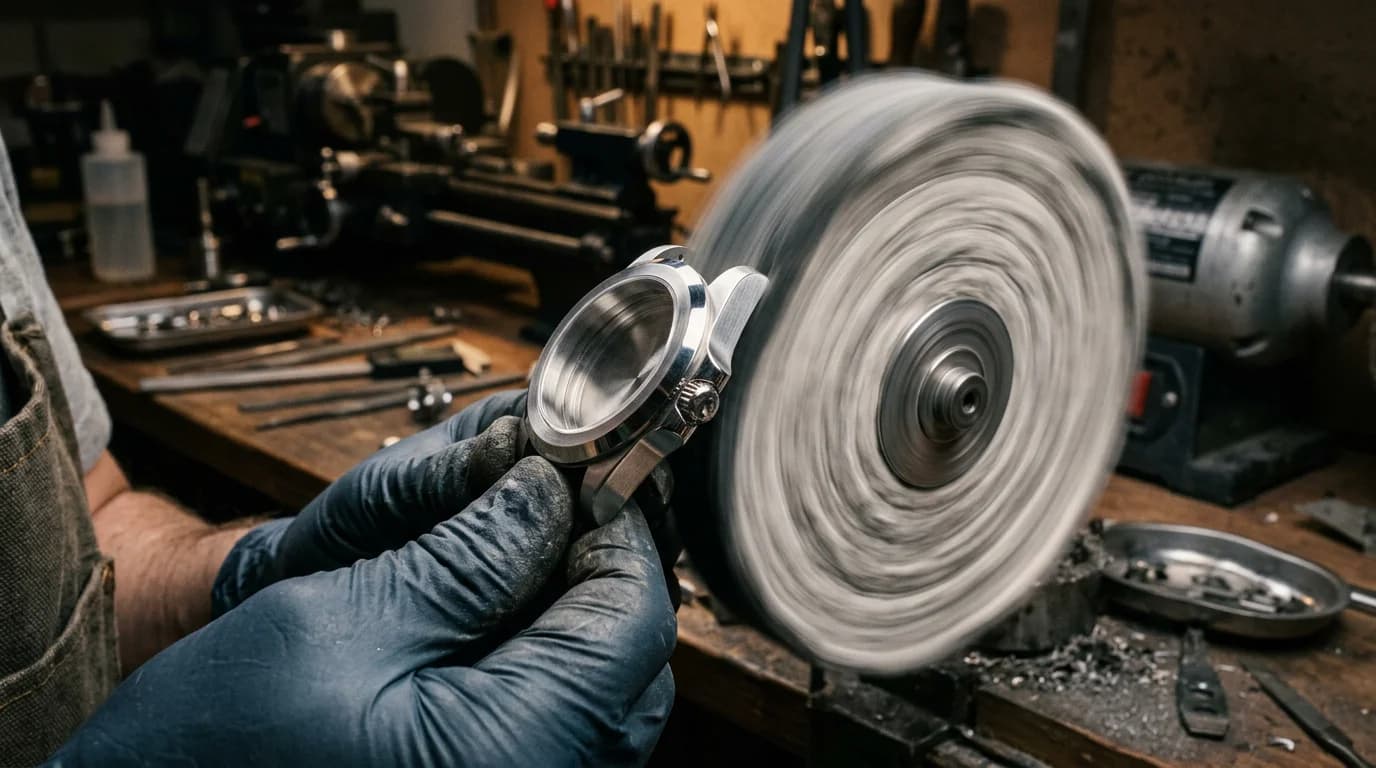
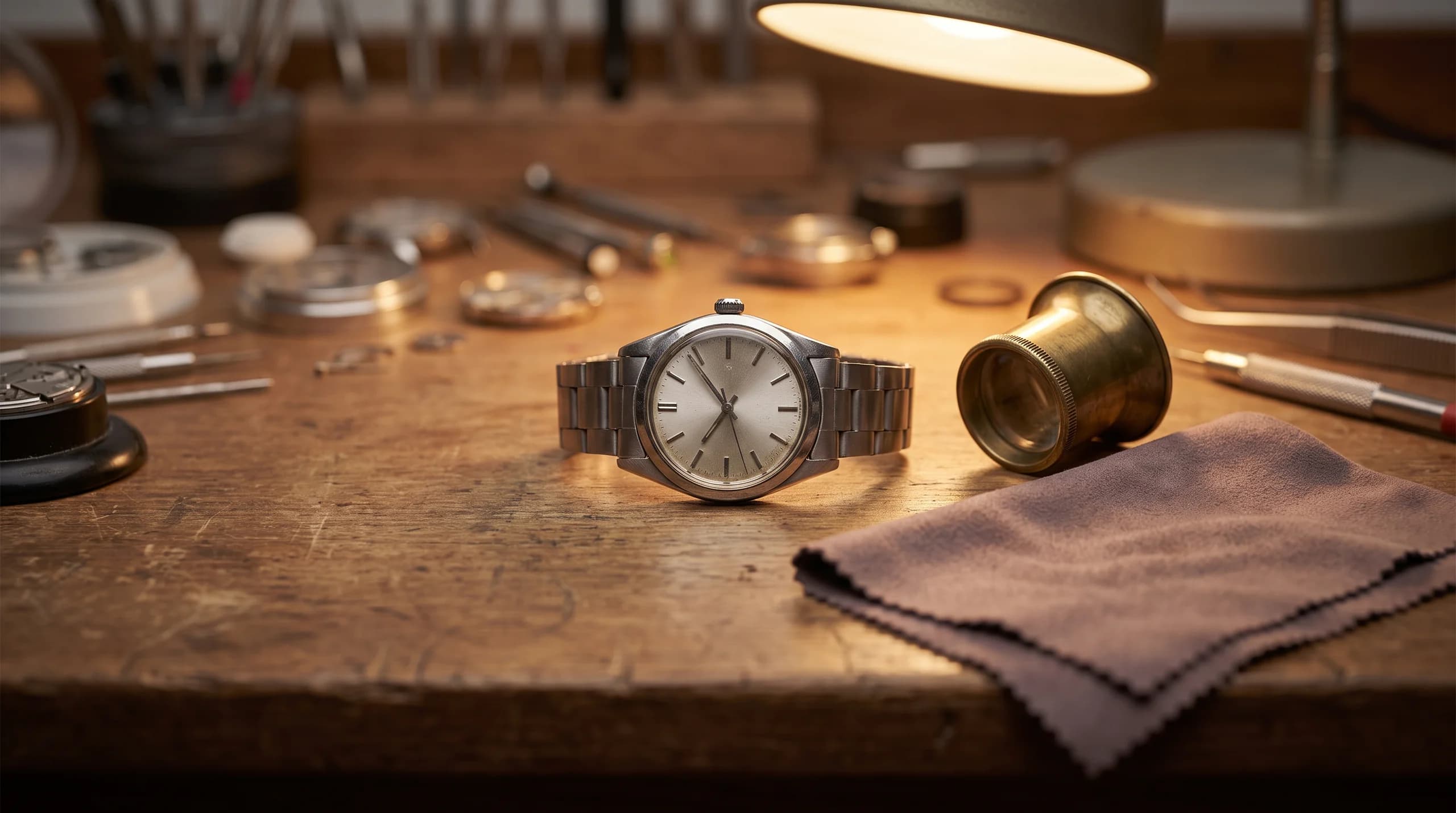
Polishing a tired vintage watch feels like a favor, but on a collectible piece the gleam is usually the sound of value leaving. A working dealer's honest answer on when a polish is fine, when it destroys value, why a service is not a polish, and how to tell a case has been over-polished.

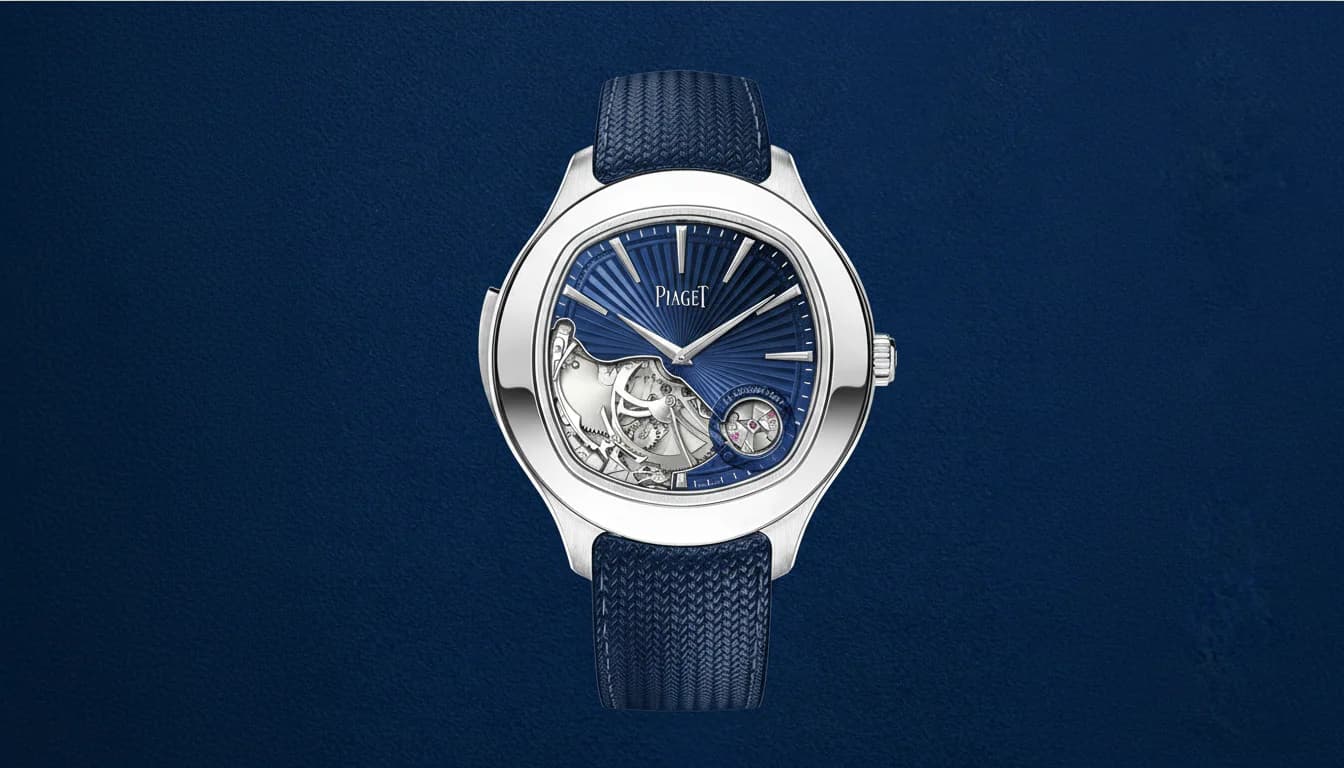
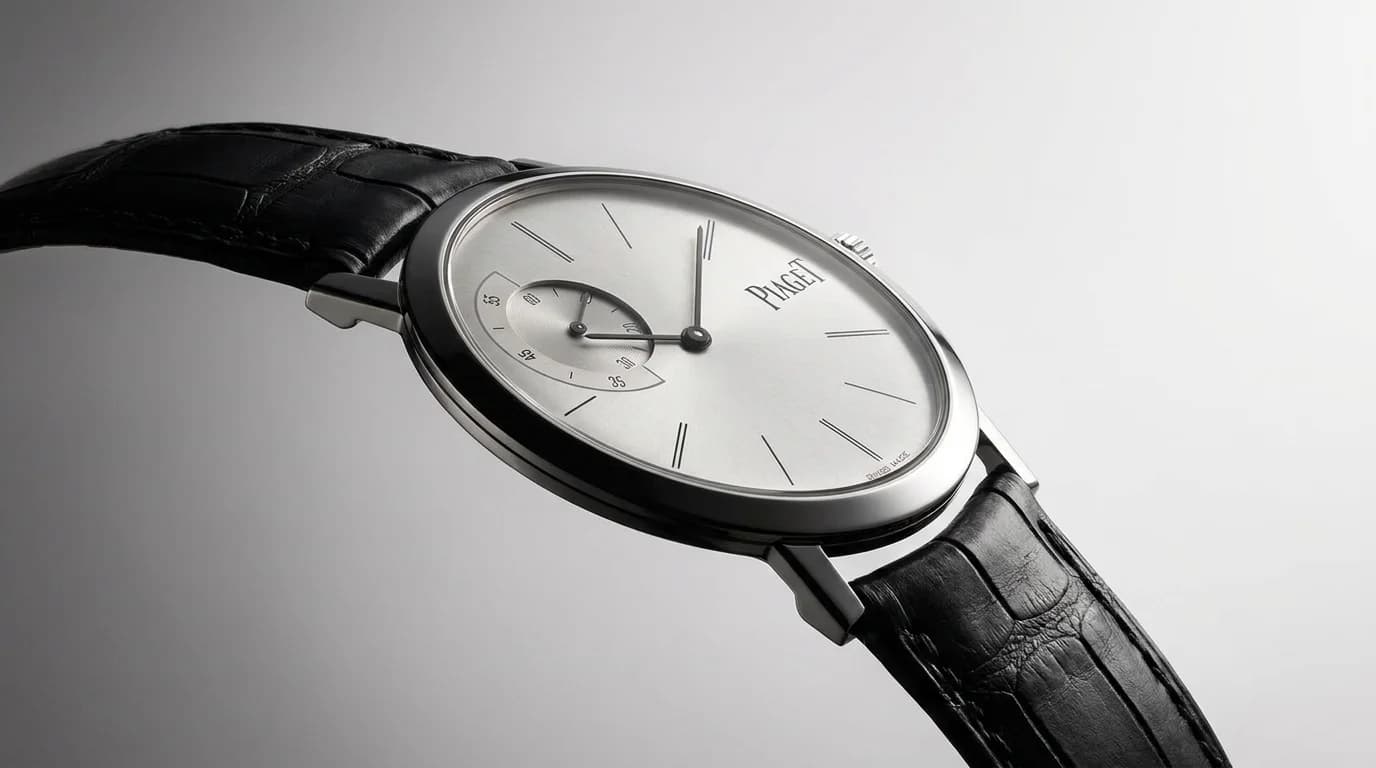
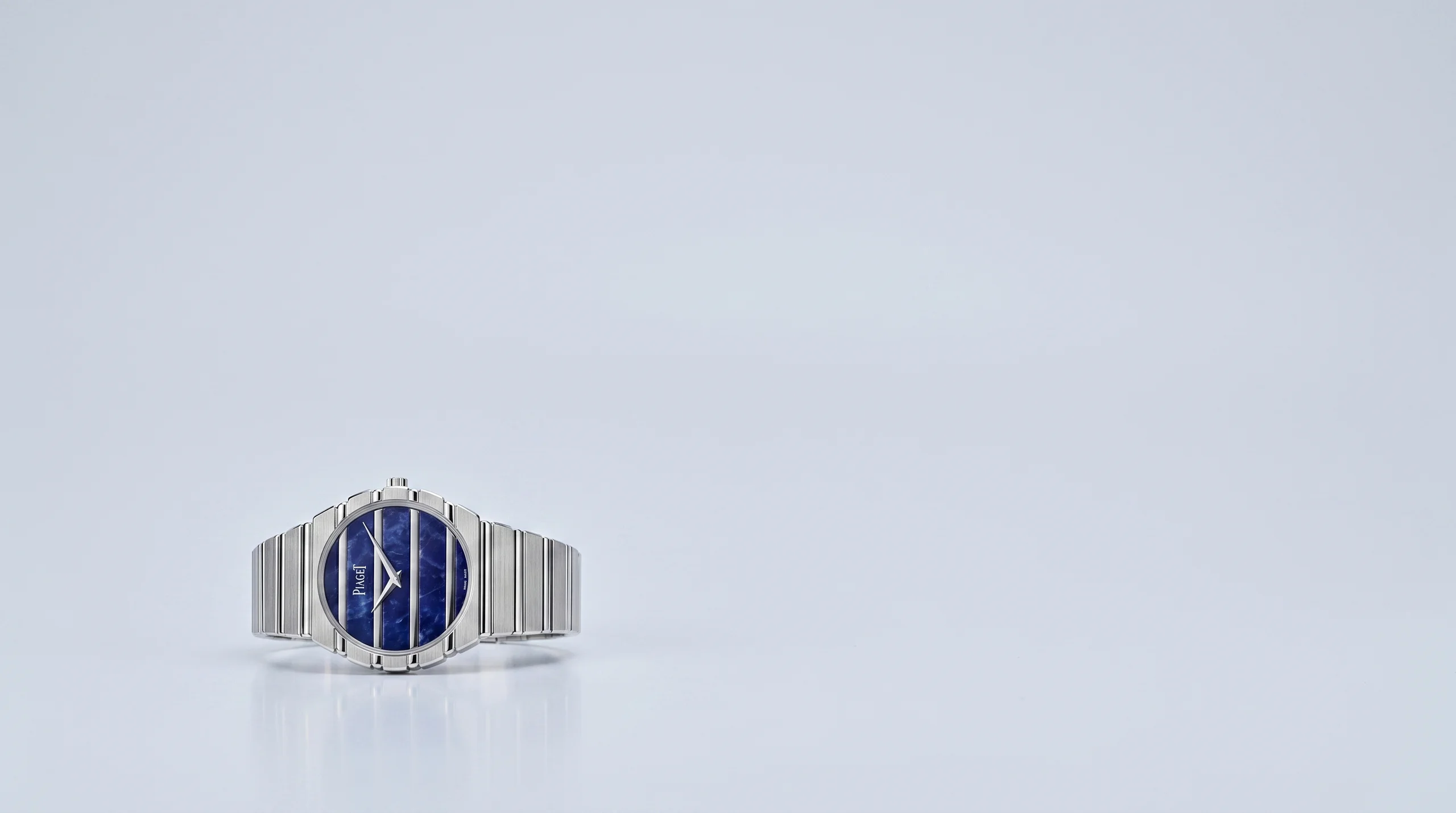
Gerald Genta's steel Royal Oak and Nautilus get the integrated-sports-watch credit. Piaget answered in 1979 by going the other way: solid gold, ultra-thin, and originally quartz. The 2026 Polo 79 in white gold with a sodalite dial revives that idea beautifully, and asks CHF 84,500 for a time-only watch. A working dealer's read on the design, the honest price, and where real Piaget value sits pre-owned.

The Rolex Land-Dweller launched at a 155% premium and has given most of it back, with the 127334 down nearly 40% in a year to roughly 62% over retail. A working dealer's read on what the selloff is, what it is not, and whether Rolex's boldest new watch in a decade is finally a buy.

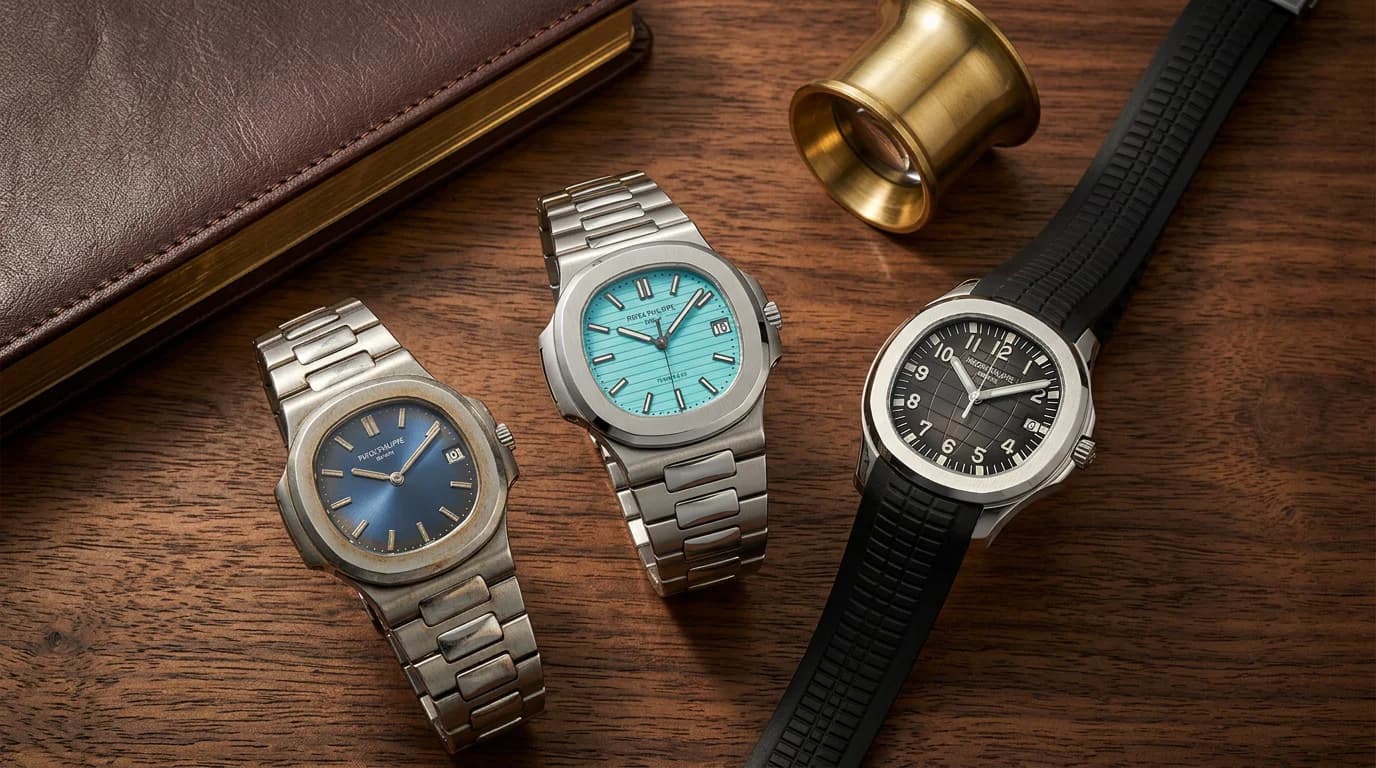
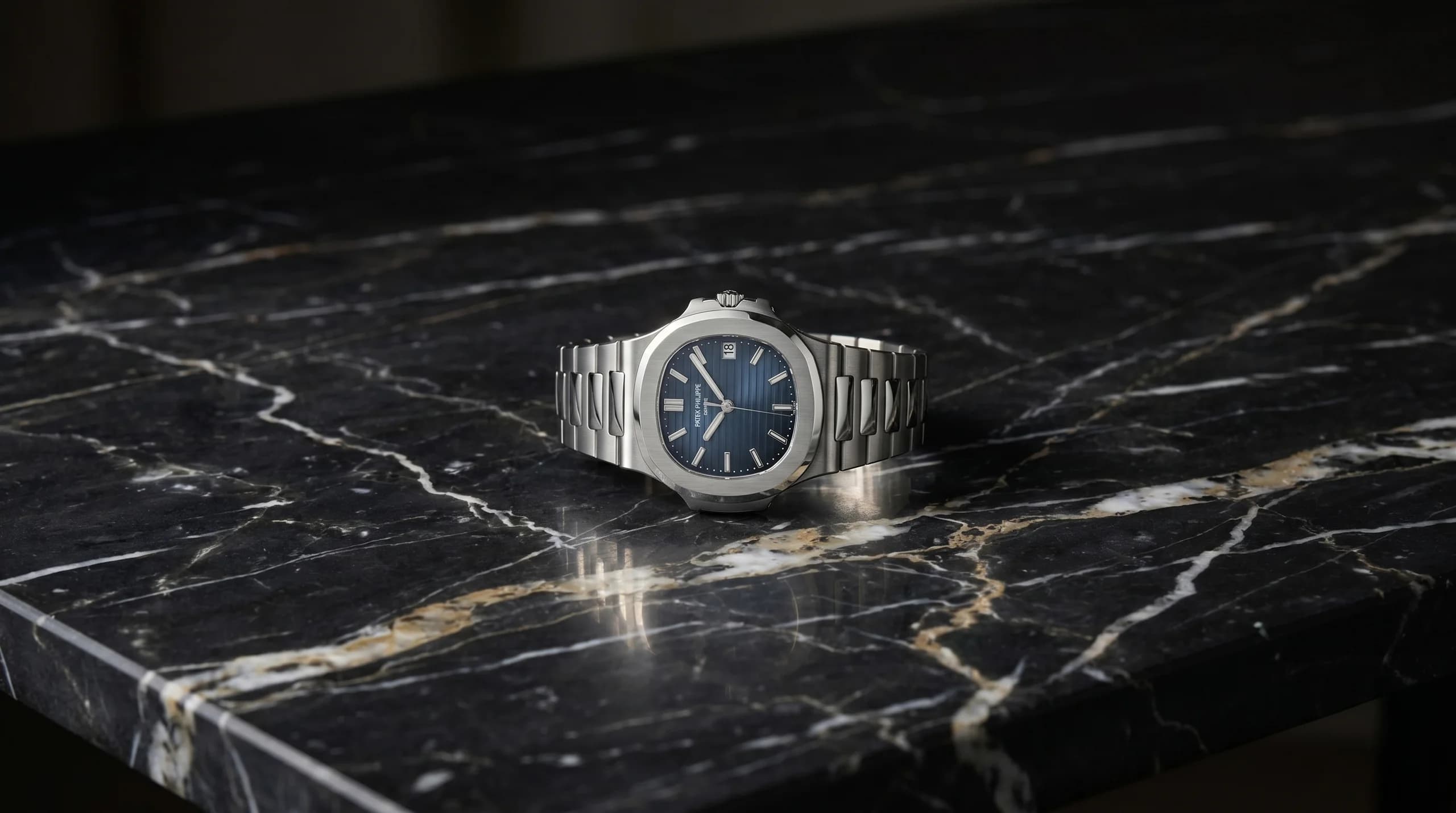
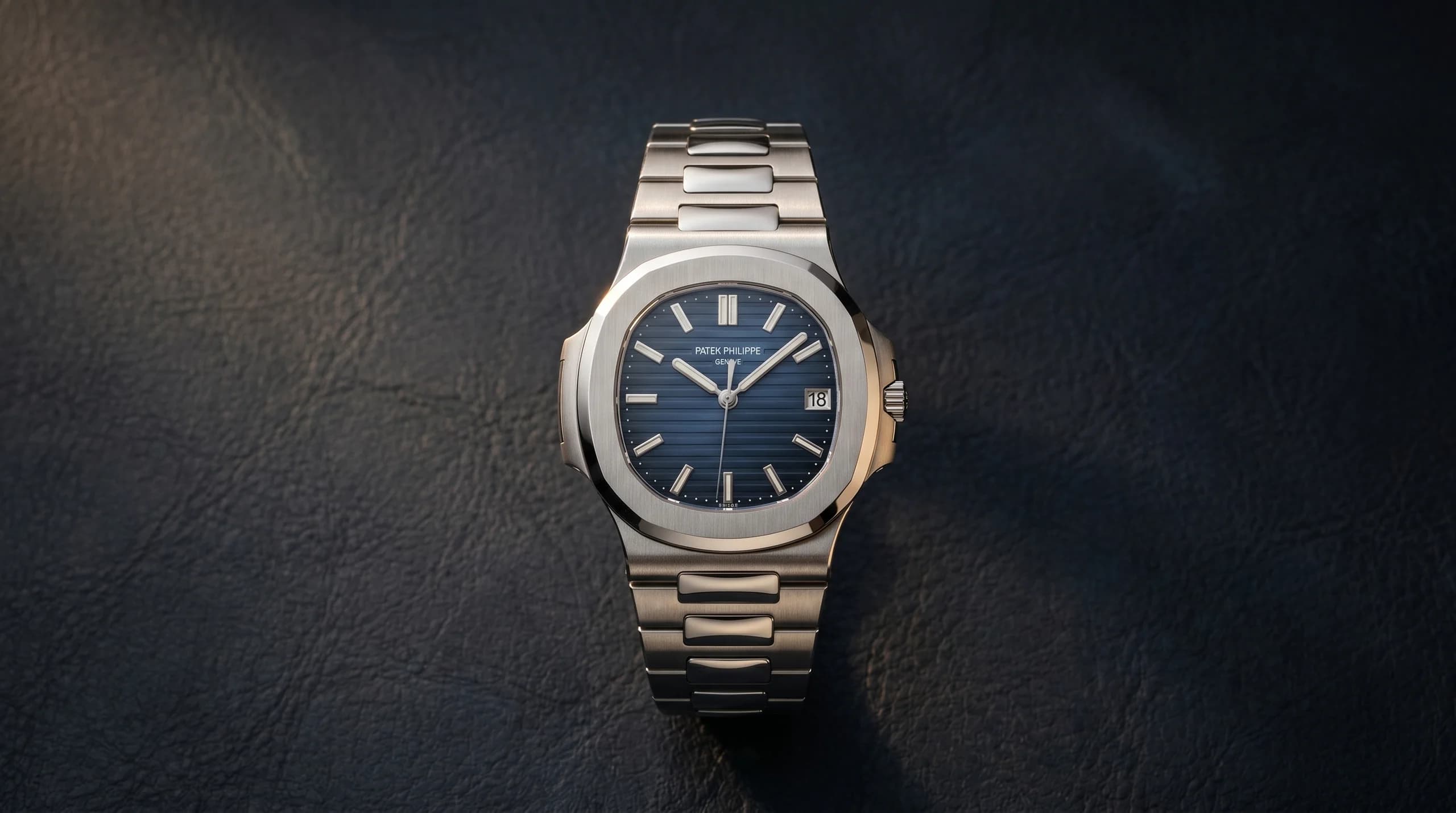
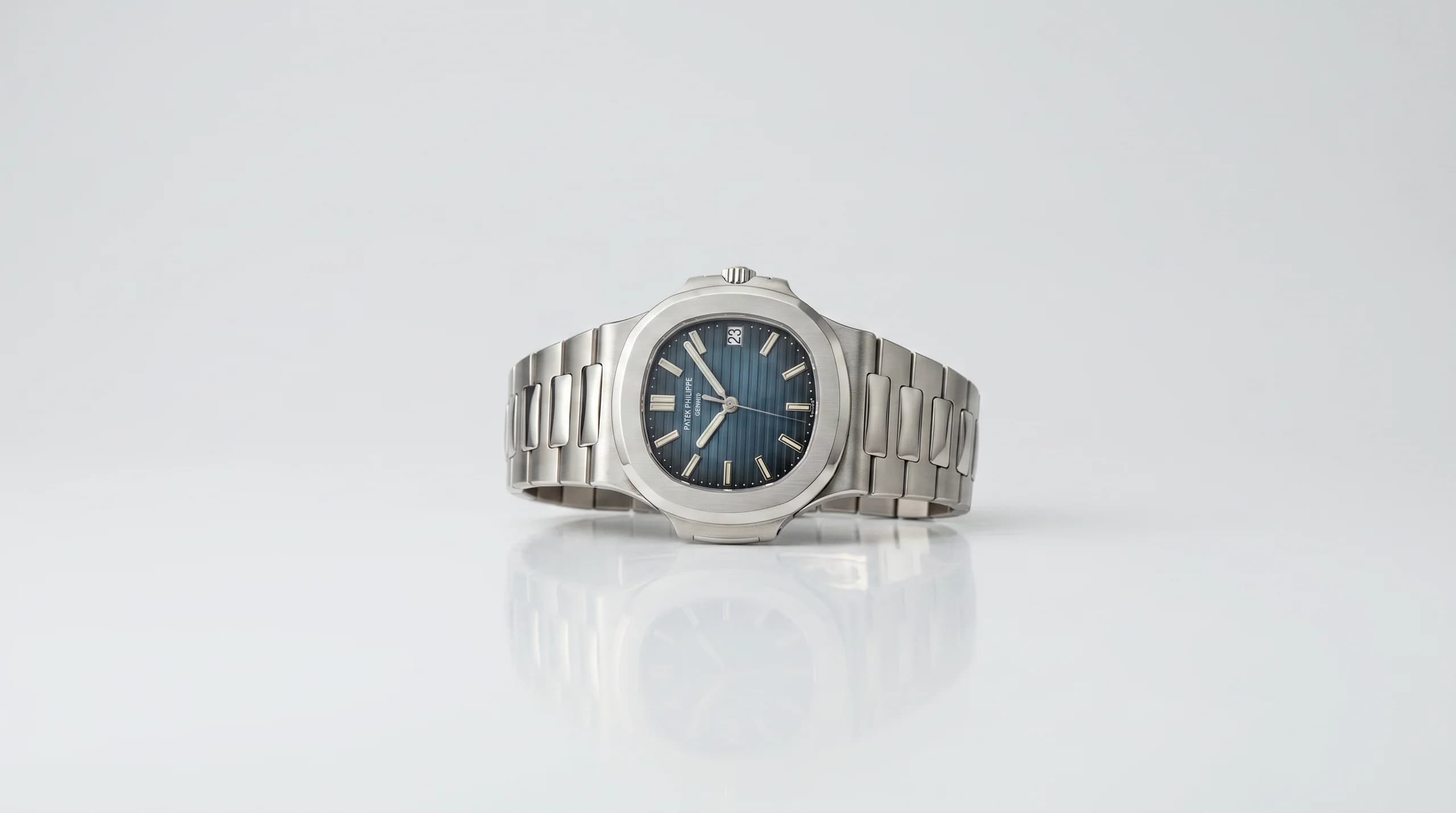
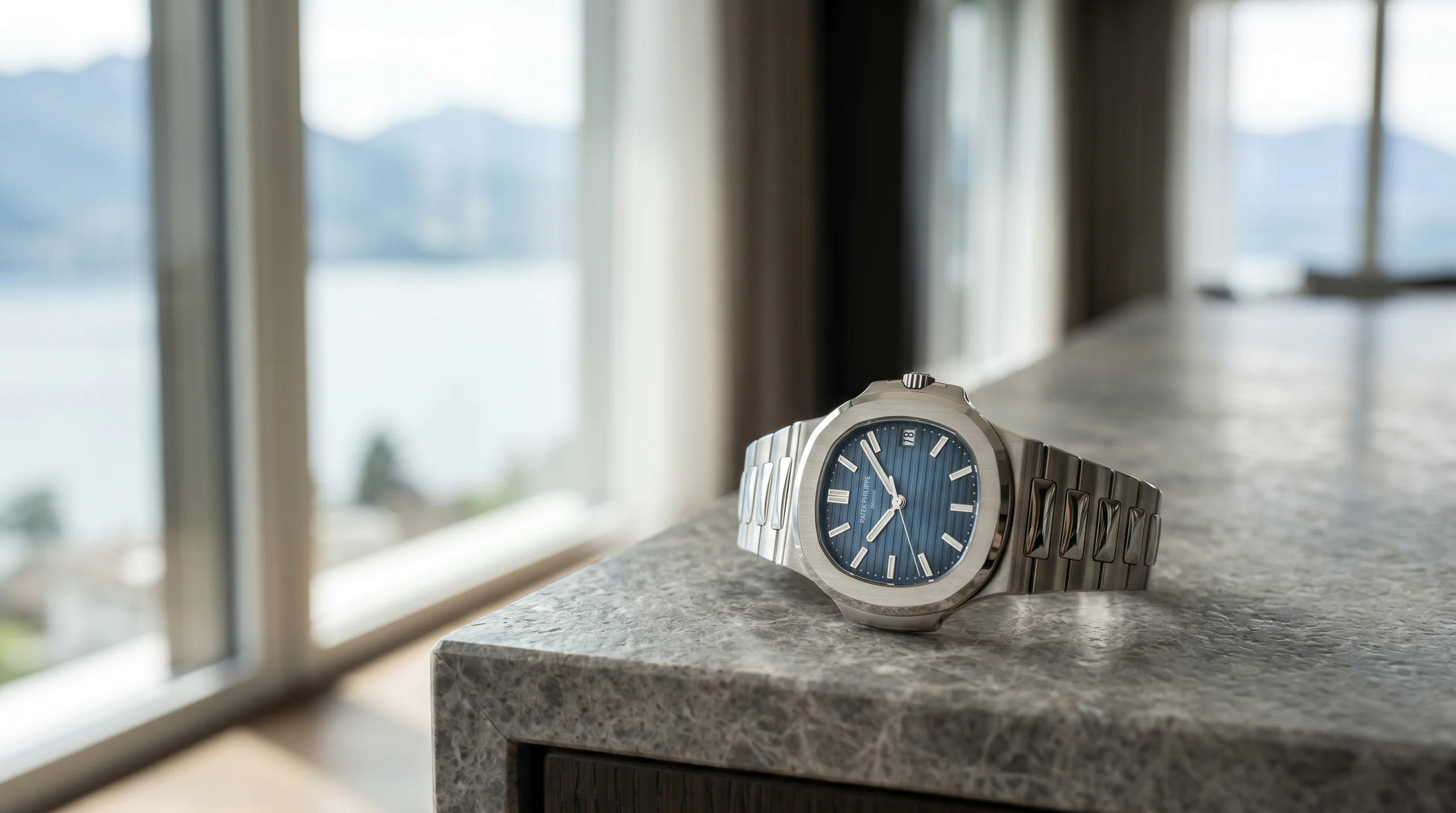
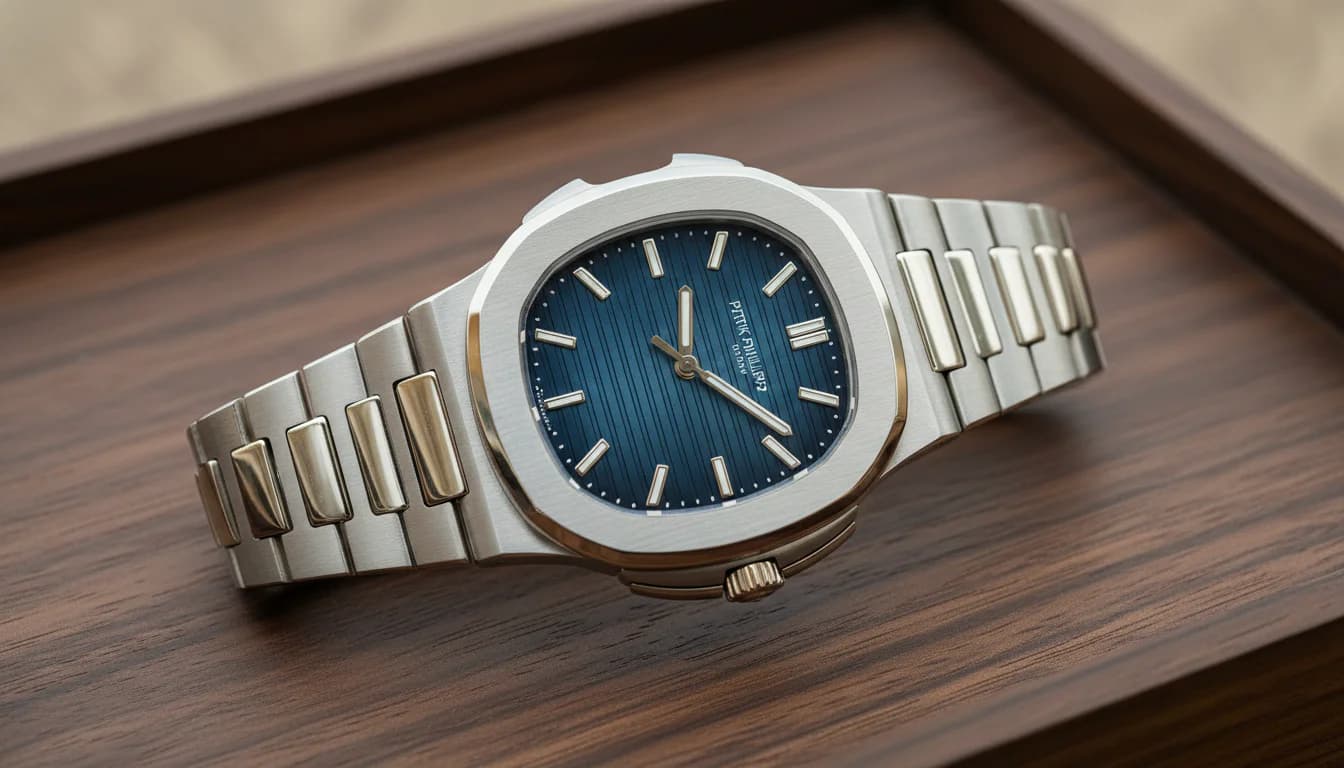
Patek's two sports watches share a surprising amount of DNA but answer different questions. A working dealer's read on the Nautilus versus the Aquanaut: design and heritage, the movement they share, the 2026 market and waitlists, and which one actually belongs on your wrist.

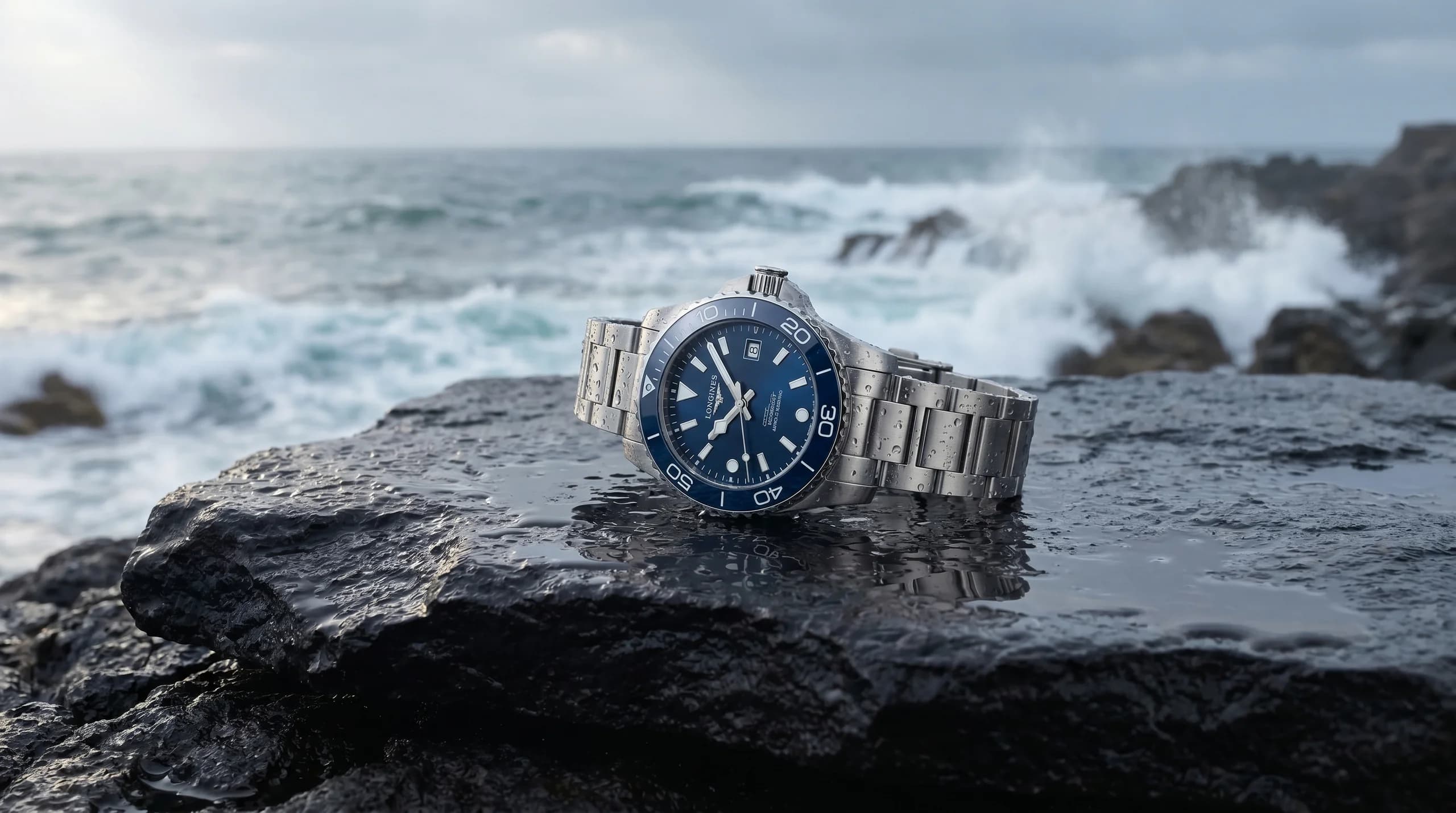
Longines took its most popular diver, fixed the one thing people complained about for years, and barely raised the price. A working dealer's read on the ground-up 2026 HydroConquest redesign, the new Milanese mesh, the upgraded bezel, and why it is the sub-$2,500 Swiss diver to beat.

Titanium or steel is one of the first real forks when buying a sport watch, and neither wins outright. A plain-English read on weight, scratches, corrosion, the alloy grades that actually matter, and a working dealer's take on which metal fits your life and your resale.

Rolesor might be the most misunderstood word in the Rolex catalog. It just means two-tone, steel plus gold, and in 2026 it sits at the center of what Rolex is doing. A working dealer's read on the three variants, where to find them, and why two-tone is the smart-money way into a gold Rolex.

Two travel watches can track the globe and still work in completely opposite ways. A plain-English breakdown of how a GMT and a world timer differ, where dual time fits, and a working dealer's read on which complication suits your life and your resale.

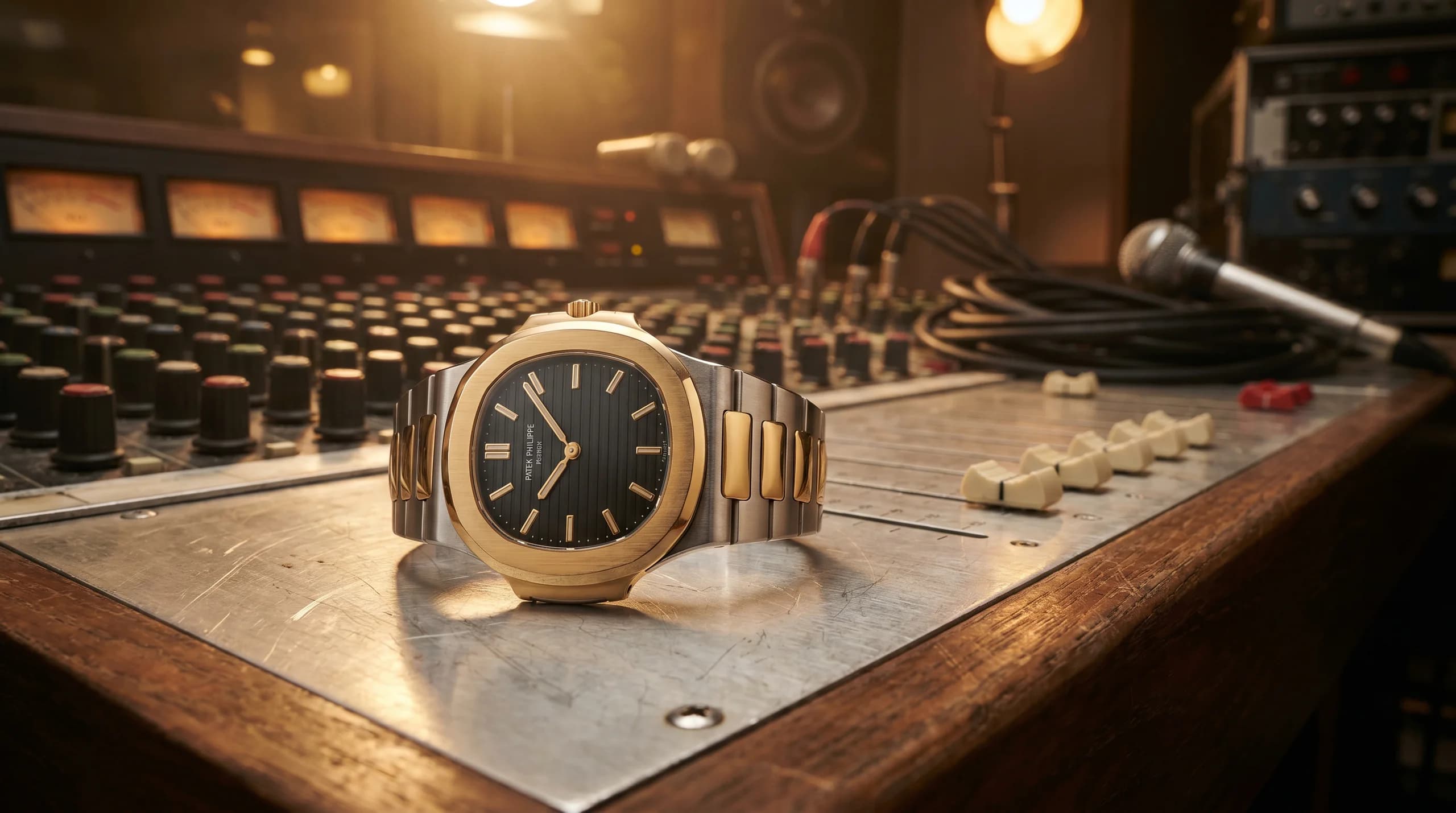
The Patek Philippe Nautilus turns 50 in 2026, and the temptation is to tell it as a victory lap. The better story is the first twenty years, when almost nobody wanted it. A working dealer's read on the watch Genta sketched in five minutes, the Stern family's long game of controlled scarcity, the no-steel anniversary editions, and what it actually takes to buy one today.

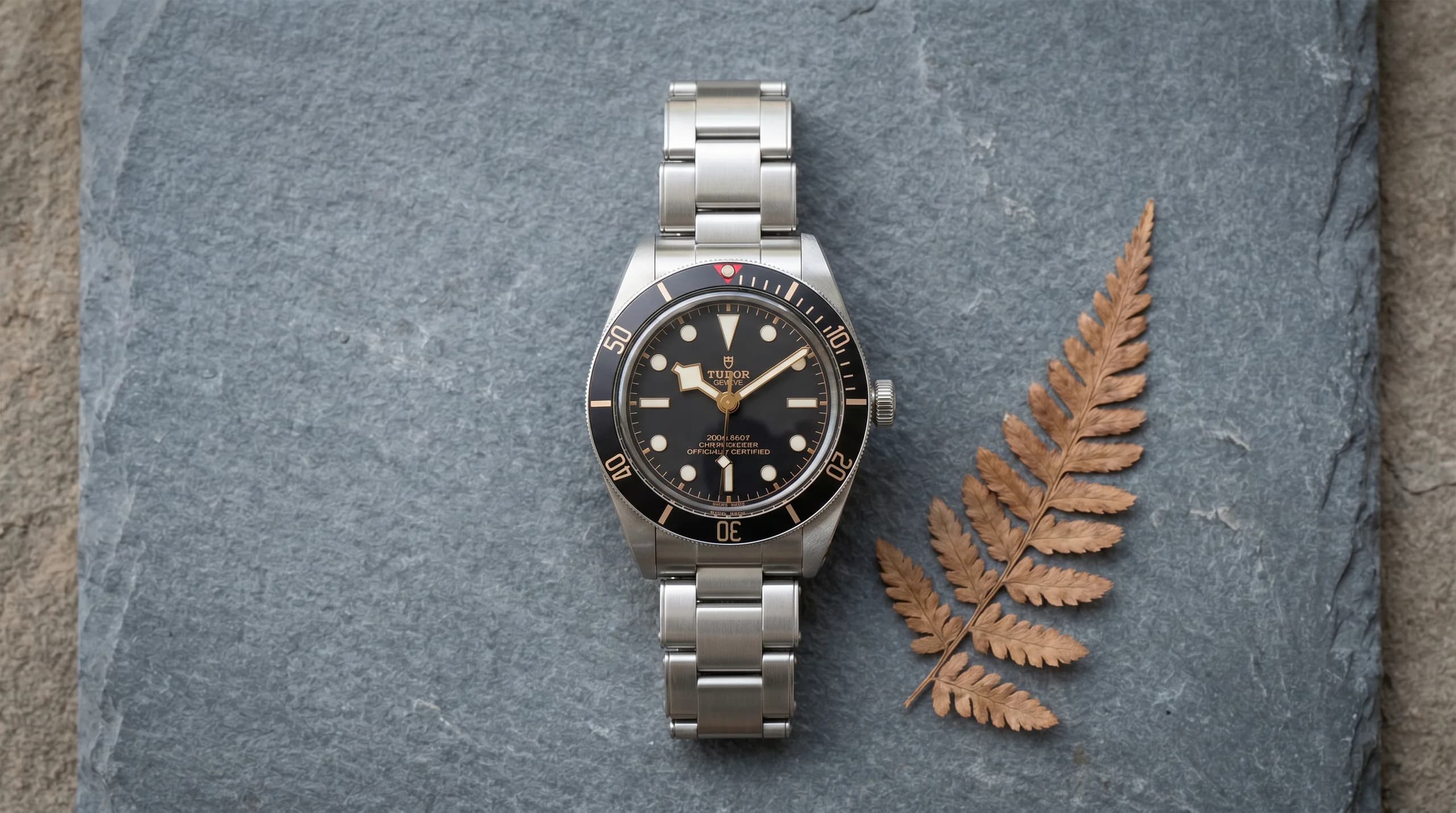
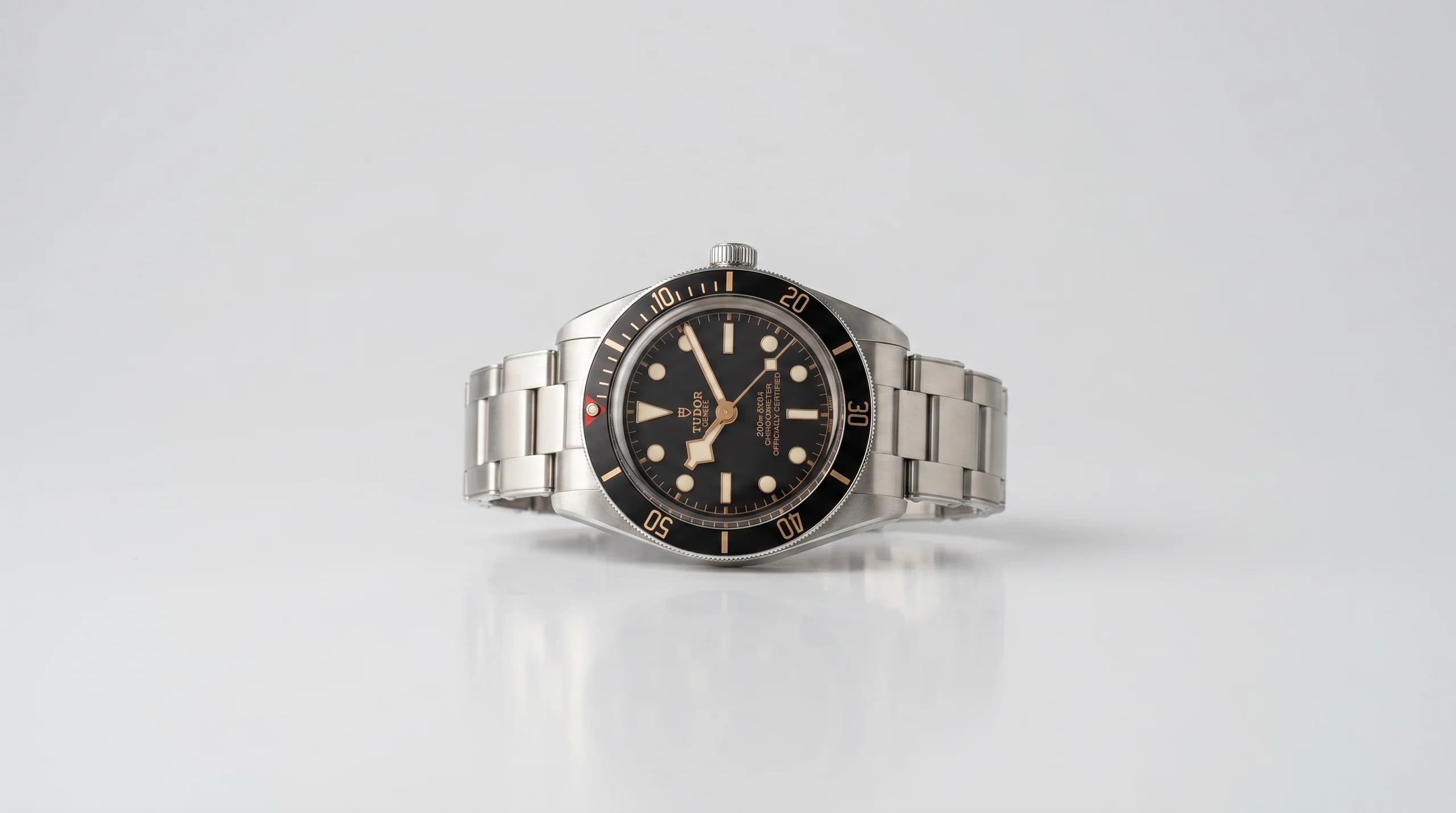
Tudor turns 100 in 2026, and the easy story is a nostalgia lap through old dive watches. The real one is bigger: a brand born to be the cheaper Rolex spent its centenary proving it no longer needs the comparison. A working dealer's read on what 1926 actually was, the in-house and METAS transformation that changed everything, the Watches and Wonders centenary releases, and what Tudor at 100 means if you are buying.

For a decade watches only got bigger. That run is over. In 2026 the proof is not another trend piece, it is brands spending real money at Watches and Wonders to shrink watches they already sold. A working dealer's read on the move back to 36 to 39mm, why it happened, the one measurement that matters more than diameter, and what the shift quietly does to resale value.

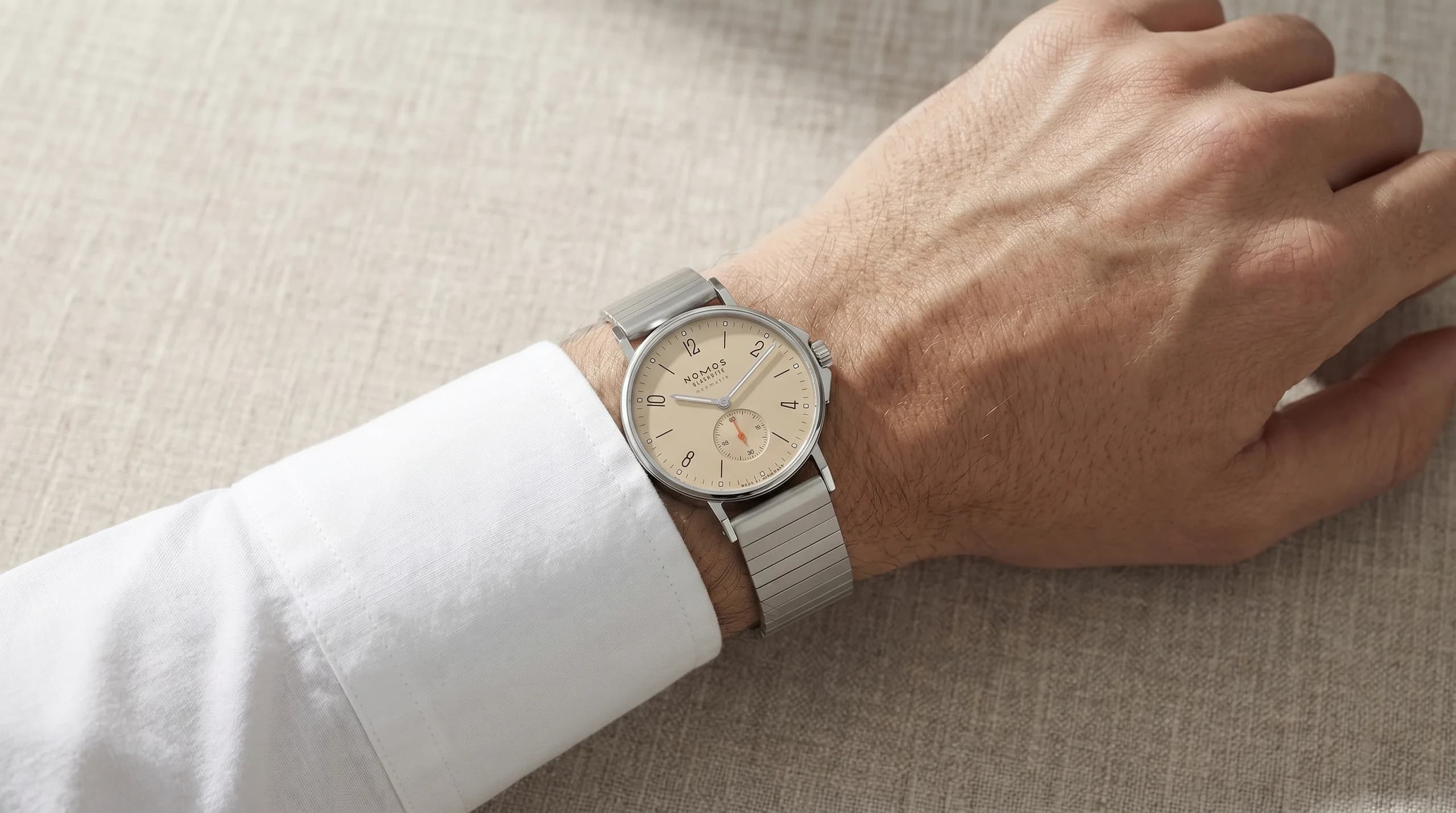
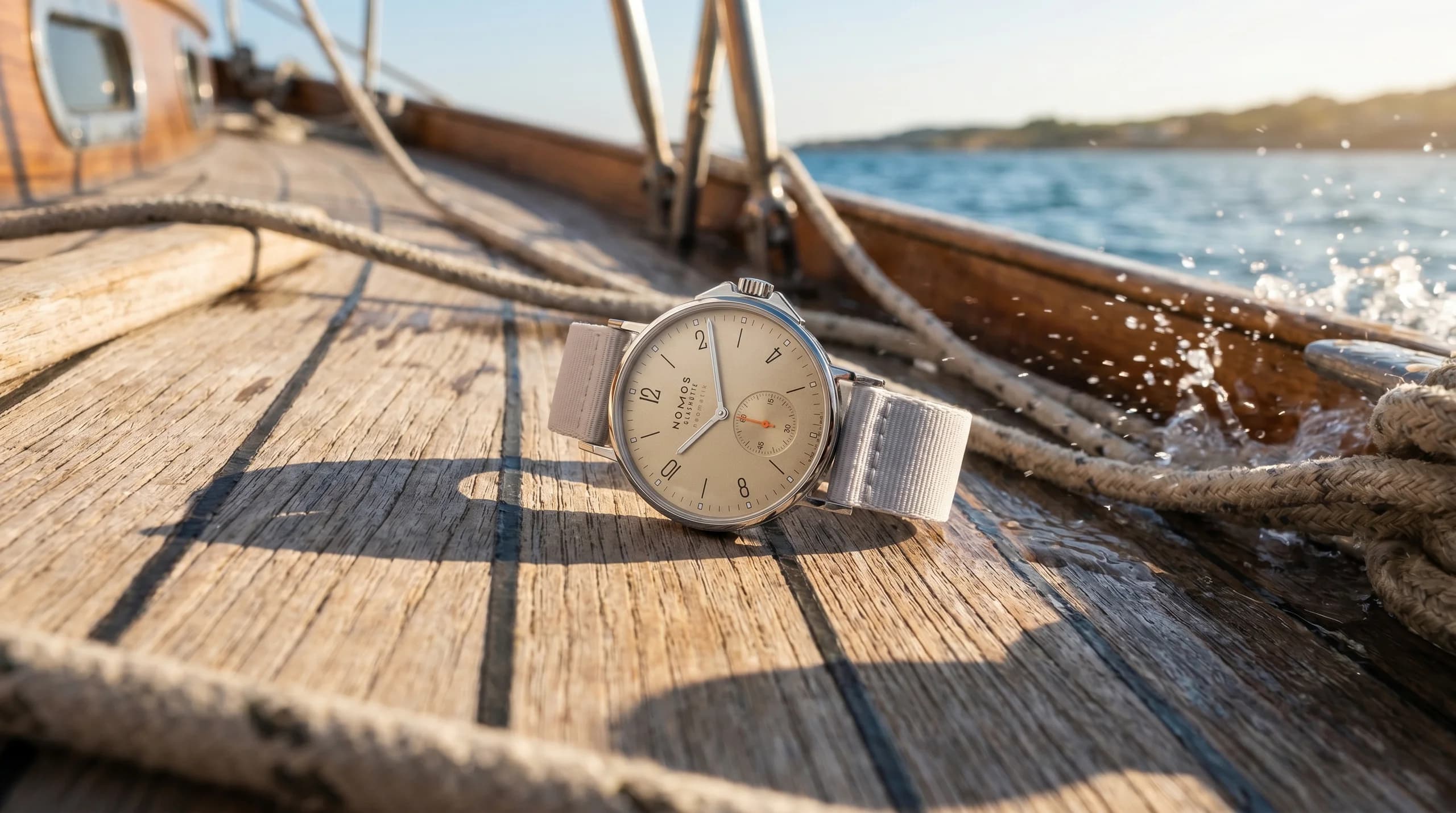
Nomos brought its Sky and Sand dials down to the compact 36.3mm no-date Ahoi Neomatik, and the case, not the colors, is the real story. A working dealer's read on a genuine 200m manufacture sports watch that stays under 10mm thick, what it costs, the honest caveats around those long Nomos lugs, and why the right size beats another millimeter of dial.

Price on request shows up on the most expensive watches in the room, and most buyers read it as proof the watch is too rare to price. It almost never means that. A working dealer's read on what POR actually signals, the two very different places you see it, why sellers hide a knowable number, and exactly how to respond as a buyer.

On June 17, 2026, Rolex unveiled a permanent clock above the rink at Rockefeller Center and became the landmark's Exclusive Timepiece Partner, days ahead of opening its new North American headquarters on Fifth Avenue. A working dealer's read on why Rolex builds public landmarks, how the clock's design quietly argues for the brand, and what that cultural saturation means for anyone buying or selling pre-owned Rolex.

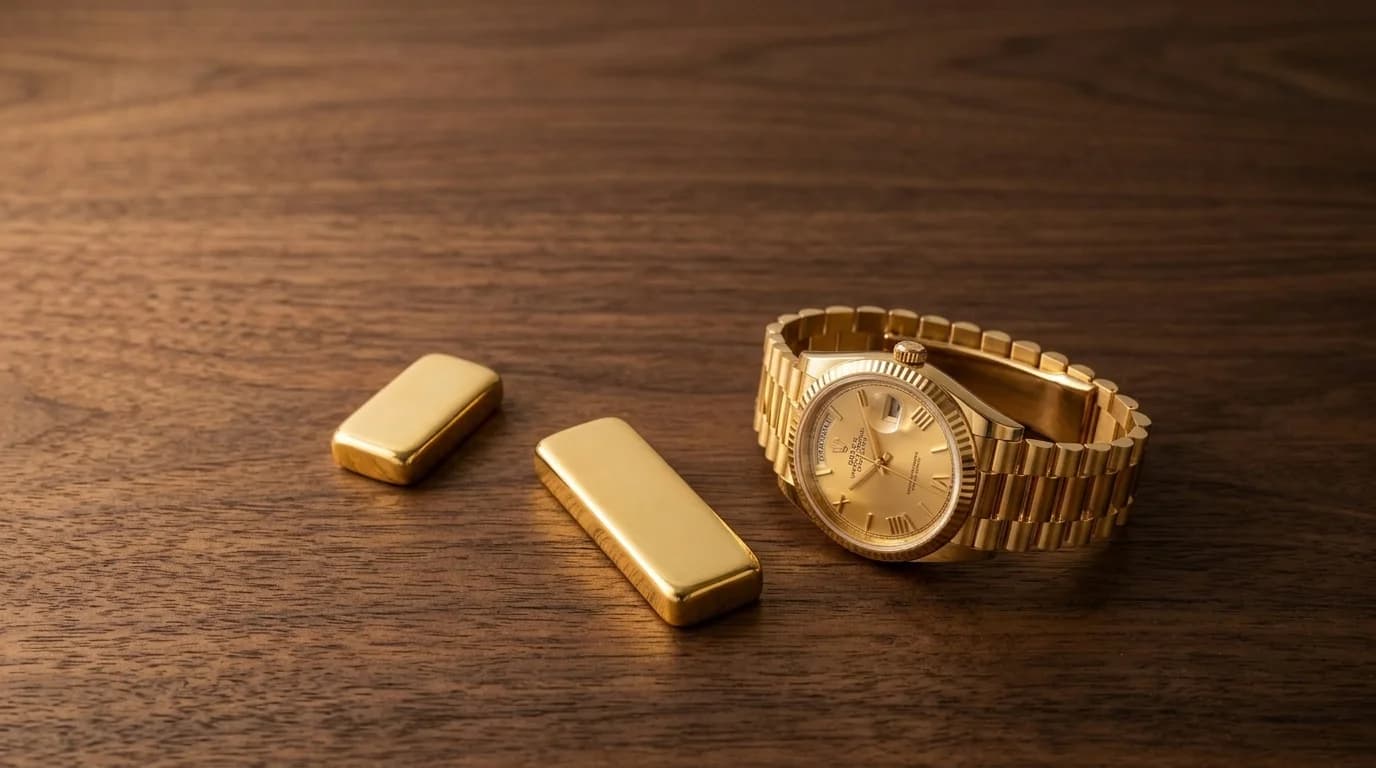
For most of the last century platinum cost more than gold, and a platinum watch cost more than the same watch in gold. That has flipped: as of late June 2026, gold trades near $4,130 an ounce and platinum near $1,700, putting gold at roughly 2.4 times platinum. A working dealer's read on how the metals got here, why the ratio inverted, and what the gap means for anyone buying a precious-metal watch, from rising gold model prices to the quietly undervalued platinum dress watch.

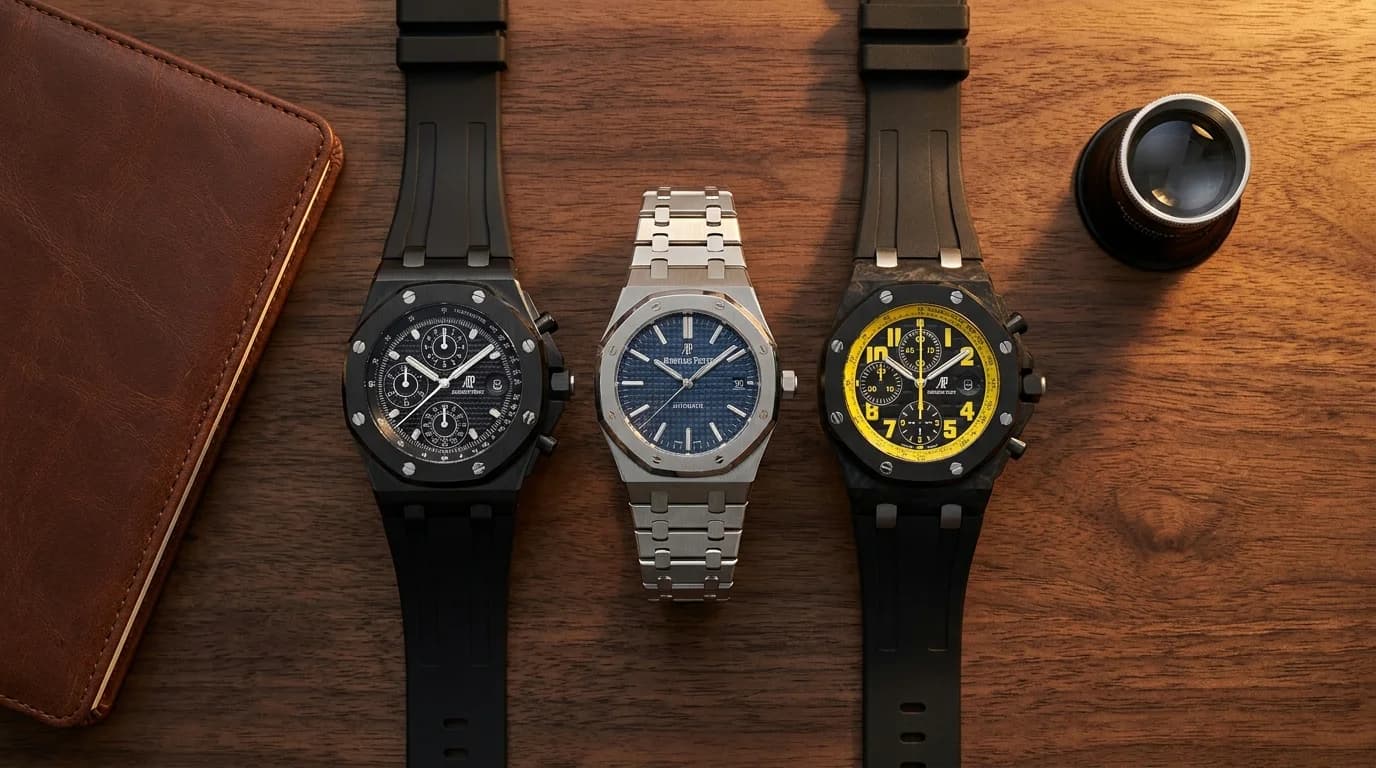
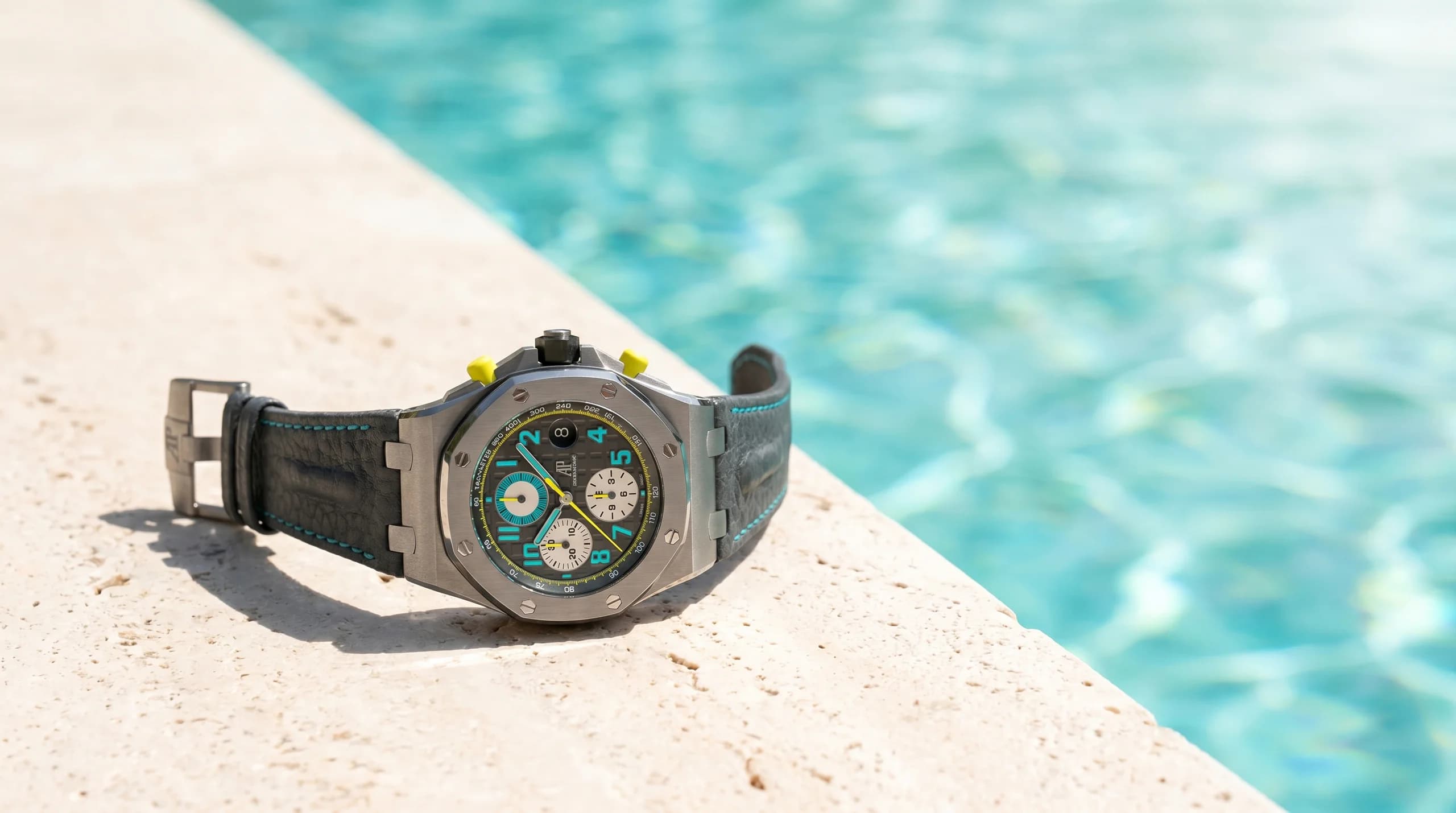
For summer 2026, Audemars Piguet released three vibrant 42mm Royal Oak Offshore Chronographs, and the titanium turquoise-and-yellow Ref. 26238TI.OO.A001VE.01 is the boldest of them: the only one in titanium, the only one with two accent colours, and priced at roughly $42,500 with no titanium premium over the steel pair. A working dealer's read on the loudest AP release in years, the Calibre 4404 flyback inside, why titanium is the value pick of the trio, and how the patient pre-owned buyer tends to beat the boutique waitlist on colourful statement Offshores.

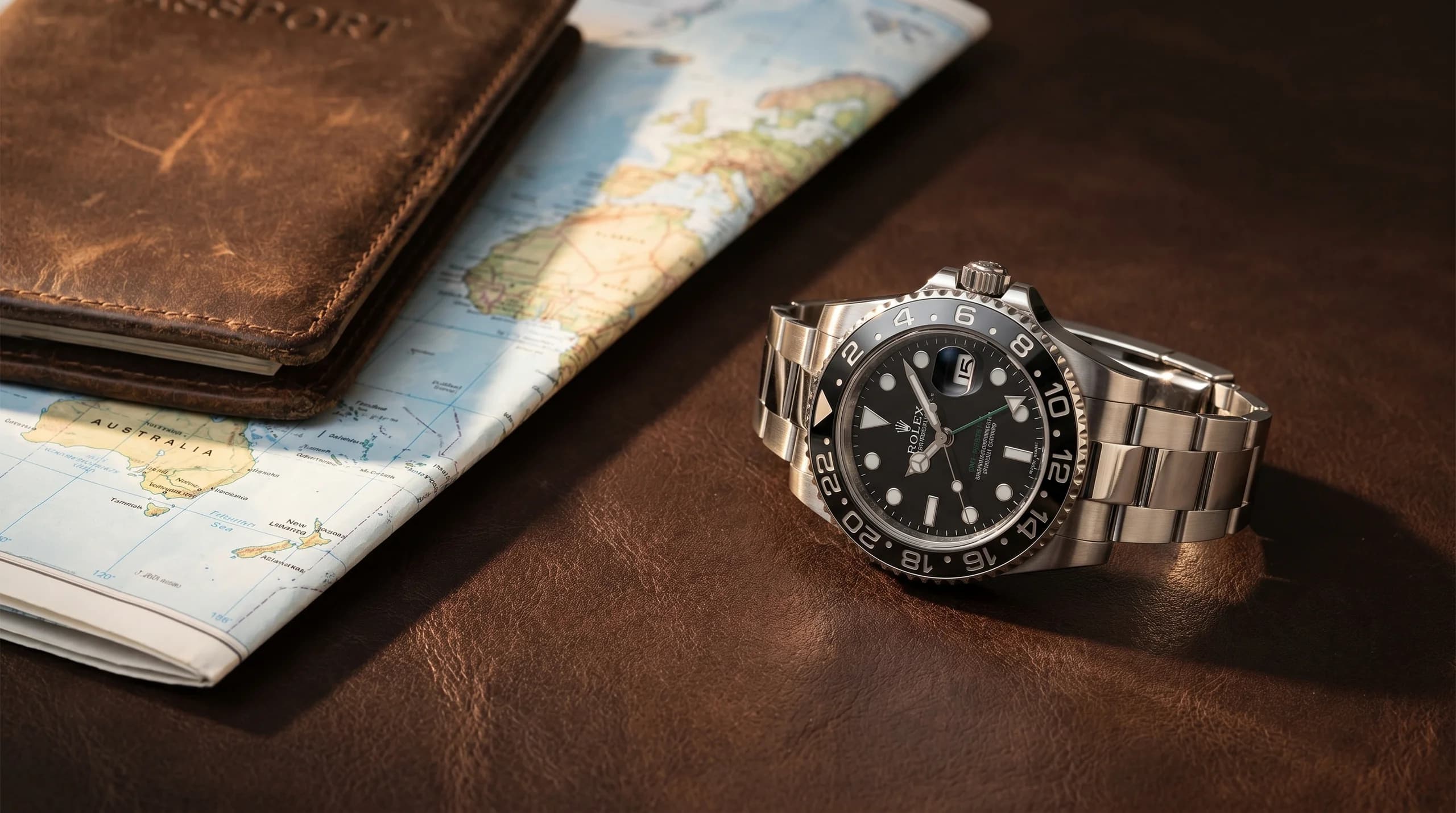
Flyer and caller GMTs both add a hand for a second time zone, but they work in opposite ways: a flyer jumps the local hour hand for people who actually travel, while a caller sets the 24-hour hand for tracking one zone from a desk. A working dealer's guide to which GMT mechanism fits your life, why the "true GMT" label is a misnomer, and where the value sits from the Rolex GMT-Master II to the Tudor Black Bay 58 GMT.

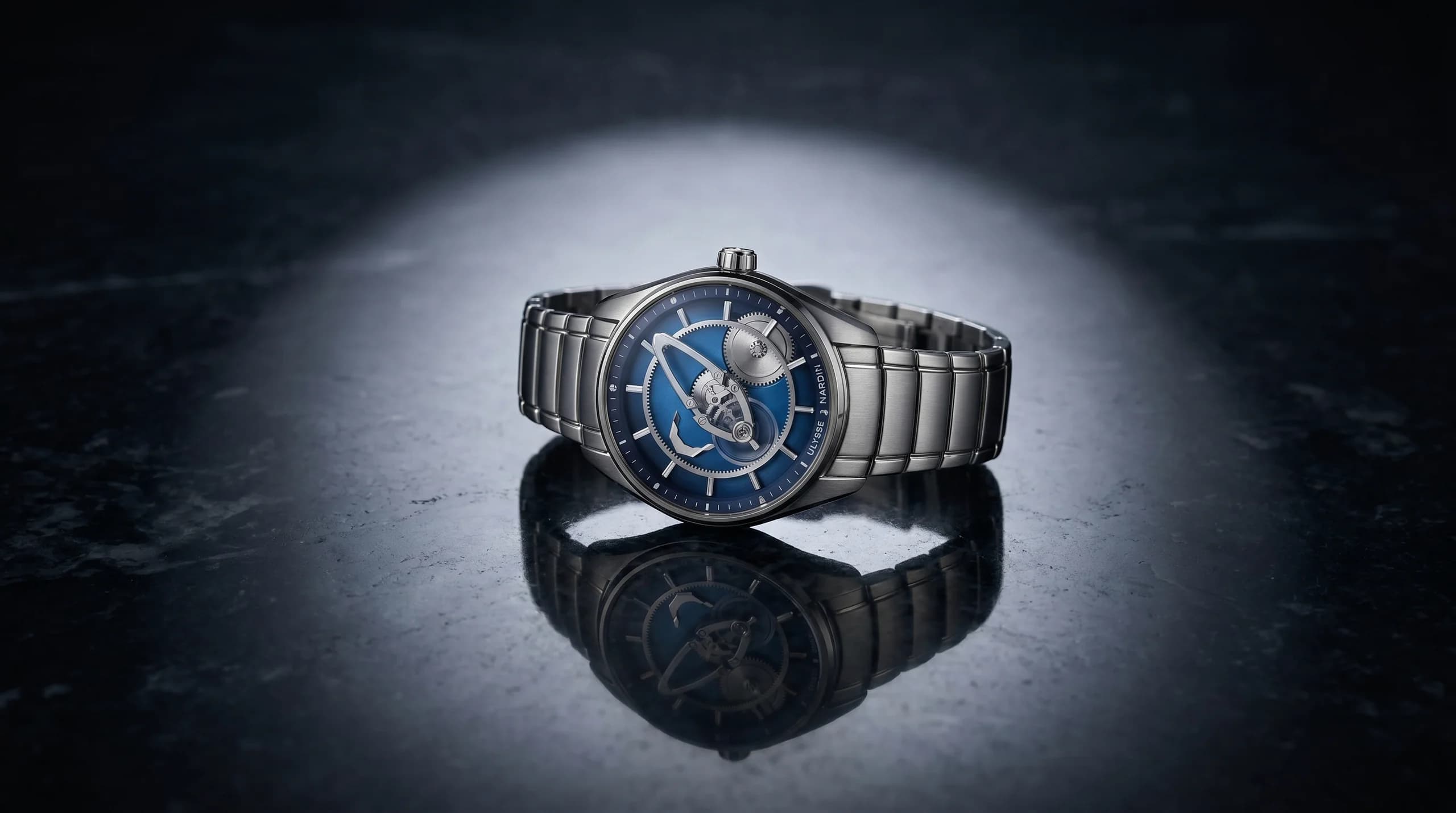
In 2001 the Ulysse Nardin Freak threw out the crown, the hands, and the dial, and became the first production watch to use silicon, a material now found across Rolex, Omega, and Patek. For its 25th anniversary in 2026, Ulysse Nardin released the CHF 320,000 Super Freak and a more wearable new Freak X. A working dealer's read on watchmaking's great outlier, and why a market obsessed with flips keeps overlooking it.

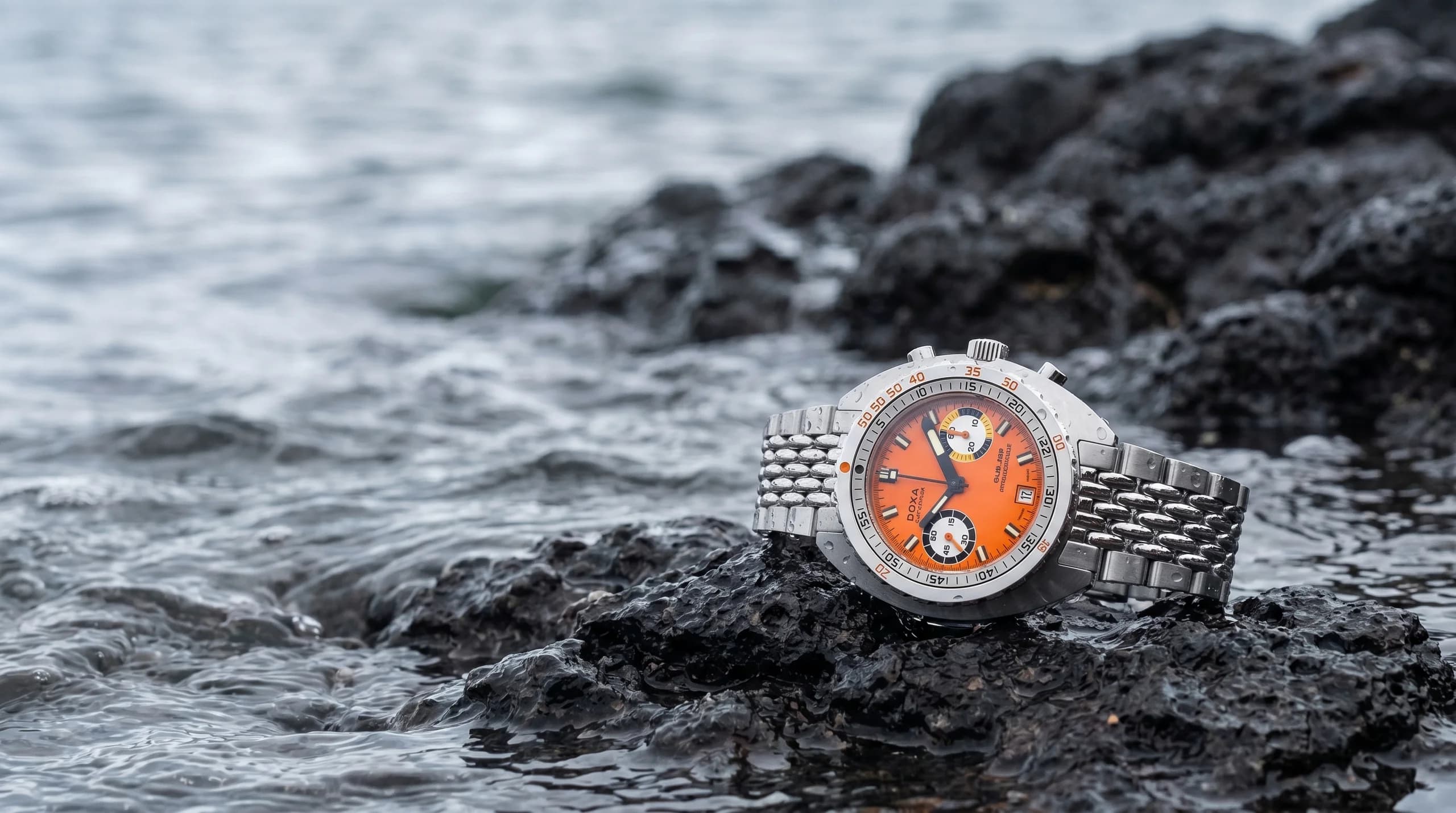
Doxa is older than Rolex and adored by dive-watch purists, yet most people have never heard the name. The 2026 SUB 200 T.GRAPH II revives the brand's 1969 dive chronograph with a smaller 42mm case, a Sellita SW510, and a new Caribbean blue dial at $4,250. A working dealer's read on why it is a heritage reissue done exactly right.

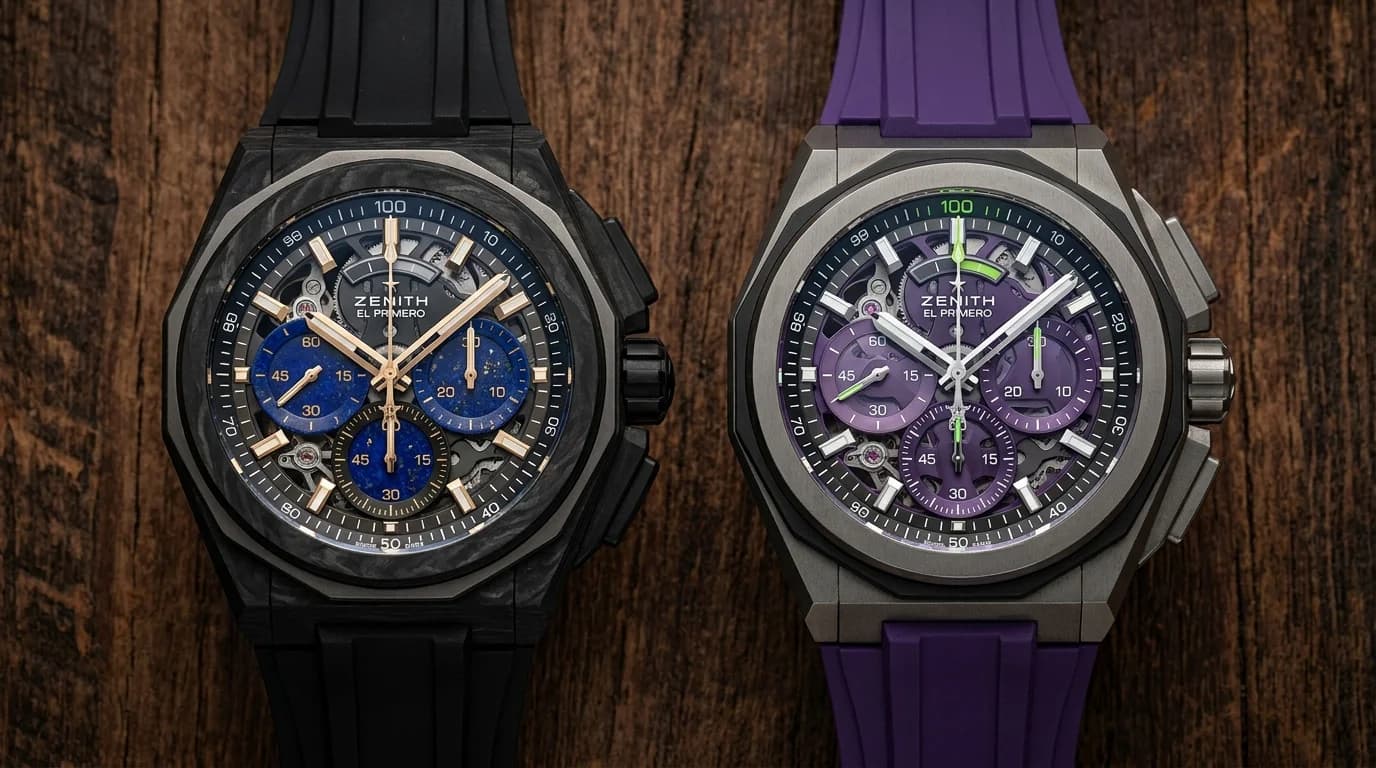
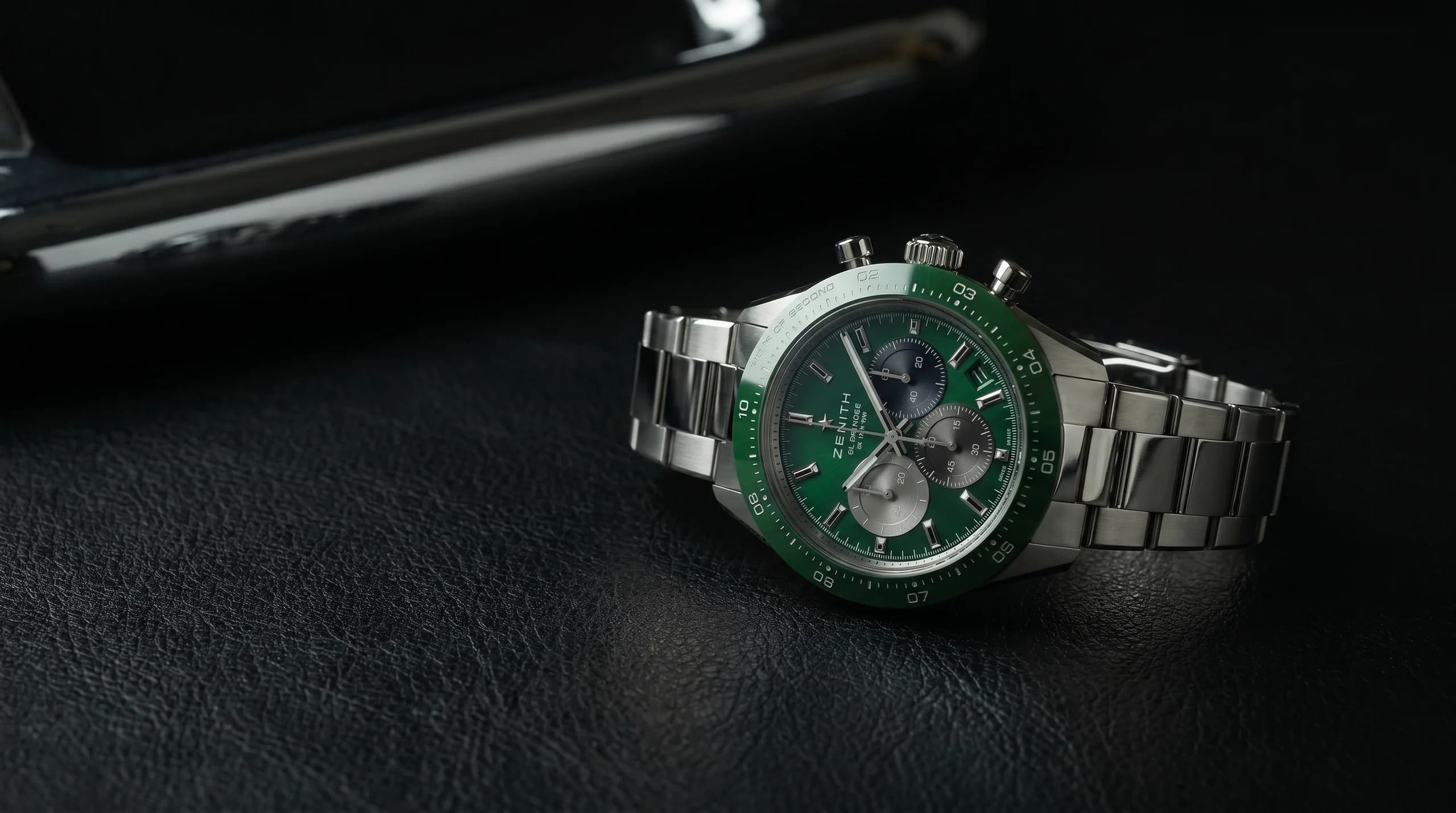
Zenith's El Primero was among the first automatic chronographs, runs at a high 5Hz that times to a tenth of a second, and powered the Rolex Daytona from 1988 to 2000. Yet a steel Chronomaster Sport trades around 10,000 dollars, a third of that Daytona. A working dealer's read on the manufacture chronograph the market keeps overlooking, and the watchmaker who hid its tooling in an attic to save it.

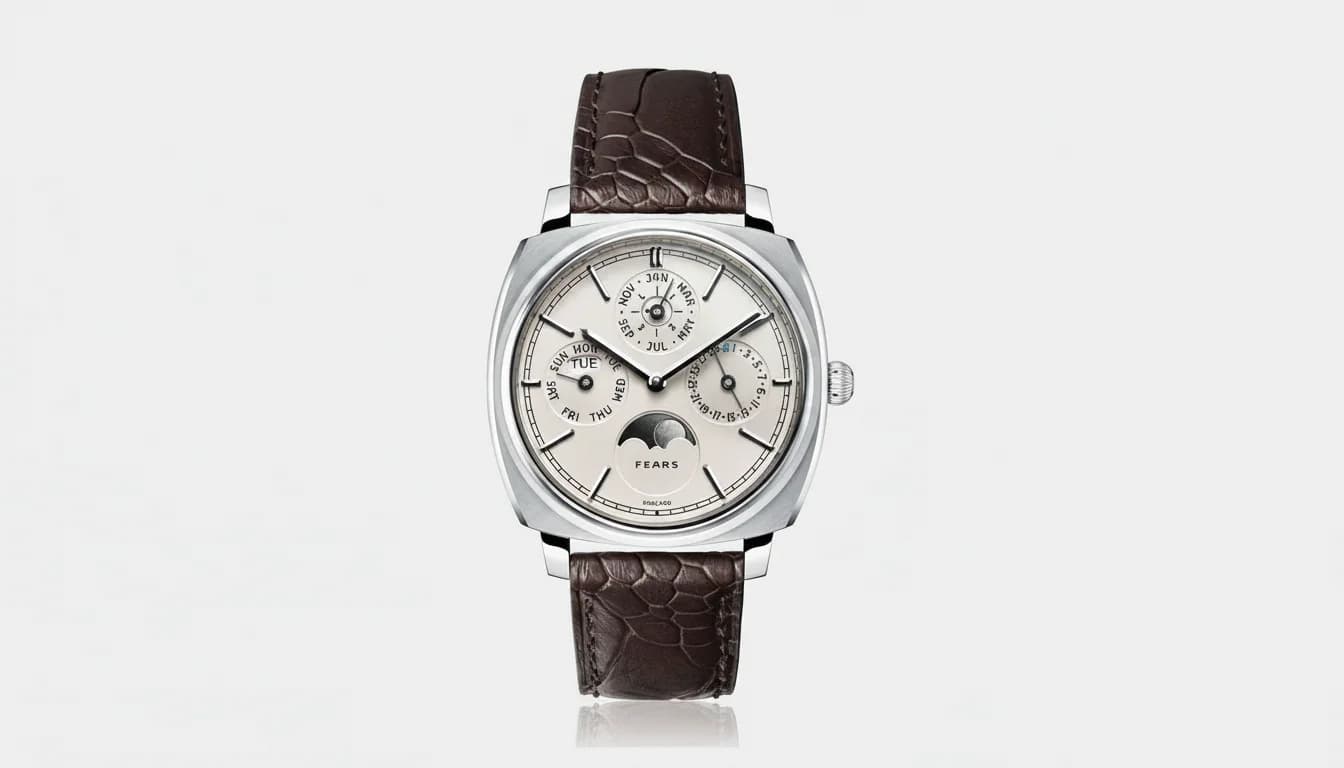
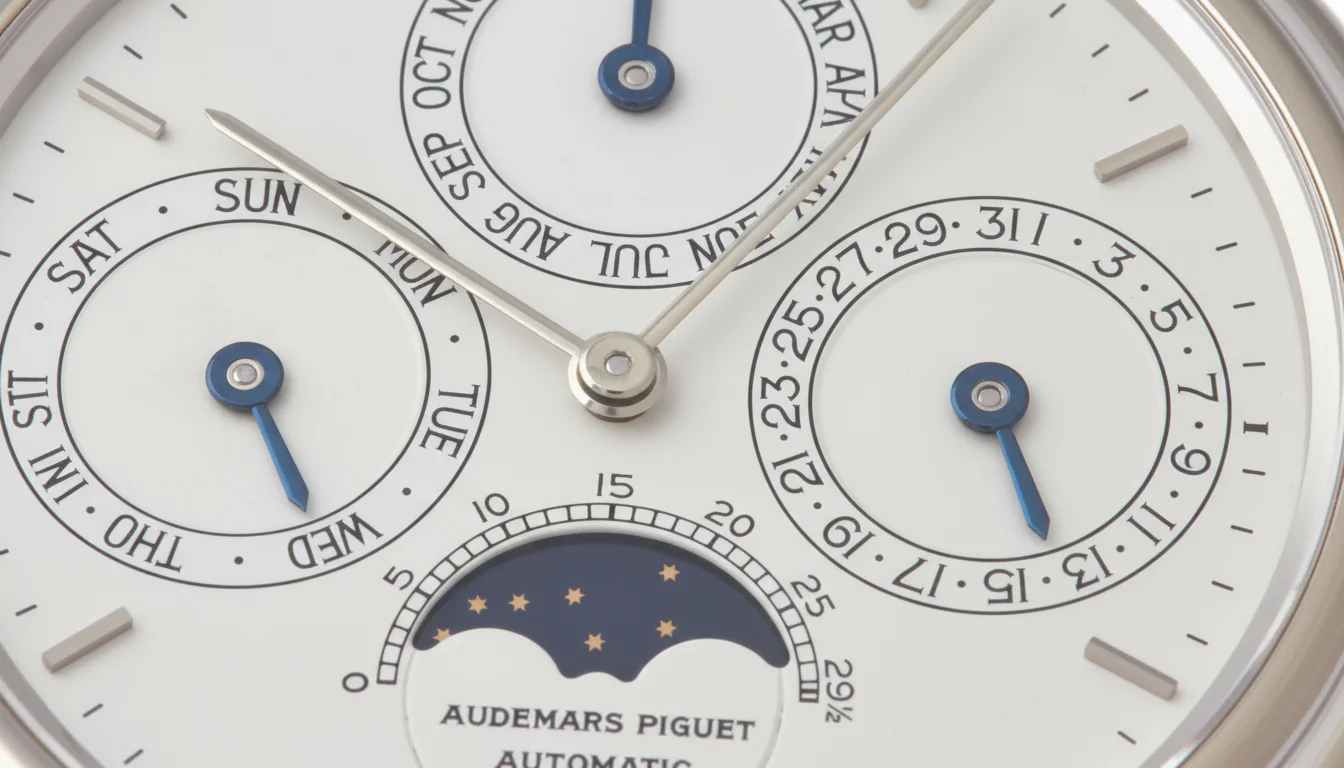
Perpetual, annual, and triple calendars look almost identical on the wrist, but they differ in setting hassle, price, and what you are really paying for. A working dealer's guide to how each one works, the ownership friction nobody mentions, and which calendar complication is actually worth buying for most people.

May gave the watch market its first down month of 2026, and most coverage read it as the top. A month later the WatchCharts index has climbed back near its 12-month high. A working dealer's read on why the recovery is real but narrow, what May's pullback actually was, and why the references carrying the index are the ones you overpay to own.

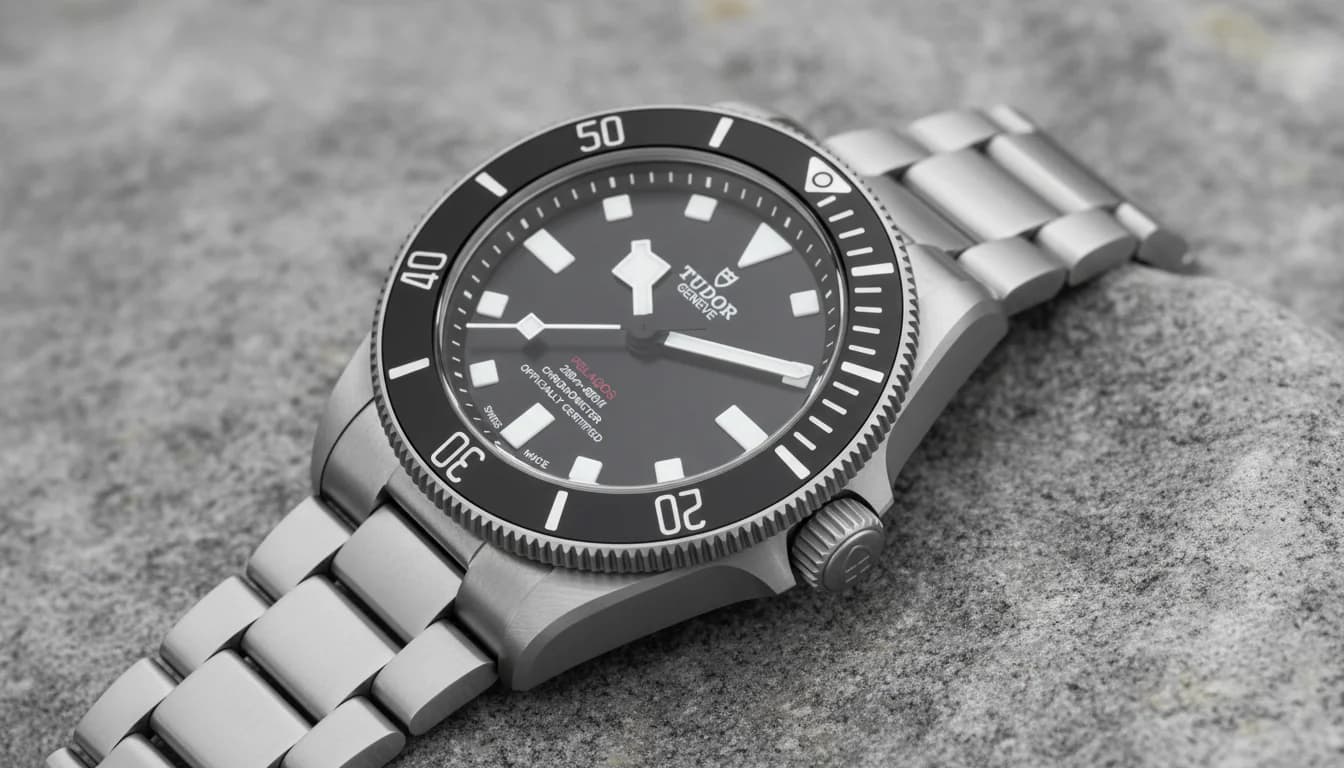
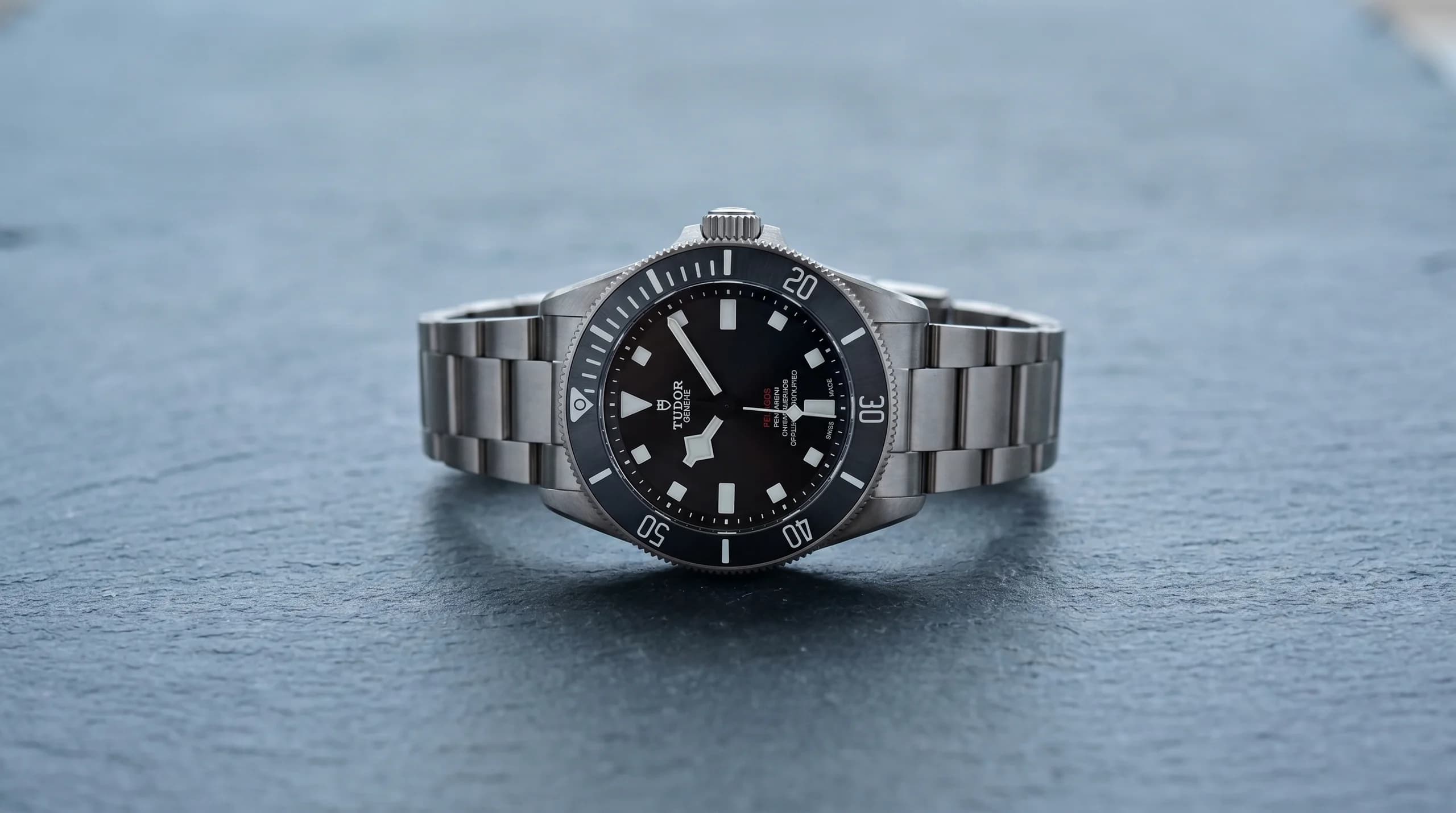
The Tudor Pelagos FXD and Pelagos 39 share titanium-diver DNA but suit opposite buyers. A working dealer's read on the fixed-bar military FXD versus the wearable, bracelet-equipped 39, the head-to-head specs, what each costs pre-owned, and which one to actually buy.

Vacheron Constantin brought its Twin Beat Perpetual Calendar back for 2026 with a 70-day standby reserve. A working dealer's read on how the dual-frequency movement solves the calendar's oldest problem, the honest caveats, and why a watch almost nobody will own still tells you something useful.

Blancpain has moved the Fifty Fathoms Tech (Ref. 5019A) into its permanent collection: a 47mm Grade 23 titanium diver with a world-first patented 3-hour dive bezel built for closed-circuit rebreather divers, an in-house caliber with a 120-hour reserve, and a CHF 20,500 price. The watch is large and niche, but the 3-hour bezel is one of the rare pieces of genuine innovation in a dive-watch category that has not rethought its core tool since the 1950s. A working dealer's read on what was announced, how the bezel works, the honest caveats, and why it matters.

The Tudor Black Bay 58 and Omega Seamaster 300 are two vintage-inspired divers about double the price apart. The Black Bay 58 (39mm, 200m, ~$3,700-$4,000) is the value champion and the more wearable size, with a robust COSC in-house movement. The Seamaster 300 (41mm, 300m, ~$7,000-$7,500) costs roughly twice as much for a METAS Master Chronometer movement, a ceramic bezel, and a more refined finish. A working dealer's read on the spec gap, where each wins, the honest caveats, and which vintage diver you should actually buy.

There are four ways a watch keeps time, and choosing between them is really about choosing what you want from a watch. Automatic and manual are both mechanical, one self-winding and one hand-wound. Quartz uses a battery and a crystal for accuracy and convenience. Spring Drive, Grand Seiko's hybrid, pairs a mainspring with quartz regulation for one-second-a-day precision and a glide-smooth seconds hand. A working dealer's plain-English guide to how each works, the real tradeoffs, the accuracy numbers, and which movement you should actually buy.

While the Submariner, GMT-Master II, and Daytona trade well over retail with waitlists, the Rolex Explorer II 226570 trades right around its $10,600 retail, with no premium and no dealer relationship required. It runs the same caliber 3285 as the GMT-Master II, has a real GMT complication, and carries genuine cave-and-polar tool heritage. The catch is weaker value retention and less instant recognition. A working dealer's read on why the most overlooked professional Rolex is the one you can actually buy, Polar versus black, and the honest caveats.

The Ballon Bleu is one of Cartier's best-sellers and one of the watches enthusiasts most love to dismiss as a fashion piece. That dismissal is half right: the small quartz models earn it, and the Tank and Santos carry more pedigree. But the 40mm or 42mm automatic, running Cartier's in-house 1847 MC, is a real watch from a serious manufacture with original design and 80 to 90% value retention in gold. A working dealer's read on where the snobbery is fair, where it is just reflex, and exactly which Ballon Bleu to buy.

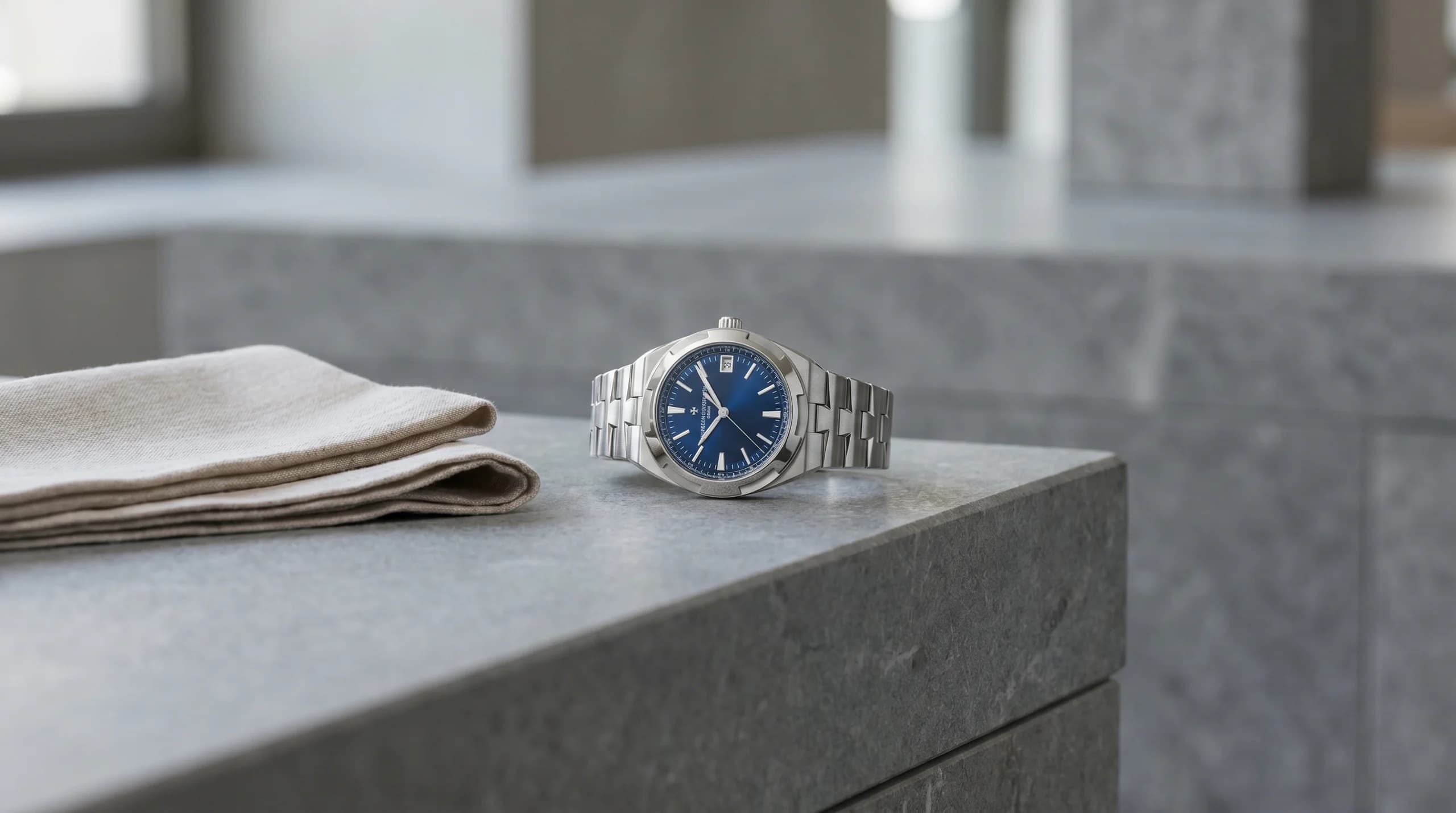
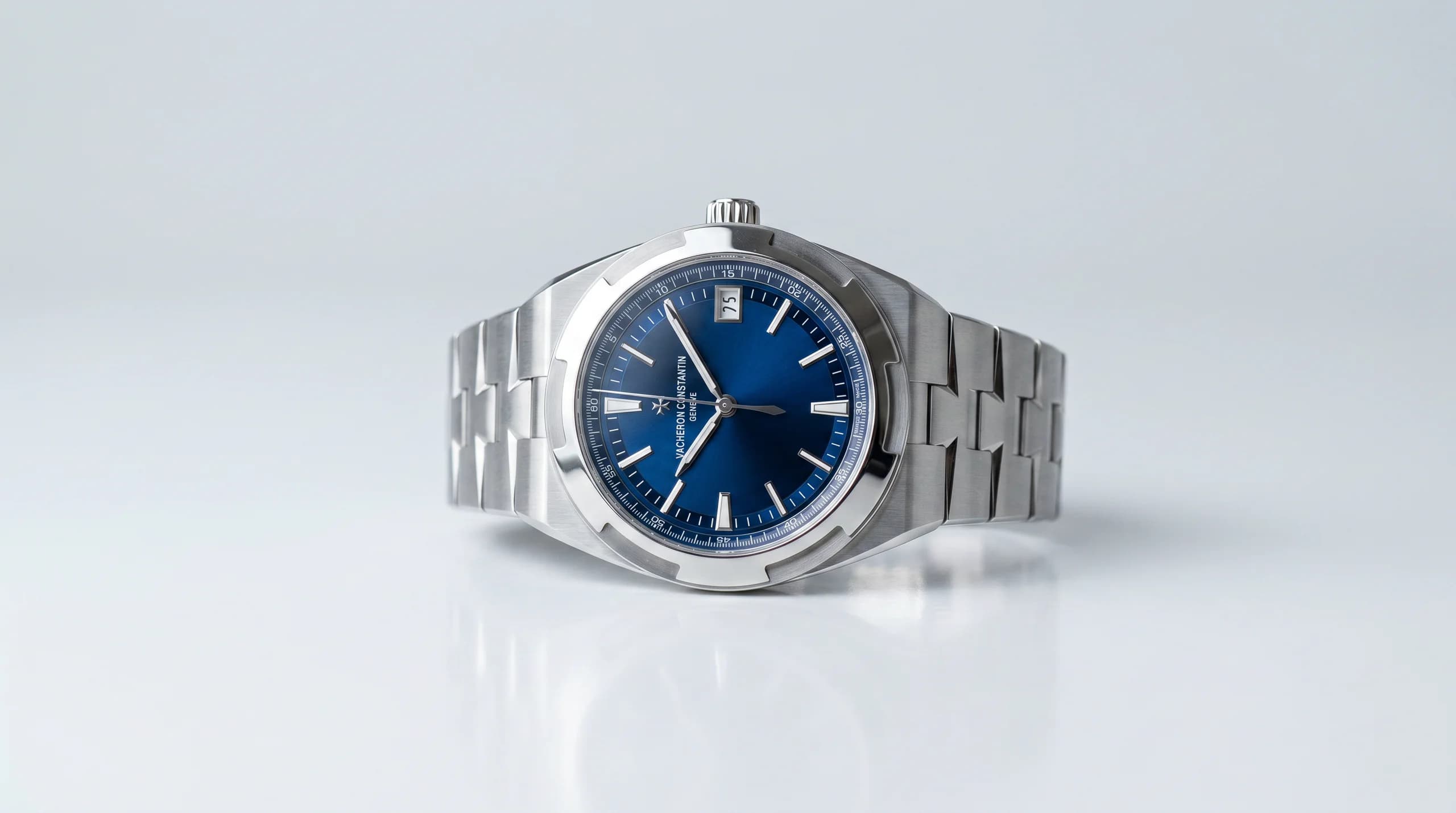
The Patek Aquanaut, AP Royal Oak, and Vacheron Overseas are the three steel sports watches from the three most prestigious names in watchmaking, and buyers cross-shop them endlessly. The twist is that the buying math runs opposite to the sticker price: the cheapest at retail costs the most to own, and the priciest at retail is the one you buy at sane money. A working dealer's read on the real numbers, what each watch is actually best at, and a clear framework for which of the three you should buy.

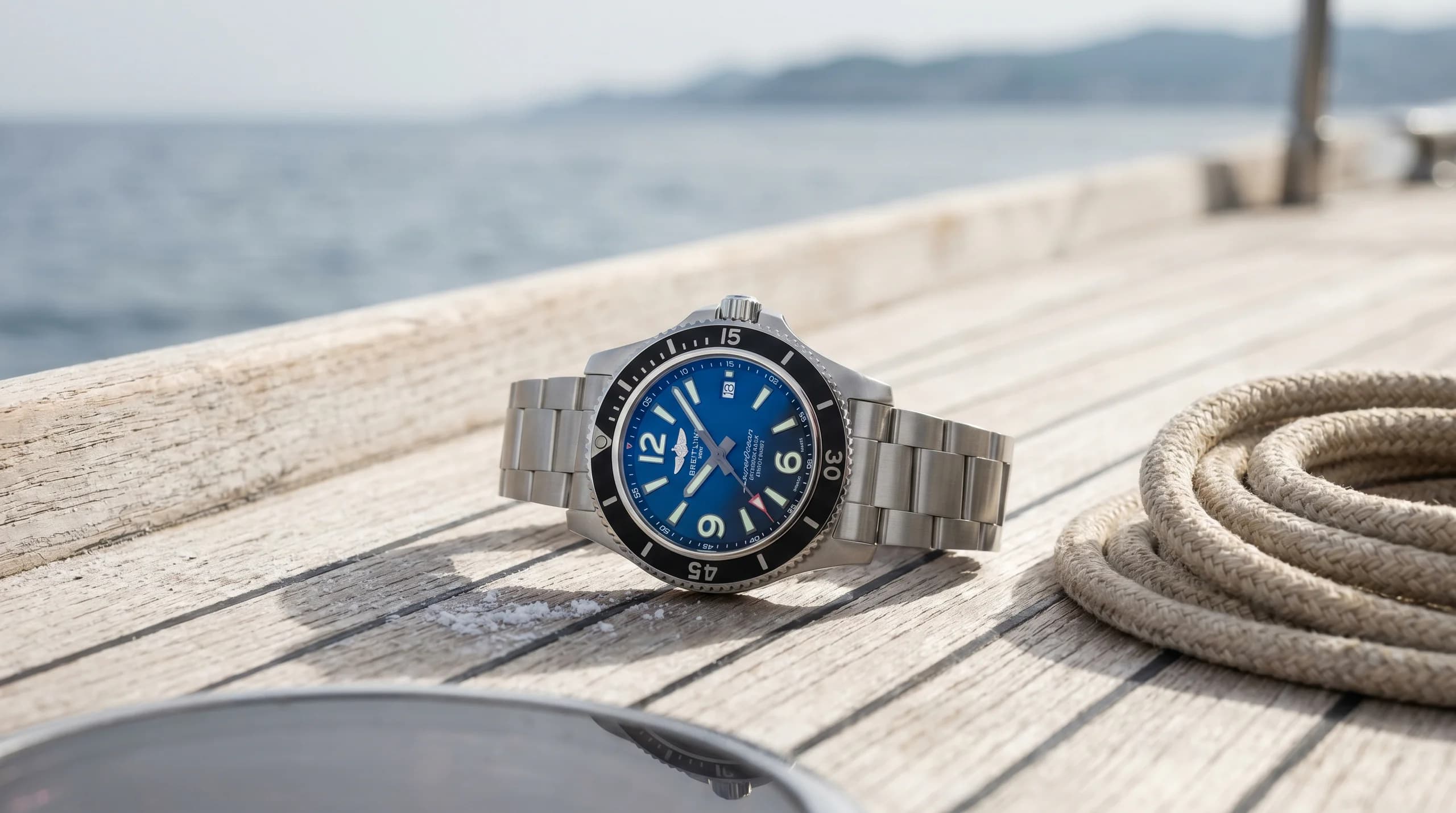
When people list value dive watches, they name the Submariner, the Seamaster, and the Black Bay. The Breitling Superocean almost never comes up, and that is the opportunity. It has genuine 1957 dive heritage, COSC movements, 300m water resistance, and a Heritage line that shares its movement family with the Tudor Black Bay. Because Breitling depreciates hard, it is one of the best-value Swiss divers you can buy pre-owned, from around $1,500. A working dealer's read on the two Superocean lines, the value math, and the honest caveats.

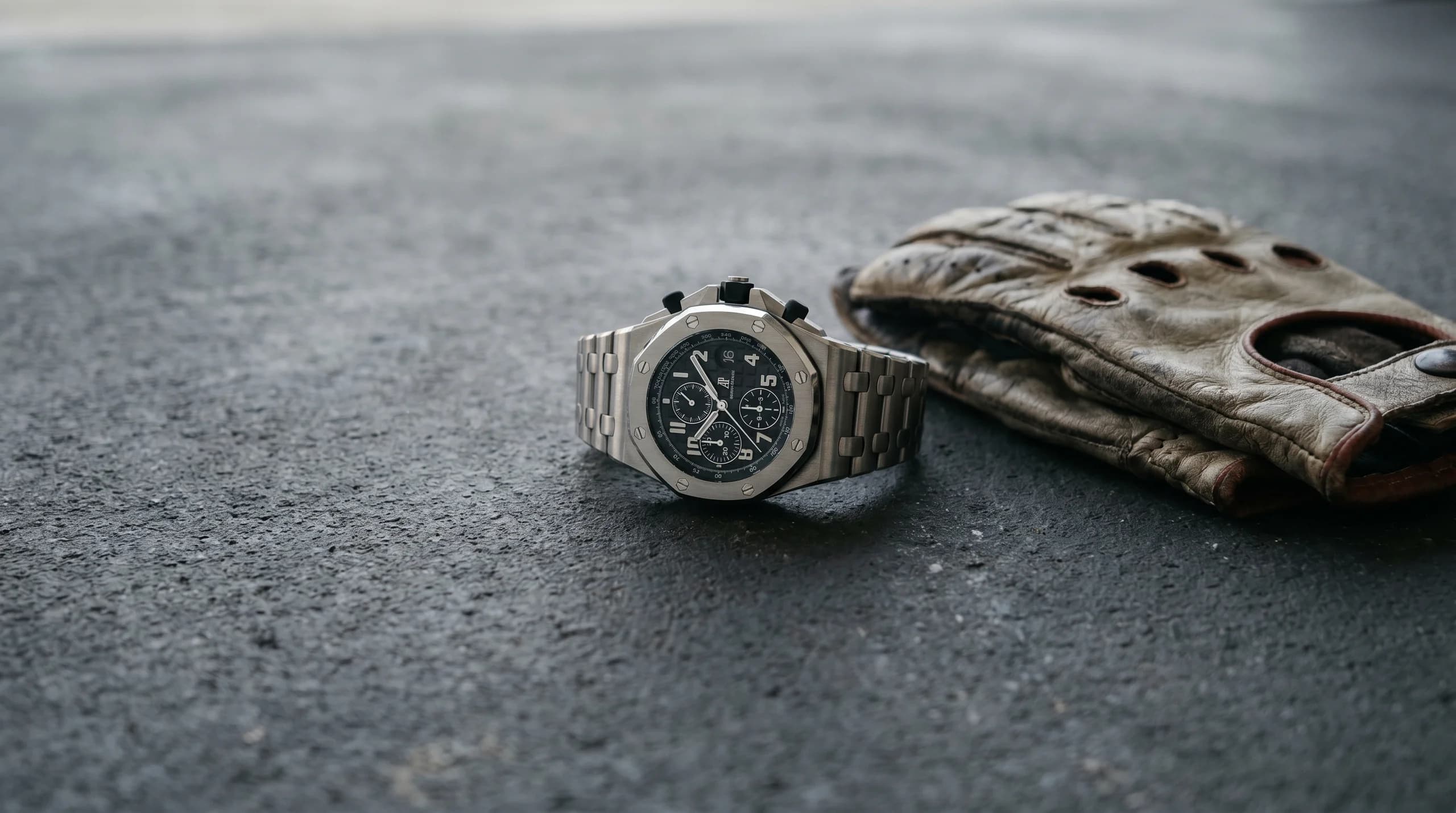
Everyone wants the steel Audemars Piguet Royal Oak, and that demand is the problem: in-production steel references trade 30 to 50% over retail with long waitlists. The Royal Oak Offshore, the bigger Beast once dismissed as a caricature, trades far closer to retail. Same brand, same hand-finishing, same Genta-derived design, for a fraction of the premium. A working dealer's read on why the Offshore is the AP most buyers should actually consider, what you trade for the lower price, and the honest caveats around ceramic and limited editions.

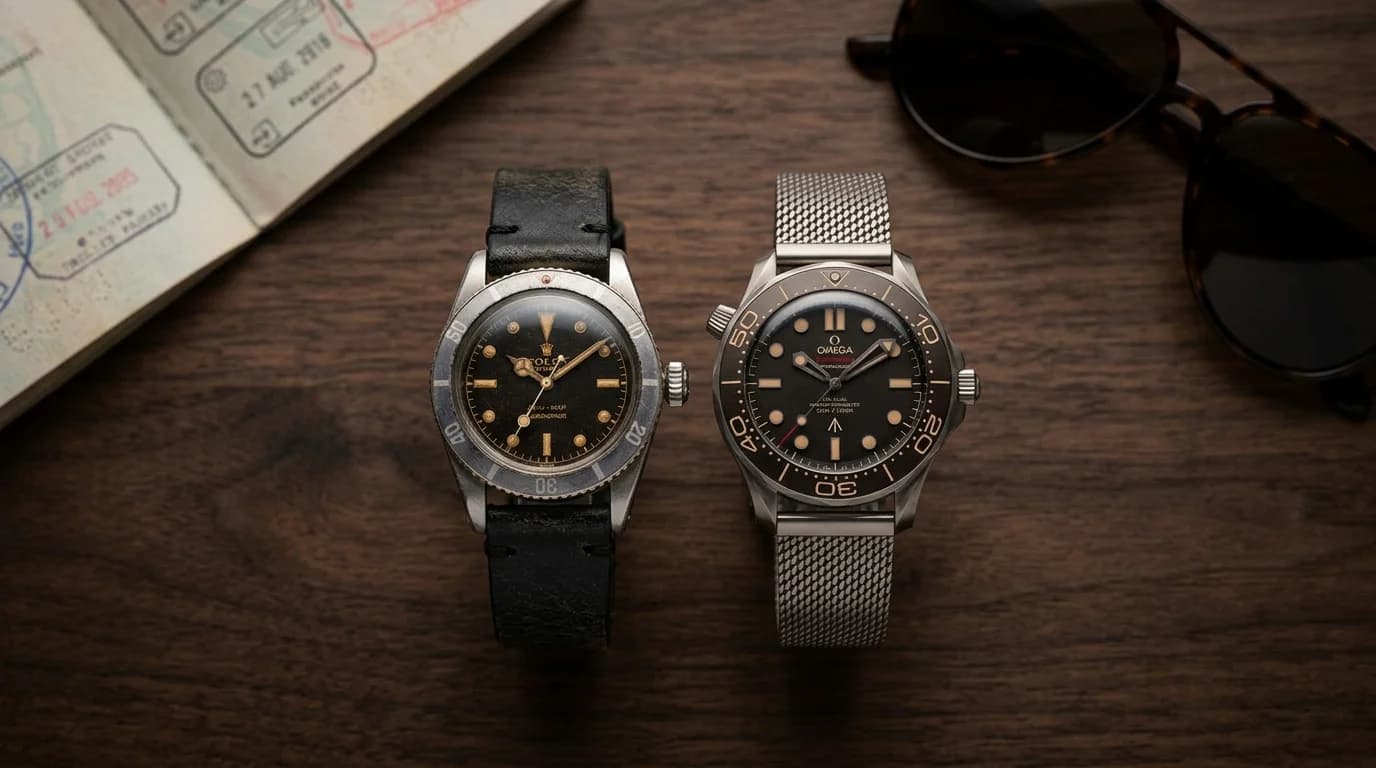
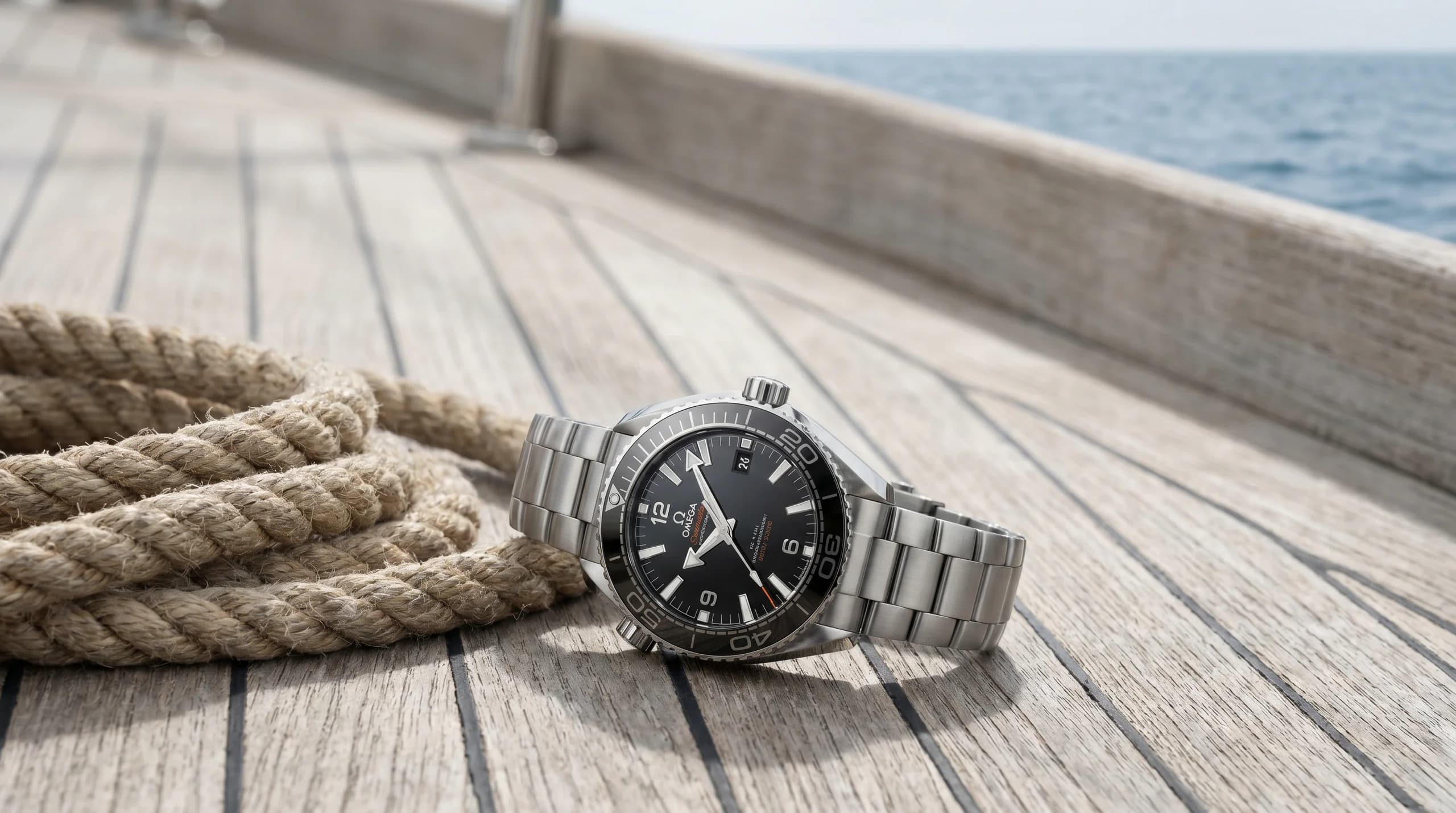
The Omega Seamaster Diver 300M gets the Bond fame, but the Planet Ocean 600M is the real diver's Seamaster: double the depth rating, a more substantial case, a ceramic dial and bezel, and a dual-barrel caliber 8900. It also lives in the 300M's shadow, which is exactly why it is the better pre-owned value. A working dealer's read on what separates the two, the newest 42mm generation, the size traps to avoid, and why Omega's real diver trades for less than its famous sibling.

The Tudor Royal spent years as the line enthusiasts dismissed: a derivative, integrated-bracelet Datejust impression on a bought-in movement. The 2026 Watches and Wonders relaunch quietly fixed nearly every real complaint, adding in-house COSC chronometer calibers, a true day-date at 40mm, cleaner dials, and sensible 30/36/40mm sizing from $3,250 in steel. A working dealer's contrarian read on why the most-mocked Tudor is now its most underrated, where it still falls short, and how to actually play it as a buyer.
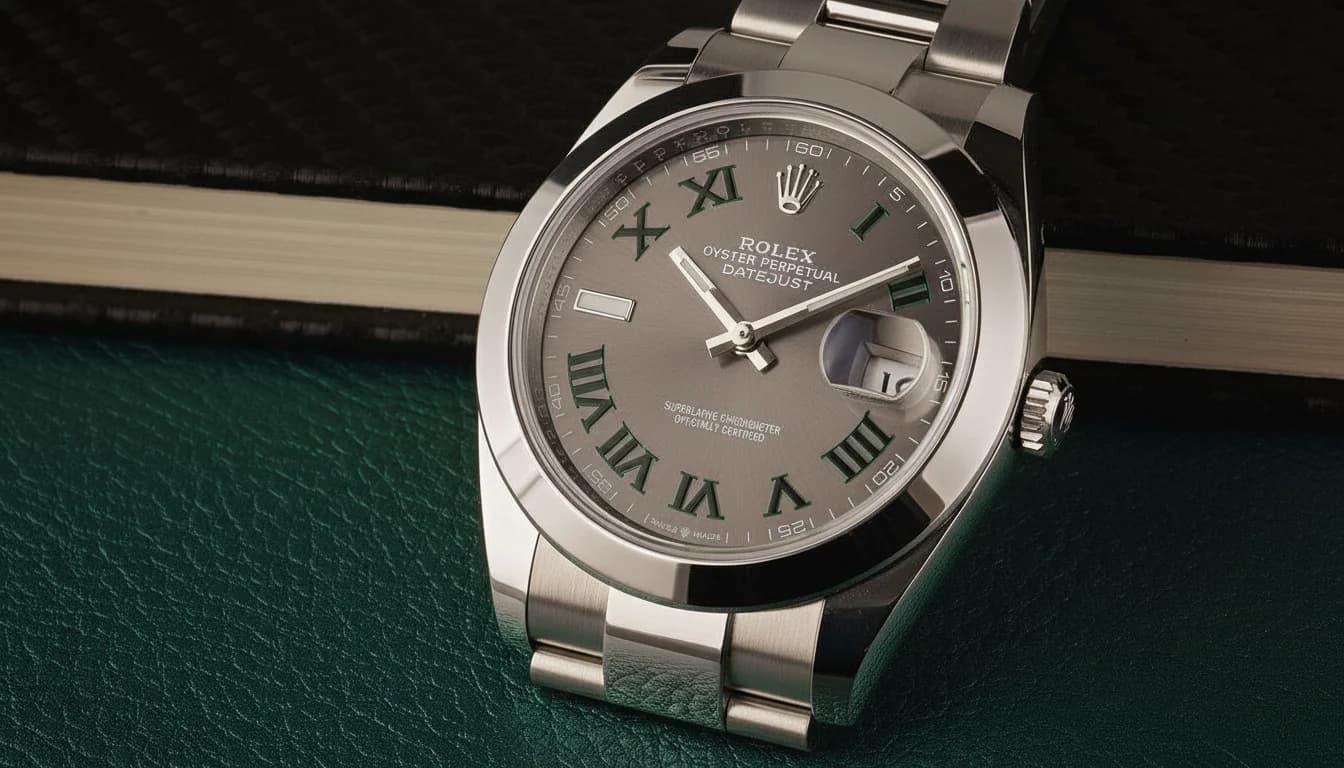
The Rolex Sea-Dweller 126600 and the Deepsea 136660 look like siblings, and buyers who want more than a Submariner often reach for the bigger, deeper Deepsea on instinct. For almost everyone that is the wrong call. The 43mm Sea-Dweller is more wearable, resells faster, and is one of the only Rolex sport watches you can currently buy at a discount. A working dealer's read on which deep-sea Rolex to actually buy, when the Deepsea is the right call, and where the value sits.
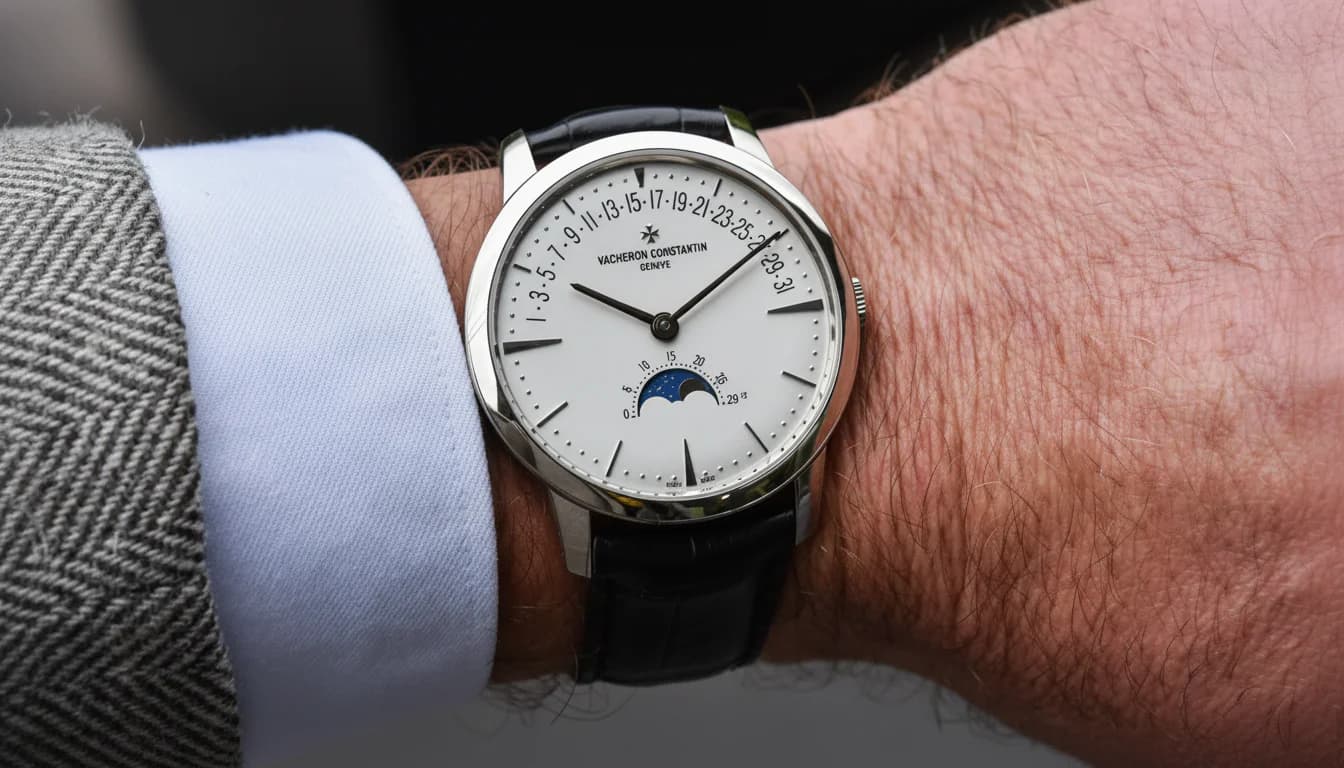
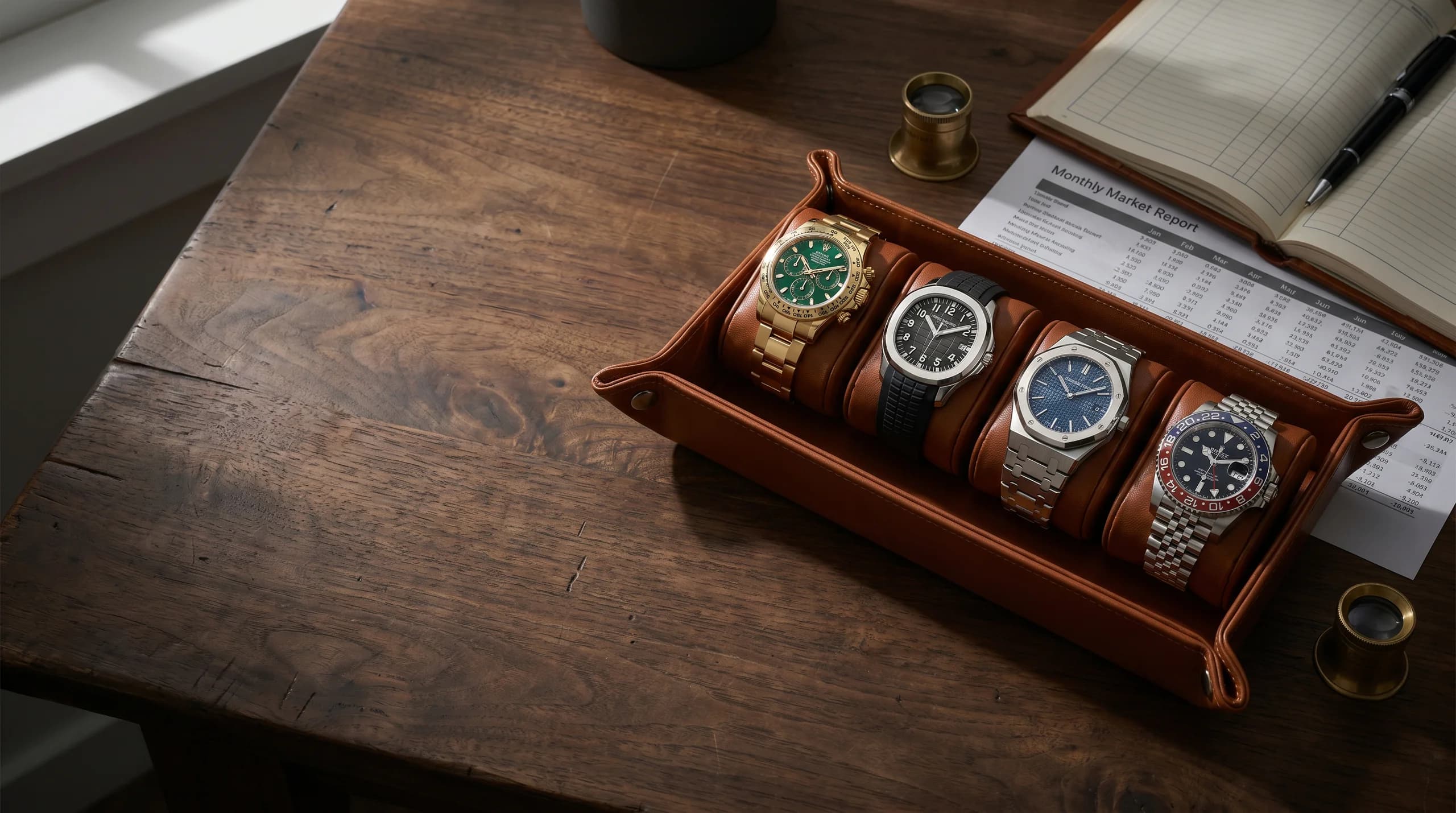
Swiss watch exports fell about 4% over the first four months of 2026, and a distorted April print made it look worse. But the average hides a market splitting in two: the top end and the big three of Rolex, AP, and Patek hold firm while the mid-luxury middle contracts. A working dealer's read on the barbell market, why the April number misleads, and where pre-owned value is quietly widening.

The Nautilus turned 50 and priced most buyers out for good. The Aquanaut is the Patek you can actually pursue: the brand's best-performing collection in the 2026 recovery, available on the secondary market without an authorized-dealer relationship and at a fraction of the cheapest current Nautilus. A working dealer's read on the references that matter, what the steel 5167A really costs at roughly twice retail, and the honest caveats before you buy.

The WatchCharts Overall Market Index fell 1.4% in May 2026 after April's broad recovery, with Rolex's GMT-Master, Daytona, and Yacht-Master leading the pullback and Patek and AP both ending long winning streaks. A working dealer's read on whether May was a pause or a turn, and why the references that ran up fastest are now the ones offering the first real openings.

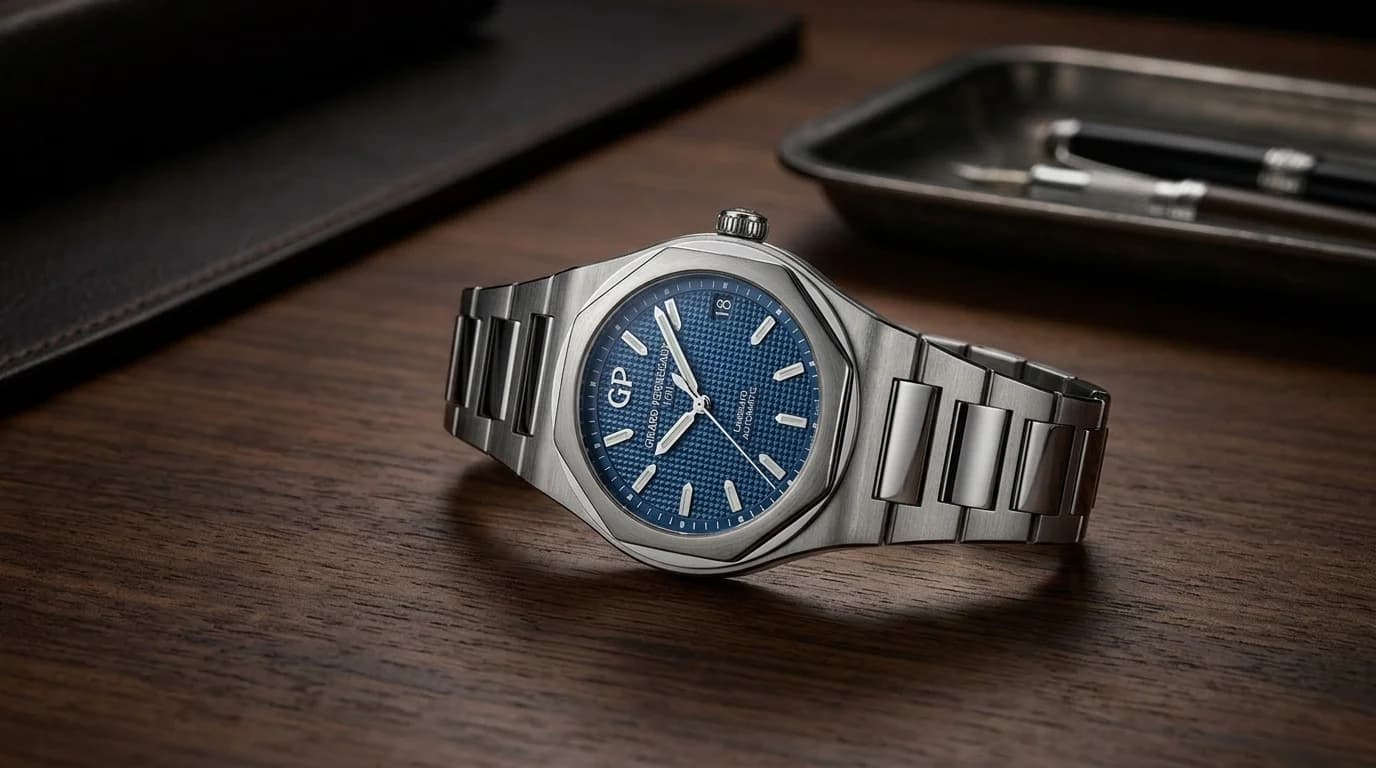
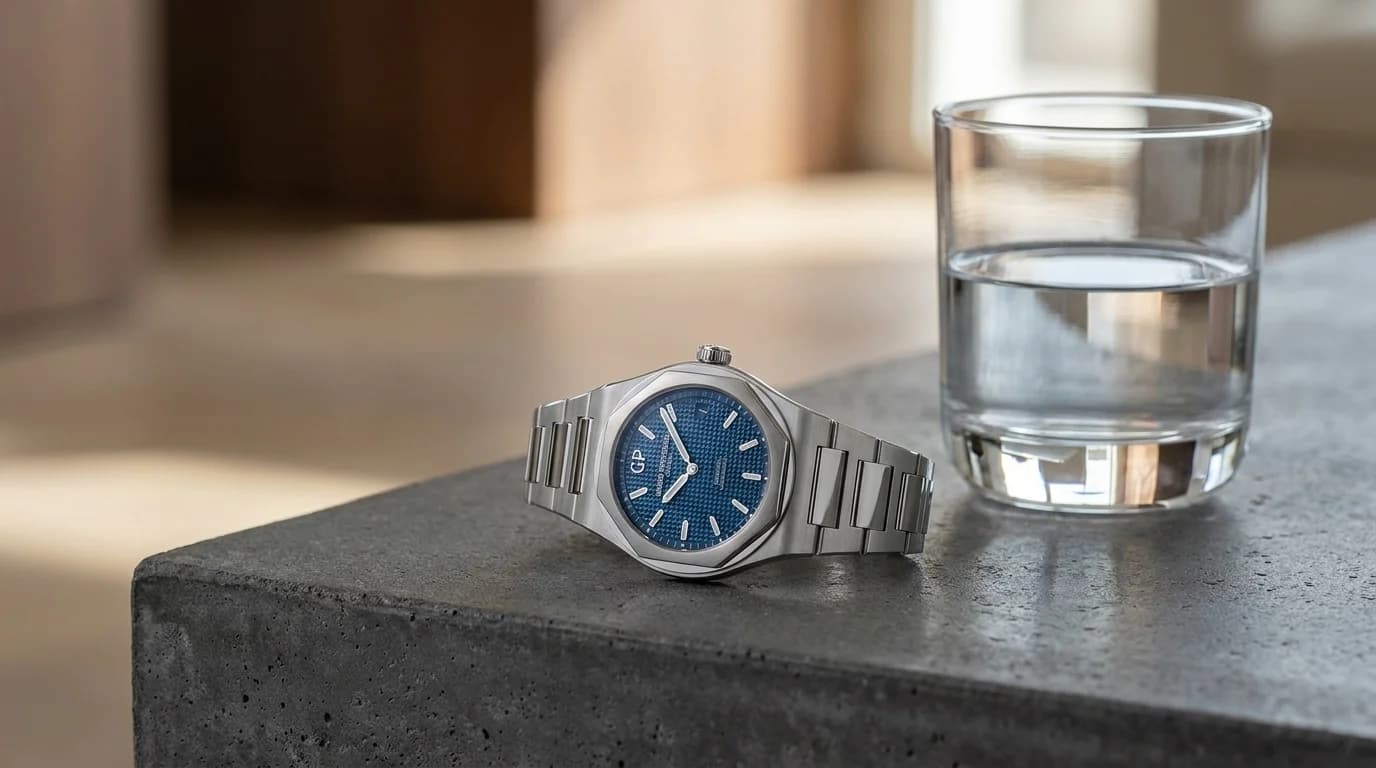
The Girard-Perregaux Laureato predates the Nautilus and arrived the same decade as the Royal Oak. The new all-steel Fifty at $23,000–$28,320 is now permanent collection. A dealer's read on the 50-year design legacy, GP4800 movement, and where the pre-owned opportunity is.

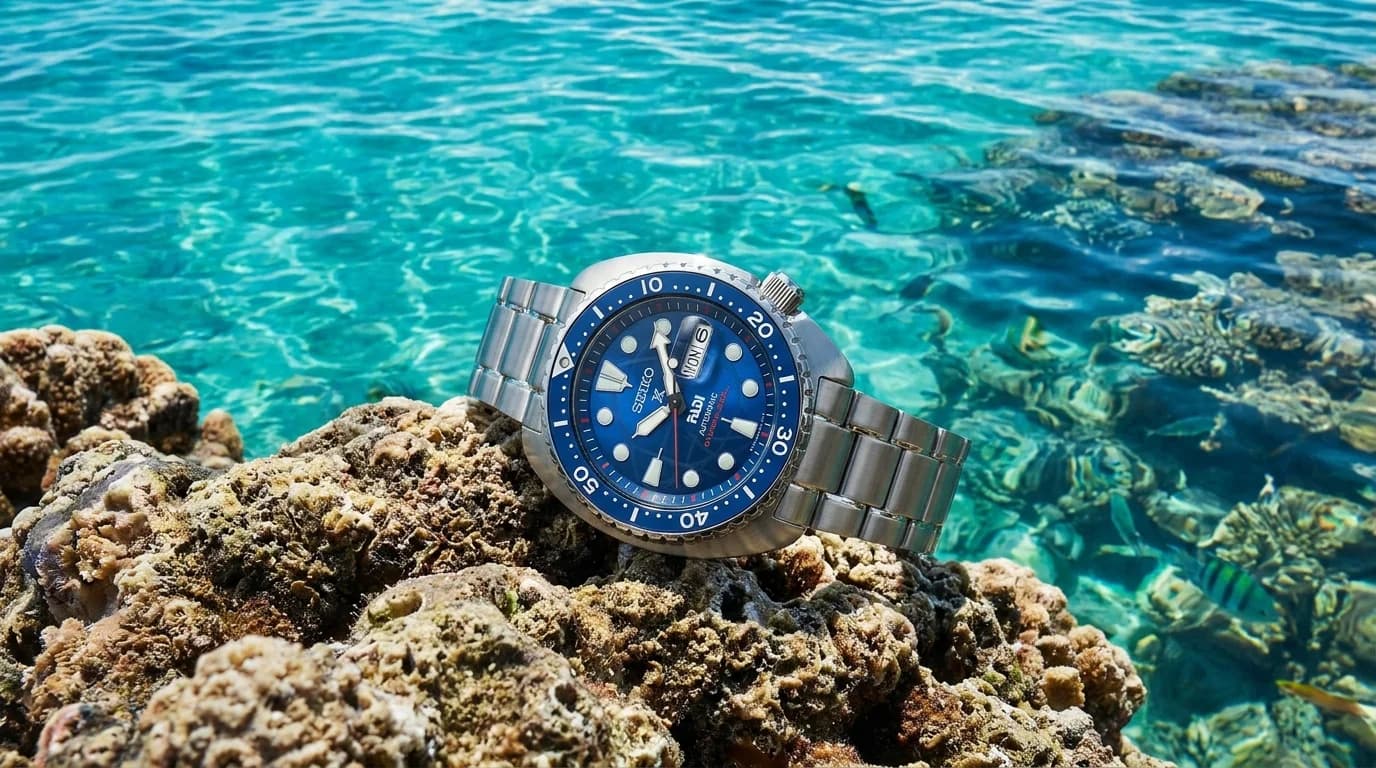
Seiko marks PADI's 60th anniversary and a decade of partnership with the HBB002 King Turtle — sunburst blue dial with globe motif, ceramic bezel, $750, 8,000 pieces, available July 2026. An honest read on the 4R36 movement caveat, who this is actually for, and whether to buy new or wait.

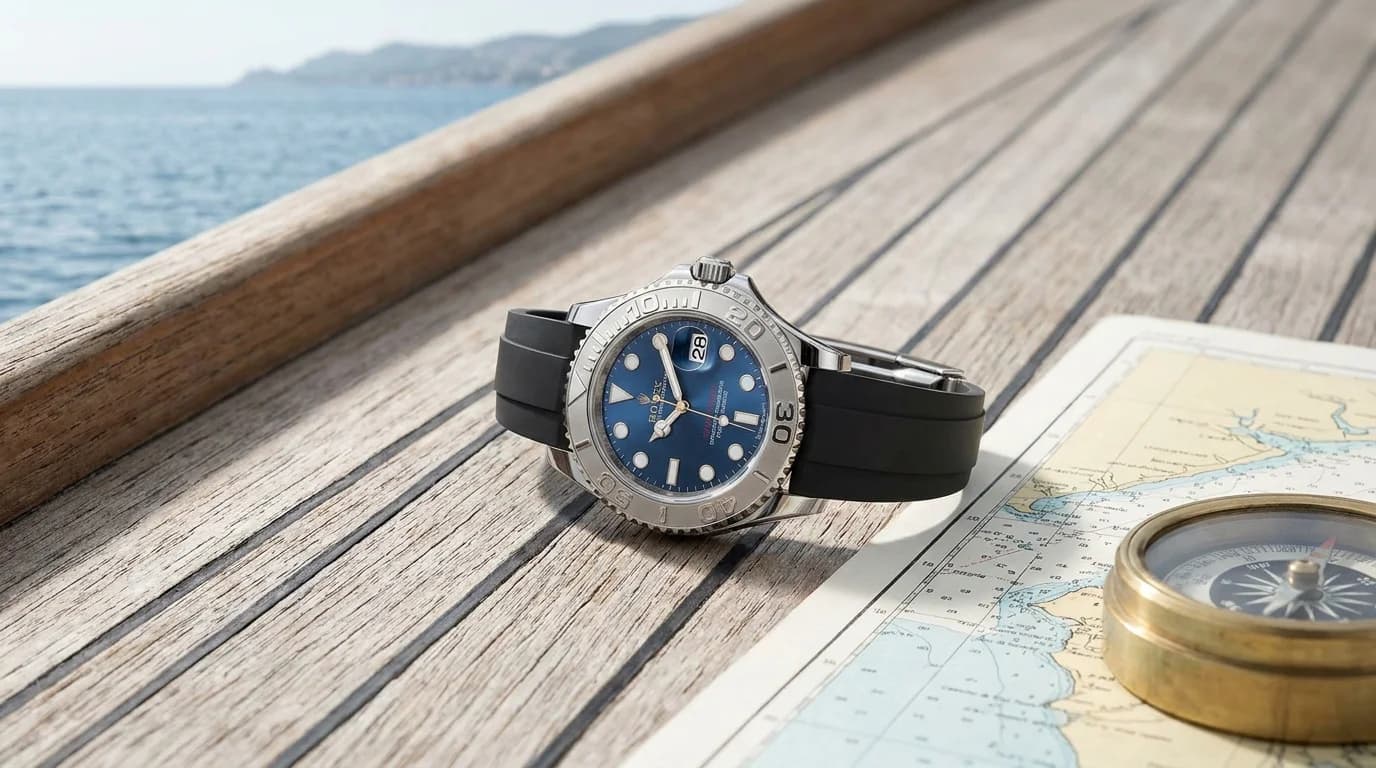
The Rolex Yacht-Master I 126622 trades near its $14,950 retail price pre-owned with no waitlist and no allocation friction. The new Yacht-Master II 126680 just clarified the YM I's identity — and created a buying window most buyers are not tracking.

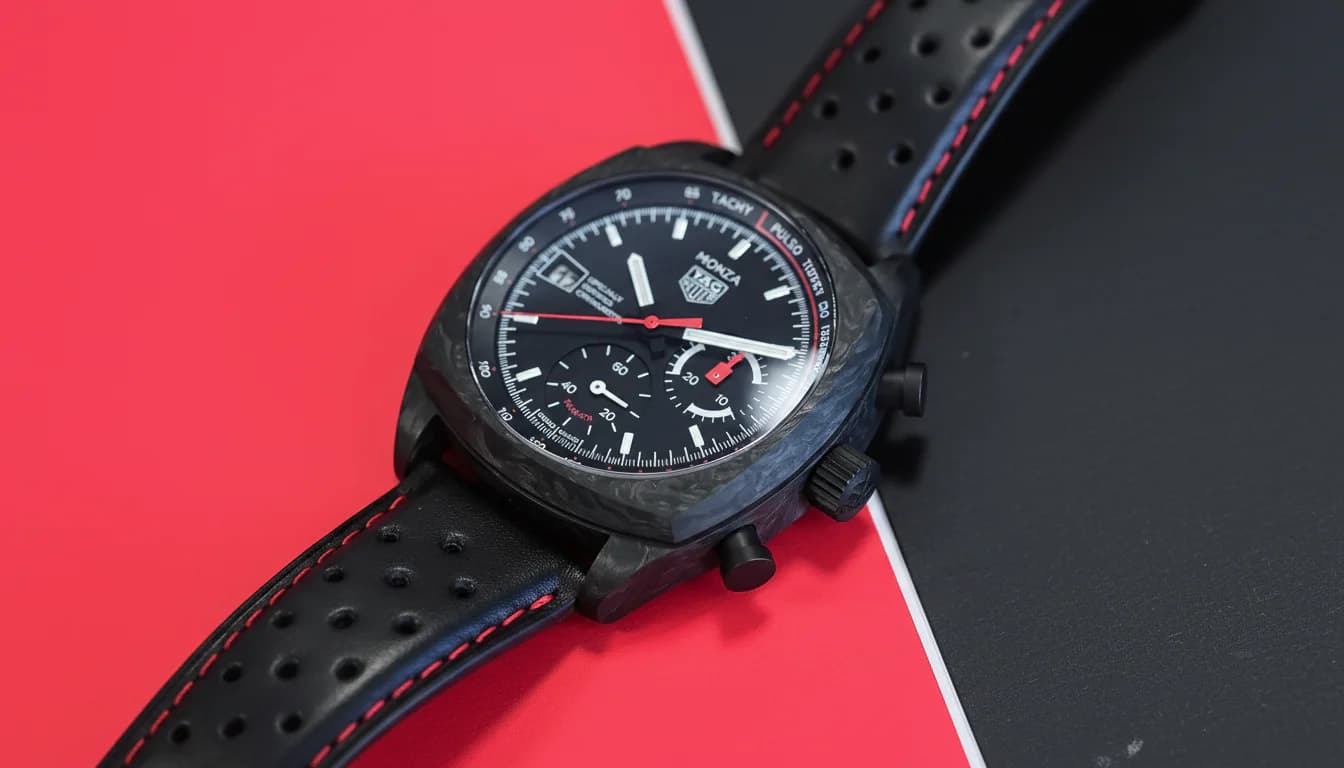
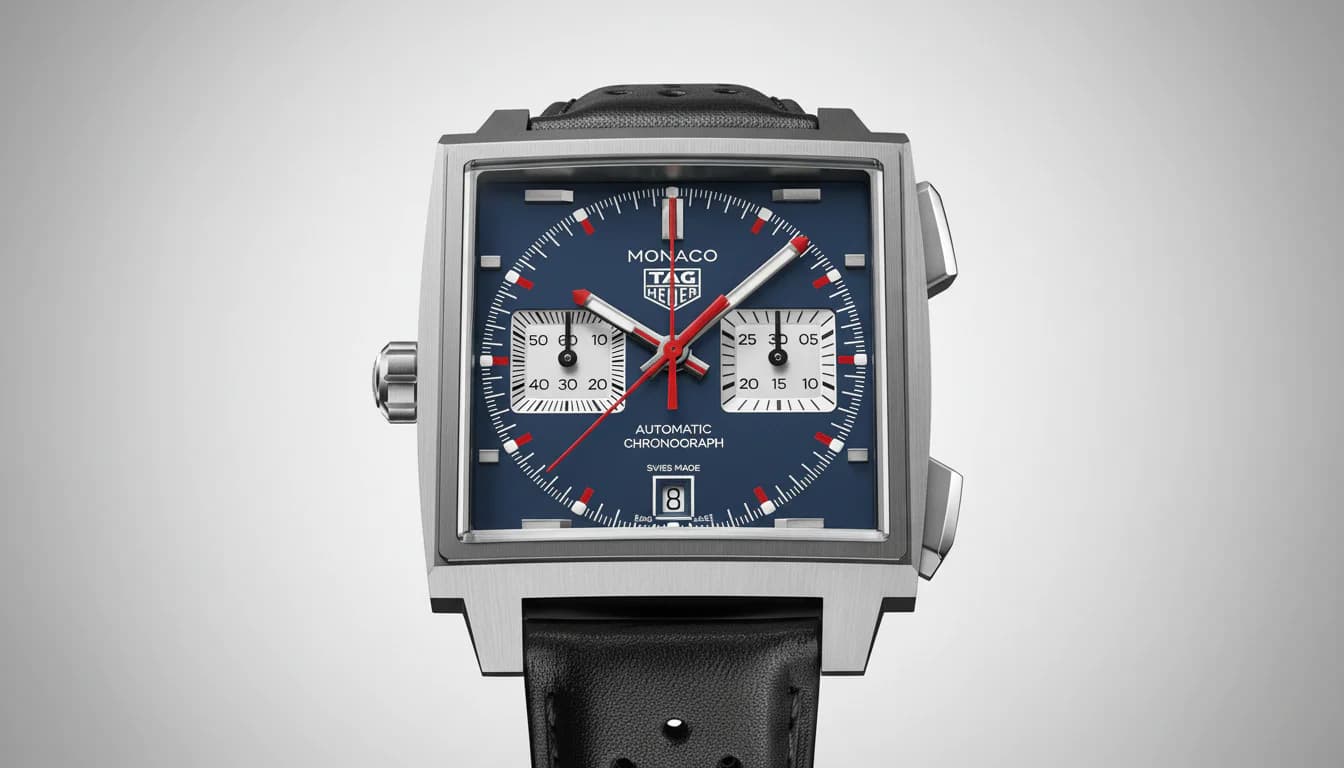
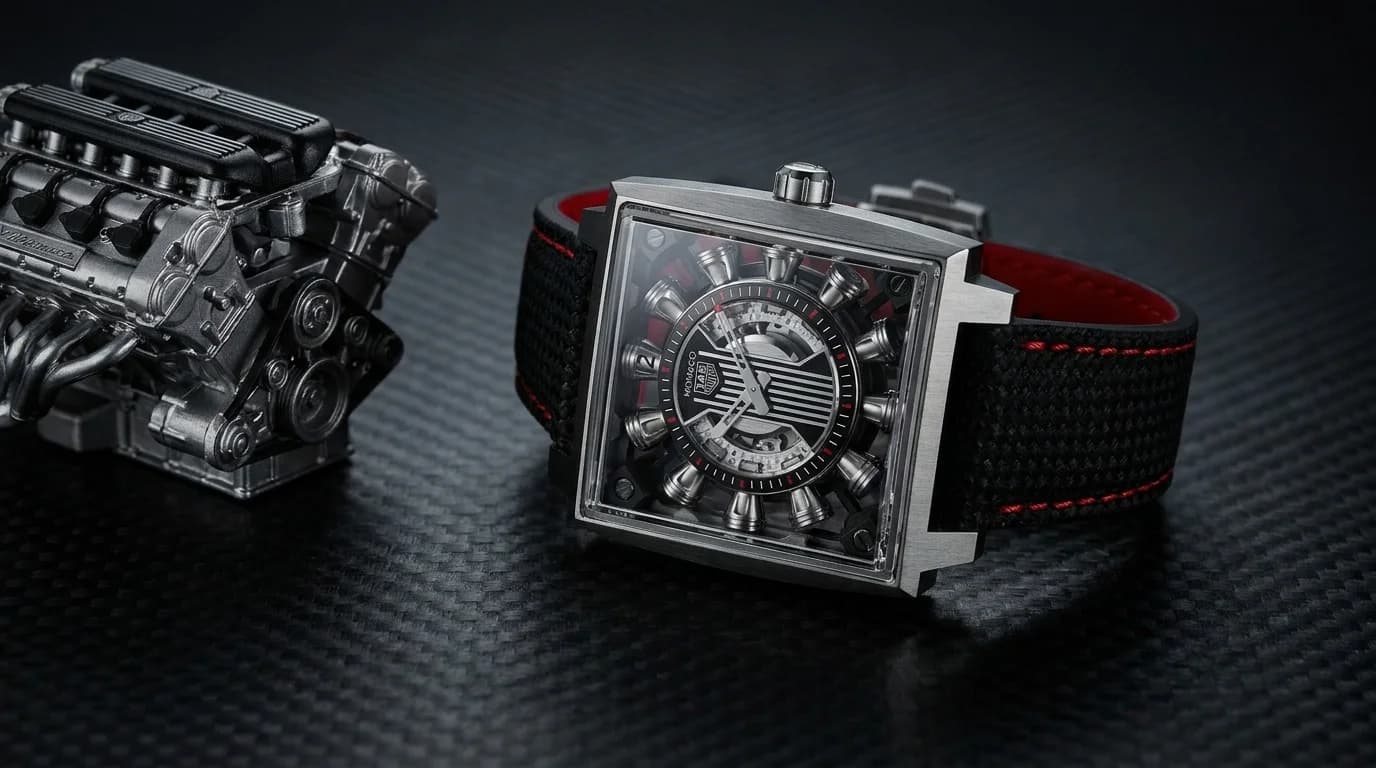
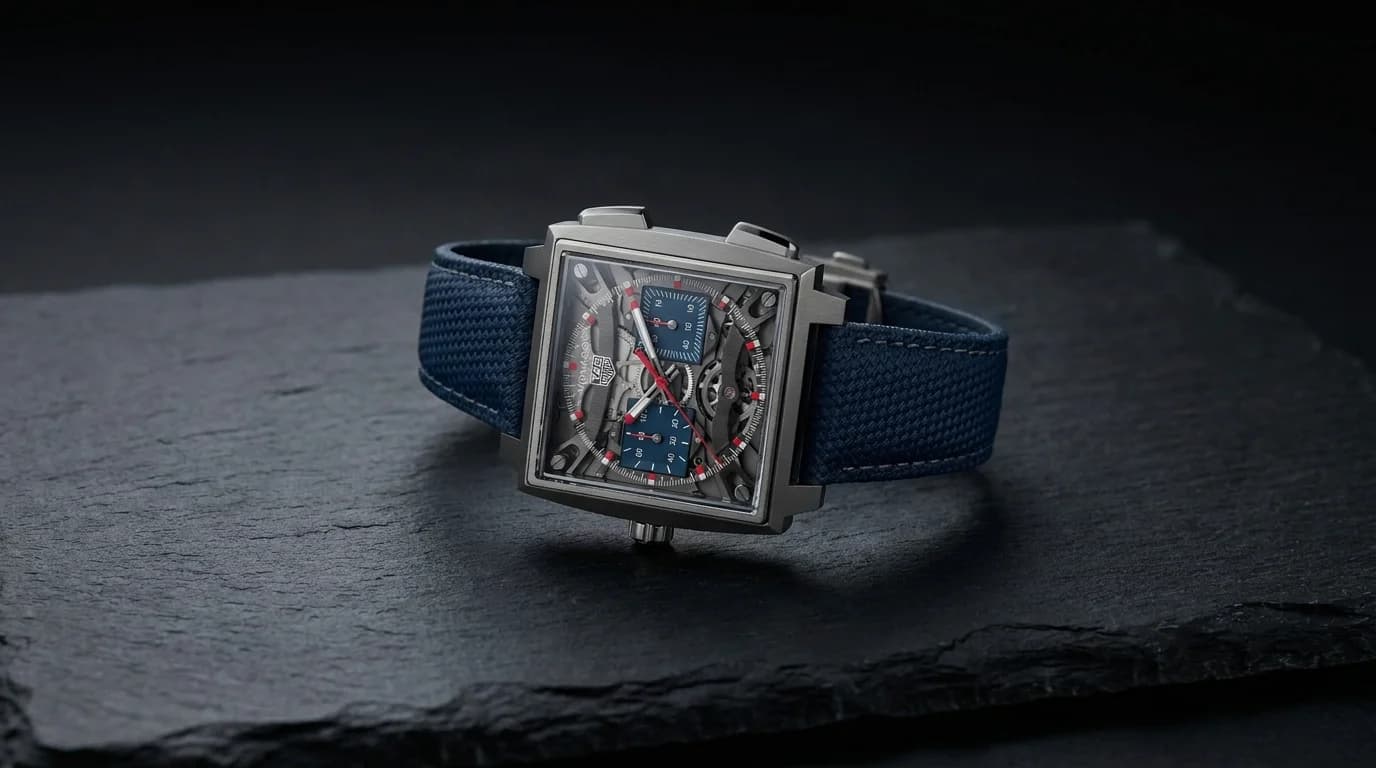
TAG Heuer unveiled two Monaco watches in two months in 2026. The Speed 12 — 50 pieces, $87,000, twelve rotating pistons telling time like a V12 engine — is the haute horlogerie statement. Together with the Evergraph, it establishes the Monaco as a genuine platform for mechanical ambition.

The Omega Aqua Terra trades 30–45% below retail pre-owned while carrying METAS Master Chronometer certification, 15,000 gauss magnetic resistance, and a Co-Axial movement rated to 0/+6 seconds per day. A dealer's case for why the dress-sport hybrid that doesn't depreciate like one is the value story most buyers are missing.

The Rolex Sky-Dweller is Rolex's most complex watch — annual calendar, dual time zone, Ring Command bezel — and in 2026 the 326934 pre-owned trades at or below retail. A dealer's case for why the most technically interesting steel Rolex is the one most buyers are overlooking.
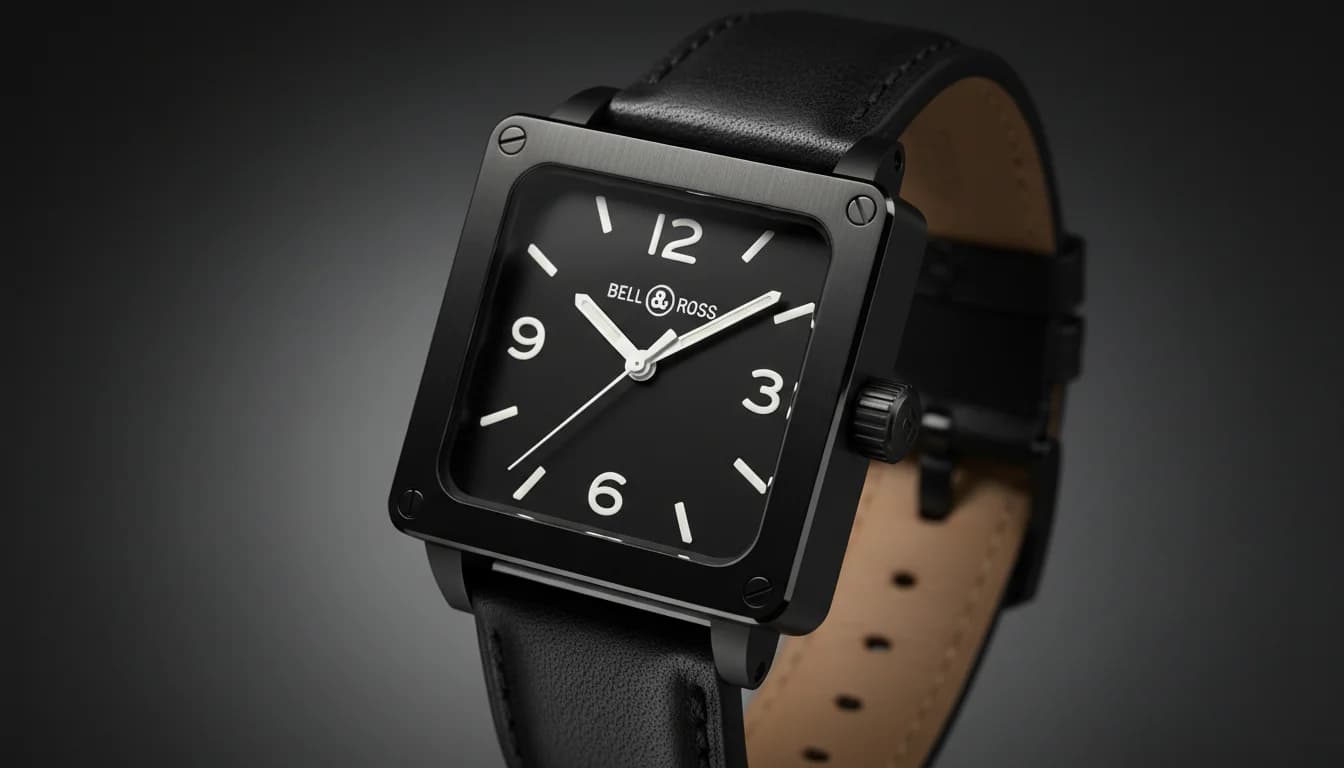
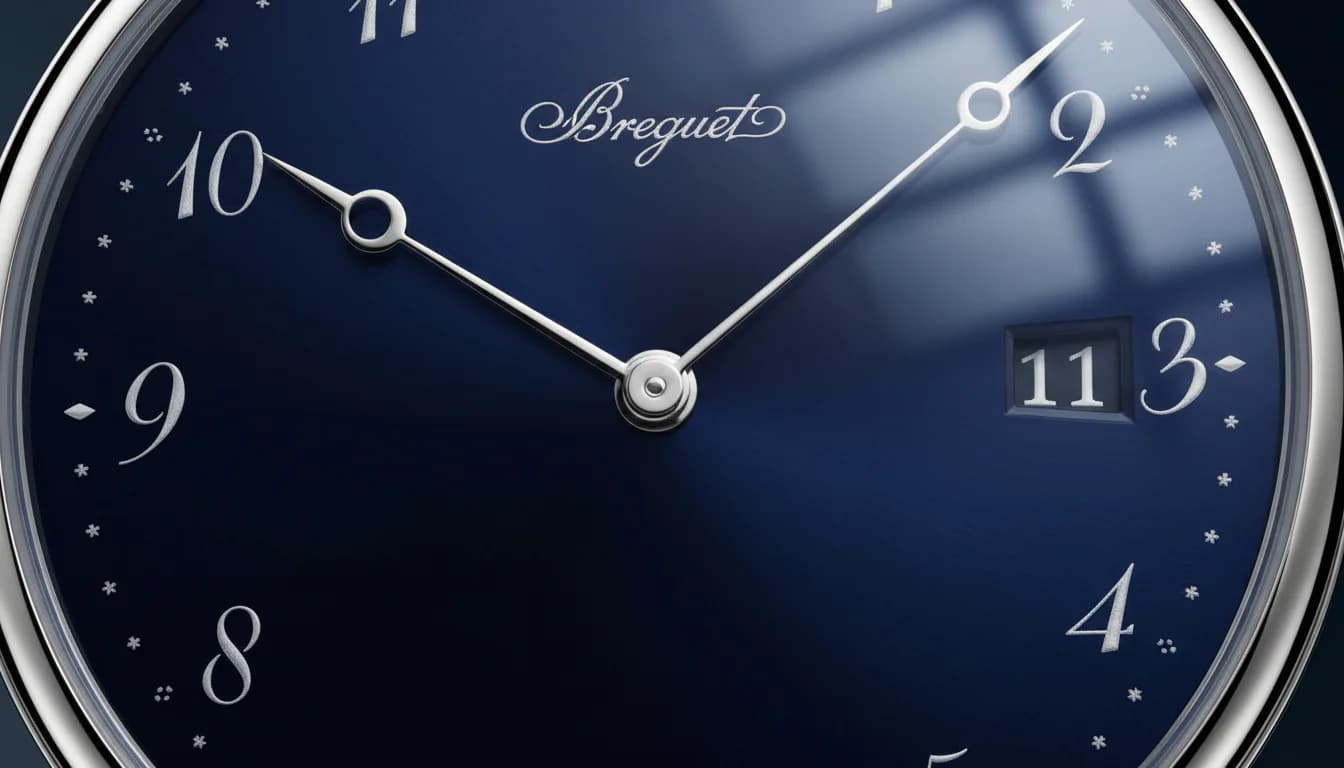
WatchPro June 2026 covers the Chrono24 and Bezel evolution: these platforms are building trust infrastructure, not just marketplaces. A dealer's read on what authentication transparency means for pre-owned buyers, where opportunities narrow, and where they remain.

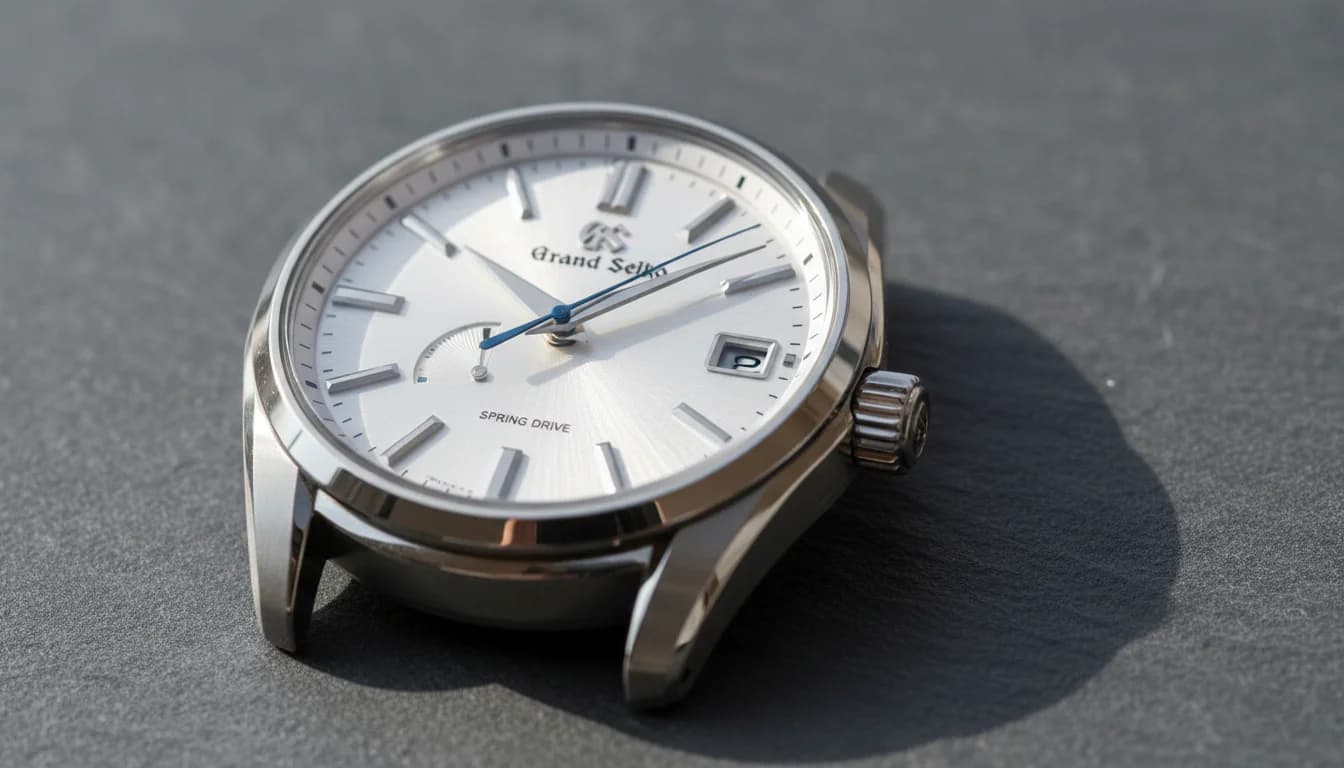
The Grand Seiko Snowflake SBGA211 houses the Spring Drive — a mechanically powered watch regulated to ±1 second per day using a tri-synchro resonator that exists nowhere else in the industry. A dealer's complete guide to the movement, the Shinshu dial, what to check on pre-owned condition, and what full set is actually worth.

The Seiko Prospex is the best gateway to Japanese watchmaking under $1,000. A working dealer's guide to the movement hierarchy — NH35 vs 6R35 vs 8L35 — what each tier actually costs pre-owned, the condition checklist for buying dive watches, and how Prospex leads directly to Grand Seiko.

The Rolex Explorer 124270 trades just under its $7,900 retail price with a 14-day median time-to-sell. No waitlist, no premium, and more available than any other steel Rolex sport watch. A working dealer's read on why the most underrated watch in the current catalog is a serious buy in 2026.

TAG Heuer's Monaco Evergraph replaces the century-old lever-and-spring chronograph mechanism with compliant bistable components that don't wear the same way. At $25,000 it's the most technically ambitious watch TAG Heuer has released in a generation — and a genuine argument for why watchmaking progress matters at this price.

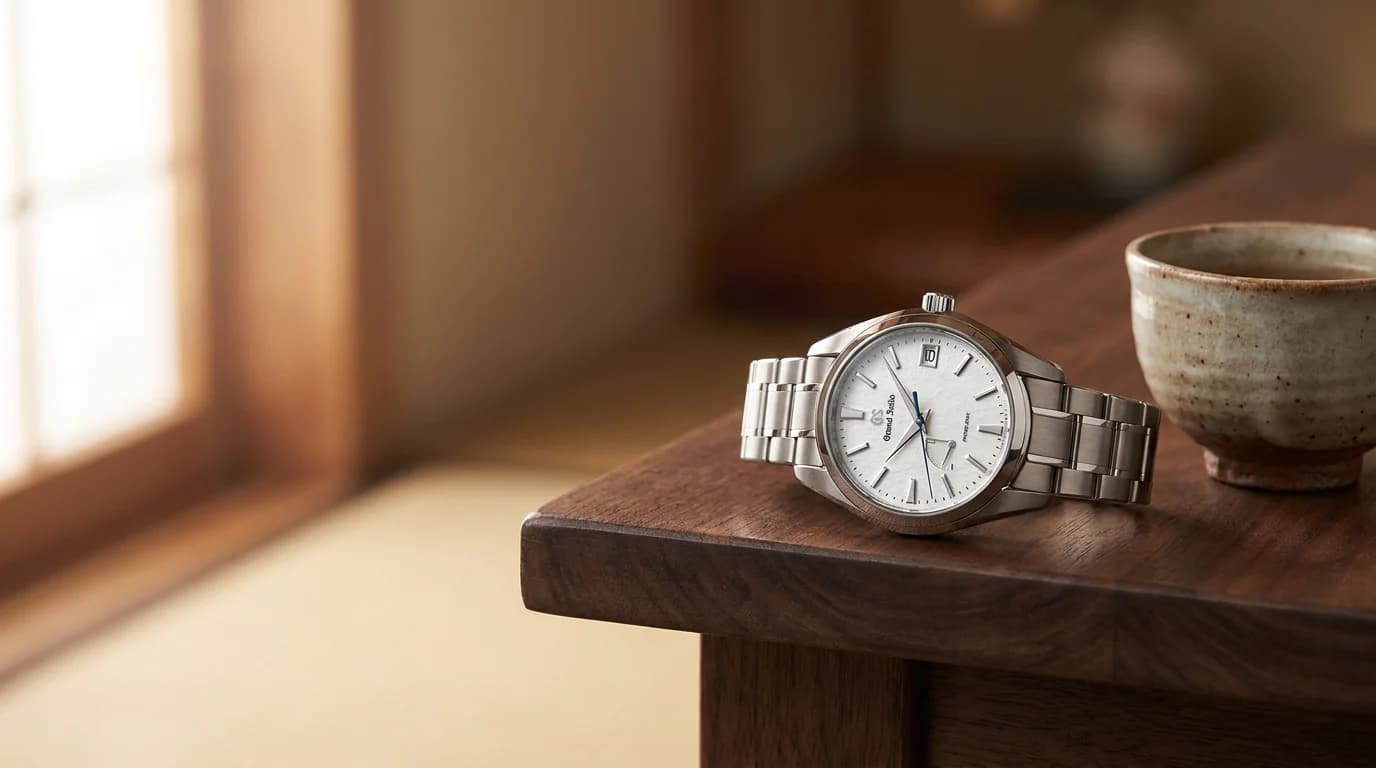
The Grand Seiko Snowflake SBGA211 trades 33% below retail and sold faster than 95% of watches on the market in May 2026. Secondary market prices are rising as Western collectors catch on. A working dealer's read on the data, the movement hierarchy, and the one reference to buy pre-owned now.

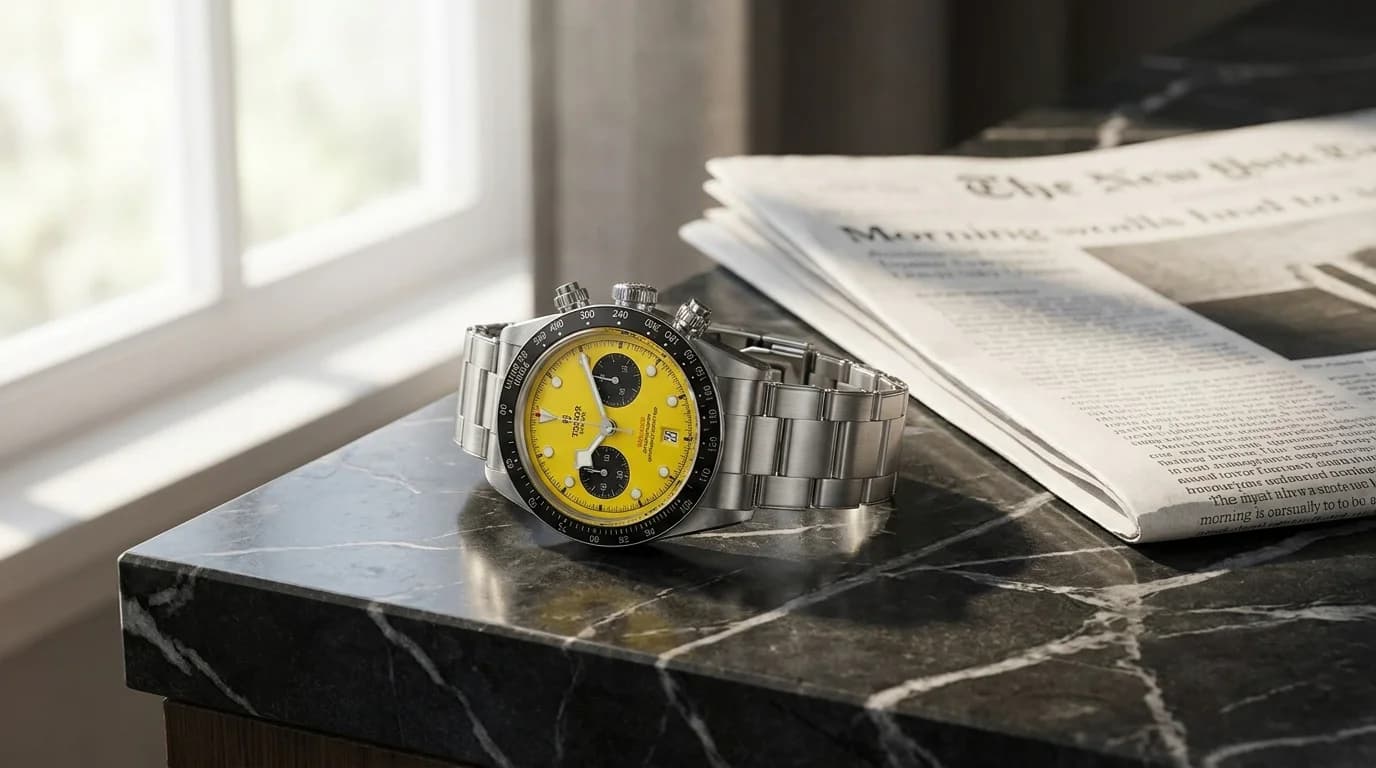
Tudor just dropped the Black Bay Chrono 39 "Bumblebee" at $6,725 — a new 39mm case housing the same COSC-certified MT5813 the 41mm runs. The yellow dial is an acquired taste. The size reduction is the real story, and it opens a buying window most people are overlooking.

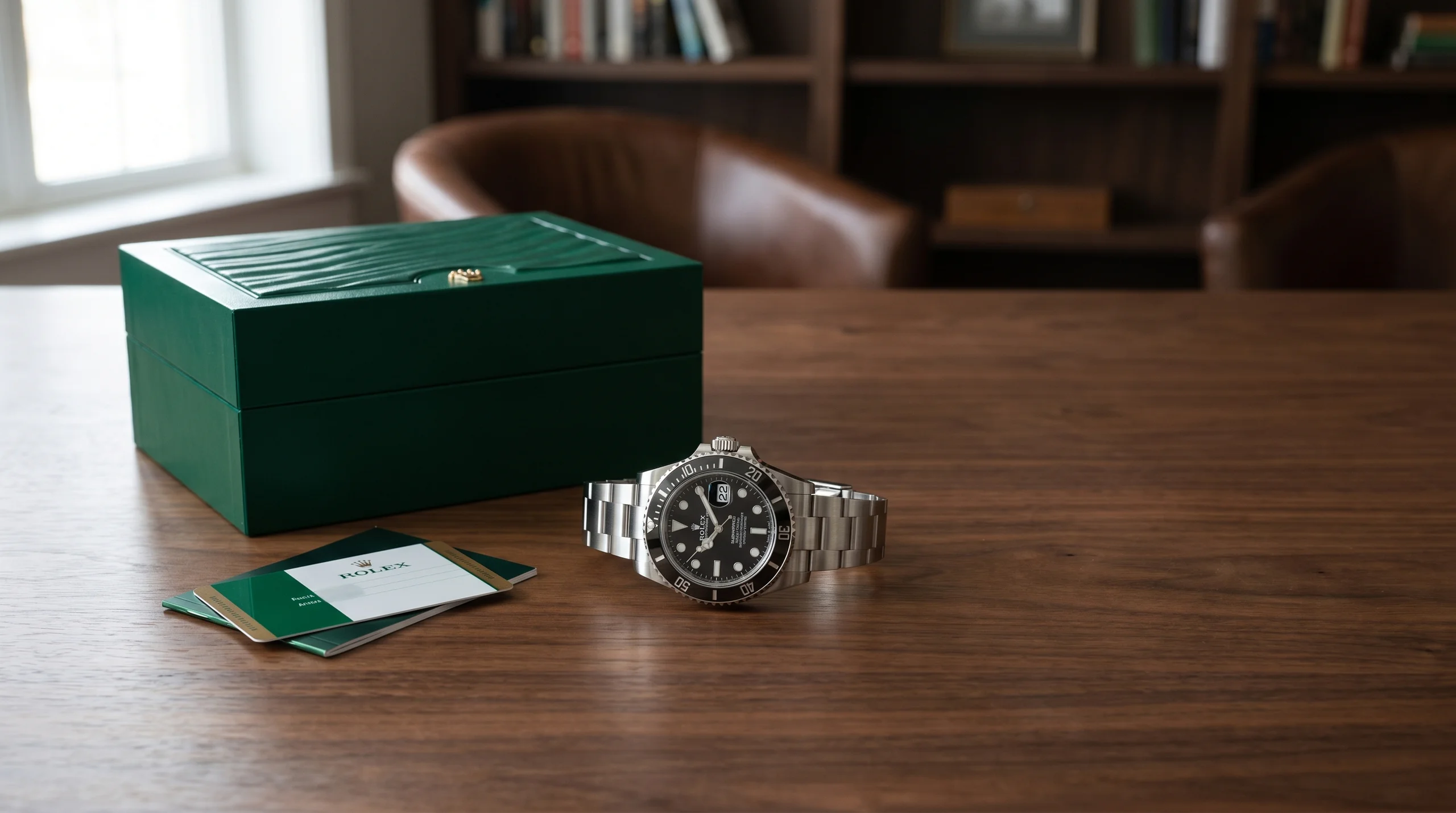
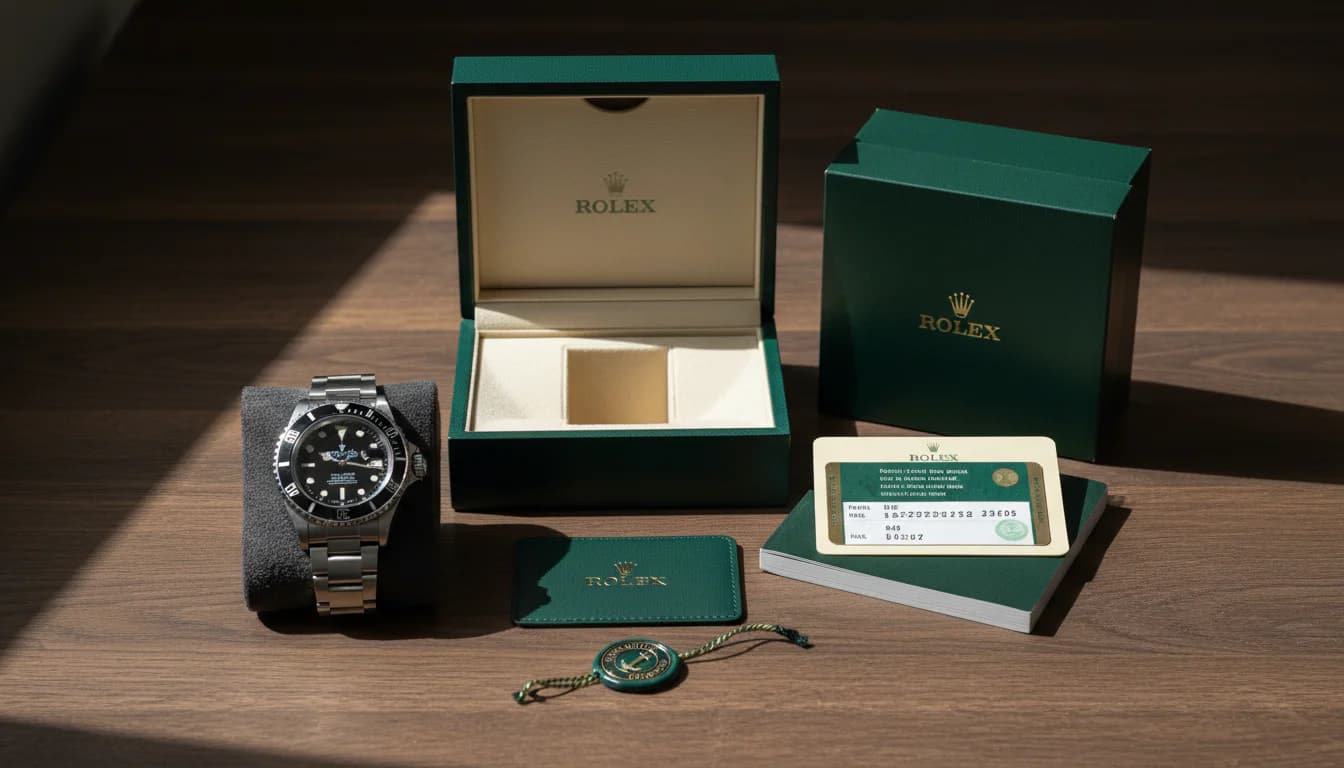
A full set, watch plus original box and papers, typically sells for 13 to 25% more than the same watch naked, and moves faster too. But the premium is about buyer confidence, not cardboard, and it does not work the same on vintage as on modern. A working dealer's read on what a full set is actually worth in 2026, why papers are not authentication, and how to price the gap when you buy pre-owned.

A mechanical watch is a small machine, and machines need maintenance. A working dealer's plain-English guide to what a complete watch service actually costs in 2026, by brand, from a ~$450 Tudor overhaul to a $2,000-plus Patek, how often you really need one, whether to use the manufacturer or an independent, and why service history should shape what you pay for a pre-owned watch.

The Vacheron Constantin Overseas is a holy-trinity sports watch, the same league as the Patek Nautilus and AP Royal Oak, and it trades for a fraction of either. A working dealer's read on why the quiet third of the trinity is arguably the most complete of the three: a Geneva Seal in-house movement, a factory three-strap system neither rival offers, sensible value retention, and a price the others left behind years ago.

Breitling makes serious Swiss chronographs and sells them at prices that drop hard the moment you leave the boutique. That is not a knock on the watches, it is the entire reason to buy them pre-owned. A working dealer's read on why Breitling is the value hunter's brand, why the Navitimer and Chronomat are the references that hold, what the 2026 Chronomat redesign means for buyers, and how to get a real in-house chronograph for a fraction of new.

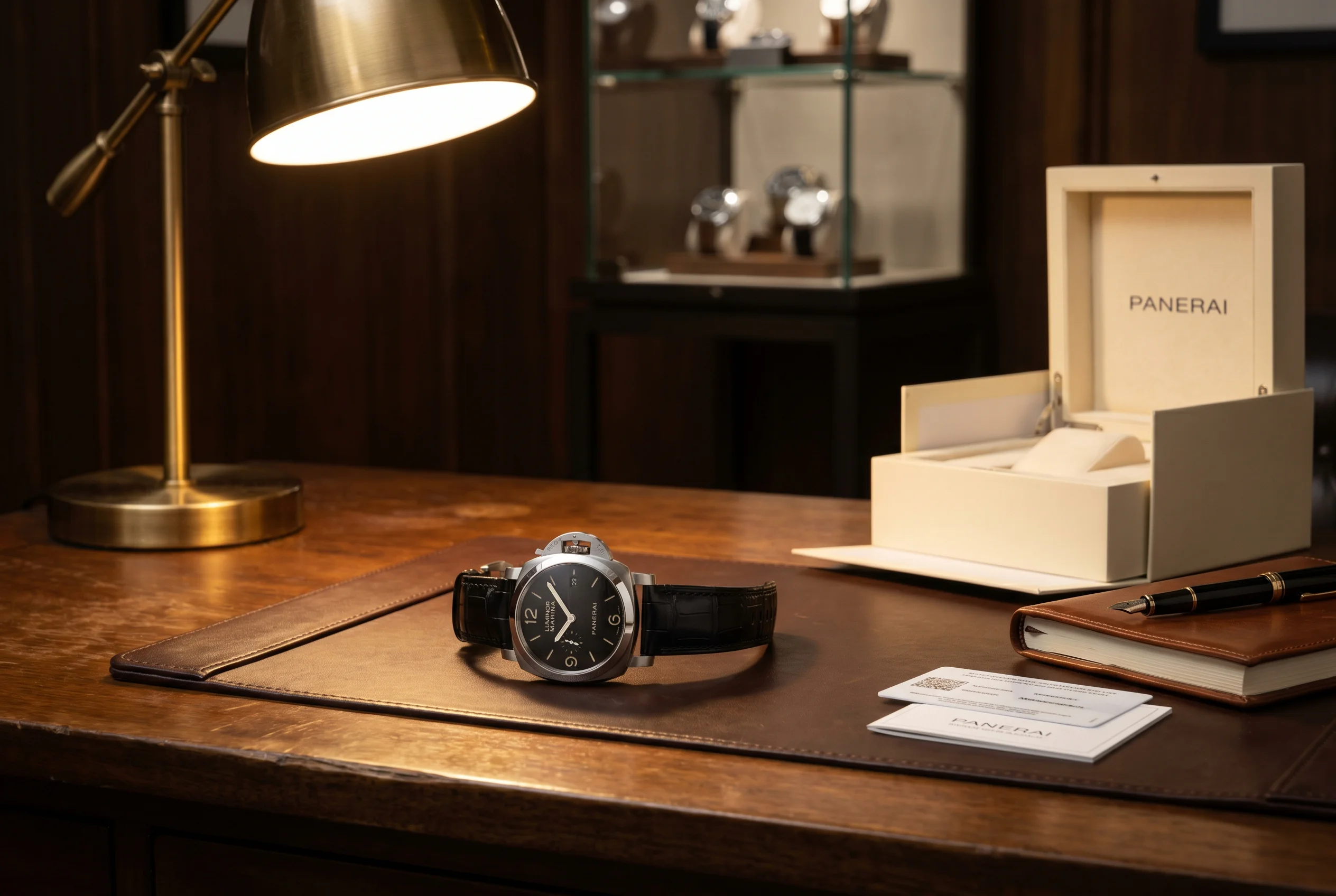
Panerai has a reputation for hard depreciation, and like most reputations it is half true. The data says the brand is roughly flat right now, not collapsing. What is true is that Panerai becomes a much stronger value once someone else has owned it first. A working dealer's read on why you buy Panerai pre-owned, why the Luminor Marina is the value entry, why reference selection is everything, and what the 2026 heritage releases signal.

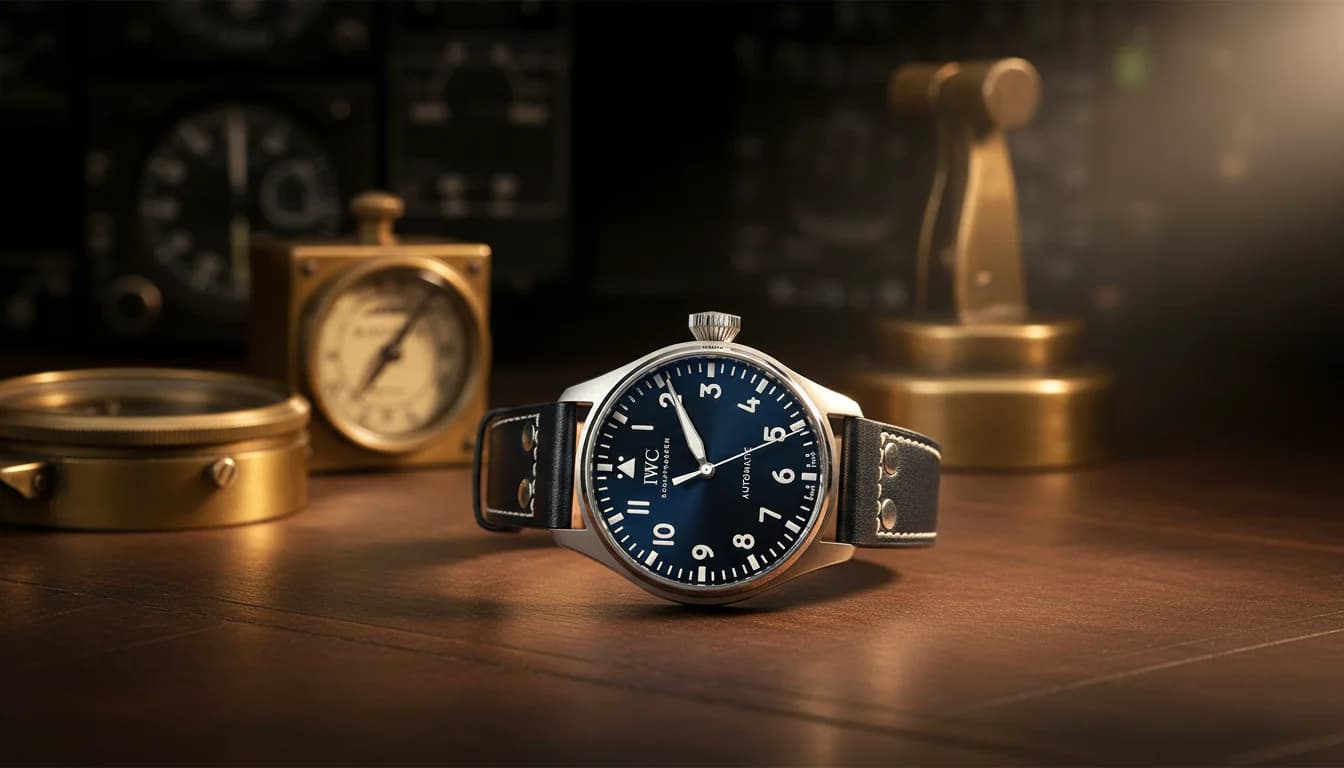
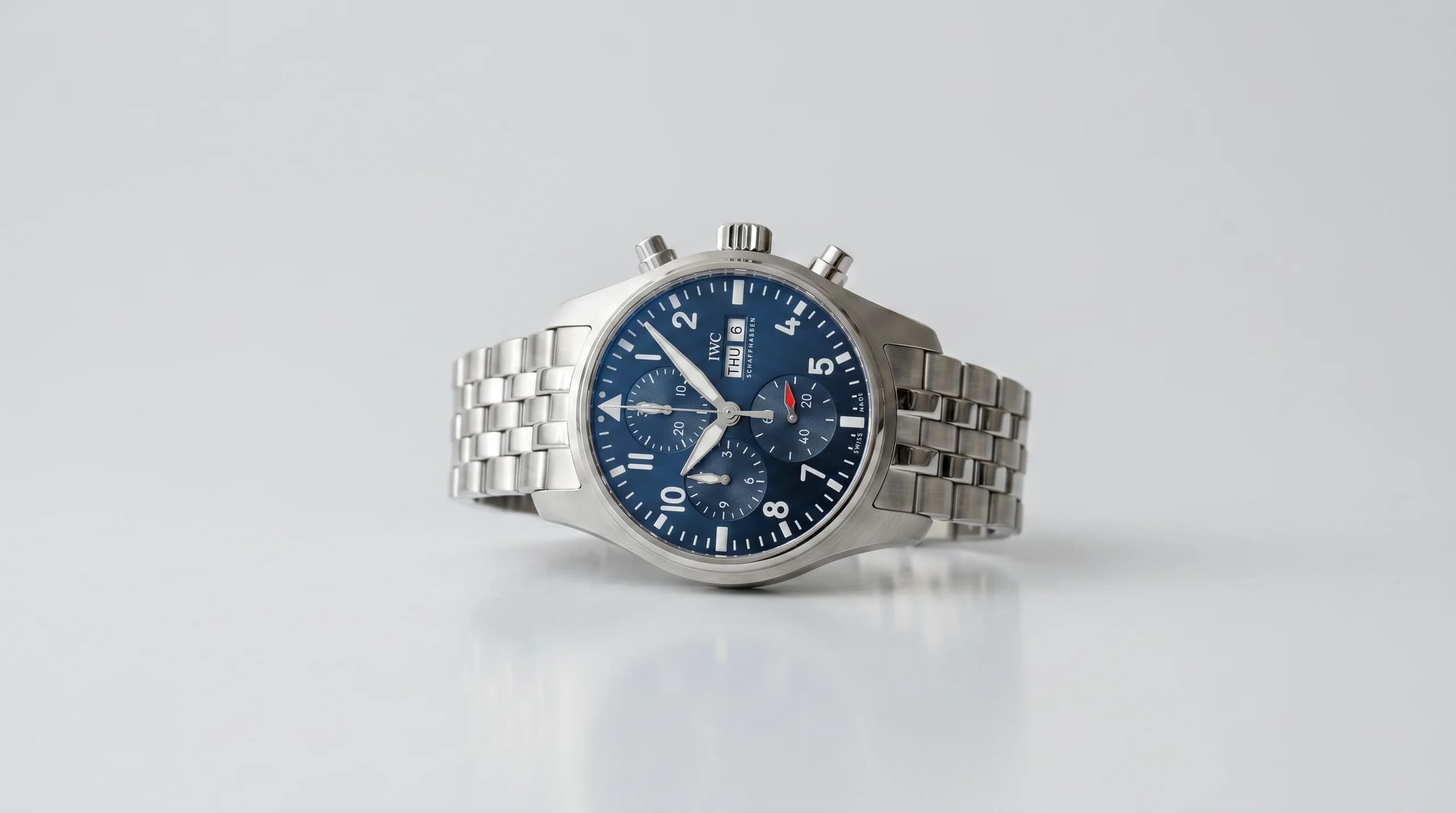
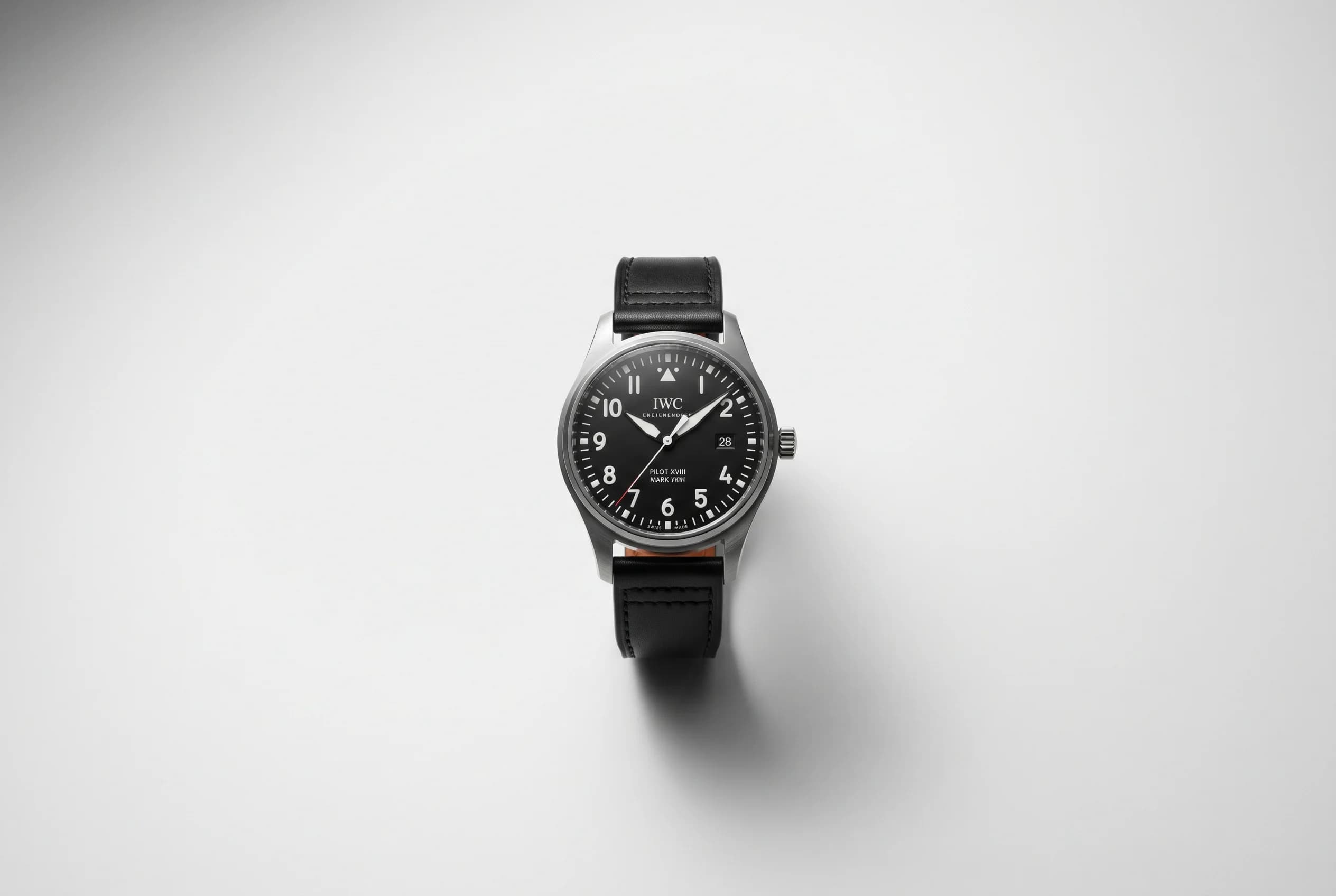
IWC makes some of the best high-end watches almost nobody is hyping in 2026, and that is exactly why it belongs on a value buyer's shortlist. A genuine Swiss manufacture with in-house movements and real aviation heritage, trading 25 to 30% below retail pre-owned. A working dealer's read on why the lack of buzz is the discount, why the Pilot's Watch Mark XX is the sweet spot, and why this is a buy-to-wear rather than a flip.

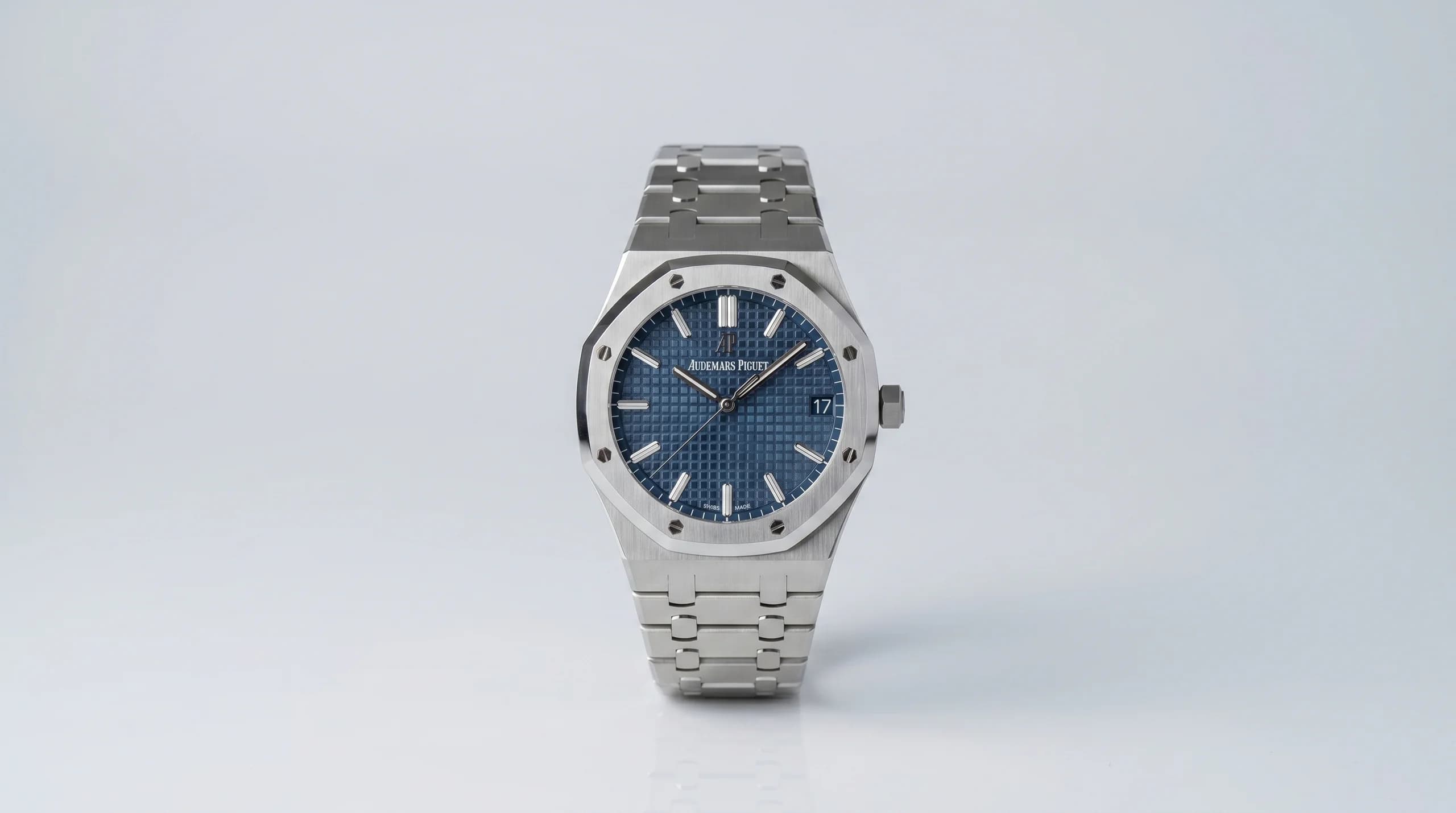
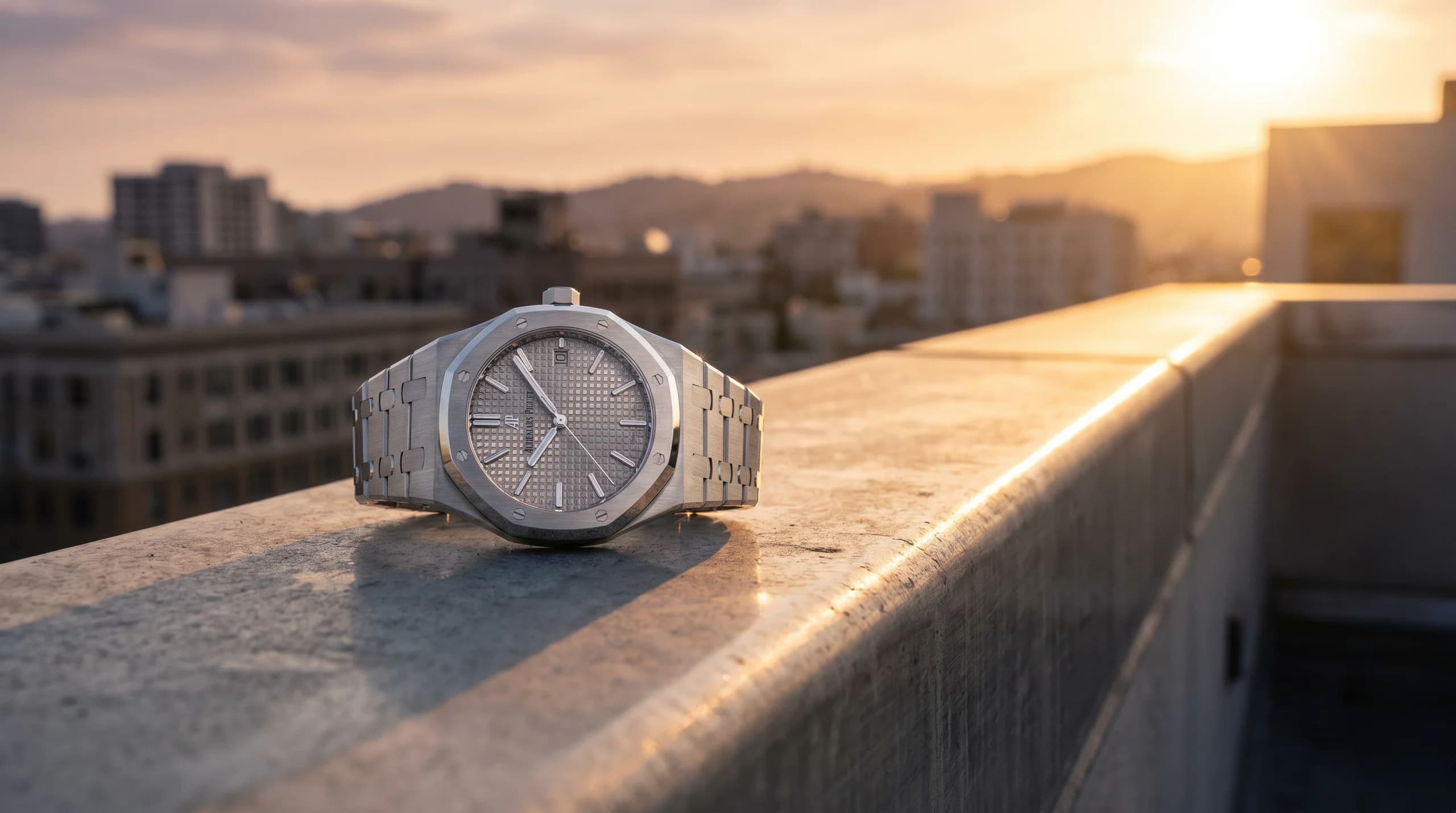
The Audemars Piguet Royal Oak is the last steel sports watch still trading above retail in 2026, and that tells you most of what you need to know about the brand. A working dealer's read on why the Royal Oak is AP's value anchor while the Code 11.59 sells for a steep discount, why retail is effectively theoretical, and how to buy an AP without confusing the one that holds for the one that bleeds.

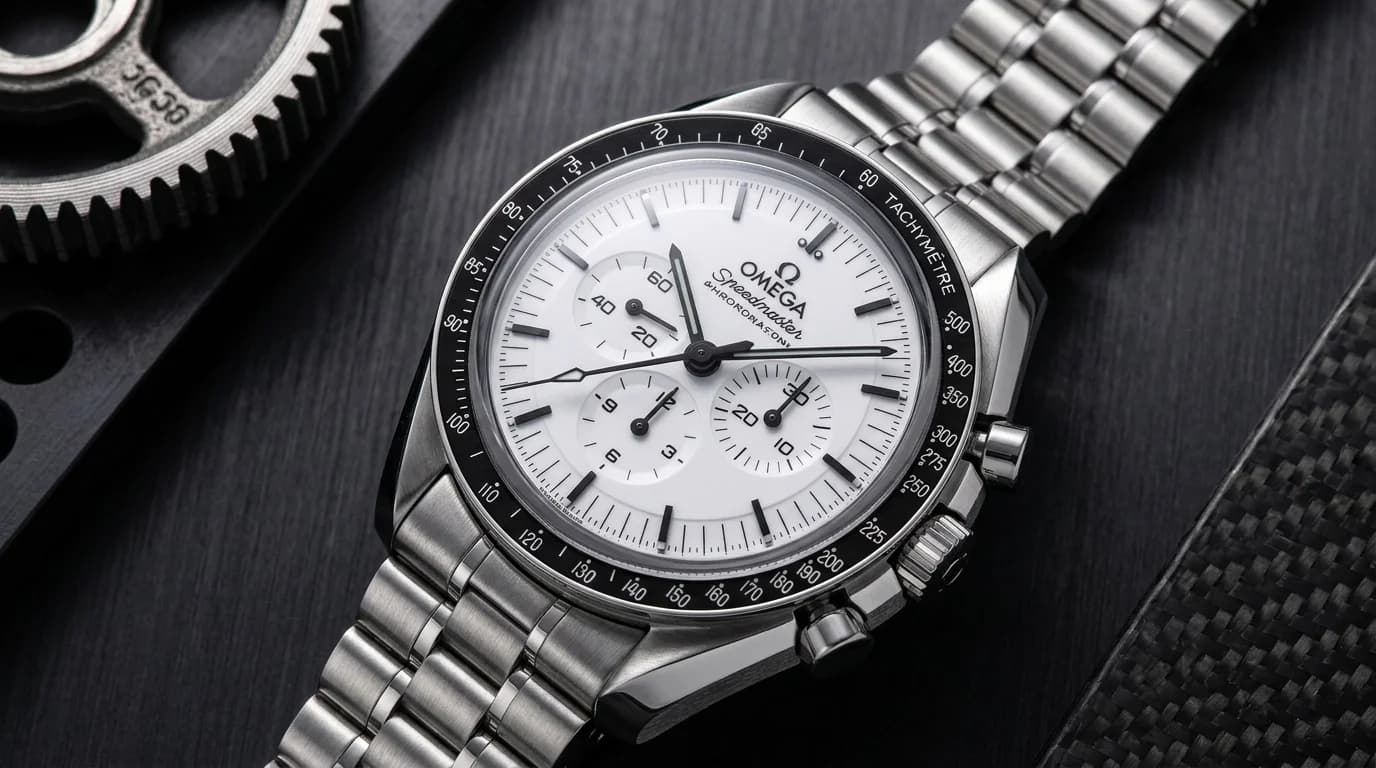
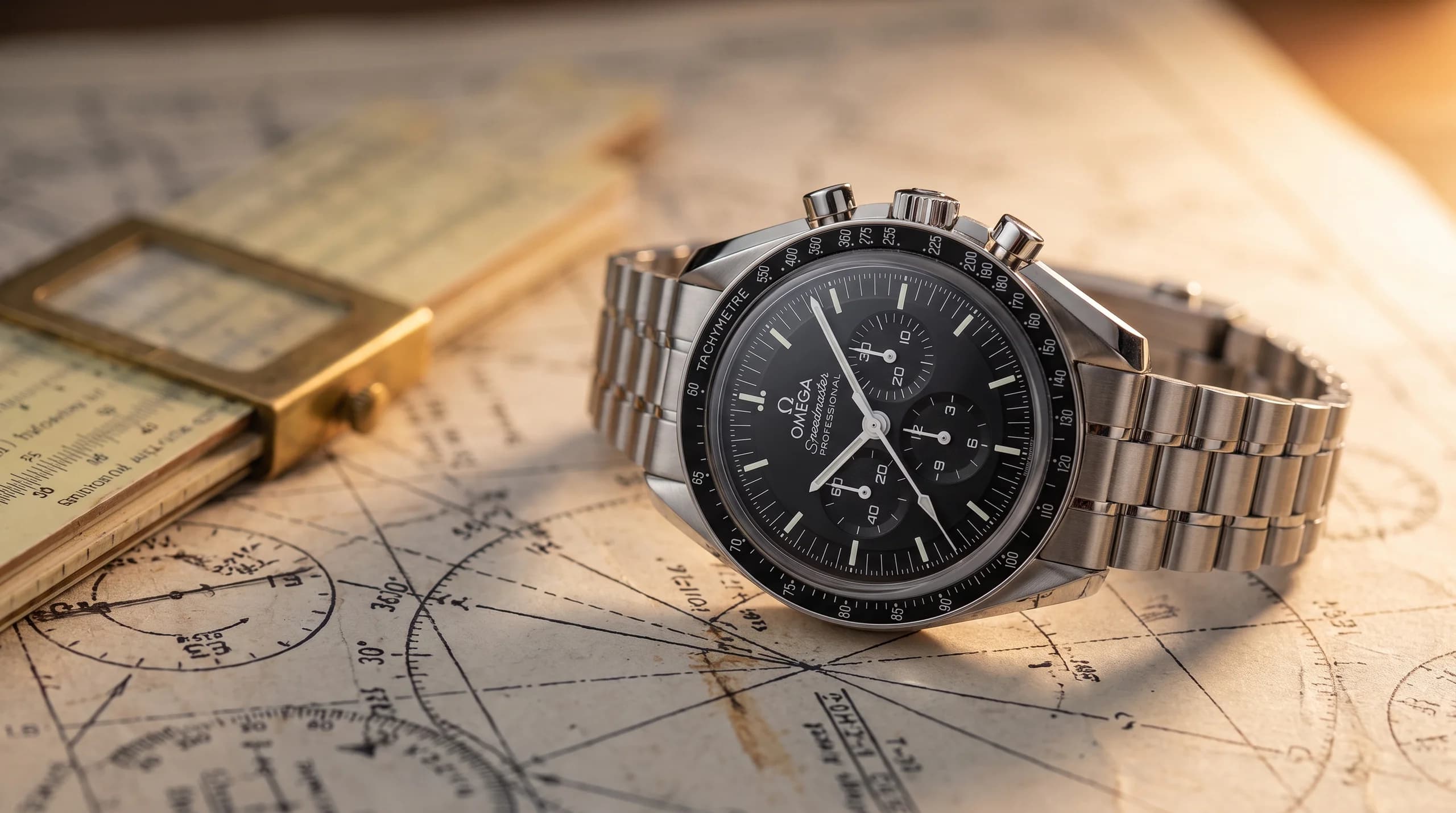
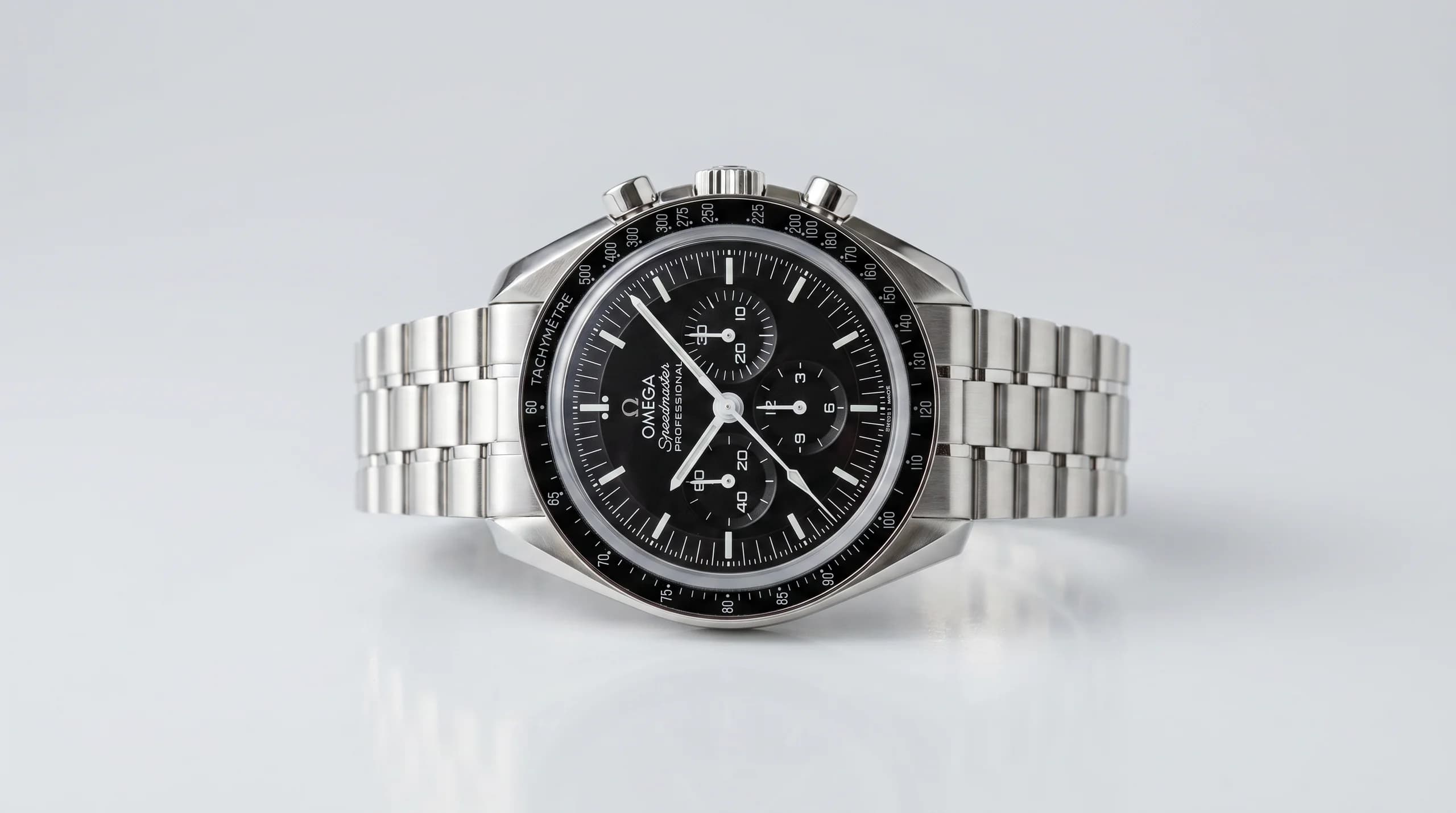
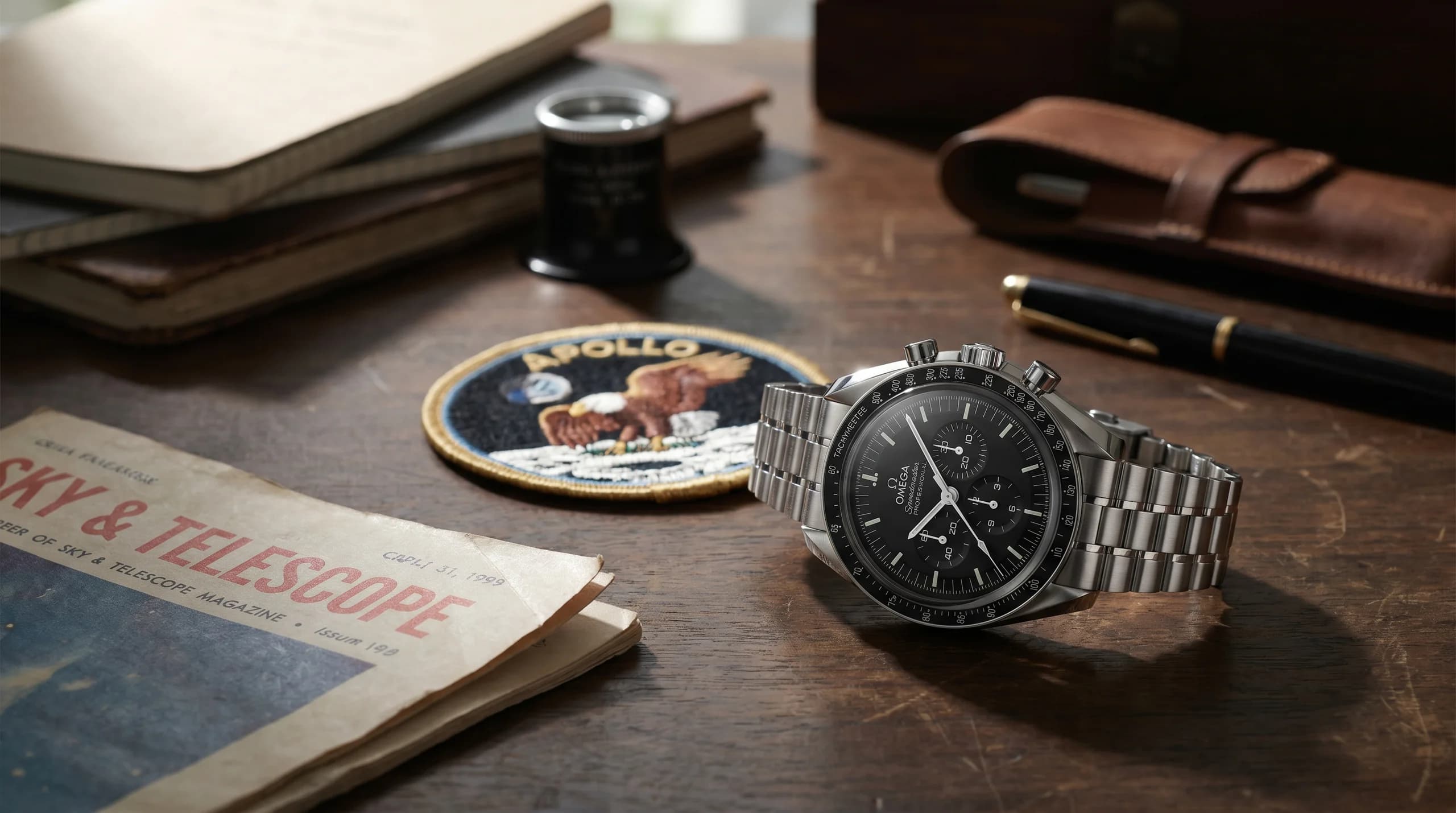
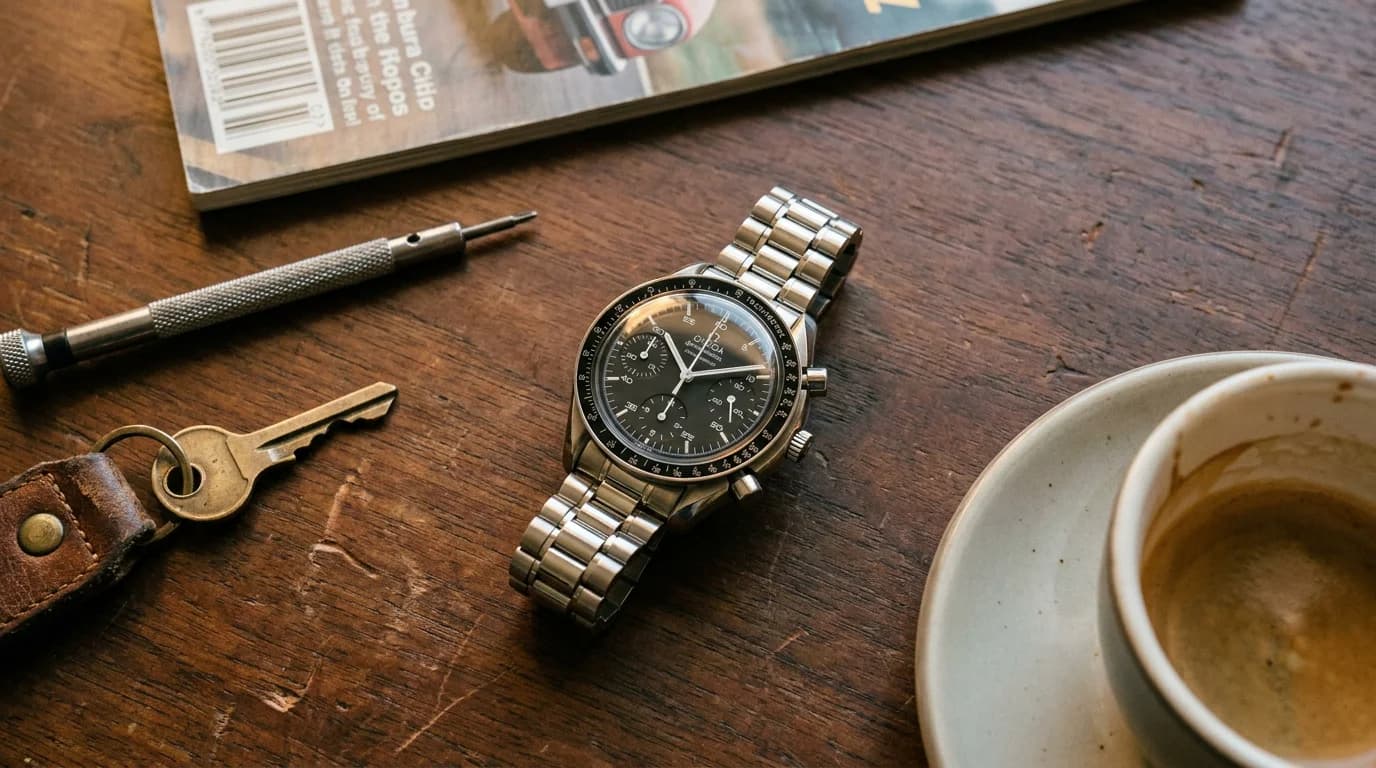
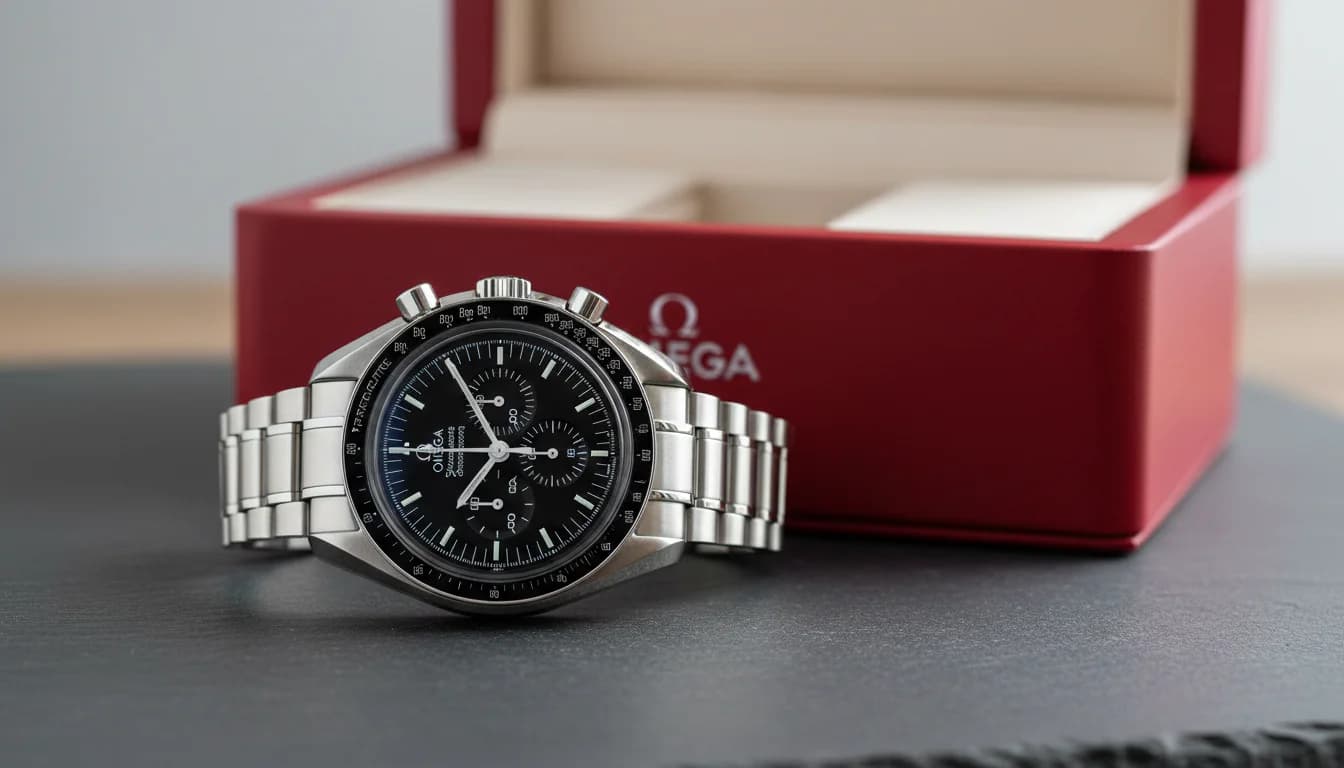
Omega opened 2026 with a reverse-panda Speedmaster Moonwatch, and the press did its job of making you want one. The part that matters: the standard steel Moonwatch is one of the best-value mechanical watches in the world, and you do not need the new dial to own it. A working dealer's read on why the steel Professional holds, where the precious-metal versions quietly lose money, and how to buy one well.

The Patek Philippe Nautilus turns 50 in 2026, and the anniversary collection is spectacular and almost entirely beside the point for a normal buyer: a few thousand commemorative pieces routed to top clients, with even the standard white-gold 5811 a six-figure, multi-year-waitlist proposition. A working dealer's read on what the milestone does to the surrounding market, and the attainable alternatives, the Aquanaut, the Overseas, the Royal Oak, that make more sense.

For a decade the line was that Cartier is a fashion brand that does not hold value. The 2026 secondary market retired that idea: while hype-driven sports watches corrected, Cartier held, ranking among the top brands for secondary-market gains. But "Cartier holds value" is too blunt to act on. A working dealer's read on where the value actually concentrates, the Tank and Santos in steel, and how to buy one without paying the hype tax.

Tudor turned 100 in 2026, and its centenary lineup, the new Monarch, a brand-wide jump to Master Chronometer certification, and a Black Bay 58 pushed near $5,000, shows a brand that now prices like a first-choice manufacture rather than the budget Rolex. A working dealer's read on what that means for a buyer, and why the value that built Tudor's name now lives in the outgoing pre-owned models.

There is no such thing as a brand that holds value, only references that do and references that do not, often sitting inches apart in the same catalog. A working dealer's 2026 value map: the one to buy and the one to avoid across Rolex, Omega, Tudor, Patek Philippe, Audemars Piguet, and Breitling, with the public retention data behind each call.

Rolex strengthened its Superlative Chronometer certification in 2026, adding three new criteria at the design and manufacturing stage. A working dealer's read on what the green seal and the five-year guarantee actually mean when you are buying pre-owned, and why the upgrade changes almost nothing about an older watch.

The secondary market is recovering in 2026, which is exactly when the investment pitch sounds smartest and is most misleading. A working dealer's read on what the public data actually shows: gains concentrated in a few references, decade returns built on survivorship bias, and an ownership cost stack that eats most of what is left.

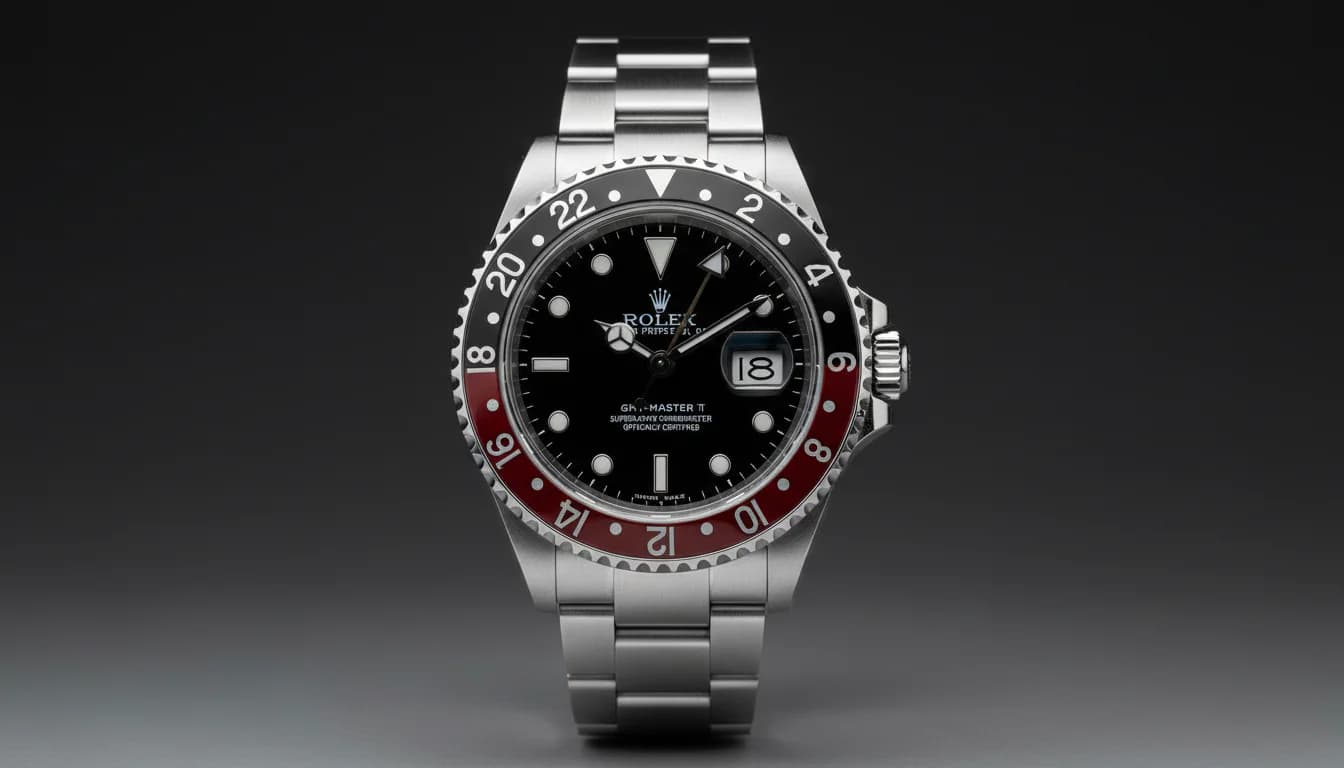
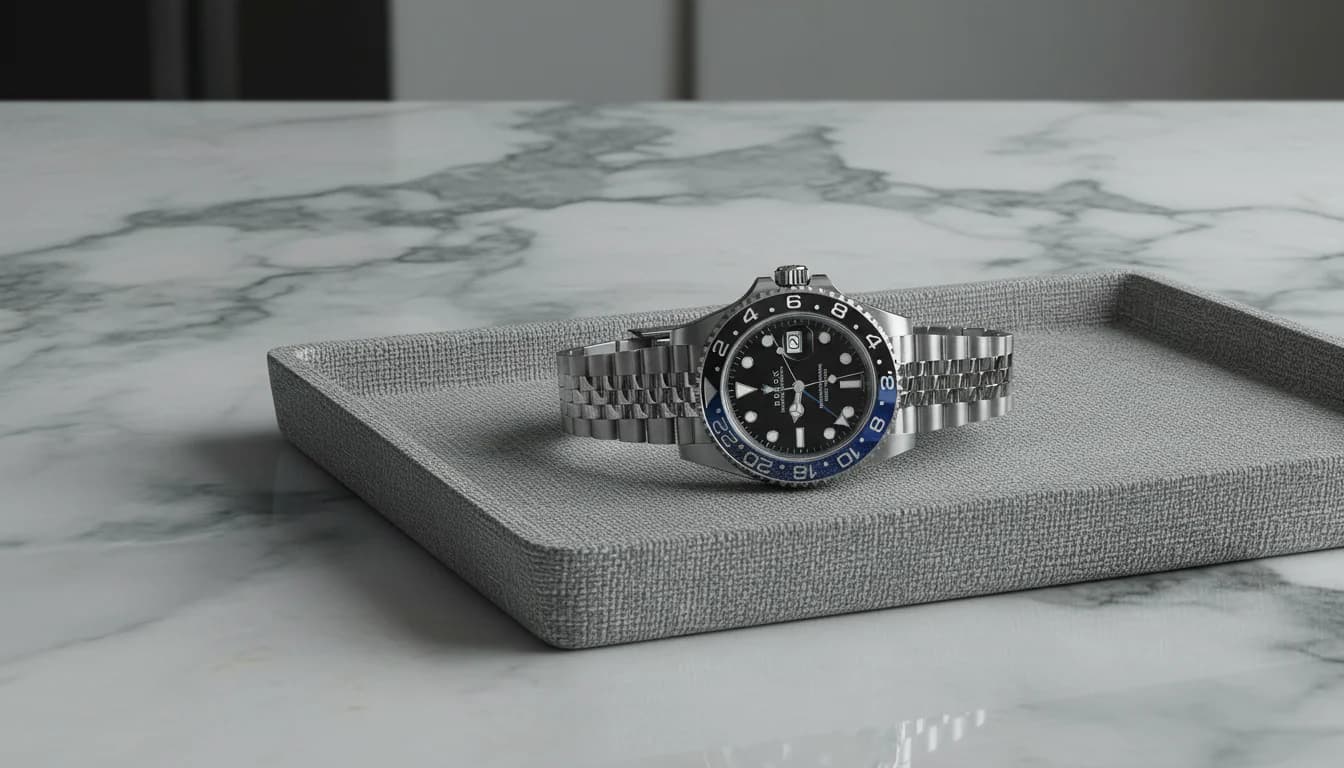
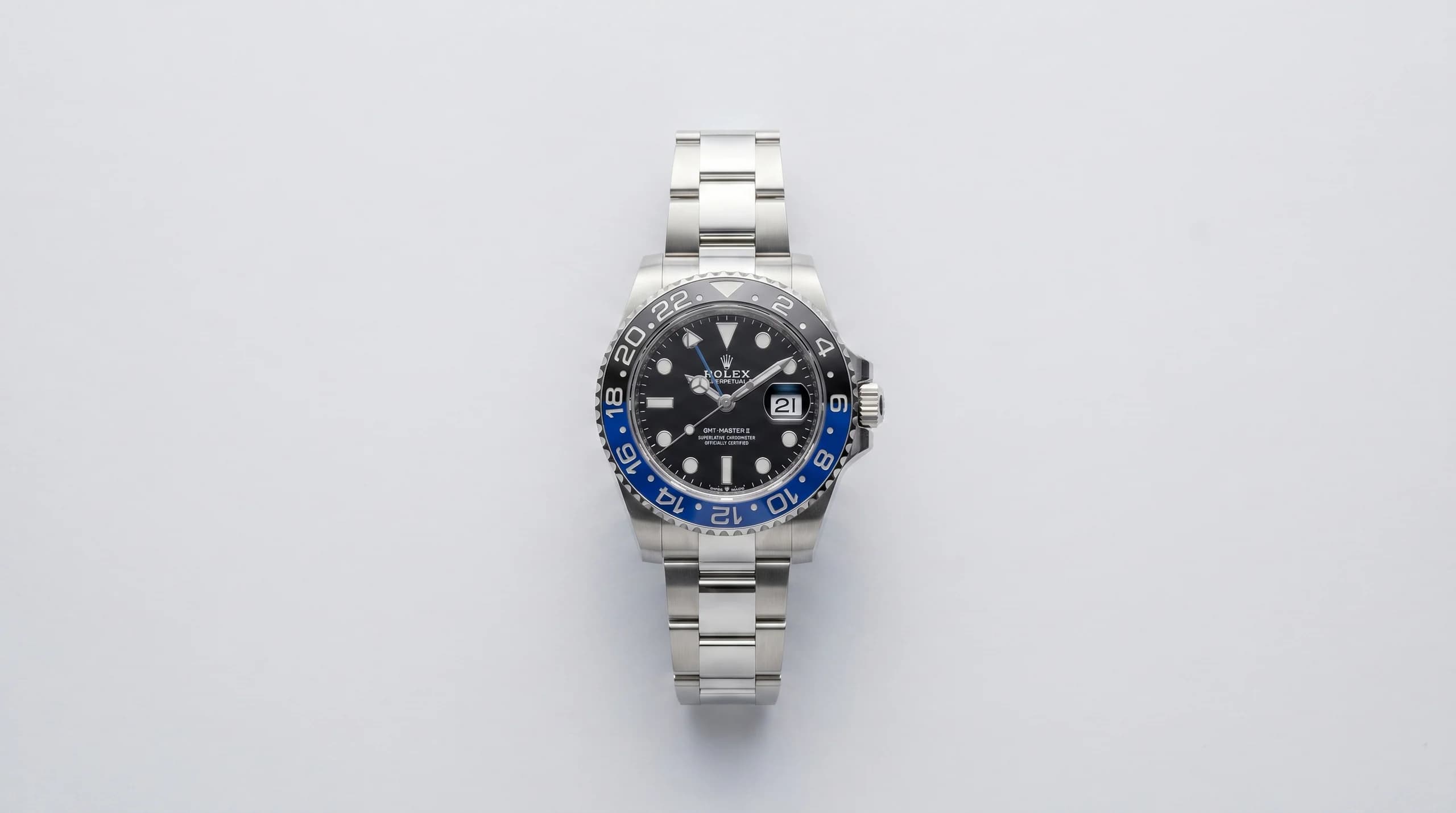
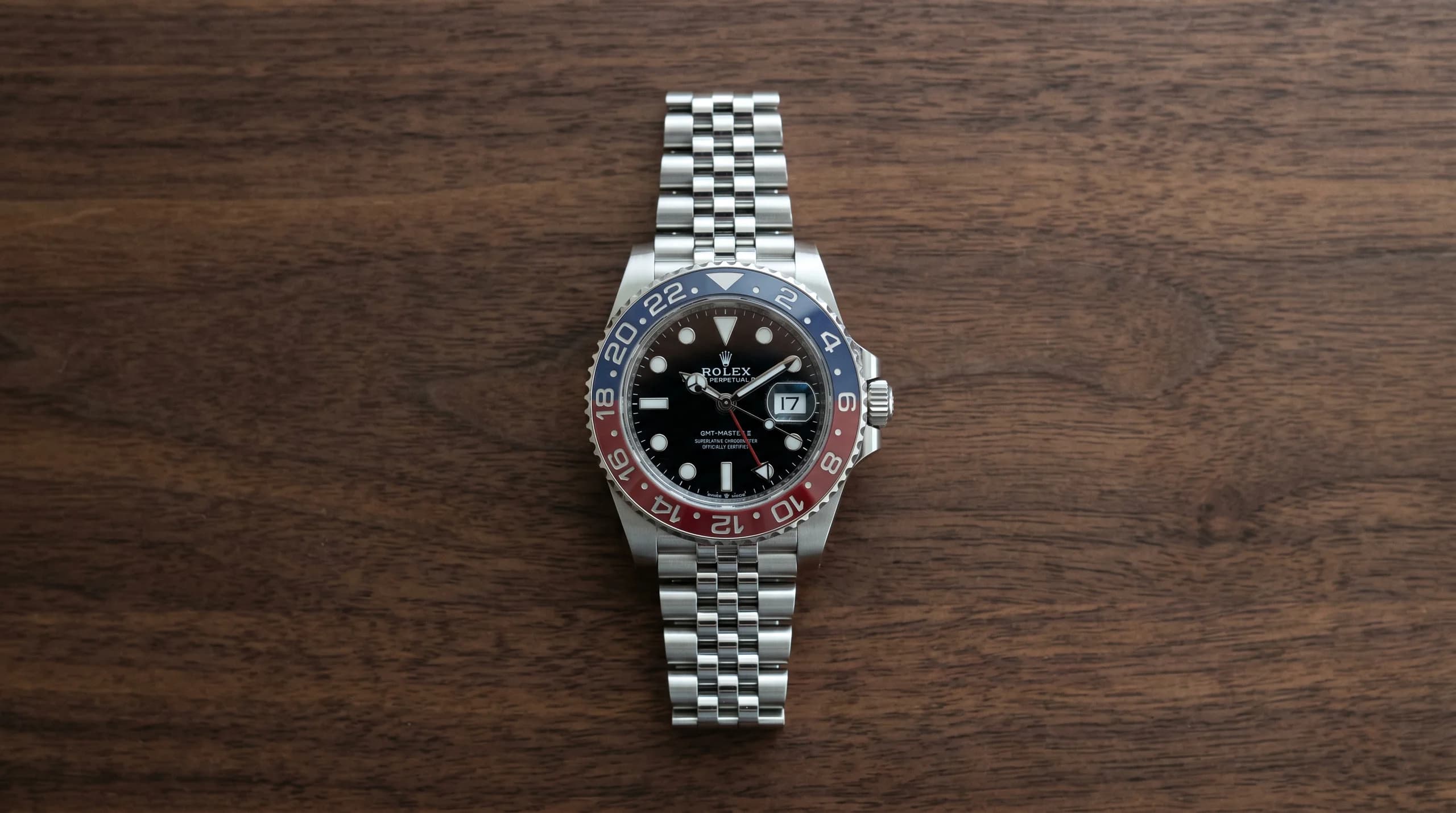
The discontinued Pepsi is the GMT everyone wants and the one most buyers should skip in 2026. It is the same watch as the Batman underneath, at a premium of several thousand dollars more. A working dealer's read on the GMT-Master II family and which steel bezel actually makes sense now.

Most buyers are waiting for pre-owned steel Rolex to get cheaper. The January 2026 retail hike did the opposite: it lifted secondary floors and squeezed the pre-owned premium on the Submariner to its narrowest in about three years. A working dealer's read on what the hike actually did and what it means if you are buying now.

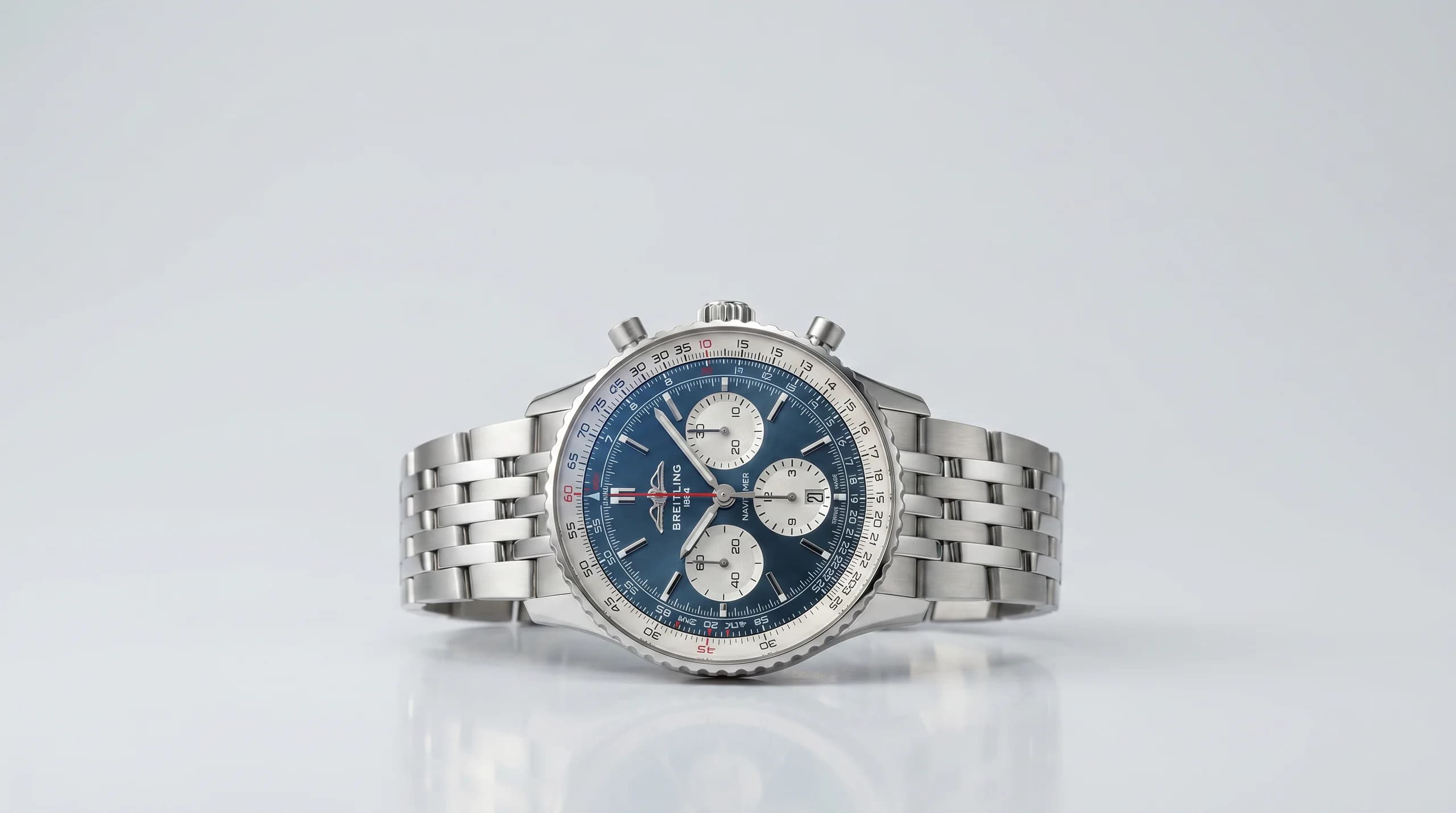
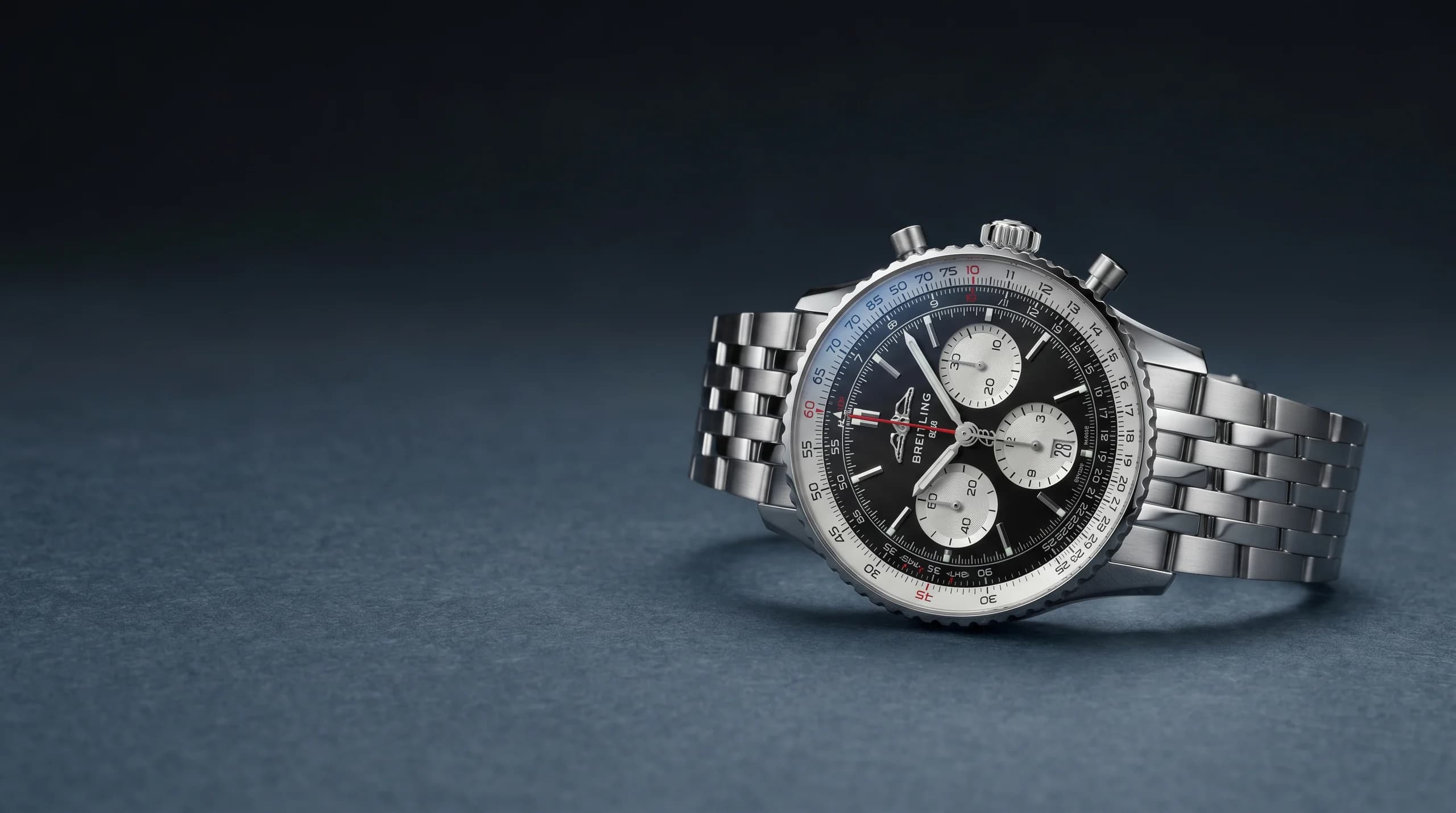
The complete 2026 Breitling Navitimer buying guide. Every modern reference decoded with retail and secondary market pricing: the volume B01 Chronograph 43 AB0138 at ~$9,100 retail / ~$6,500 pre-owned, the smaller B01 Chronograph 41 AB0139, the largest B01 Chronograph 46 in steel, two-tone, and rose gold, the entry-tier Navitimer Automatic 41 A17326 at ~$4,950 retail, plus the news-hook 2026 Cosmonaute Artemis II with galaxy-blue meteorite dial at $11,900 (450 pieces) worn by NASA's Artemis II lunar flyby crew, the original 1962 Scott Carpenter Cosmonaute lineage, and vintage Reference 806 territory.

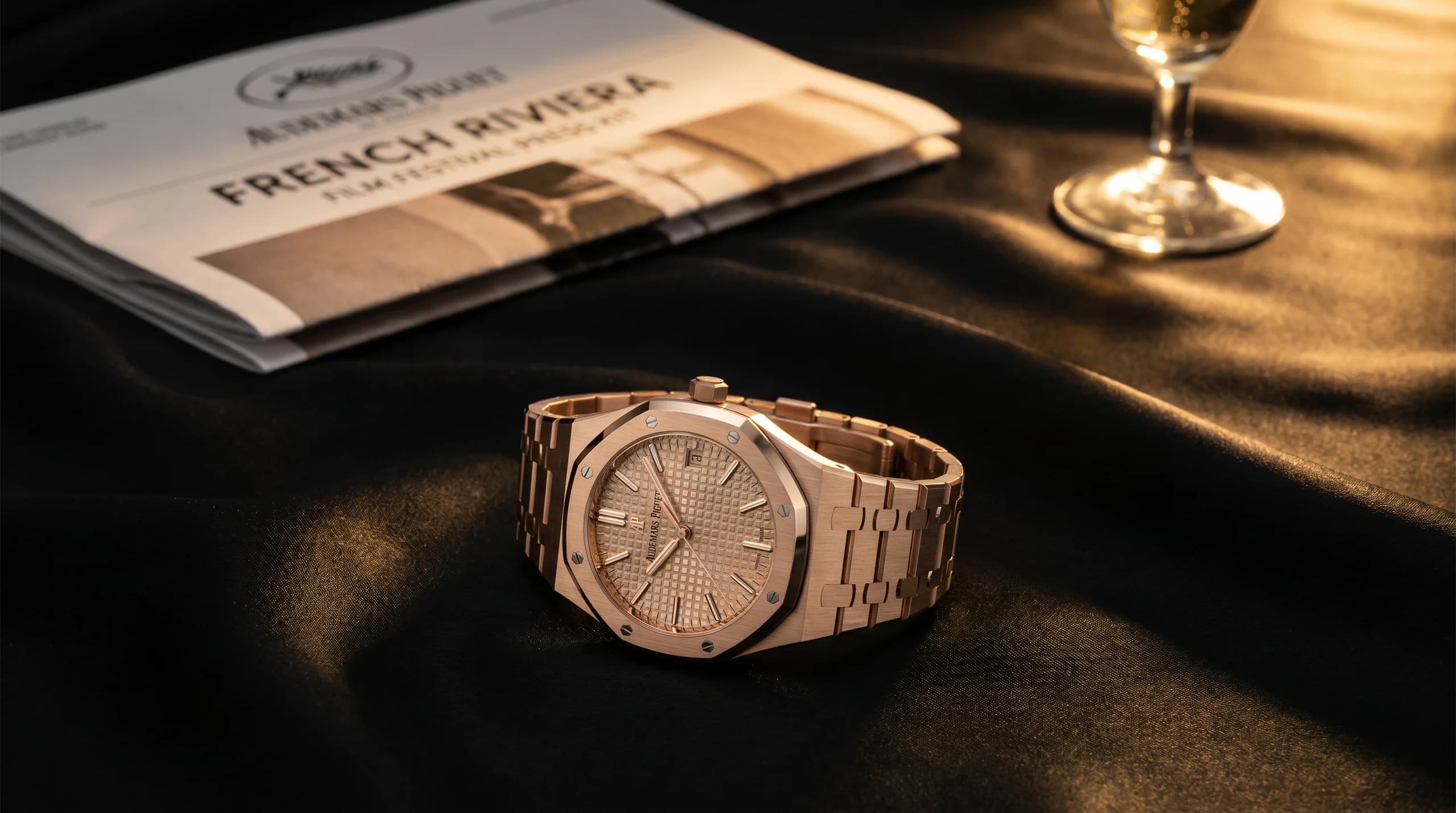
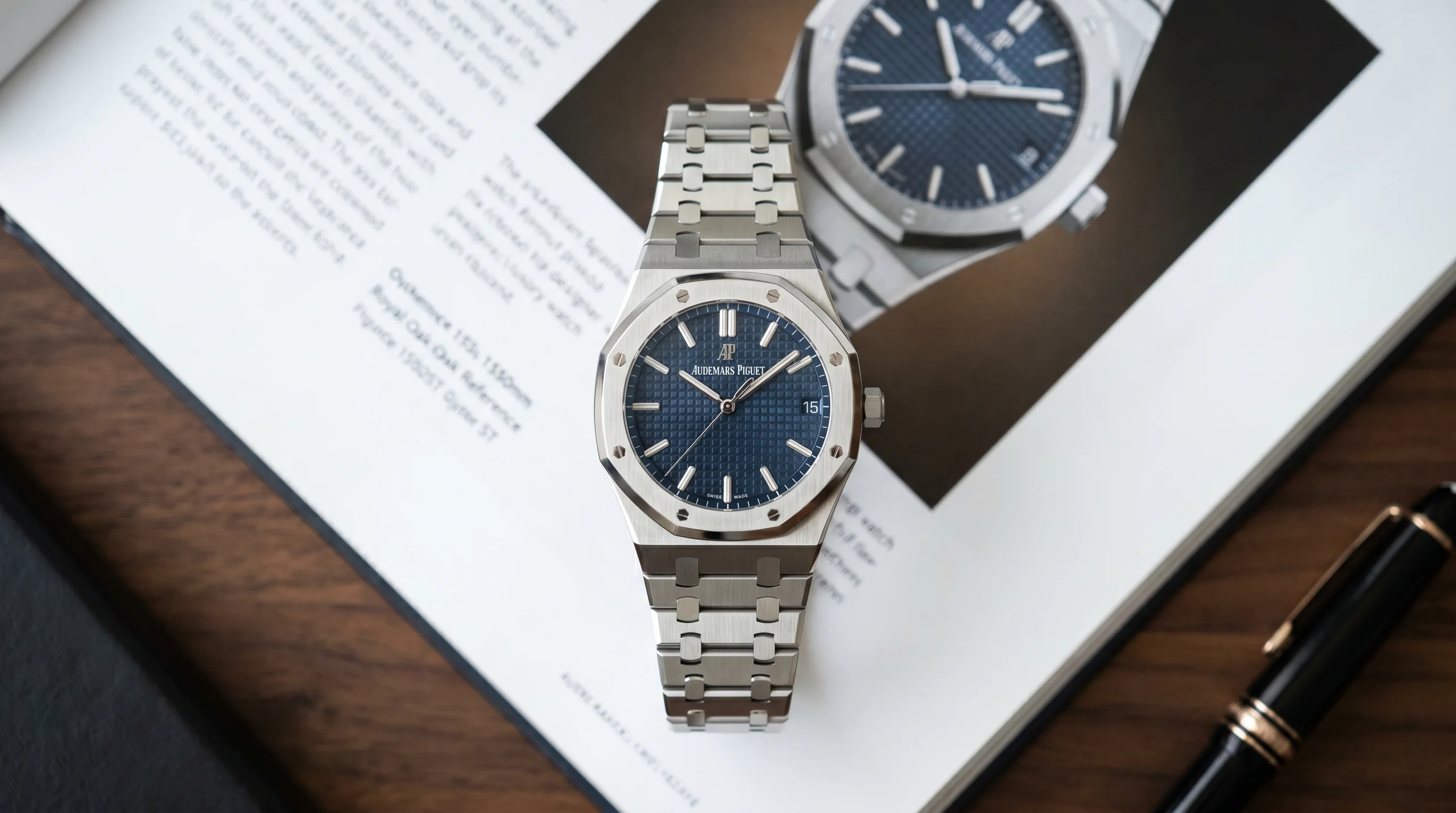
The complete 2026 Audemars Piguet Royal Oak buying guide. Every modern reference decoded with retail and secondary market pricing: the iconic Jumbo Extra-Thin 16202ST at $40,100 retail / $70,000-85,000 pre-owned, the volume Selfwinding 41mm 15510ST, the in-house calibre 4401 Chronograph 26240ST, the GPHG 2025 Iconic Watch Prize-winning Perpetual Calendar 26674 with the new all-crown-adjustable Calibre 7138, plus the 2026 W&W releases including the openworked Calibre 7139, the new 38mm Chronograph, vintage 5402 territory, and the broader Offshore and Concept families.

The complete 2026 Cartier Santos buying guide. Every modern reference decoded with retail and secondary market pricing: the Santos de Cartier Medium WSSA0029 at $7,750 retail / $6,551 pre-owned (the most popular reference in the entire collection), the Large WSSA0018 volume play, the Large WSSA0039 ADLC sport variant, the dressier Santos-Dumont LM family including the new 2026 W&W releases on yellow gold and platinum mesh bracelets with the gilded obsidian dial at €38,900, the refreshed Santos Chronograph, plus vintage Santos Galbée and original 1904 Santos-Dumont territory.

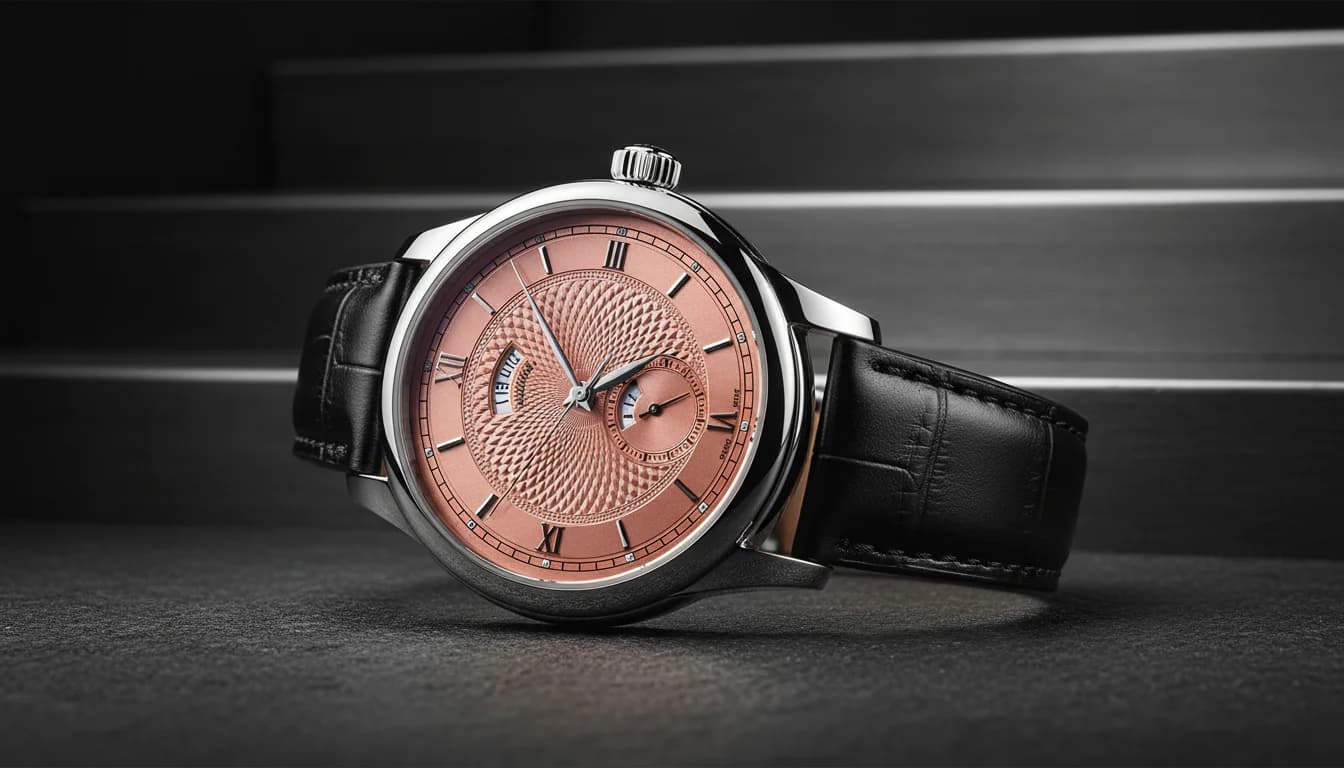
The complete 2026 Patek Philippe Calatrava buying guide. Every modern reference decoded with retail and secondary market pricing: the hand-wound 6119R / 6119G with hobnail bezel, the contemporary 5226G with charcoal grained dial, the officer's-caseback 5227 family, the 6007G in white gold, the classical 5196, the platinum 6196P-001 with salmon dial, the new 5328G 8-Day flagship, plus the vintage Reference 96 lineage from 1932 and what the pre-owned market actually charges today.

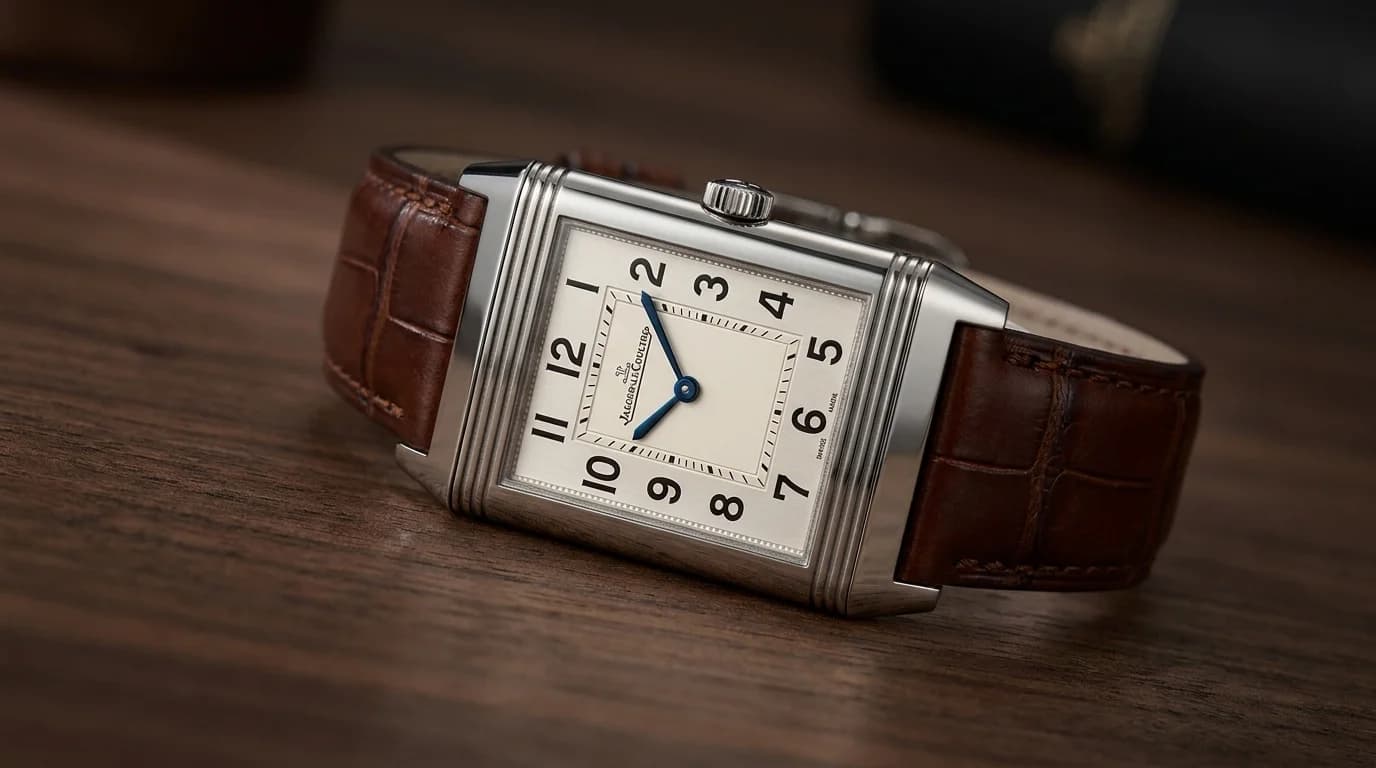
Jaeger-LeCoultre unveiled five new Reverso Tribute Monoface 'Or Deco' references at the Miami Reverso Stories pop-up on May 21, 2026. Three gem-set Cocktail editions in rubies, blue sapphires, and emeralds (30 pieces each), a white gold Small Seconds at £46,800 (200 pieces), and the non-limited Or Deco Solo Tempo at £38,300 that brings the modern Reverso back to 40.1mm x 24.4mm, within striking distance of the 1931 original. A working dealer's read on the five-piece series and what the smaller dimensions mean for the pre-owned Reverso market.

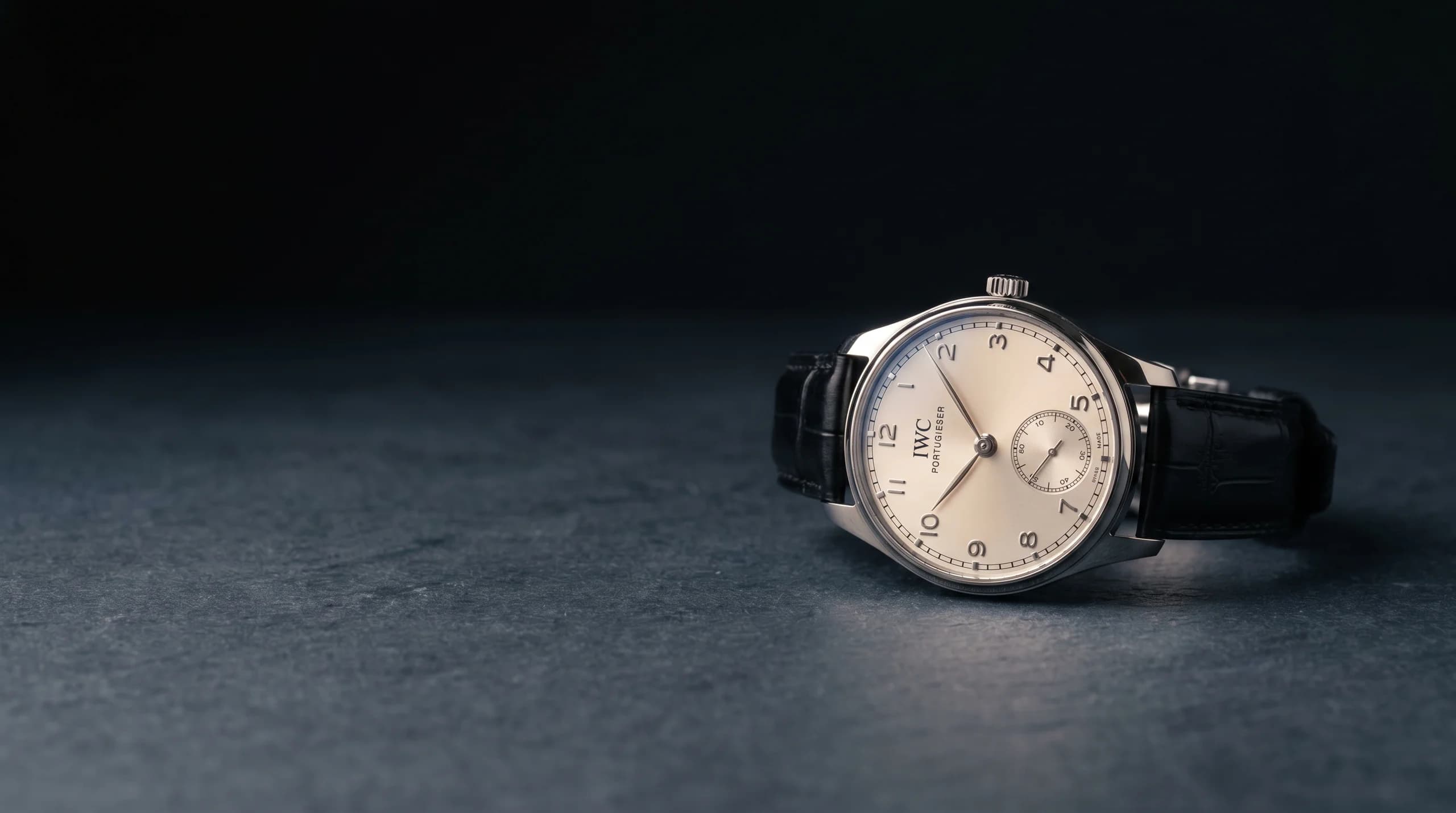
The complete 2026 IWC Portugieser buying guide. Every modern reference decoded with retail and secondary market pricing: the Portugieser Automatic 40 and the new 42, the Chronograph IW371617 with steel bracelet, the 2026 Chronograph Ceratanium, the Hand-Wound Eight Days, the Yacht Club Chronograph, the Perpetual Calendar, the Aiguille d'Or-winning Eternal Calendar, plus vintage references and the Sidérale Scafusia tourbillon flagship.

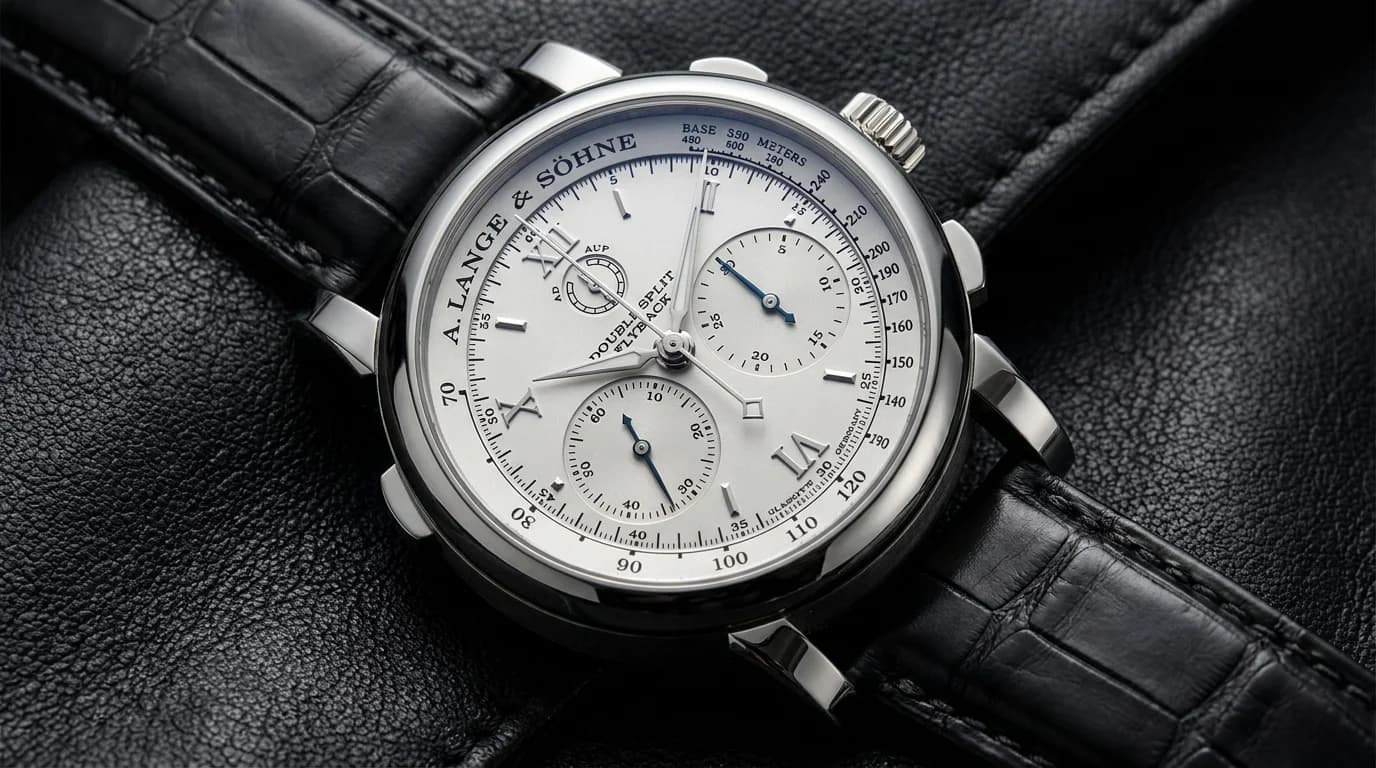
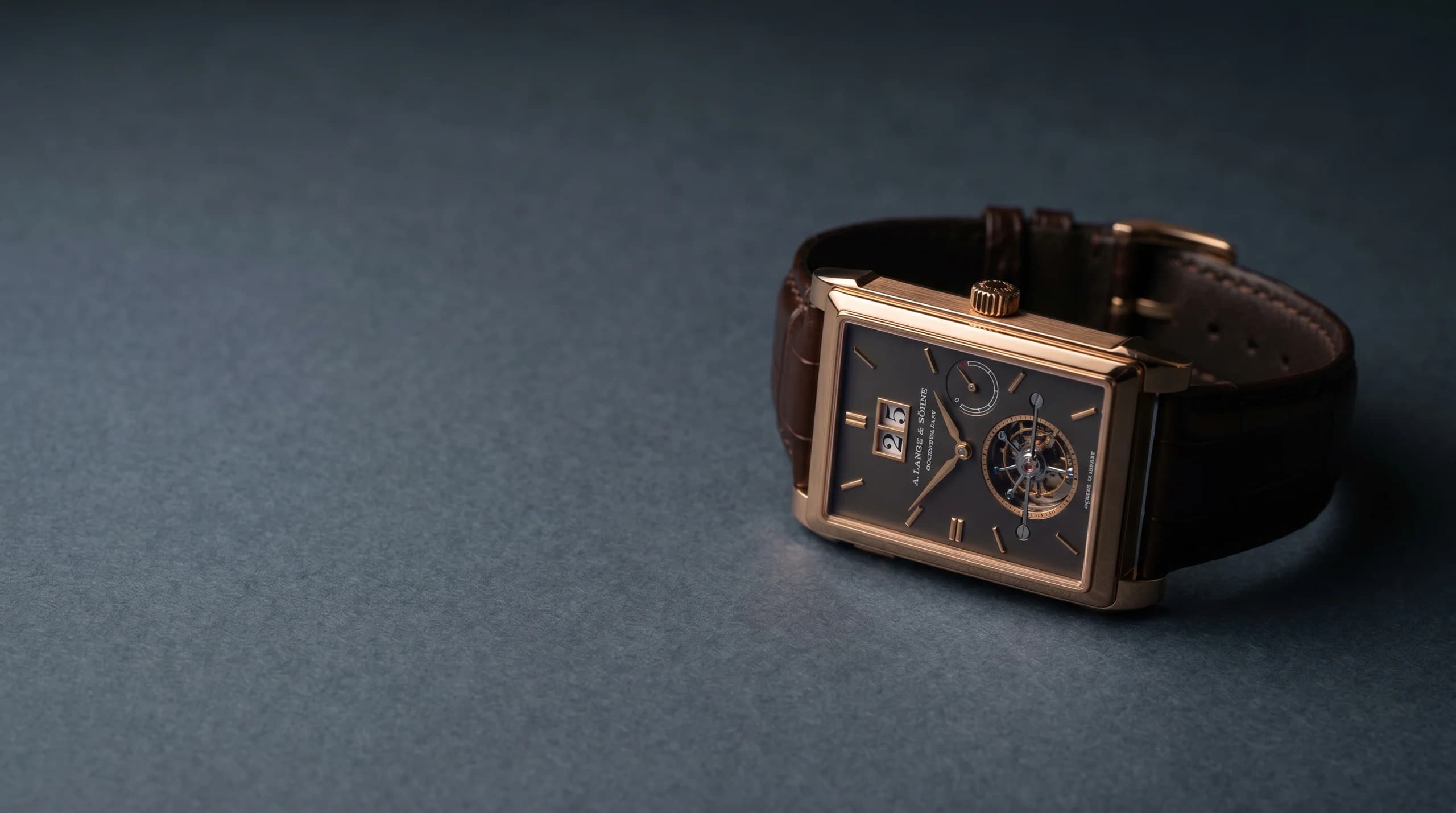
A. Lange & Söhne unveiled the Cabaret Tourbillon Honeygold (Ref. 703.050) at the 2026 Concorso d'Eleganza Villa d'Este on May 16, the first limited edition Lange has launched at the concours in 15 years of partnership. A working dealer's read on the 50-piece release, the one-of-one 1815 Chronograph "Como Edition" prize watch, and what the revival signals for the pre-owned Cabaret market.

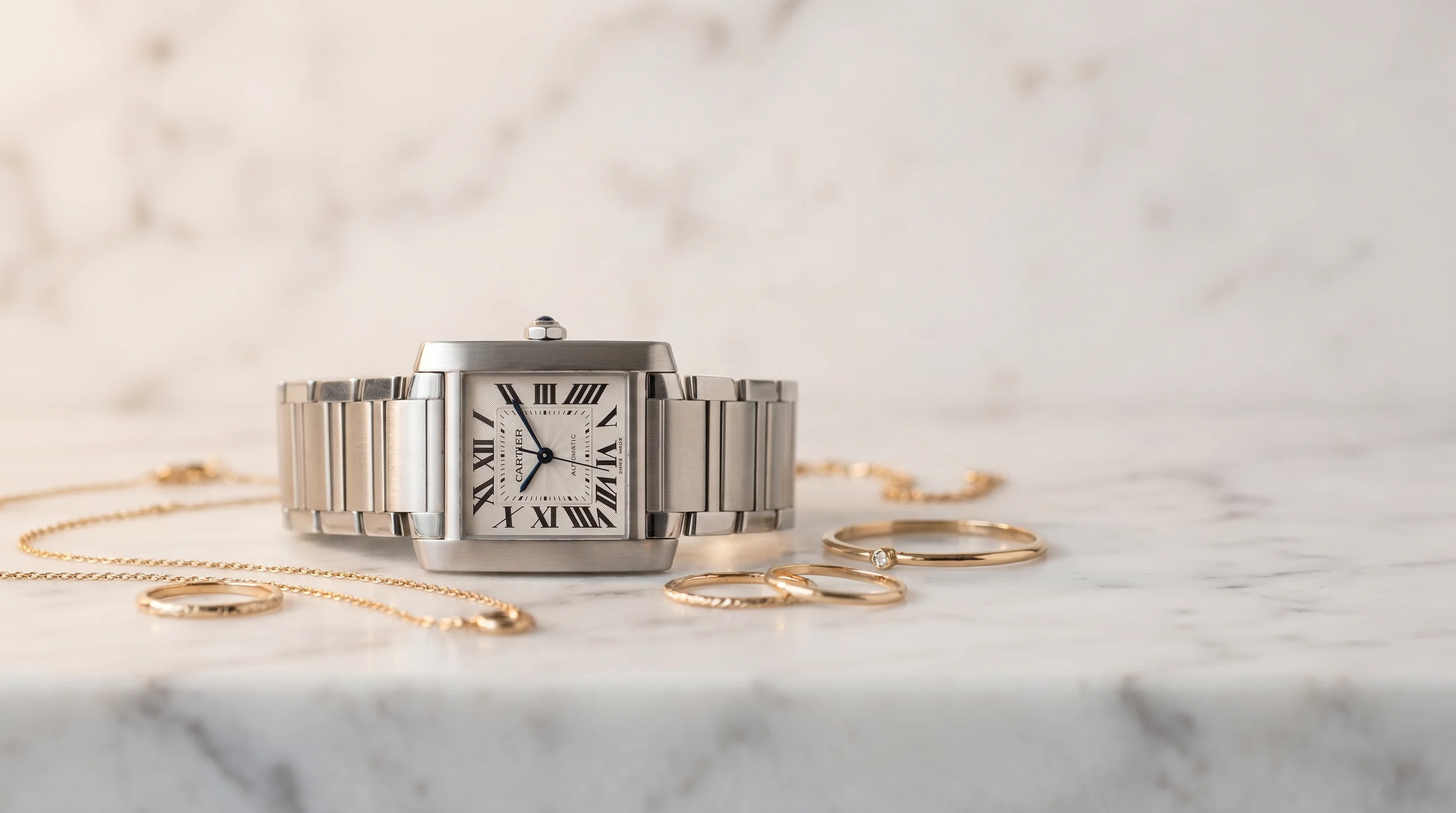
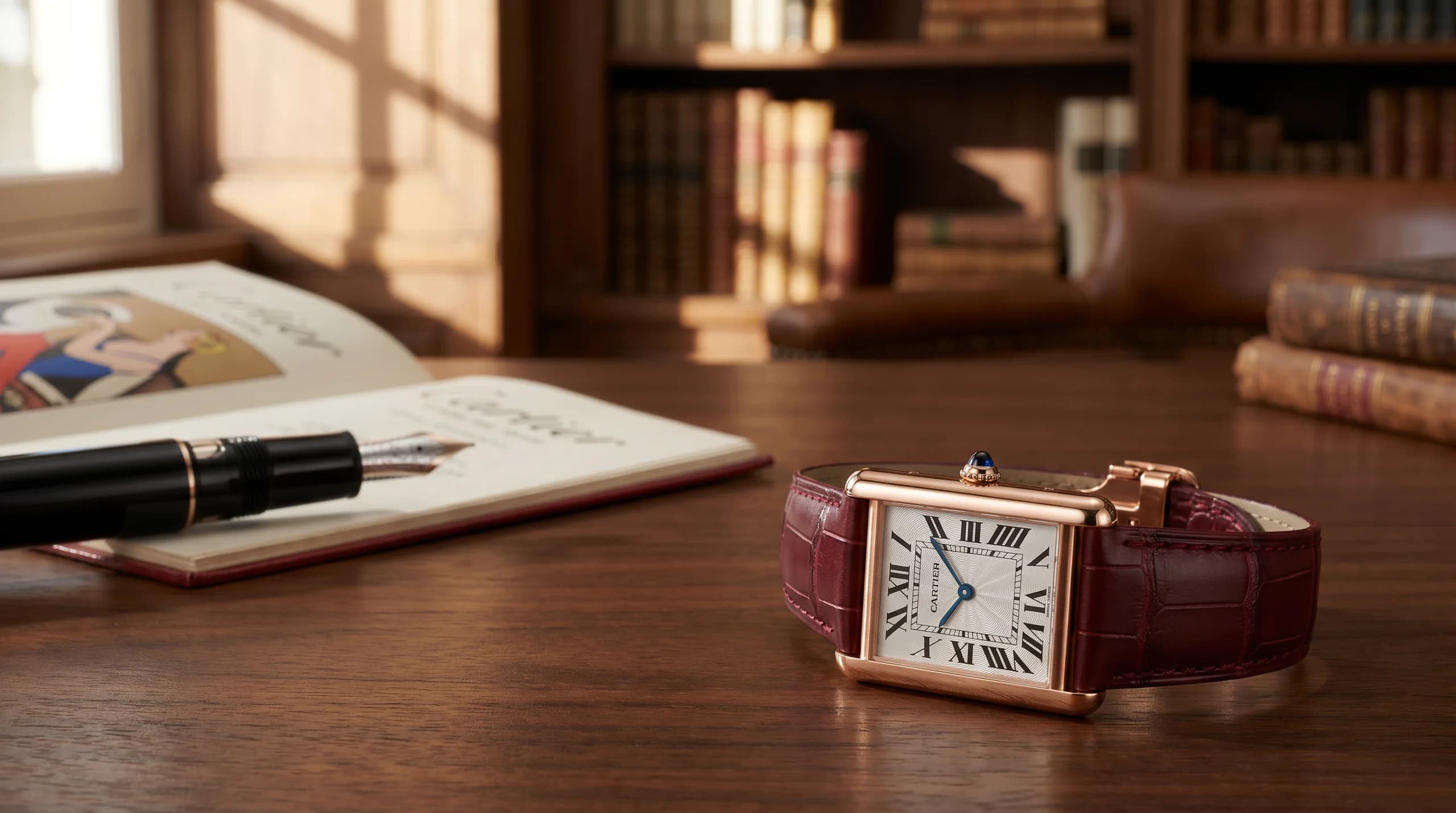
The complete 2026 Cartier Tank Buying Guide. Every modern reference decoded: the Tank Must (SolarBeat and Automatic), the Tank Louis Cartier in rose and yellow gold, the Tank Française with integrated H-link bracelet, the elongated Tank Américaine, the Tank Anglaise, and the Cartier Privé collector tier (Normale, Cintrée, Asymétrique, Chinoise). Retail and pre-owned pricing as of May 2026.

The 79th Cannes Film Festival (May 12-23, 2026) delivered a precious-metal-watch story across the Palme d'Or competition. A working dealer's read on the standout wrist sightings: Adam Driver's Sand Gold AP Royal Oak, Rami Malek's yellow gold Cartier Tortue, Michael Fassbender's blue AP Code 11.59, Gunna's platinum Rolex Daytona with diamond dial, and Charles Melton's iced-out Chopard L.U.C XP.

The complete 2026 Omega Speedmaster Professional Moonwatch buying guide. Every reference decoded: the current Calibre 3861 family (310.30.42.50.01.001 Hesalite, 310.30.42.50.01.002 Sapphire, 310.30.42.50.04.001 White Dial), the 2026 Reverse Panda releases (steel and Moonshine Gold), the previous-generation Calibre 1861 lineup, vintage 145.022 / 145.012 / 105.012 territory, and the limited-edition collector tier.

The WatchCharts April 2026 Watch Market Update showed the broadest positive month since the 2022 peak unwound. Overall index +2.1%. Rolex +2.5%. Patek +1.3% (11-month streak). AP +0.9%. Cartier +1.7%. Only 4 of 27 brands lost ground. A working dealer's read on what the breadth signal means for inventory positioning and where the recovery goes through Q3 2026.

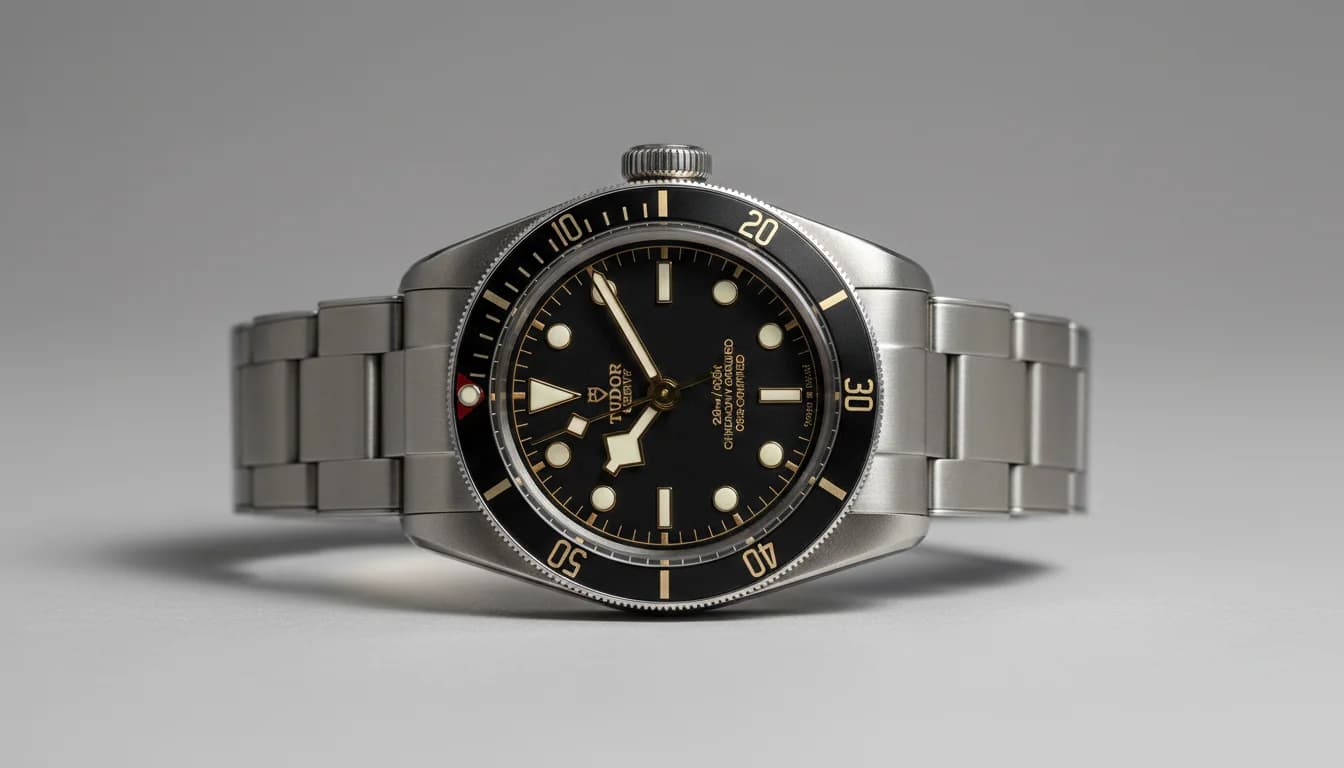
The complete 2026 Tudor Black Bay family buying guide. Every modern reference decoded with retail and secondary market pricing: BB41, BB54, BB58, Black Bay GMT, BB58 GMT, BB Pro, BB Chrono, BB Bronze, BB S&G, BB Ceramic, and the full Manufacture Calibre family from MT5400 to MT5813.

Gold hit an all-time high of $5,589 on January 28, 2026 and has since corrected 18% to $4,562 today. A working dealer's read on what the gold spot correction means for pre-owned gold watch buyers, the 60-90 day lag between spot and pre-owned pricing, and why the next 90 days could be the friendliest gold-watch buying window in over a year.

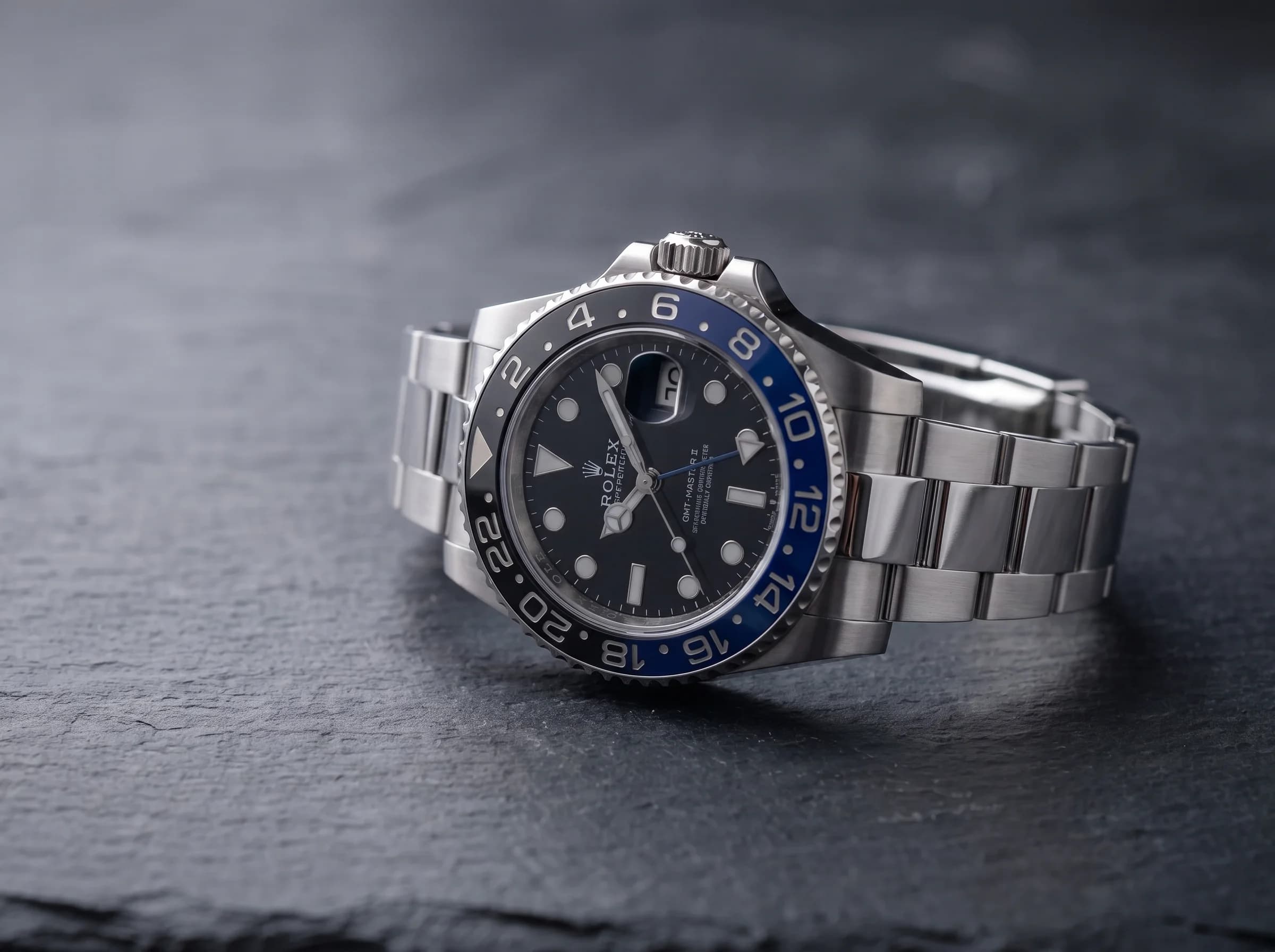
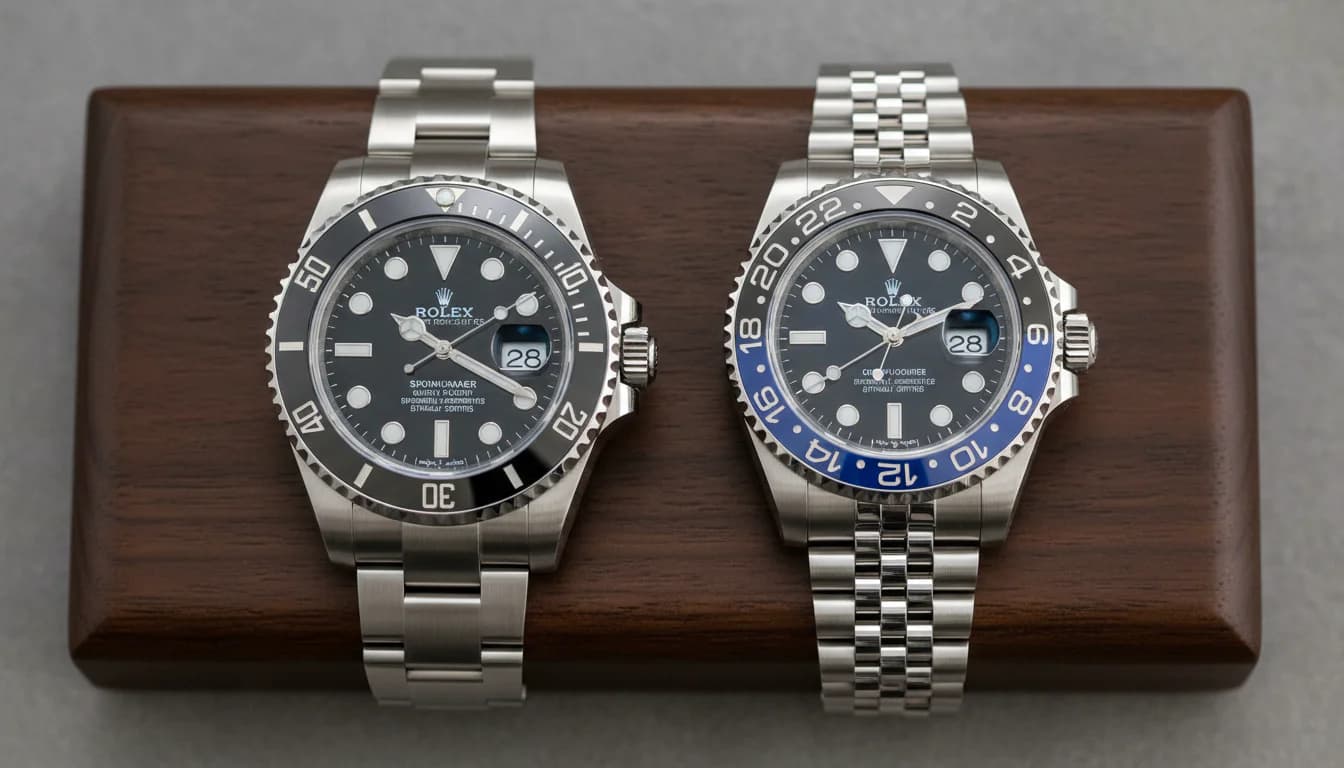
The complete 2026 Rolex GMT-Master II buying guide. Every modern reference decoded with retail and secondary market pricing: the Batman/Batgirl 126710BLNR, Bruce Wayne 126710GRNR, LHD Sprite 126720VTNR, the discontinued Pepsi 126710BLRO and white gold 116719BLRO, the entire 116710 ceramic generation, plus vintage 16710, 16700, and the 16760 Fat Lady.

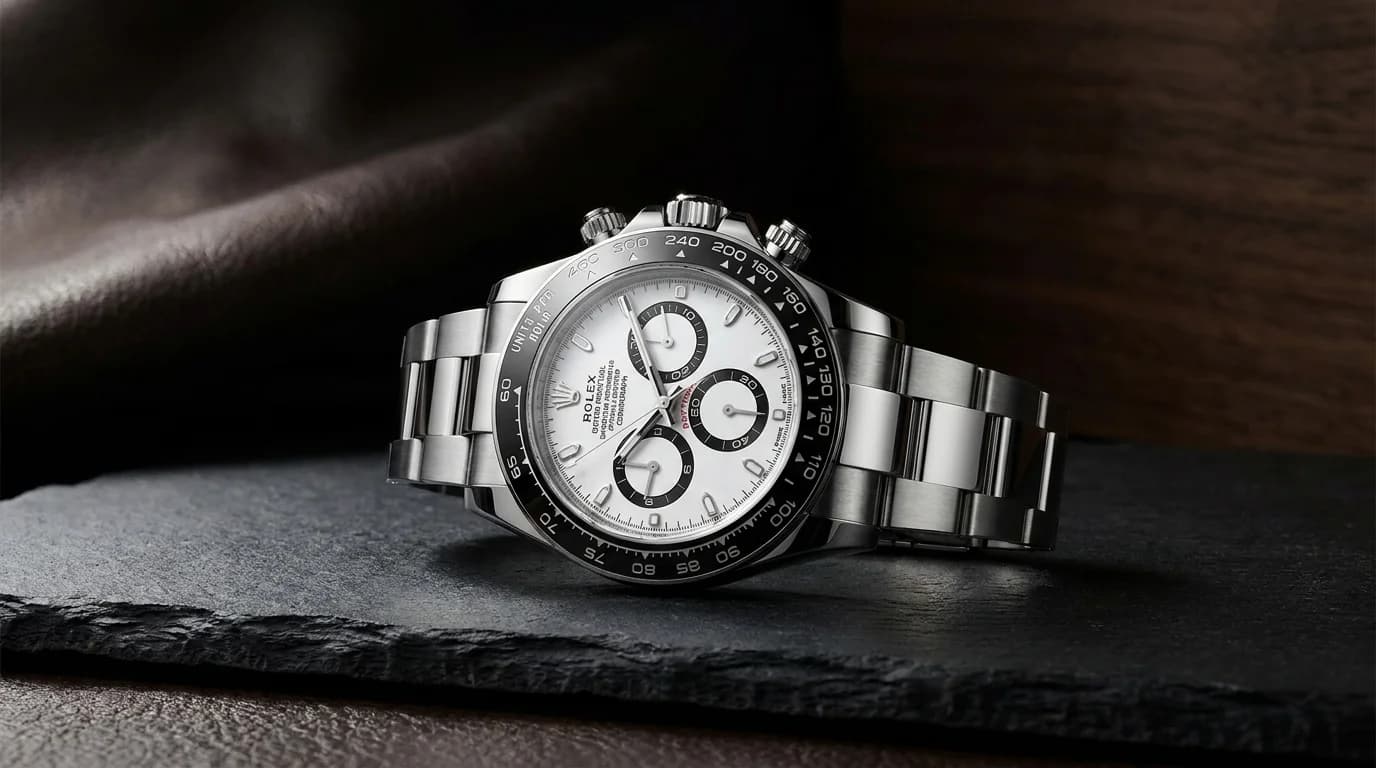
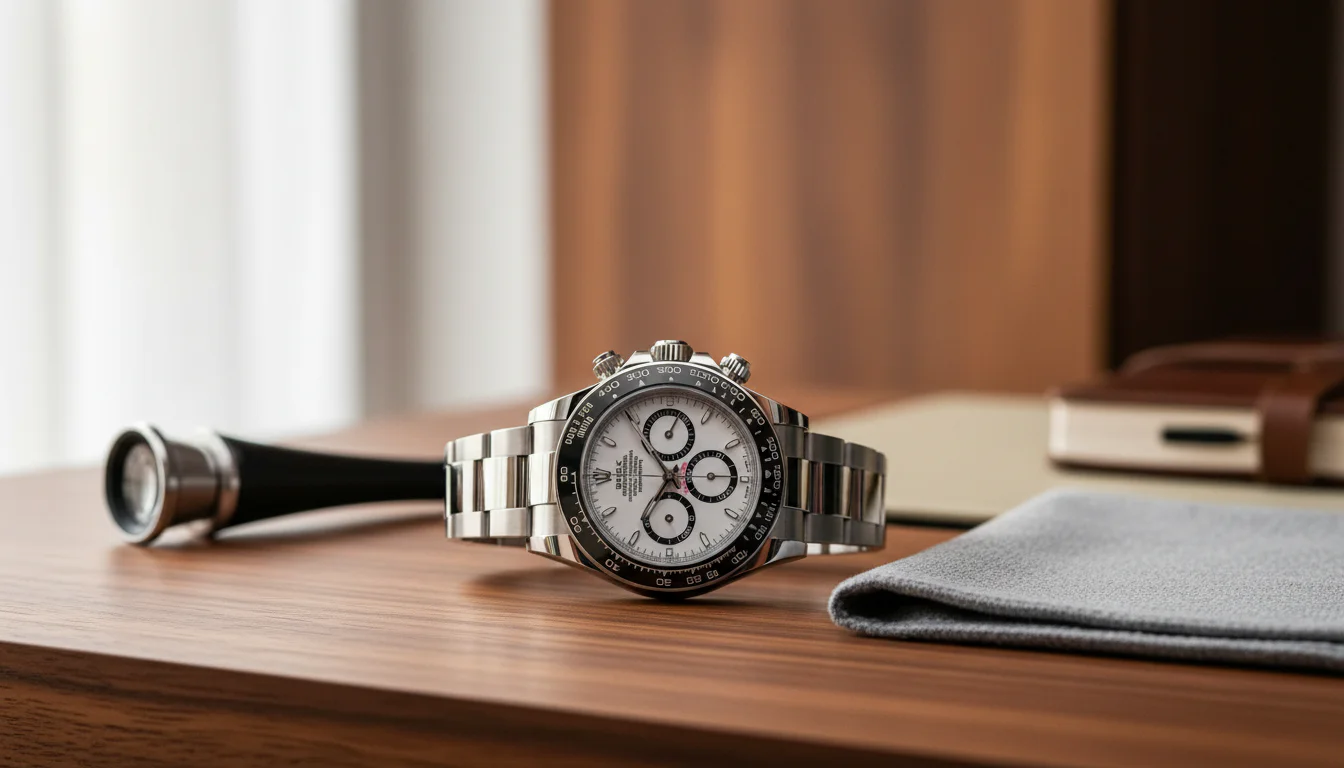
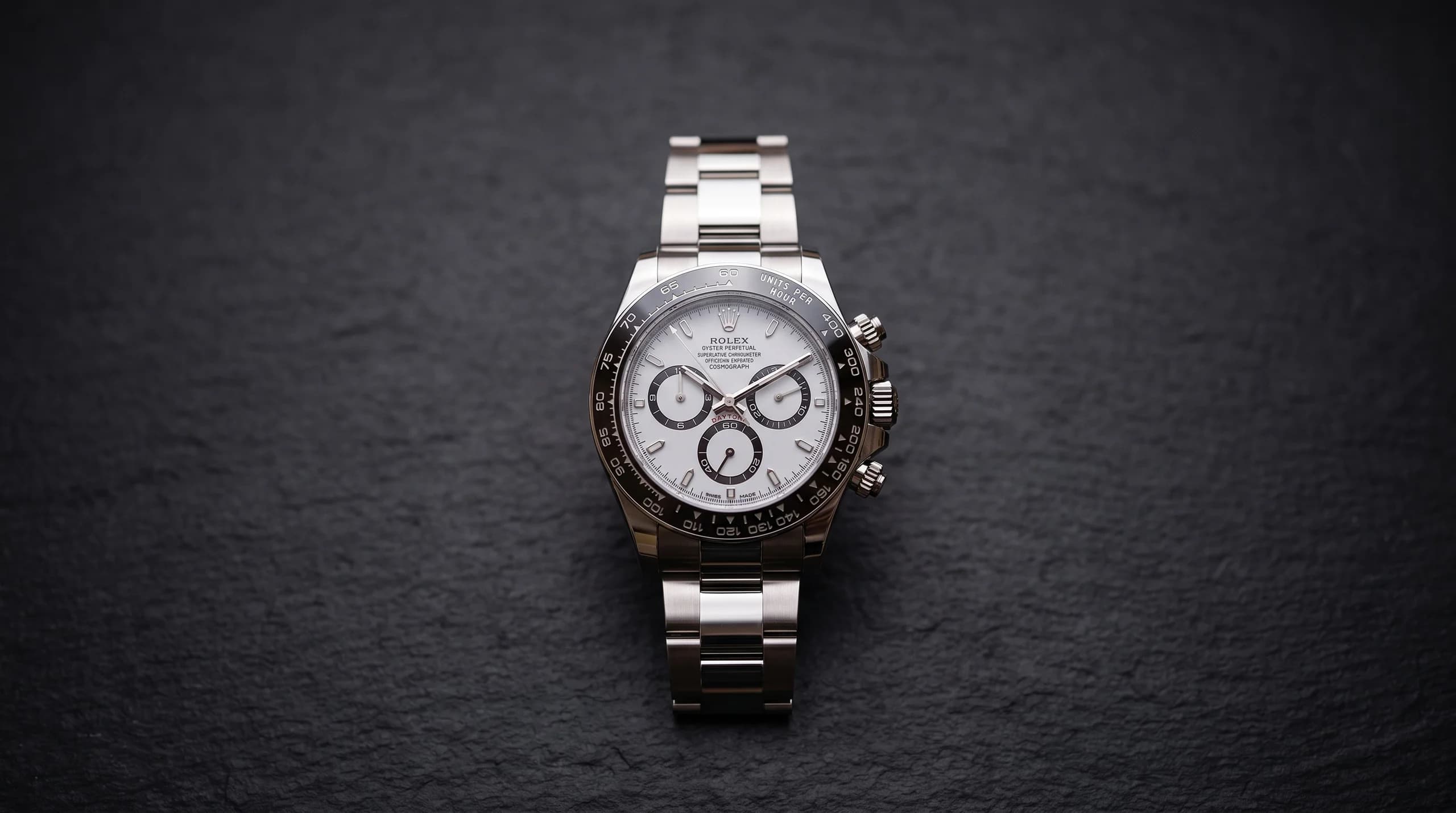
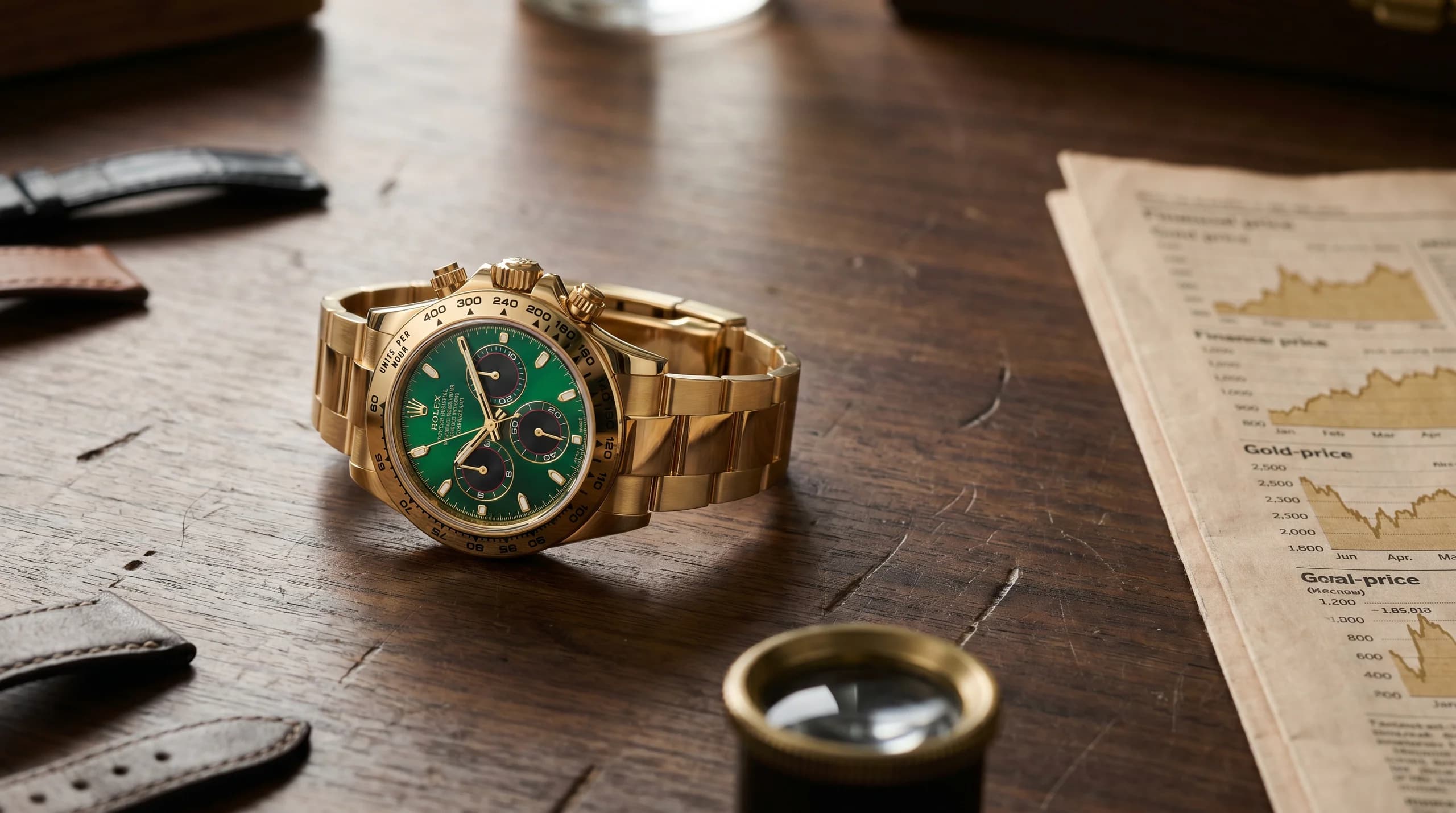
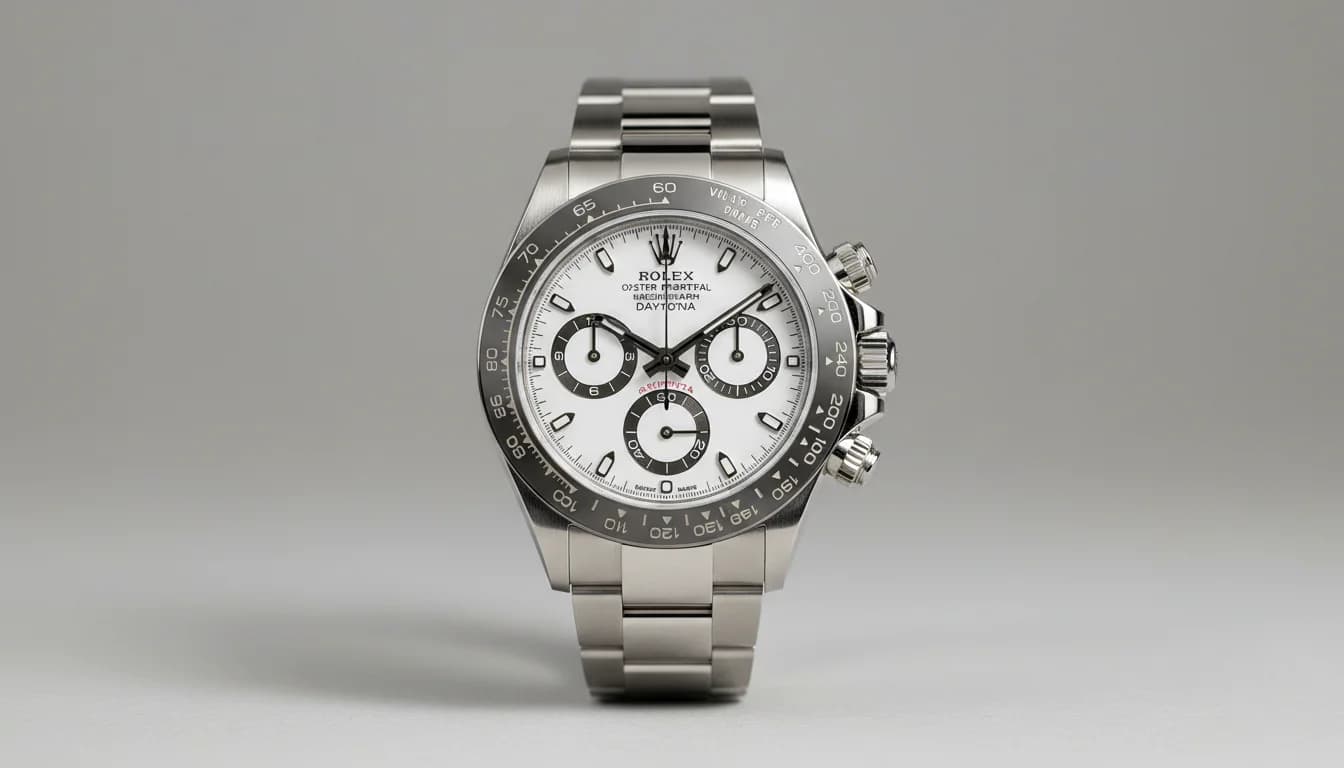
The complete 2026 Rolex Cosmograph Daytona buying guide. Every modern reference decoded with retail and secondary market pricing: the steel 126500LN Panda and Godzilla, the pre-ceramic 116520, the full gold family, the platinum 126506, the Le Mans 126529LN with its 24-hour chronograph, and the 2026 Rolesium 126502. Plus the Zenith-era 16520 vintage entry.

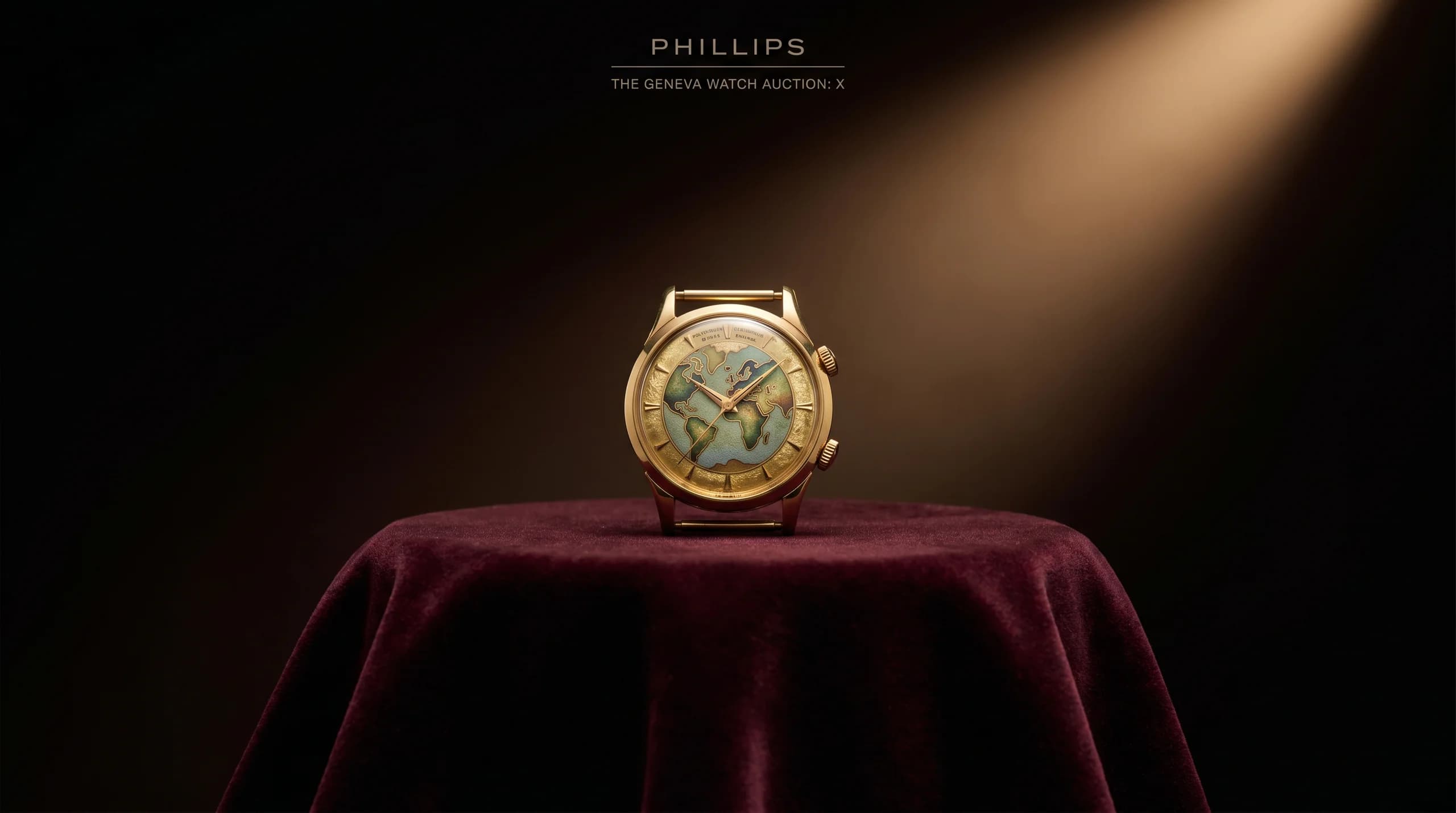
The May 2026 Geneva auction season combined for $158 million plus across Phillips, Christie's, and Sotheby's. Records set for Rolex Daytona Paul Newman, A. Lange and Sohne, Cartier Crash, and the Patek Philippe 2523 South America. Here is what the trifecta tells us about the pre-owned watch market through the rest of 2026.

The Omega Seamaster Diver 300M Chronograph 007 First Light launched May 21, 2026, at $9,400 USD retail. It is the first chronograph in 31 years of Bond Seamasters, and the first Bond Omega tied to a video game instead of a film. A working dealer's read on the reference 210.32.44.51.01.002, the Calibre 9900, and what the not-limited production status means for resale.

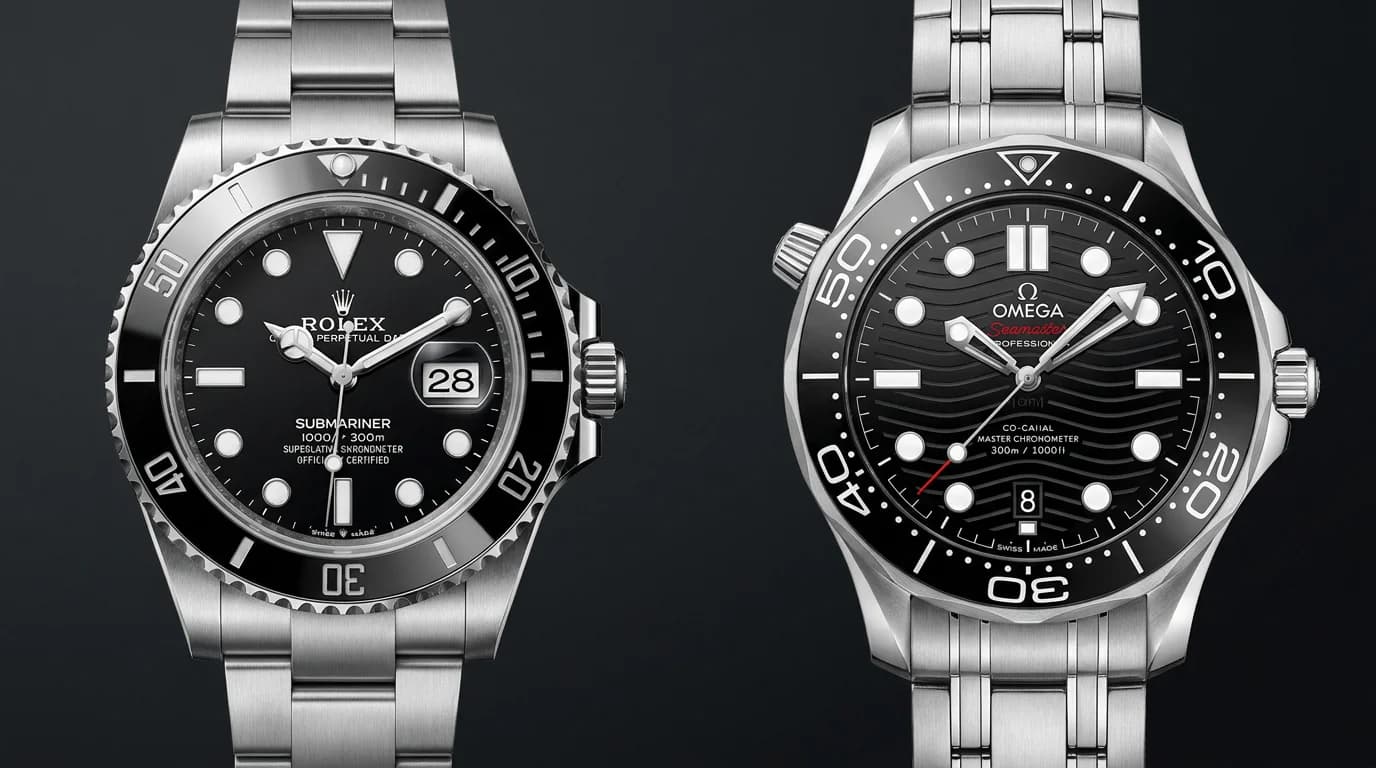
Rolex and Omega look comparable in the showcase. The Submariner retails at $9,200 and the Seamaster Diver at $5,800. The Daytona retails at $15,500 and the Speedmaster Pro at $7,300. The story collapses on the secondary market: Rolex trades above retail, Omega trades 25 to 30 percent below. Here is the head-to-head comparison and what it means for 2026 buying decisions.

Two Genta designs, two opposite strategies in 2026. The Patek Nautilus is permanently precious metal at $89,767 retail. The AP Royal Oak still makes steel at every tier from $32,500. Here is the head-to-head comparison, generation by generation, with the 50th anniversary Nautilus releases and the secondary market data that matters.

When Tom Brady walked out at The Roast of Kevin Hart on May 10, 2026 wearing a $6 million Rolex, most coverage called it a Daytona. Page Six broke the actual reference: an off-catalog Sea-Dweller in 18k white gold, fully diamond-set. Here is what that watch actually is and what off-catalog Rolex means.

The complete 2026 Audemars Piguet Royal Oak buying guide. Every modern generation decoded with retail and secondary market pricing: the 15300, 15400, 15500, and 15510 Selfwinding family, the 15202 and 16202 Jumbo Extra-Thin, the 26240 Chronograph, and the smaller 37mm size.

Six days after the Royal Pop launched, the data is in. Royal Pop transacted prices have settled at $1,351 individual on StockX. The Audemars Piguet Royal Oak pre-owned market has not collapsed. The MoonSwatch precedent applies. A working dealer's read on what week one actually meant for AP collectors.

The complete 2026 Rolex Datejust buying guide. Every modern reference, every size, every meaningful configuration decoded with retail and secondary market pricing, the Wimbledon dial premium, and the Watches and Wonders 2026 catalog changes.

Christie's Geneva Rare Watches live auction on May 11 and 12, 2026 totaled $42.3M, a record for multi-owner watch auctions at the house. A 1990 Cartier London Crash hit $2.03M and Quincy Jones's 1981 Patek Nautilus 3700/1JA led the provenance story. The working dealer's read on what sold and what it means.

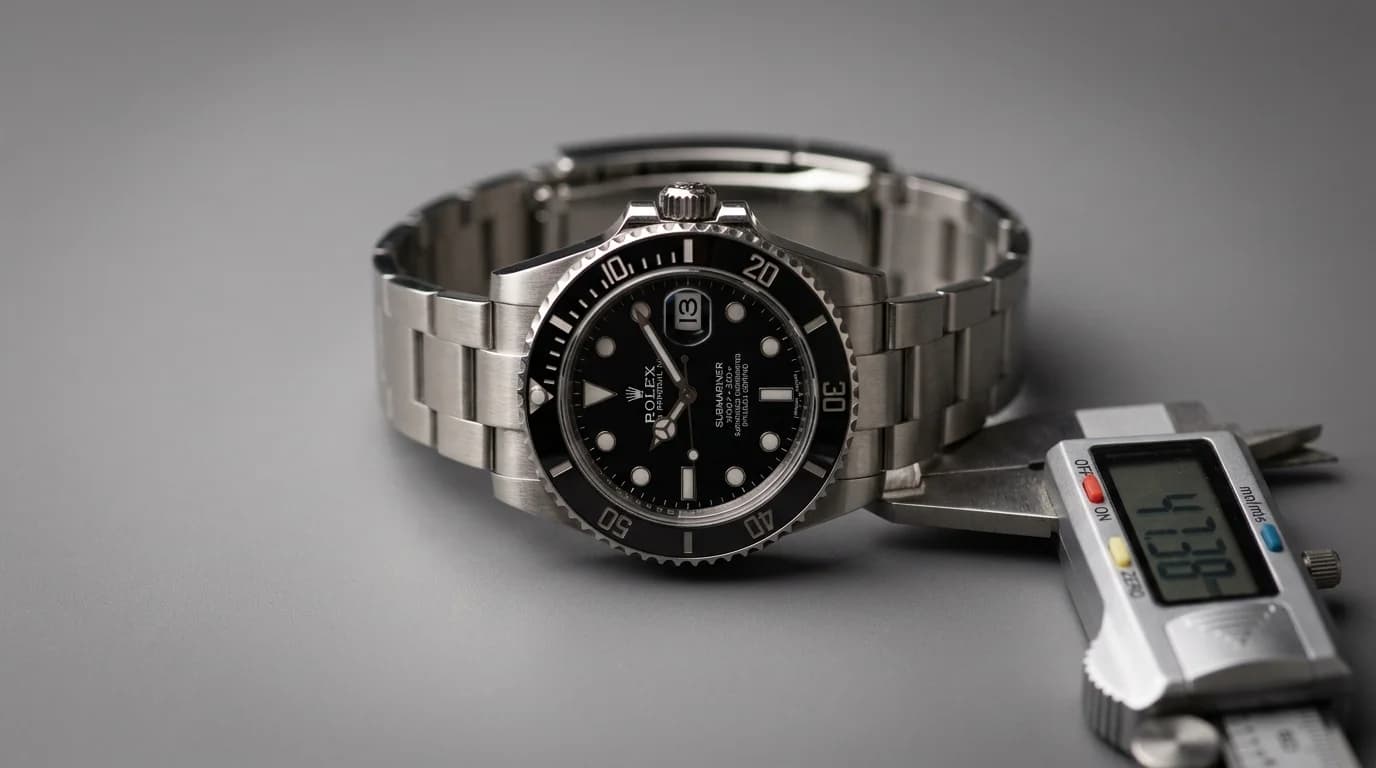
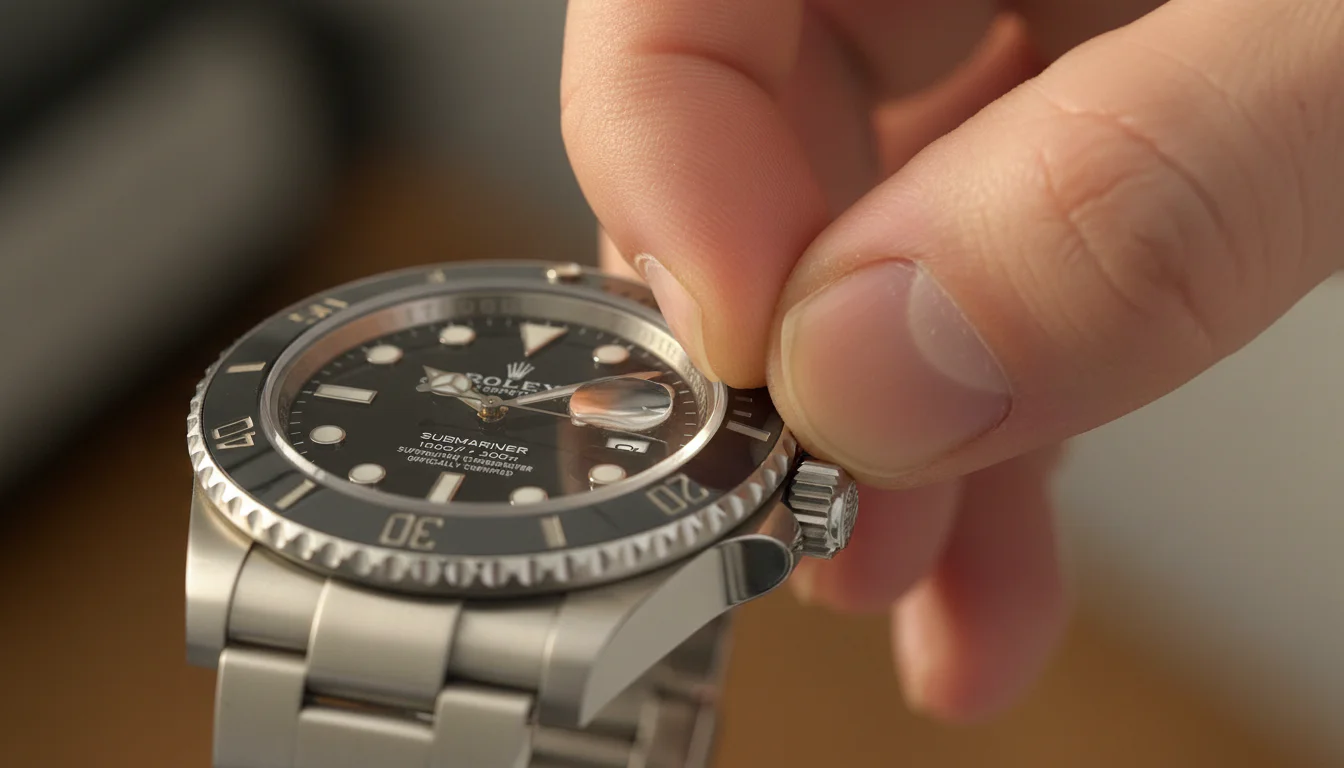
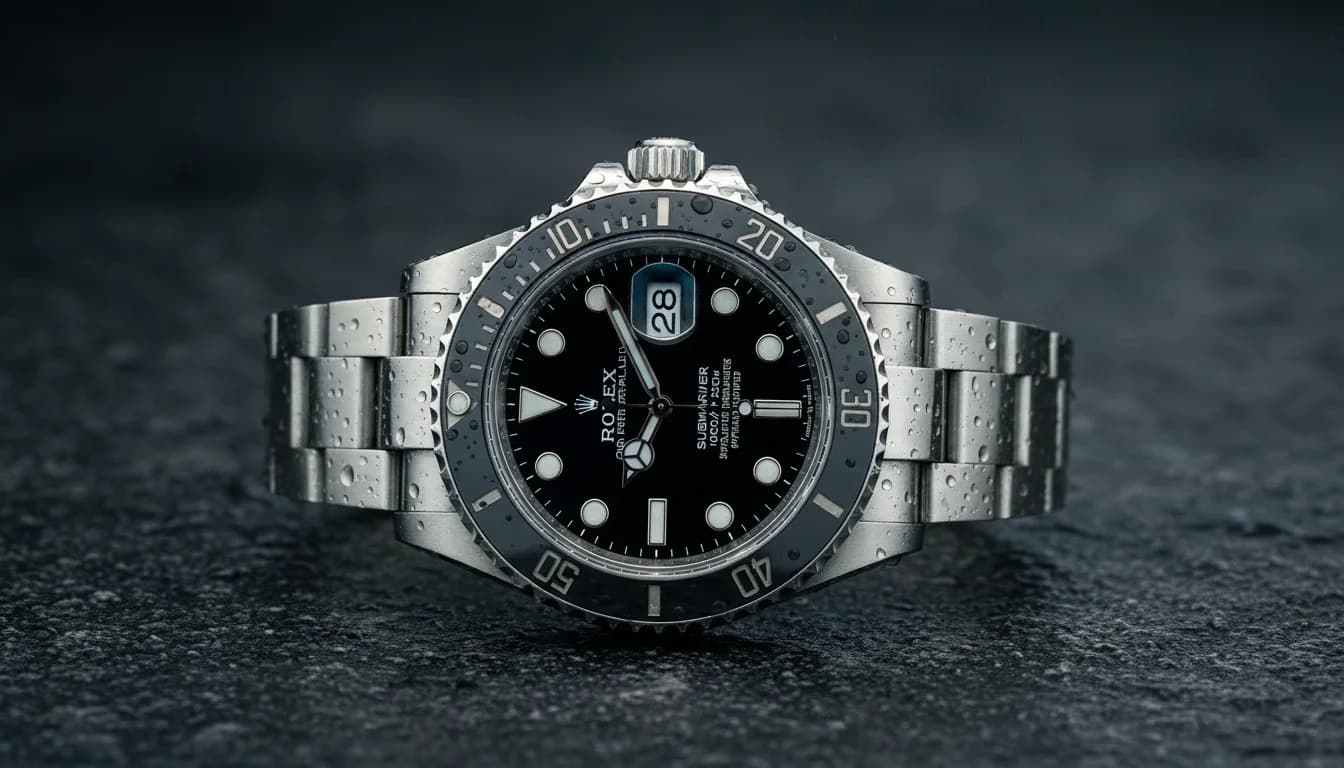
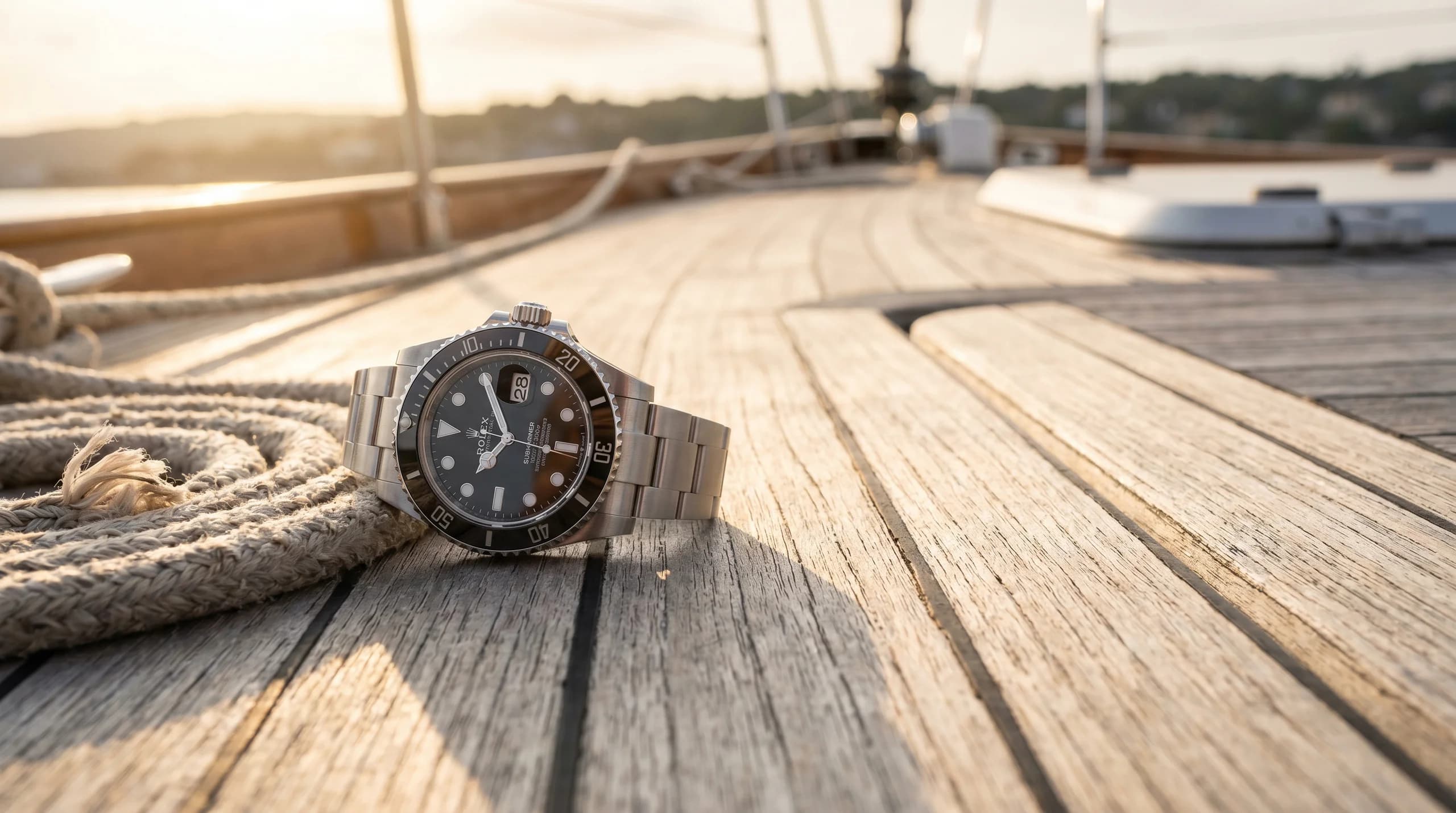
The complete 2026 Rolex Submariner buying guide. Every modern reference from 116610 to 126610LV decoded, with retail and secondary market pricing, the Cookie Monster discontinuation, and a working dealer's read on which reference to buy.

Phillips' Geneva Watch Auction XXIII closed at CHF 74.85 million ($96.3M) on May 10, 2026, becoming the highest-grossing watch auction ever held. 43 world records, 224 of 225 lots sold, 14 lots over CHF 1 million. A working dealer's read on what the results mean for the pre-owned market.

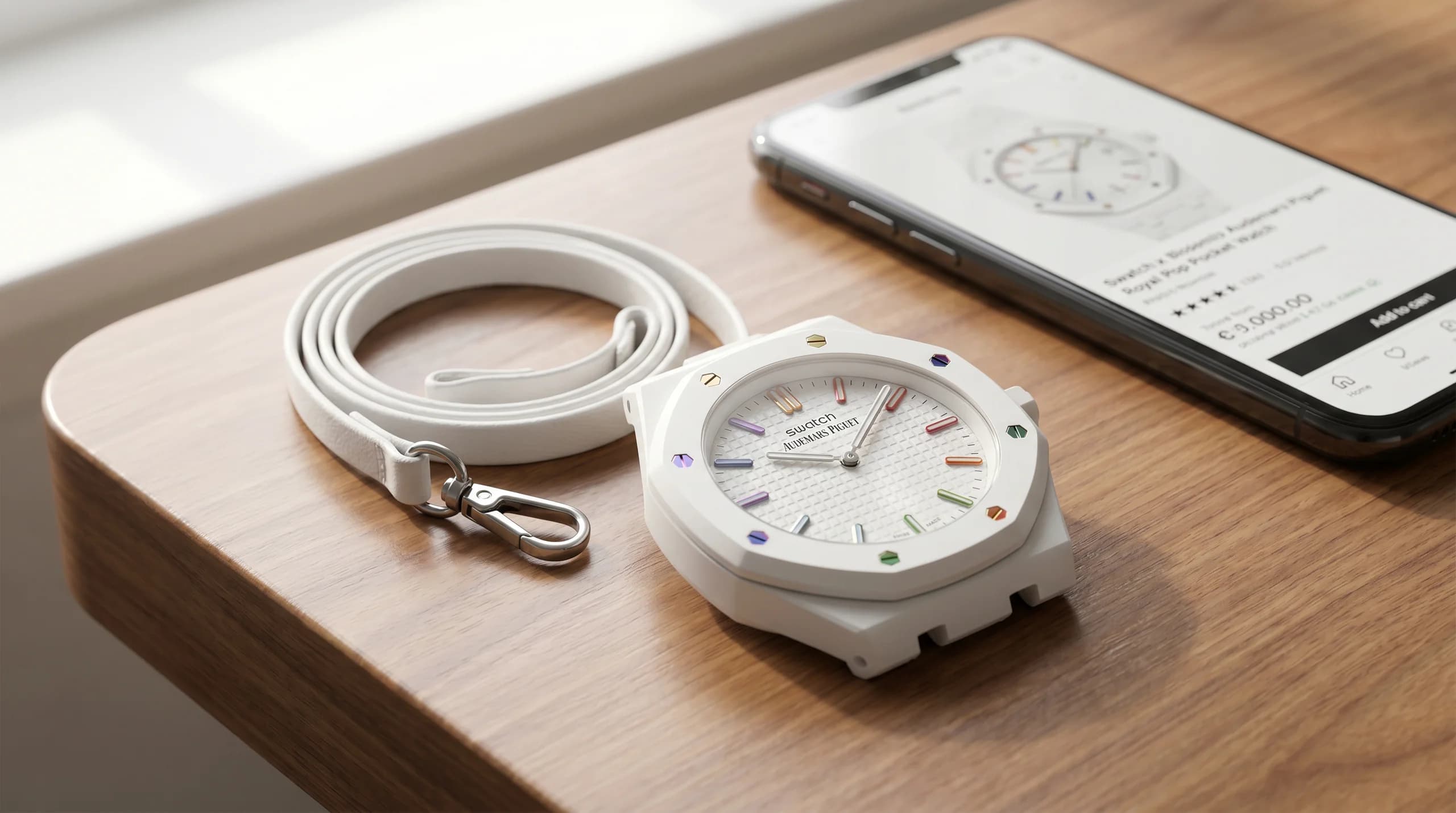
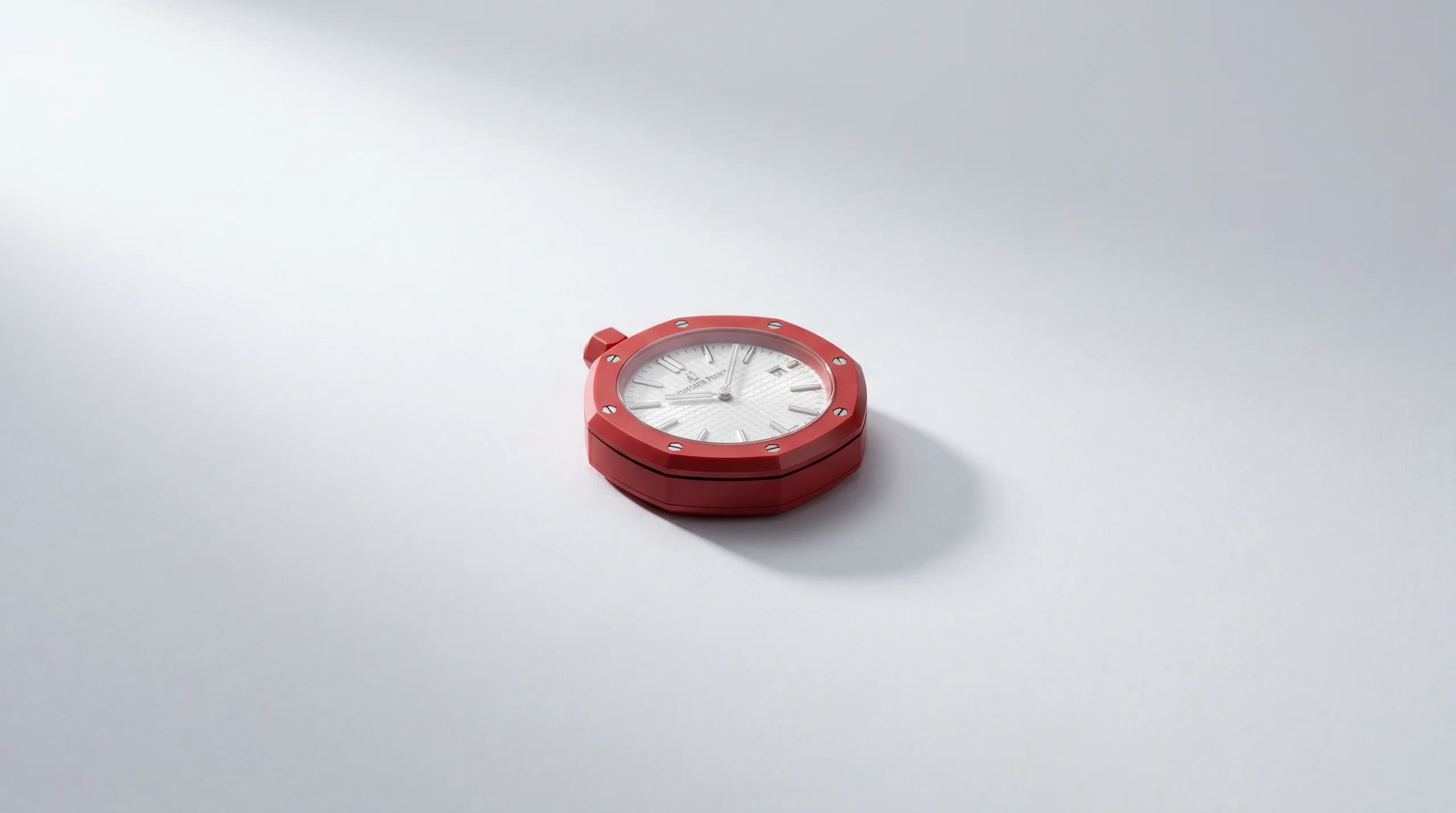
The Audemars Piguet x Swatch Royal Pop launched May 16, 2026 at $400 retail. Within hours, secondary listings appeared at five to ten times retail. A working dealer's read on the hand-wound Sistem51 movement, the launch-day eBay frenzy, and why the pocket-watch format protects the real Royal Oak.

Watch brand pronunciation is one of the few hard credibility filters in luxury retail. Dealers and seasoned collectors notice within three seconds. The working dealer's guide to pronouncing 25 luxury watch brand names correctly, with the common mistakes to avoid and a native-speaker video for each.

Most Watches and Wonders coverage stops at the press release. The harder question is what the pre-owned market actually did in the 30 days after the show. A working dealer's read on three specific moves Rolex sport references made after April 14, 2026: the Pepsi GMT surge, the Cookie Monster surprise, and the Yacht-Master II 116680 redesign compression anomaly. Plus the smart counter-positioning play in current production references.

Rolex introduced Jubilee Gold, its first new precious metal alloy in 21 years, at Watches and Wonders 2026. The new 18k alloy debuted on two Day-Date 40 references in the off-catalog "Exceptional Watches" tier. A working dealer's strategic read on what the alloy actually is, where it spreads next over 24-36 months, and what pre-owned buyers should do while it's allocation-only at retail.

A frankenwatch is a watch with parts swapped between references or eras and presented as original. Here is the working dealer's authentication primer with the specific things to inspect on the dial, hands, bezel, case, and movement before money changes hands.

The Panerai PAM01733 Luminor 8 Giorni Brunito launches at $11,300 retail in June 2026 with the only hand-applied case finish in the Panerai catalog and the historically loaded 8-day movement. A working dealer's read on the Brunito process, the P.5000 caliber, and where the watch sits in the W&W 2026 quartet.

The Omega Speedmaster Reduced is up 17.3 percent over five years on WatchCharts, outperforming the broader Speedmaster index. A working dealer's read on the 39mm automatic chronograph that purists dismissed for 20 years, the references that matter, and the modular movement asterisk every buyer needs to know.

The Omega Seamaster Diver 300M is the Bond watch that doesn't trade like a Bond watch. A working dealer's read on the lineup, the references that matter on the pre-owned market, and which configuration makes sense for which buyer.

A pre-owned Panerai Luminor Marina at $4,500 is the same watch as the new one at $9,200. The structural reasons that gap exists, what the WatchCharts data actually shows about the brand index, and how to read pre-owned Panerai for what it is rather than what some buyers wish it were.

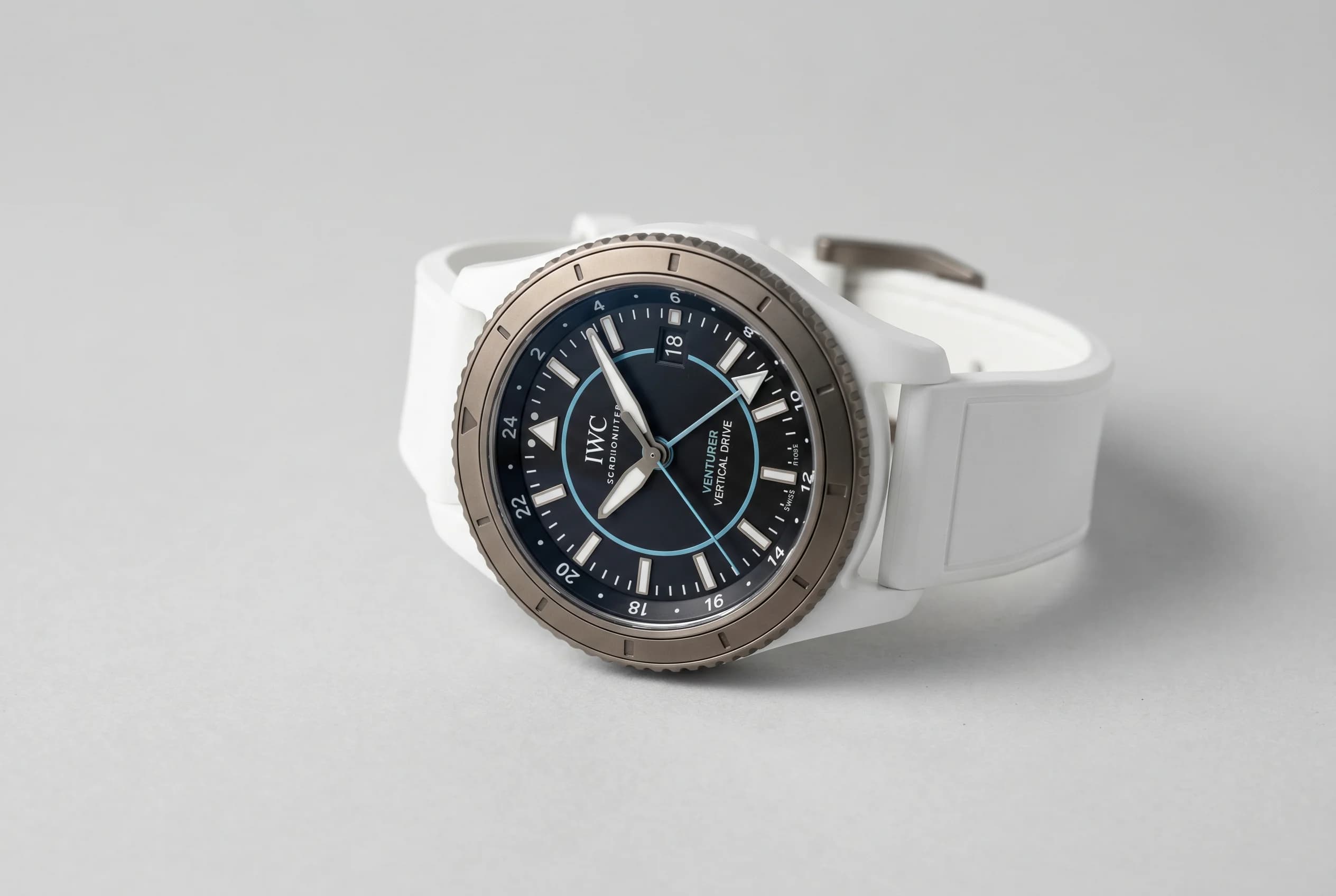
IWC's Pilot's Venturer Vertical Drive is the brand's first crownless tool watch, designed and engineered from the ground up for commercial spaceflight in partnership with Vast. A working dealer's read on the rotating bezel control system, the Caliber 32722, and what the Vast Haven-1 partnership signals for IWC's next decade.

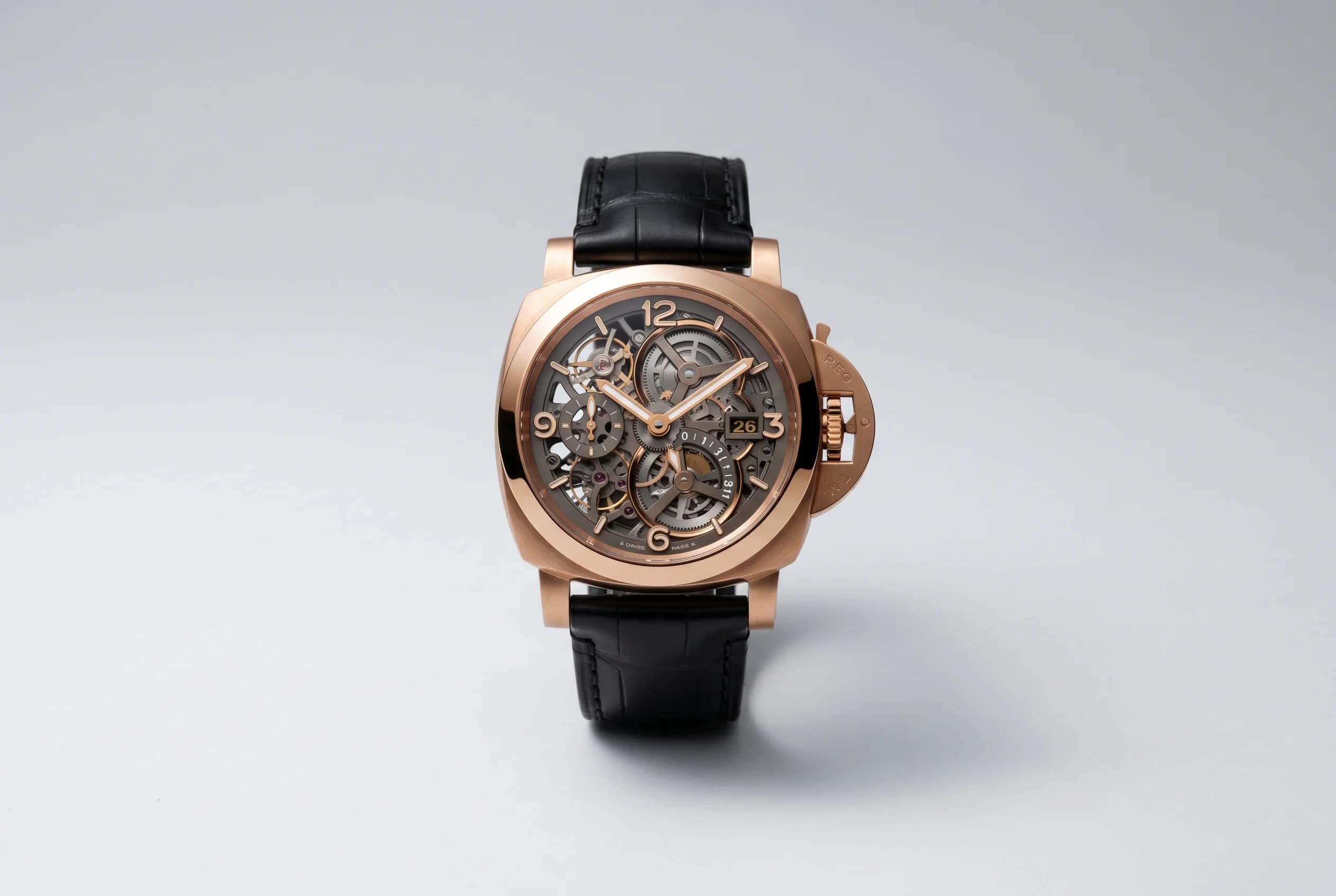
Panerai's halo release at Watches and Wonders 2026 carries a 31-day hand-wound power reserve from the new P.2031/S caliber with four mainspring barrels. A working dealer's read on how the technical execution actually works, where it sits against the Lange 31 and other ultra-long-reserve watches, and what it signals for the rest of Panerai's catalog.

The Omega Seamaster Aqua Terra is the most underrated watch in the catalog and the smartest pre-owned buy in the brand's lineup. A working dealer's read on the 38mm and 41mm production references, the 2024 black lacquer redesign, and which generation makes the cleanest pre-owned buy.

IWC Pilot's Watches are the strongest pre-owned value in the brand's catalog. A working dealer's guide to the Mark XVIII, Mark XX, Top Gun ceramic, Big Pilot 43mm, and Pilot's Chronograph references that matter, with current pre-owned pricing and which tier makes sense for which buyer.

Panerai's PAM01731 is the first translation of the 1960s reference 6152/1 cushion case from 47mm to 44mm. A working dealer's read on the new Watches & Wonders 2026 release, the Destro PAM01732 sibling, and what the in-house P.6000 caliber and EUR 8,900 retail actually deliver.

Gérald Genta delivered three luxury steel sport watches in the 1970s. Two became legends. The IWC Ingenieur SL reference 1832 sold under 1,000 units and faded for 40 years. A working dealer's read on the 50th-anniversary lineage, the modern references, and where the pre-owned value sits.

Panerai's Luminor lineup looks similar across hundreds of references until you learn what each sub-line actually means. A working dealer's primer on the Base, Marina, 1950, Due, and Quaranta sub-collections, the sizes, the calibers, and why pre-owned Panerai trades soft.

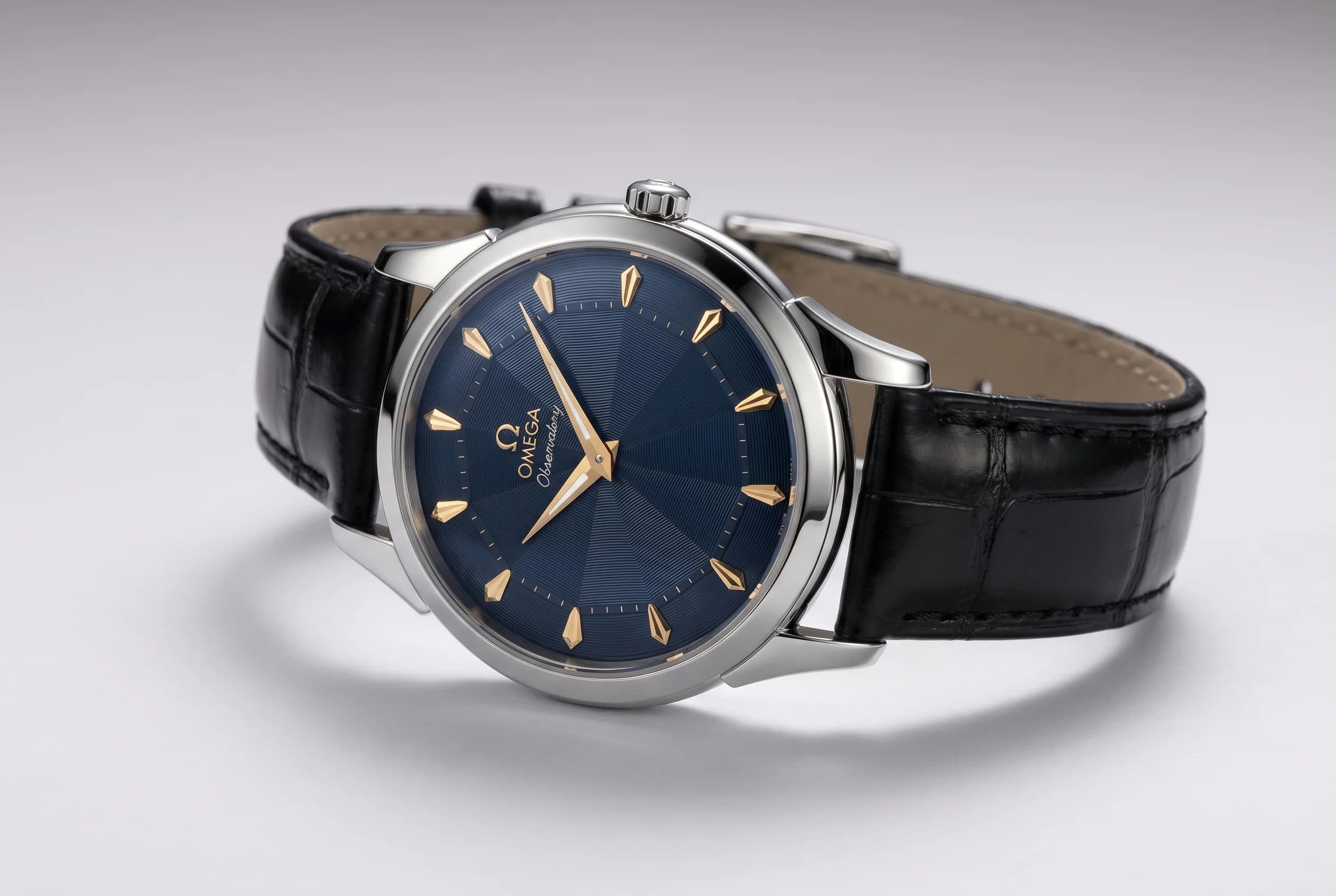
The 2026 Omega Constellation Observatory launches with nine references at 39.4mm, $10,900 to $59,100, and a world-first technical claim: the first two-hand watch certified to METAS Master Chronometer standards. A working dealer's full breakdown.

Box and papers add 10 to 25% to a pre-owned watch's price - and meaningfully more on collectible references. A working dealer's breakdown of what the documents actually do, when paying the premium is rational, and when naked is the smarter buy.

Patek Philippe celebrated the Nautilus 50th anniversary at Watches & Wonders 2026 with three time-only references that return the design to its 1976 roots. The 5810/1G, 5810G, and 5610/1P break down here, with what they signal about Patek's direction.

The Rolex Day-Date is the catalog's flagship dress watch and the most prestigious modern Rolex. Solid 18k gold or platinum only. Pre-owned from $28,000. A working dealer's guide to references, the caliber 3255 movement, and why most buyers should not actually buy one.

The 2026 Rolex Oyster Perpetual 100 Years anniversary edition starts at $7,700 in 31mm and tops out at $9,650 in 41mm - making it the rare Rolex anniversary watch ordinary buyers can plausibly land. A working dealer's case for why this is the smartest centennial purchase of 2026.

$4,000 is the right entry budget for a first luxury watch in 2026. A working dealer's roadmap covering category selection, the pre-owned advantage, and four specific recommendations across sport diver, dress, GMT, and field watch categories.

The 2026 Tudor Black Bay 58 GMT adds a new five-link bracelet to the 39mm METAS-certified GMT that's been the smartest answer to Rolex GMT-Master II waitlists since 2024. A working dealer's case for the smaller-cased traveler that beats the Rolex on every metric except brand recognition.

The 15% U.S. tariff on Swiss watches is permanent. Gold sits above $4,500 per ounce. New-watch retail prices are up 20% since late 2024 on gold references. A working dealer's analysis of what this means for the pre-owned market and where the value math has shifted.

The Tudor Pelagos 39 trades around $3,767 pre-owned. Manufacture movement, ceramic bezel, ISO 6425 dive certification, Grade 2 titanium. A working dealer's honest 2026 buying guide on the most underrated titanium diver in the Swiss catalog.

The new Rolex Yacht-Master II 126680 retails at $20,300 in steel and introduces a counterclockwise running countdown via the new caliber 4162 - a first for the Rolex catalog. A working dealer's case for why the most polarizing Rolex sport watch just became its best mechanical value.

The Omega Speedmaster Professional Hesalite trades around $5,200 pre-owned. The standard steel Rolex Daytona starts at $27,000. A working dealer breaks down what each chronograph actually buys you and which one belongs on your wrist.

The 2026 Rolex Cosmograph Daytona Rolesium pairs Oystersteel with platinum, adds a grand feu enamel dial, and breaks Rolex's seven-decade caseback rule with a sapphire exhibition window. A working dealer's read on the most significant Daytona release of the modern era.

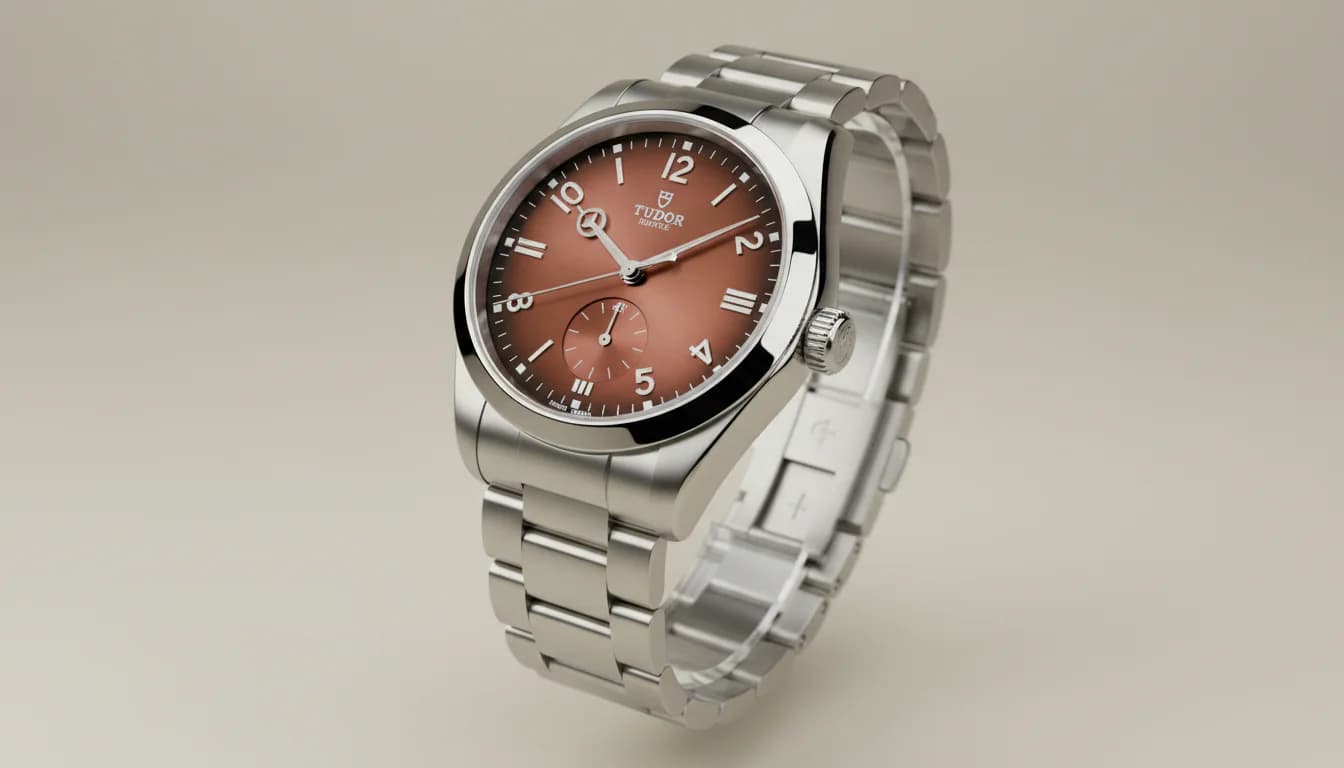
The Tudor Monarch is back for 2026 as a 39mm integrated-bracelet steel watch with a salmon California dial. A working dealer breaks down why this revival of a forgotten 1990s quartz line might be the most distinctive Swiss watch under $6,000 in the current market.

Tudor turned 100 on February 17, 2026, and the brand showed up at Watches and Wonders with six new references. A working dealer breaks down the centennial lineup, what each new piece signals about Tudor's next decade, and which ones actually matter for collectors.

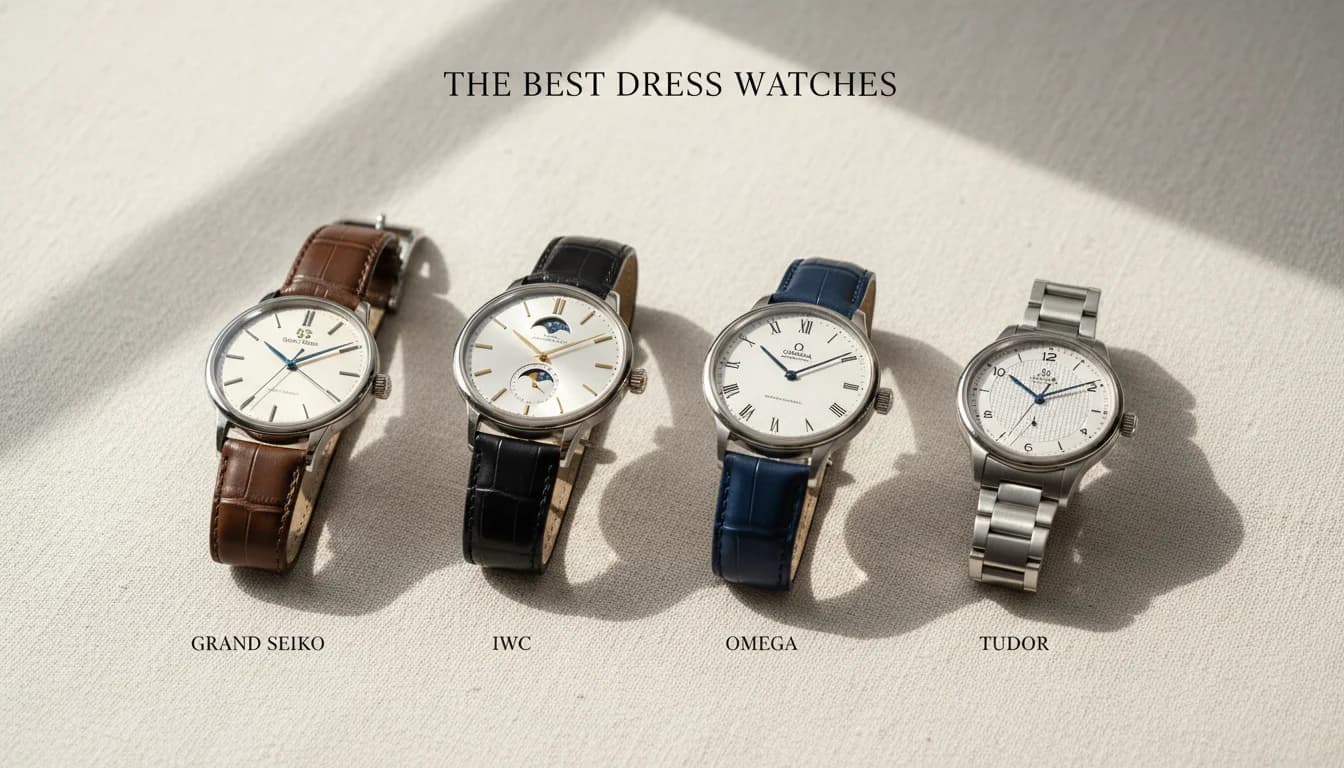
The dress watch category is the most overlooked value in watches right now. Tudor, Omega, Grand Seiko, and IWC each offer established references under $5,000 that deliver better finishing, stronger movements, and more character than sports watches at twice the price.

Finishing is what separates a watch that looks expensive from one that doesn't. Grand Seiko, Tudor, Omega, and IWC all build to a standard their price tags don't fully reflect.

Most luxury goods lose value the moment you buy them. A small number of watches do the opposite. Here's the data on which references hold — and which ones appreciate — on the pre-owned market, plus why buying pre-owned is often the smarter entry point.

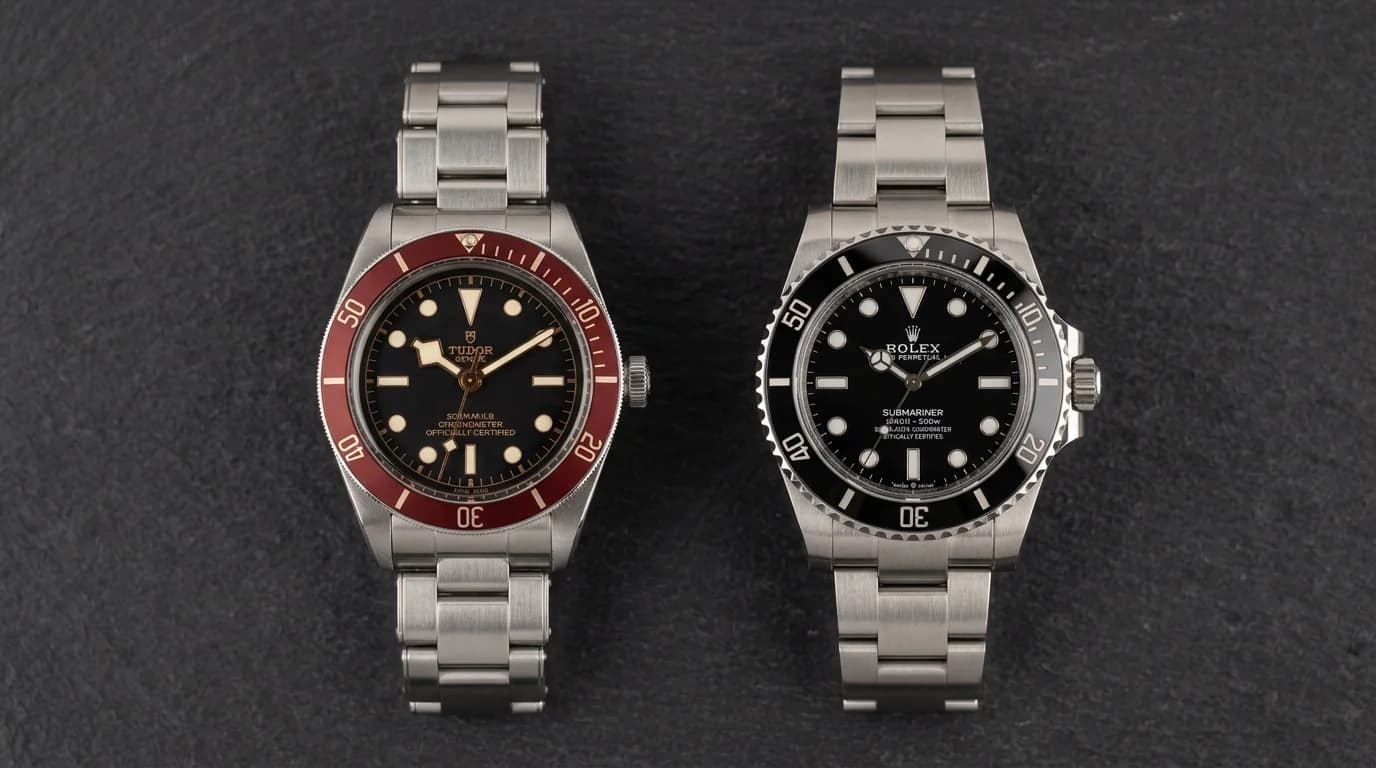
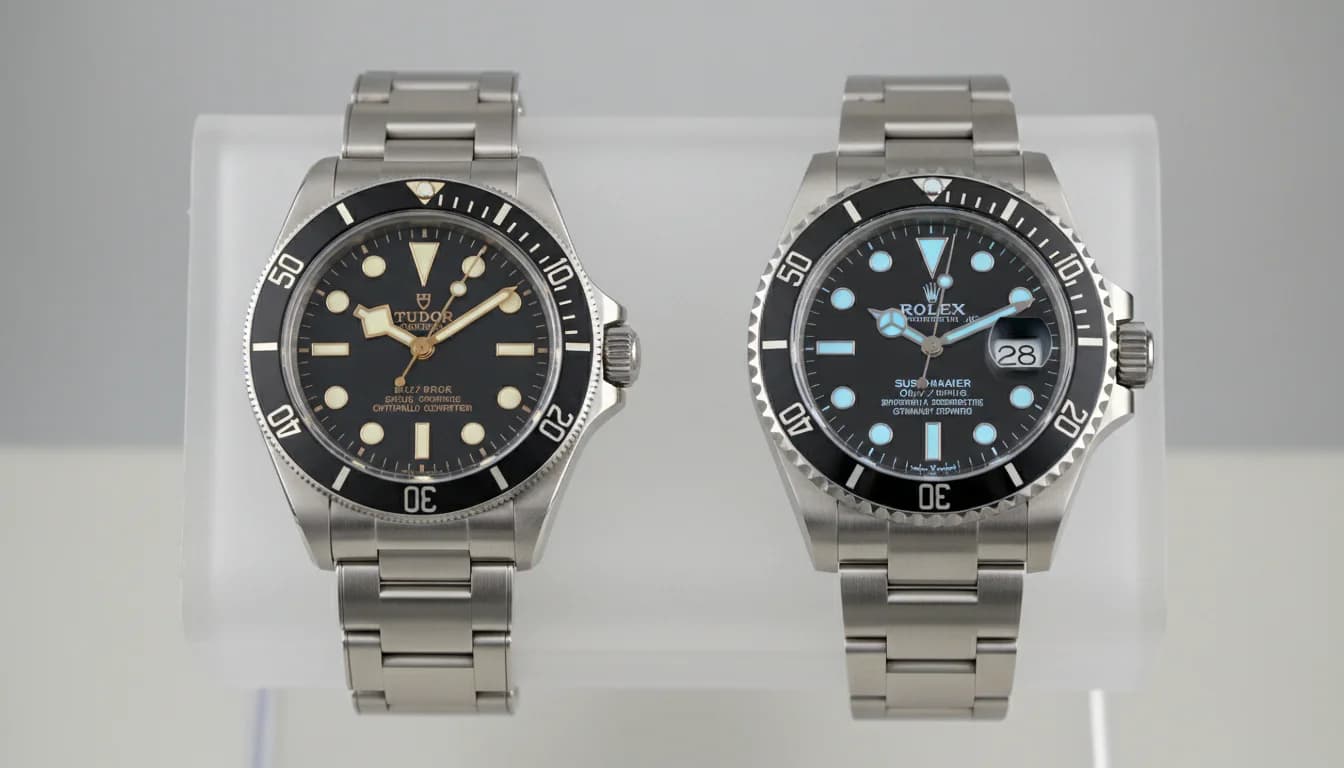
Tudor and Rolex share DNA, the same parent company, and overlapping designs. The Black Bay 58 costs $3,475 retail versus $10,100 for the Submariner. Here is when each one is the right call.

Before you buy your tenth watch, make sure you own these three. A tool watch, a chronograph, and a dress watch that together cover every gap in your rotation.

The Omega Speedmaster Moonwatch trades $3,000 below retail in the pre-owned market right now. A working dealer's guide to the best watches under $10,000 in 2026 — Tudor, Omega, Grand Seiko, and IWC — with real current pricing and honest collector advice.

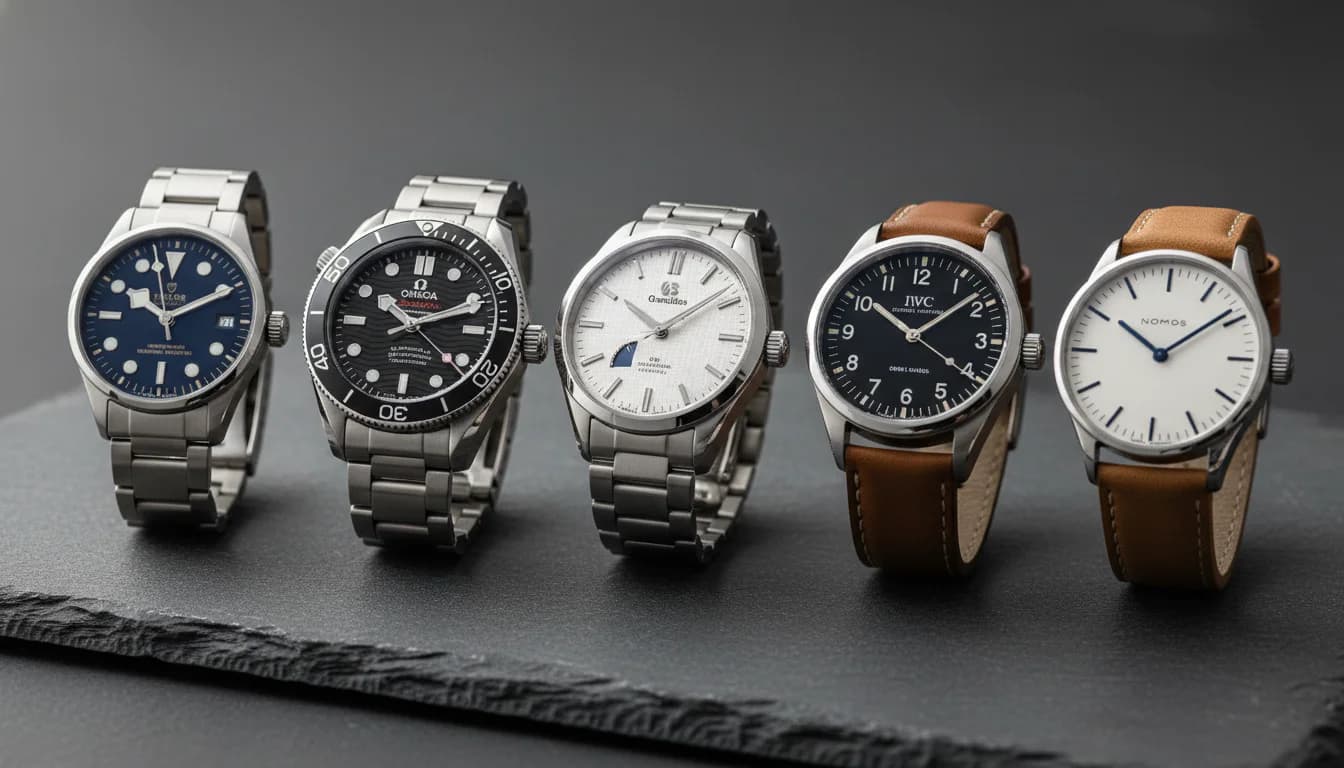
Six watches that earn their place at every price level from $1,600 to $5,000: Tudor, Omega, Grand Seiko, IWC, Nomos, and Longines — with real pre-owned prices, honest flaws, and the service math most guides skip.

The Rolex Submariner 126610LN versus the GMT-Master II: the two most common first Rolex sports watch candidates, compared by a working dealer. Specs, current 2026 pricing, real-world use cases, and how the Pepsi discontinuation changes the decision.

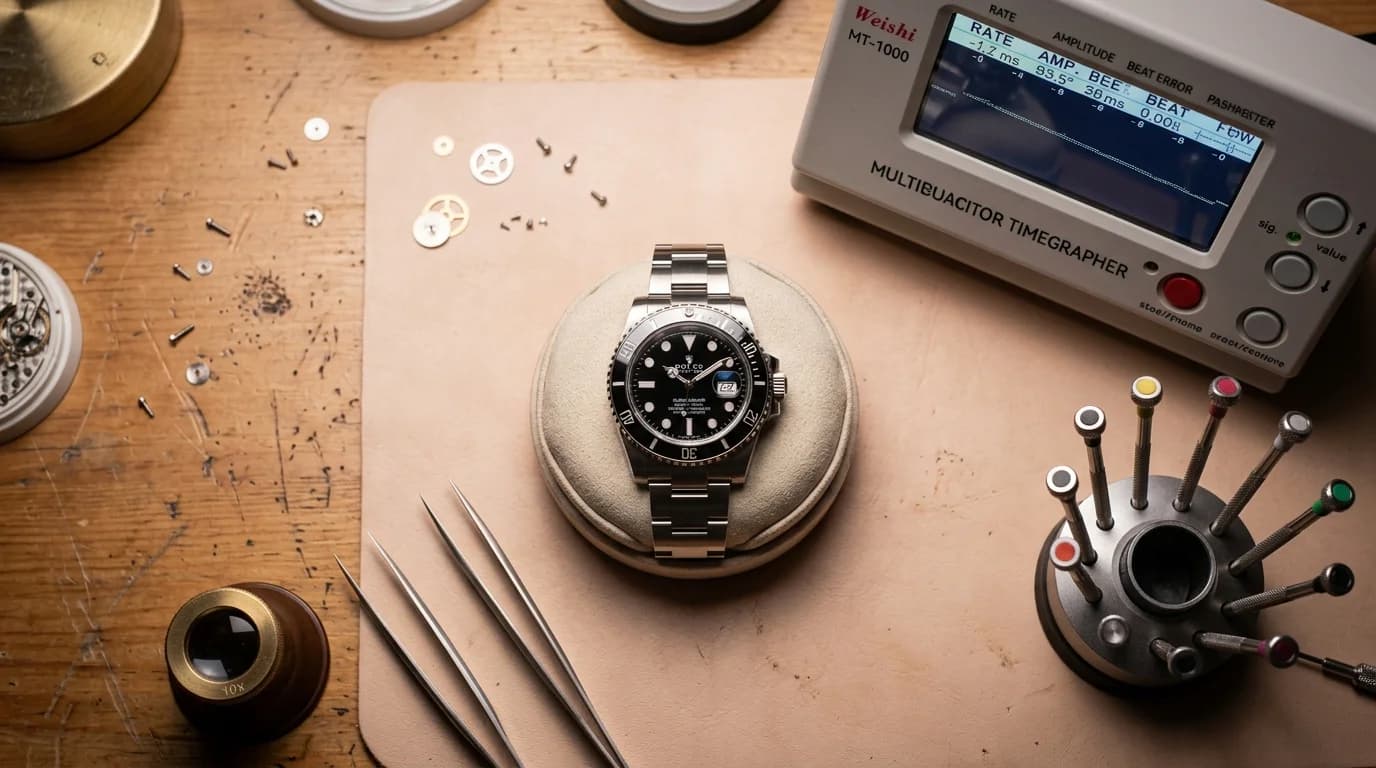
A working dealer's six-layer authentication checklist for buying a pre-owned Rolex in 2026: documentation, case and bezel, dial and hands, caseback and serials, movement, and bracelet. Plus the red flags that should end any inspection.

With the Rolex Pepsi discontinued and Submariner waitlists measured in years, the Tudor Black Bay 58 is the smart alternative. A dealer's buying guide covering the 2026 METAS-certified update, pre-owned 79030N market values, and what to check before buying.

With the Pepsi discontinued, the steel Rolex GMT-Master II lineup is down to three: Batman/Batgirl, Bruce Wayne, and Sprite. A working dealer's honest comparison of each, with current pricing, market trajectory, and who should buy which.

If you were on the authorized dealer waitlist for a Pepsi GMT-Master II, your retail path is closed. Here is an honest dealer's breakdown of your three real options now: buy a Pepsi pre-owned, pivot to a different GMT configuration, or wait out the uncertain Coke timeline.

Rolex discontinued far more than the Pepsi at Watches & Wonders 2026. Here is the complete list: the Cookie Monster Submariner, the original Yacht-Master II, two Everose gold paved Yacht-Masters including the Syloxi-equipped 268655, Datejust 31 floral dials, and multiple gem-set GMT and Daytona rotations.

At Watches & Wonders 2026, Rolex quietly discontinued the GMT-Master II Pepsi in both steel (126710BLRO) and white gold (126719BLRO). No Coke replacement arrived. Here is what changed, what the secondary market did within hours, and what it means if you own one or want one.

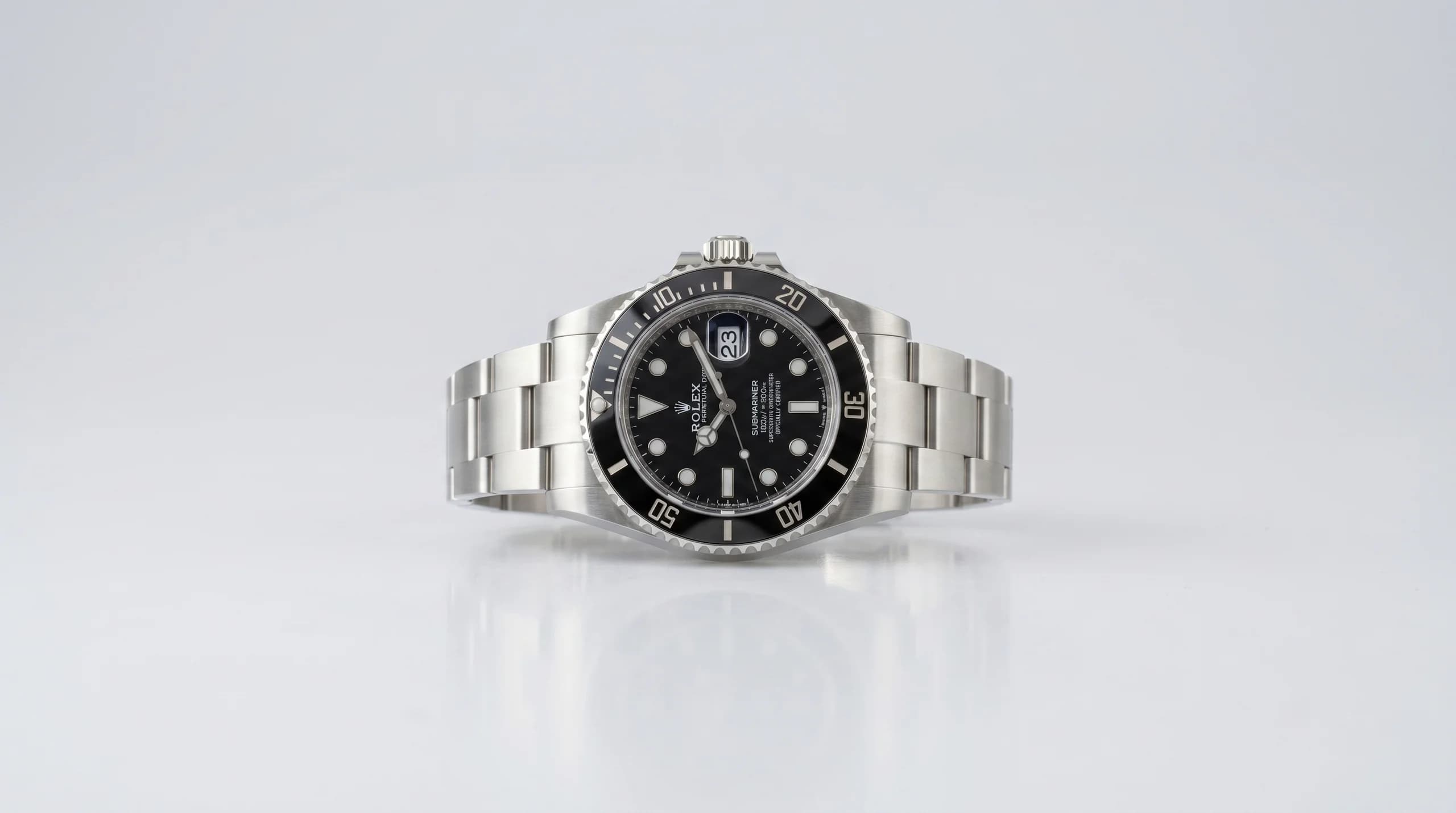
The Rolex Submariner Date 126610LN is Rolex's current black-on-black Sub. Here's exactly what a working dealer inspects before pricing one: authentication checkpoints, the caliber 3235 flaw on early production, and what clean examples actually sell for in 2026.