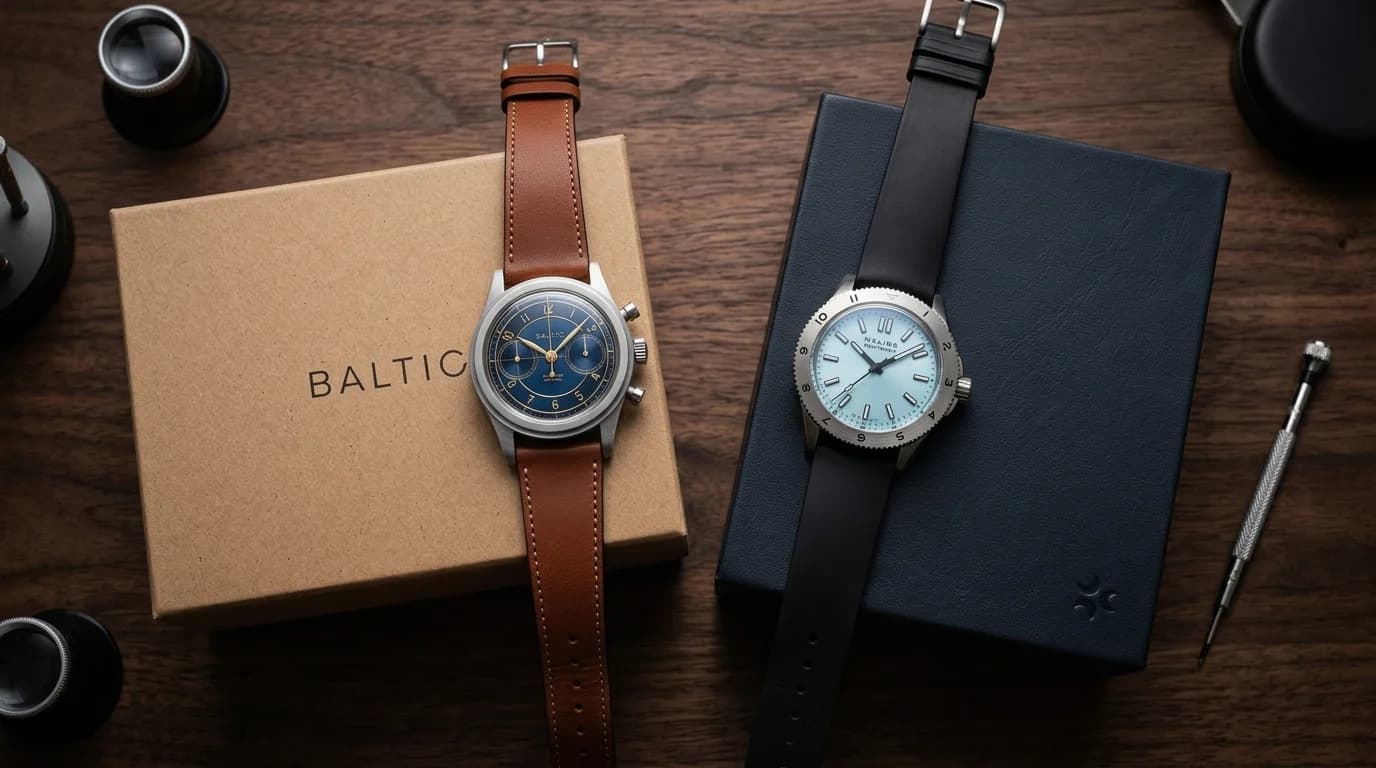
The Short Answer
Microbrand watches are worth the money if you buy them to wear and you go in with the right expectations. They are usually not worth the money if you expect them to hold value, and they are a real gamble if you buy one on a crowdfunding pre-order from a brand with no track record.
The honest version: for $200 to $1,500, a good microbrand gets you thoughtful design and often better finishing-per-dollar than a mainstream brand at the same price. What you give up is a resale market, a service network, and any guarantee the company still exists in five years.
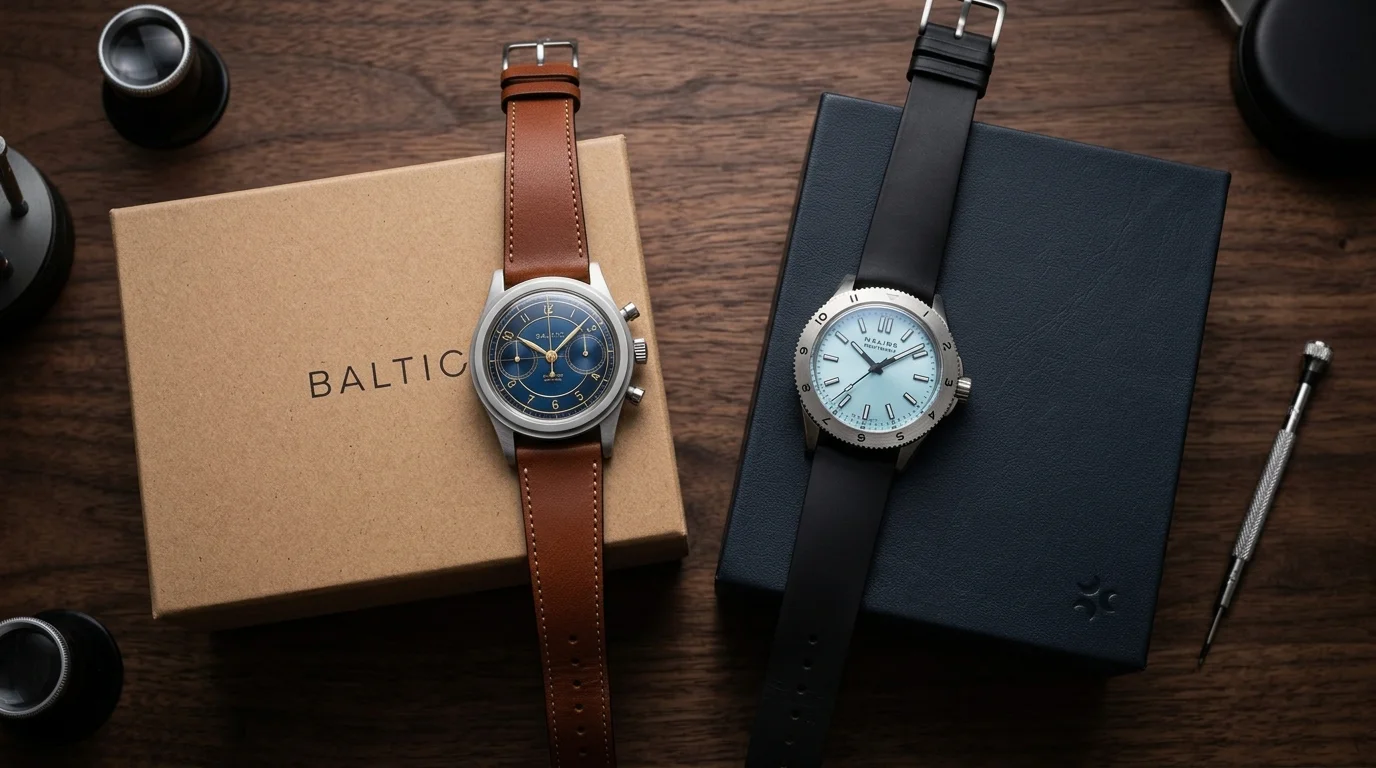 The Baltic Bicompax 002 and the Halios Seaforth. Two microbrands with actual track records, which is more than most of the field can claim.
The watch photos in this article were generated with AI image tools, conditioned on real reference photos of the Baltic Bicompax 002, Halios Seaforth, and Monta Skyquest so the case shapes, dial layouts, and proportions are accurate to the real watches.
What "Microbrand" Actually Means
A microbrand is a small, usually independent watch company, often founded by one or two people, selling directly to consumers rather than through traditional retail. Most do not manufacture their own movements. The overwhelming majority run off-the-shelf Japanese or Swiss movements, Seiko's NH35 and NH36, Miyota's 9015, or a Sellita SW200, the same movement families that power plenty of watches from bigger, more established brands.
That is not automatically a knock. A Miyota 9015 in a well-designed $400 case can be a genuinely good watch. The problem is marketing that implies more than it delivers, vague language about "custom" or "exclusive" movements that turn out to be standard off-the-shelf calibers with a house-branded rotor.
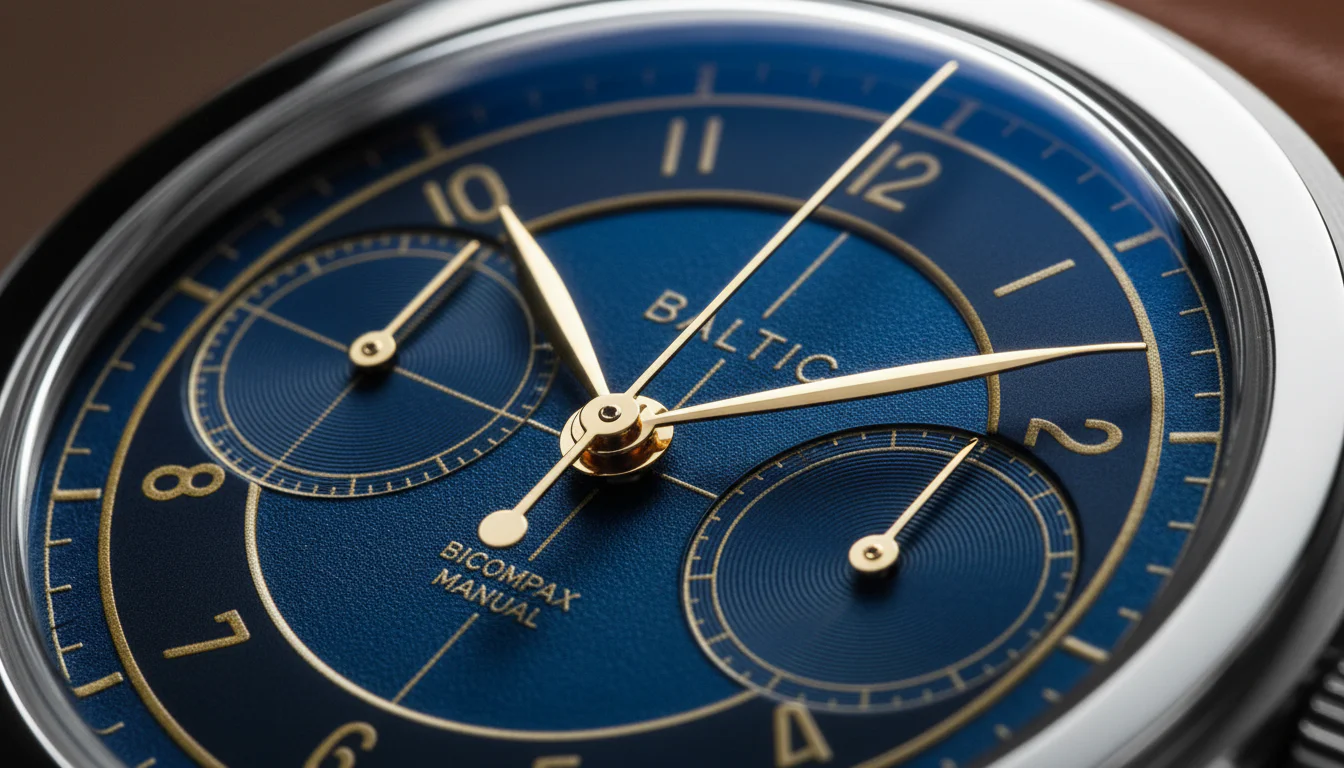 The Baltic Bicompax 002 dial. A Seagull ST1901 hand-wound chronograph movement under a design that reads far pricier than its actual cost.
Where Microbrands Actually Win
Design Risk-Taking
A small, independent company can put out a dial color or case shape a publicly traded brand's design committee would never approve. Some of the most interesting looking watches under $1,000 right now come from microbrands willing to take a swing that Seiko or Citizen would not.
Attention to Small Details, At Least From the Good Ones
The better-regarded microbrands genuinely sweat case proportions, crown feel, and bezel action, the things that actually affect daily wear far more than a spec sheet does. That is a real, achievable win at a price point where mainstream brands often cut corners on exactly those details.
Direct-to-Consumer Pricing
Without a traditional retail markup, a microbrand can put more watch for the money into a $500 piece than a brand selling through boutiques and authorized dealers can at the same price.
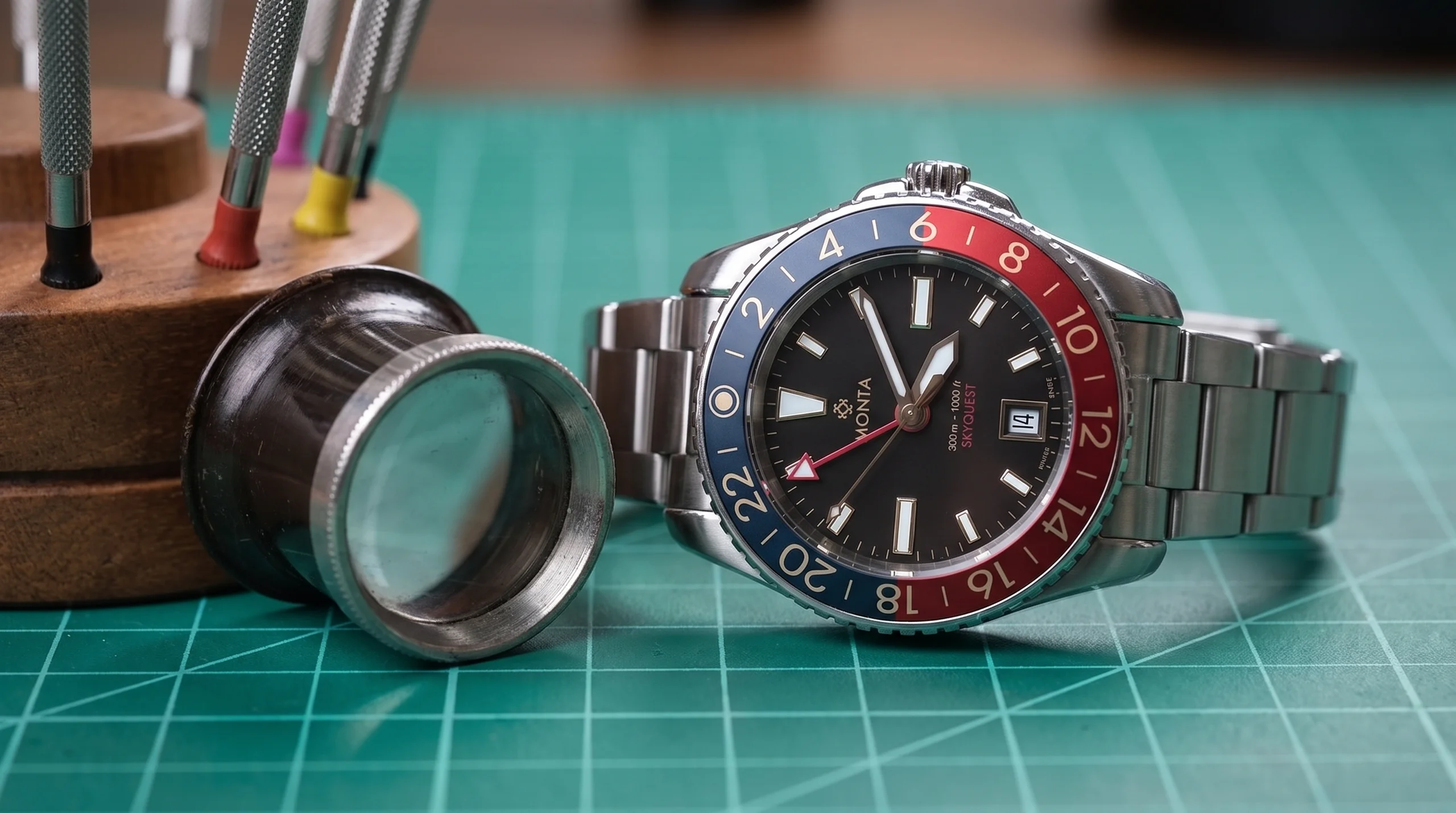 Quality control at this price point comes down to what a small team can actually catch before a watch ships. Monta is one of the microbrands known for getting this right consistently.
Where Microbrands Actually Lose
Quality Control Is a Real Risk
Misaligned bezels, gritty crowns, dust under crystals, and rattling bracelet end links are common complaints on lower-tier microbrands, especially first releases from a brand with no manufacturing track record. A small team without an established QC process means more of these get through than at a company shipping hundreds of thousands of units a year.
Service and Warranty Support Is Thin
Microbrands typically run with small teams and limited infrastructure. That can mean slow shipping updates, warranty claims that take months, or, in the worst case, a company that has quietly stopped answering emails. Seiko and Citizen's established global service networks exist precisely because long-term ownership needs one.
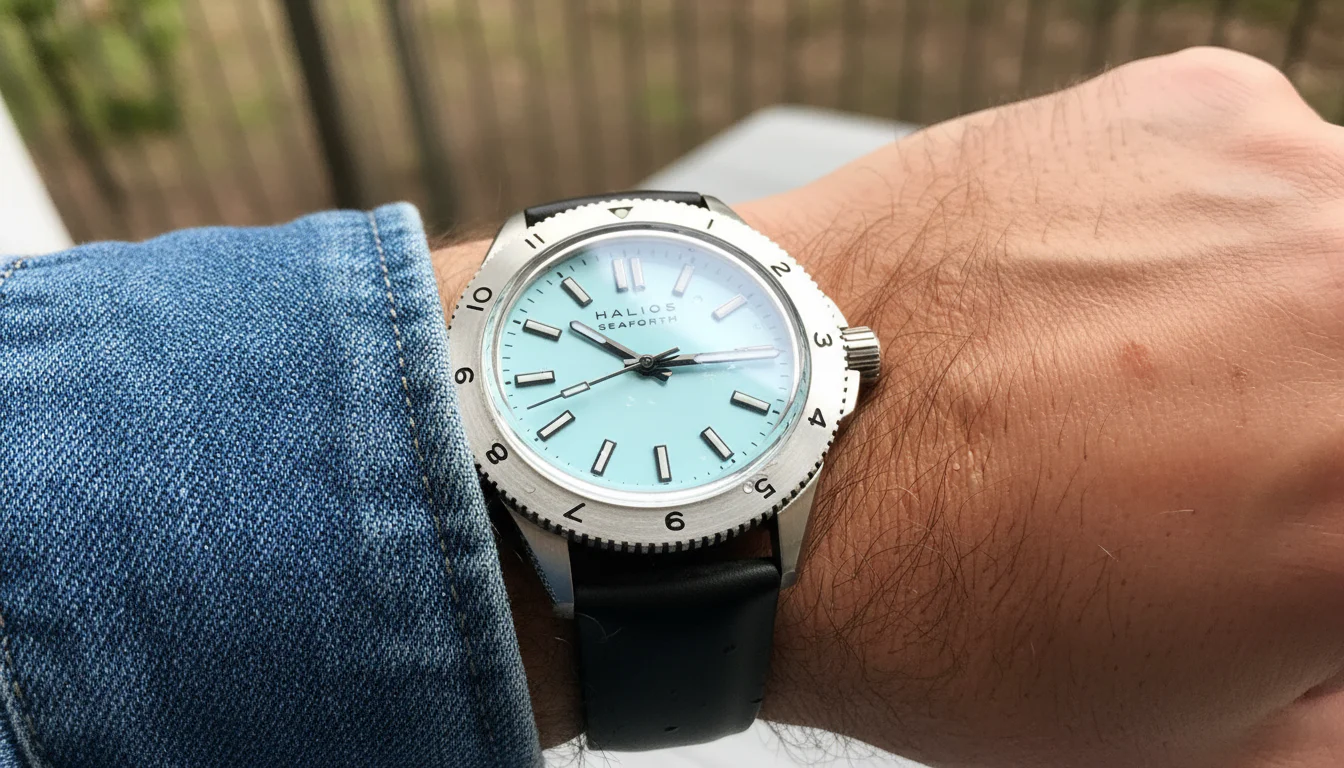 The Halios Seaforth. One of the rare microbrands with enough of a track record that its watches actually hold value on the used market.
Resale Is Weak to Nonexistent
There is effectively no organized secondary market for most microbrands. A watch that cost $600 new might fetch $250 to $350 used, if you can find a buyer at all, because there is no brand recognition doing the selling for you the way there is with even a mid-tier Swiss name. A handful of microbrands with genuine multi-year track records, names like Baltic, Halios, and Monta among them, hold value noticeably better than the rest of the field, but that reputation took years to build and is the exception rather than the rule.
Crowdfunding Pre-Orders Are a Real Gamble
Buying a watch that does not exist yet from a Kickstarter or Indiegogo campaign means betting on a company's ability to actually deliver. Delayed shipments, spec changes between the pitch and the final product, and outright campaign failures are not rare. If a microbrand has zero finished, shipped products in hand, that pre-order is a bet on the founders, not a purchase.
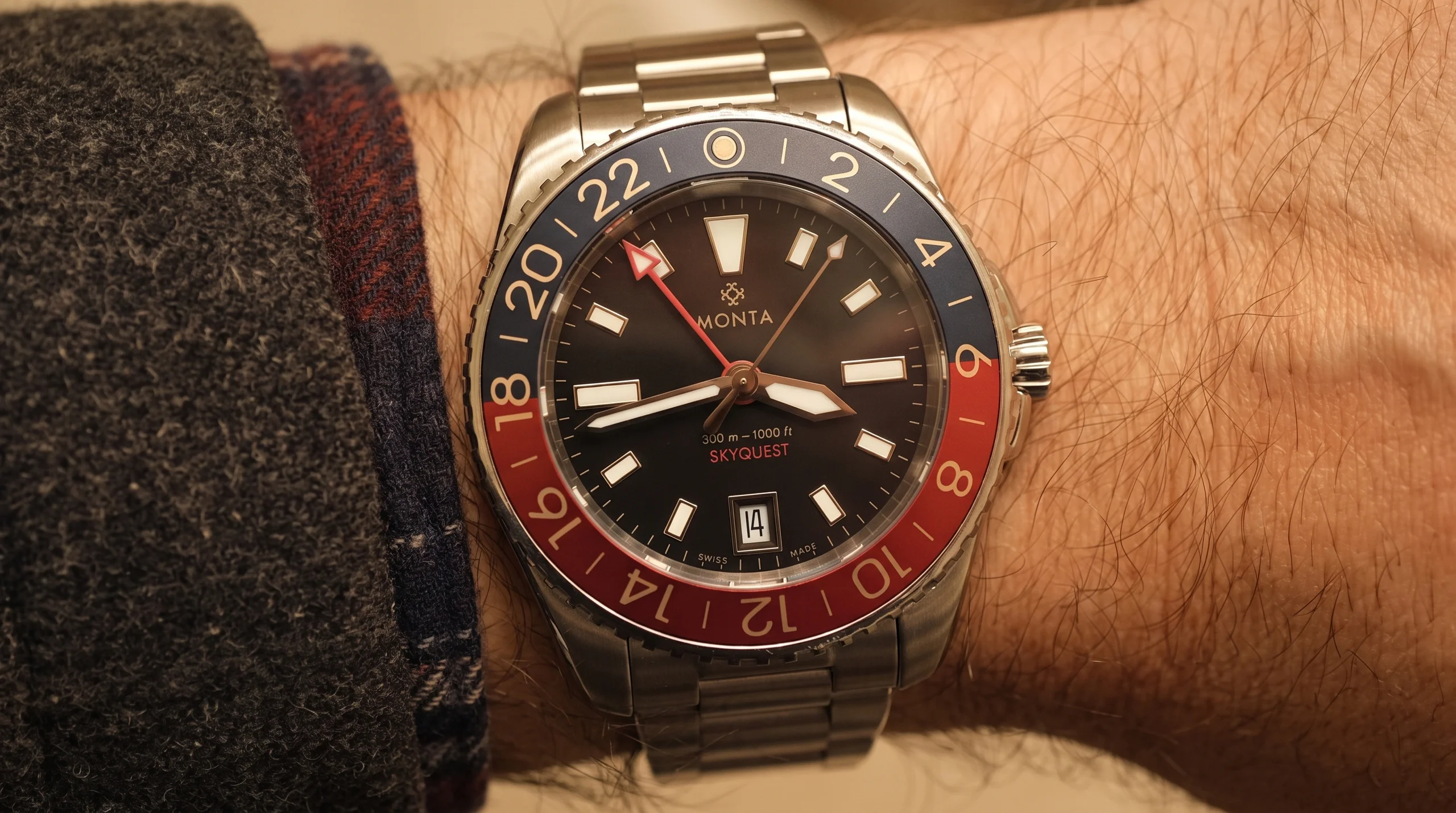 The Monta Skyquest. A GMT built on a Swiss Sellita base with in-house finishing, priced well under what a comparable Swiss GMT from an established brand would cost.
A Simple Framework
Ask whether the brand has multiple completed production runs, not just a successful crowdfunding campaign, before you buy. Check for independent hands-on reviews and owner feedback outside the brand's own marketing. Buy to wear, not to flip, since resale is the weakest part of the microbrand case. And budget for the real possibility that warranty support is slower and less certain than it would be from an established name.
What This Means for a Collector
A microbrand watch fits well as a rotation piece, a fun design experiment, or an entry point into mechanical watches at a low price. It does not fit well as a store-of-value purchase or a watch you are counting on to resell later. Know which one you are buying before you spend the money.
FAQ
Are microbrand watches good quality?
It varies significantly by brand. The better-established microbrands with multiple completed production runs tend to have solid quality control. Newer or first-time brands see more complaints about misaligned bezels, loose crowns, and finishing issues.
Do microbrand watches have in-house movements?
Almost never. The large majority run off-the-shelf movements from Seiko (NH35, NH36), Miyota (9015), or Sellita (SW200), the same movement families used across the industry. Be skeptical of marketing language that implies otherwise.
Do microbrand watches hold their value?
Generally no. Most microbrands have little to no organized resale market and depreciate significantly compared to their original price. A small number of brands with long track records hold value better, but that is the exception.
Is it safe to buy a microbrand watch on Kickstarter?
It carries real risk. Delayed shipping, spec changes, and failed campaigns are not uncommon with crowdfunded watches, especially from brands with no completed prior releases. A brand with a track record of shipped products is a safer bet than a first-time campaign.
Should I buy a microbrand watch as an investment?
No. Microbrand watches should be bought to wear and enjoy, not as a financial investment. If value retention matters to you, an established Swiss or Japanese brand with a real secondary market is the safer choice.