The Short Answer
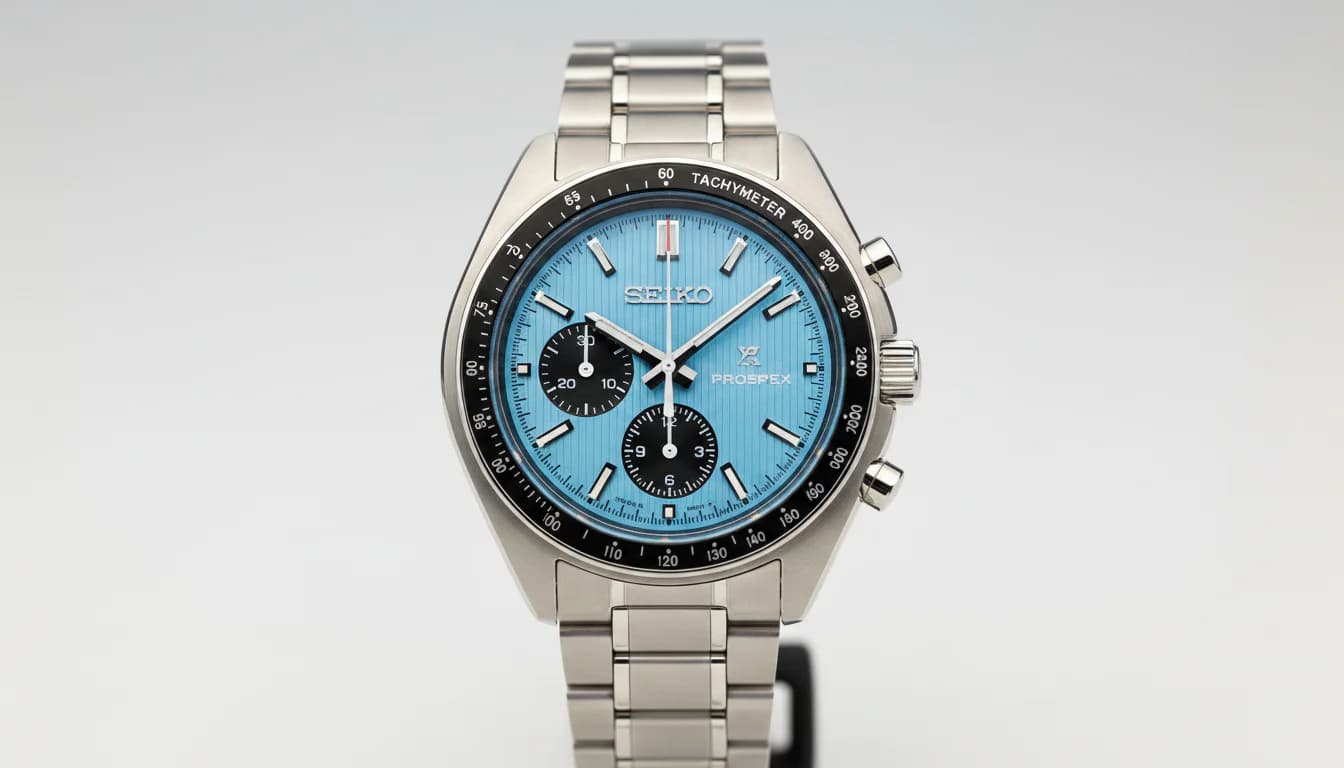
Seiko just added four references to the Prospex Speedtimer Mechanical collection, and the headline is the movement, not the colorway. Two are genuine mechanical chronographs on the in-house automatic caliber 8R48 (HBD001, HBD002), and two are time-and-date sports watches on the automatic caliber 6R55 (HBC003, HBC004).
Pricing runs from EUR 1,000 for the HBC004 up to EUR 2,780 for the HBD001, and every reference carries real motorsport-chronograph lineage: Seiko was one of the first three manufacturers to bring an automatic chronograph movement to market in 1969, alongside Zenith and the Heuer/Hamilton/Breitling consortium.
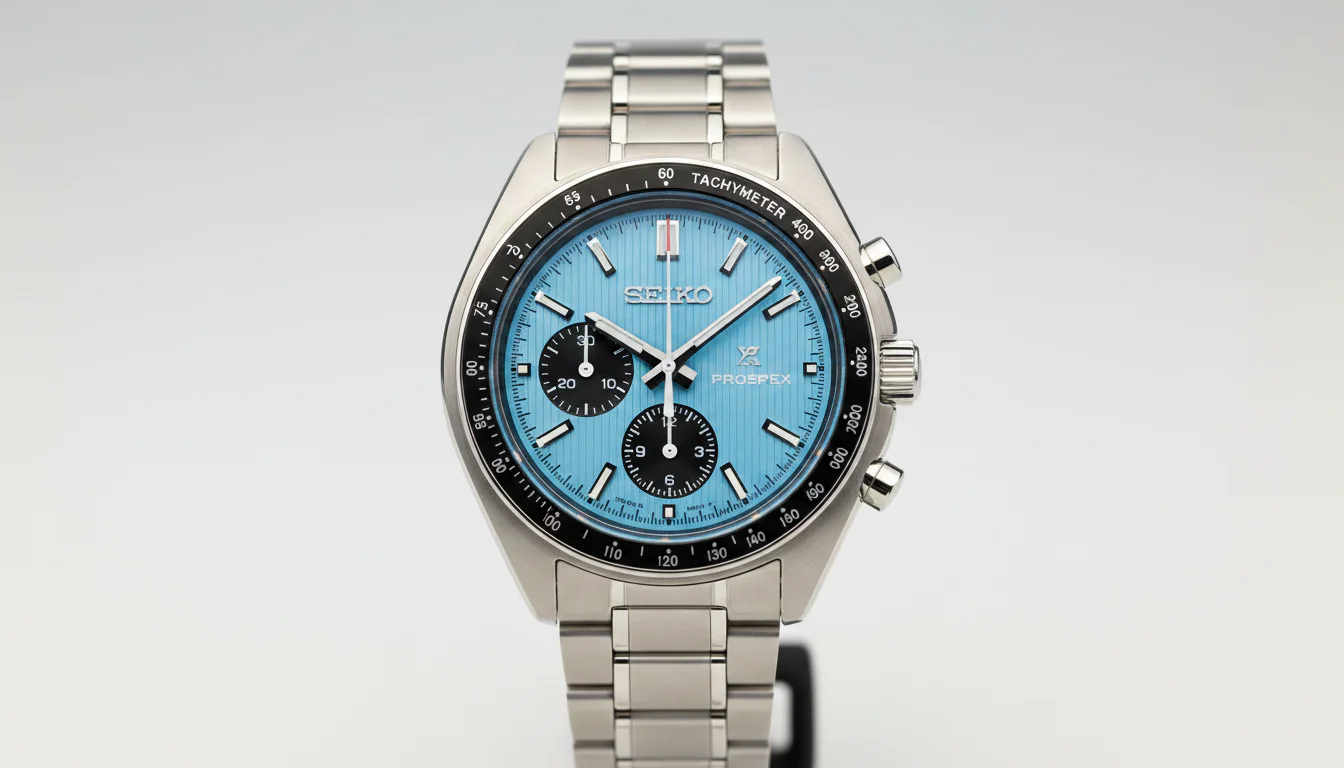 The sky blue dial and black sub-dials on the HBD001 pull directly from Seiko's late-1960s and early-1970s racing chronograph catalog.
The watch photos in this article were generated with AI image tools, conditioned on real reference photography of the Seiko Prospex Speedtimer so the case shapes and dial layouts are accurate to the real watches.
Why the Speedtimer Name Carries Real Weight
The Speedtimer badge is not a marketing invention borrowed from motorsport for a new line. Seiko used the name in 1969 on the reference that housed caliber 6139, one of the first automatic chronograph movements in the world.
That heritage is why Seiko keeps returning to the Speedtimer name for its motorsport-flavored watches, rather than inventing a new label every few years.
The Chronograph Pair: HBD001 and HBD002
Both new chronographs share a 42mm by 14.6mm hard-coated steel case with a helmet-shaped center section, a detail lifted from Seiko's 1970s chronographs. Both run 100 meters of water resistance and a sapphire crystal.
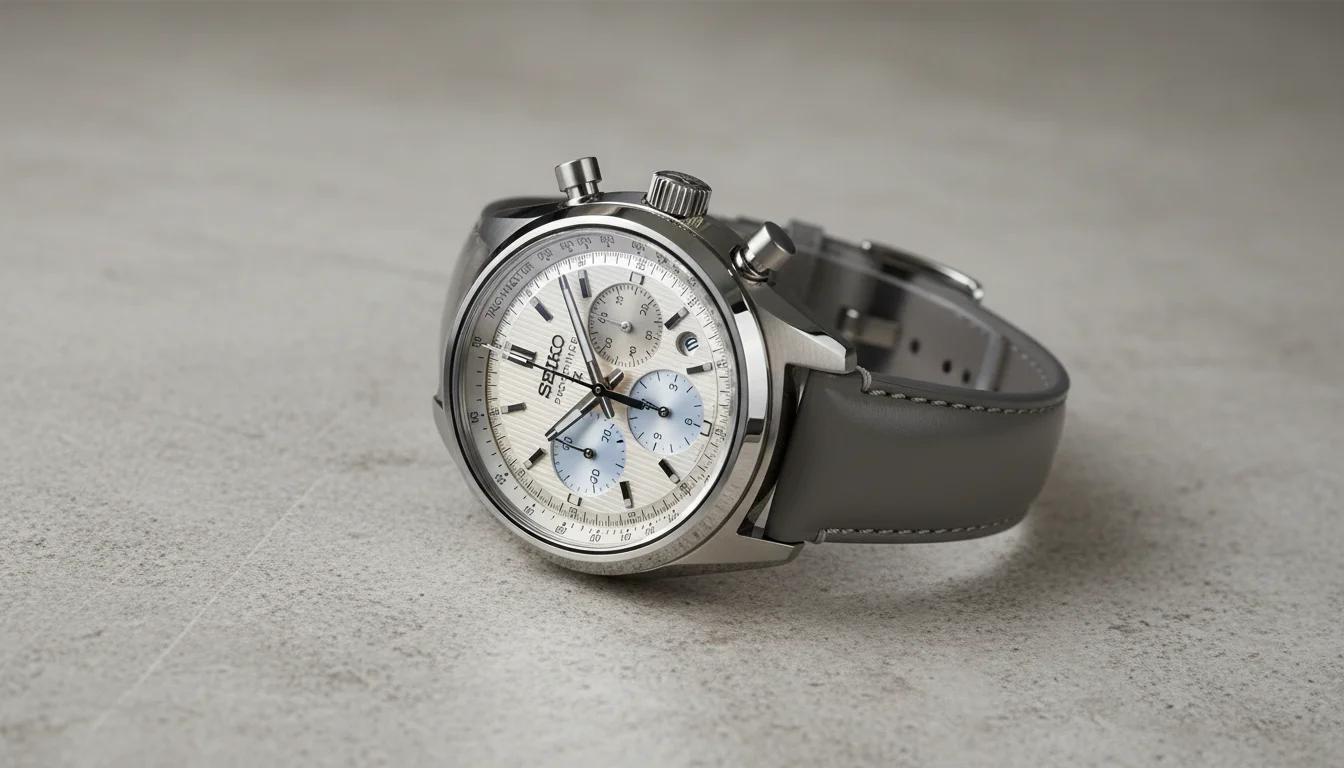 The HBD002's warm silver dial and sky blue counters read closer to a vintage reissue than the bolder HBD001.
The HBD001 pairs a sky blue dial with black sub-dials at 6 and 9 o'clock, a tachymeter scale, and a steel bracelet at EUR 2,780. The HBD002 swaps to a warm silver-tone dial with sky blue counters on a grey leather strap at EUR 2,680.
The Movement: Caliber 8R48
Caliber 8R48 is Seiko's in-house automatic chronograph movement, built with a column wheel and a vertical clutch, the same architecture found in far more expensive Swiss chronographs. It runs at 28,800 vibrations per hour with 34 jewels and a 45-hour power reserve.
Seeing the HBD001 Away From the Studio
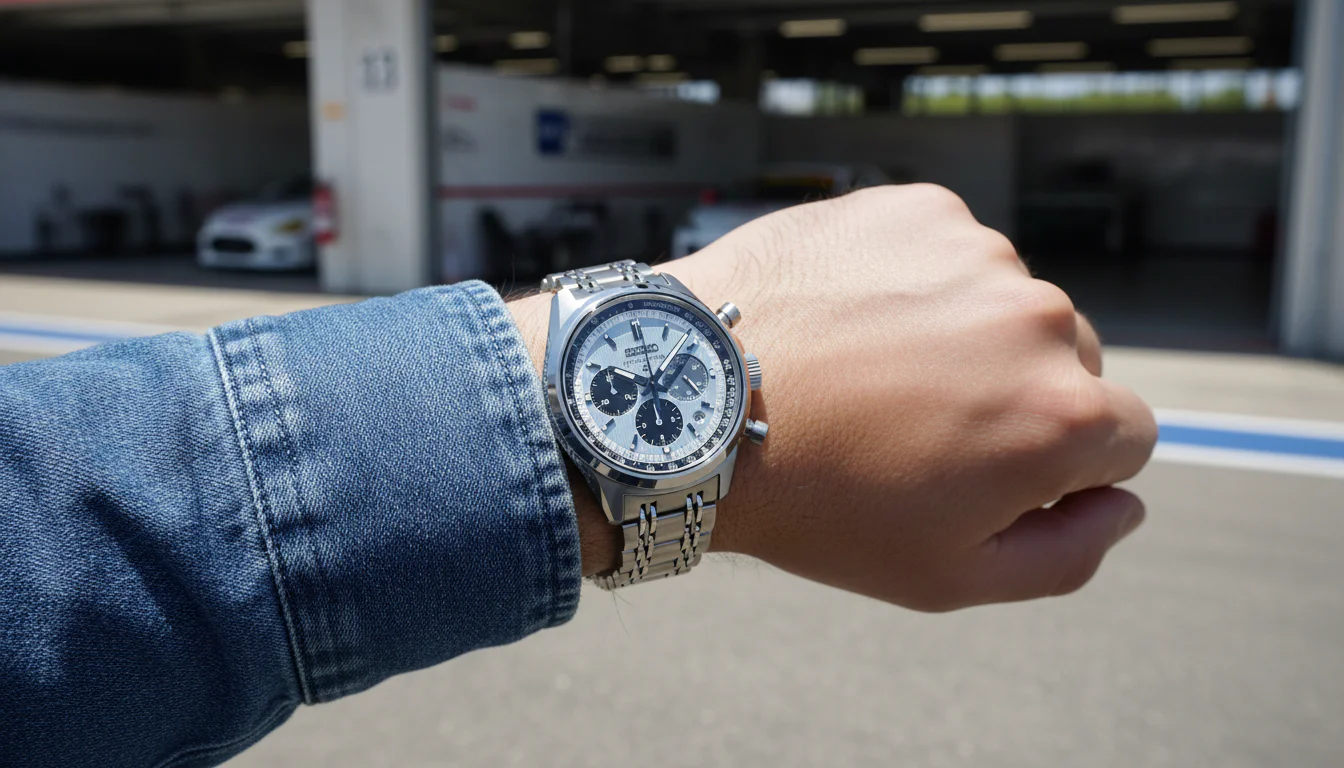 On the wrist, the 42mm case and tachymeter bezel are exactly what the Speedtimer name promises: a chronograph built to sit at a track, not just a desk.
Studio shots flatten a chronograph. On the wrist, the helmet-shaped case catches light differently at every angle, and the tachymeter bezel actually reads the way it was designed to: at a glance, from arm's length.
The Time-and-Date Pair: HBC003 and HBC004
The other two references drop the chronograph entirely in favor of a simpler time-and-date sports watch, a smaller 39.5mm by 12mm case with an internal rotating bezel and 200 meters of water resistance, twice the depth rating of the chronograph pair.
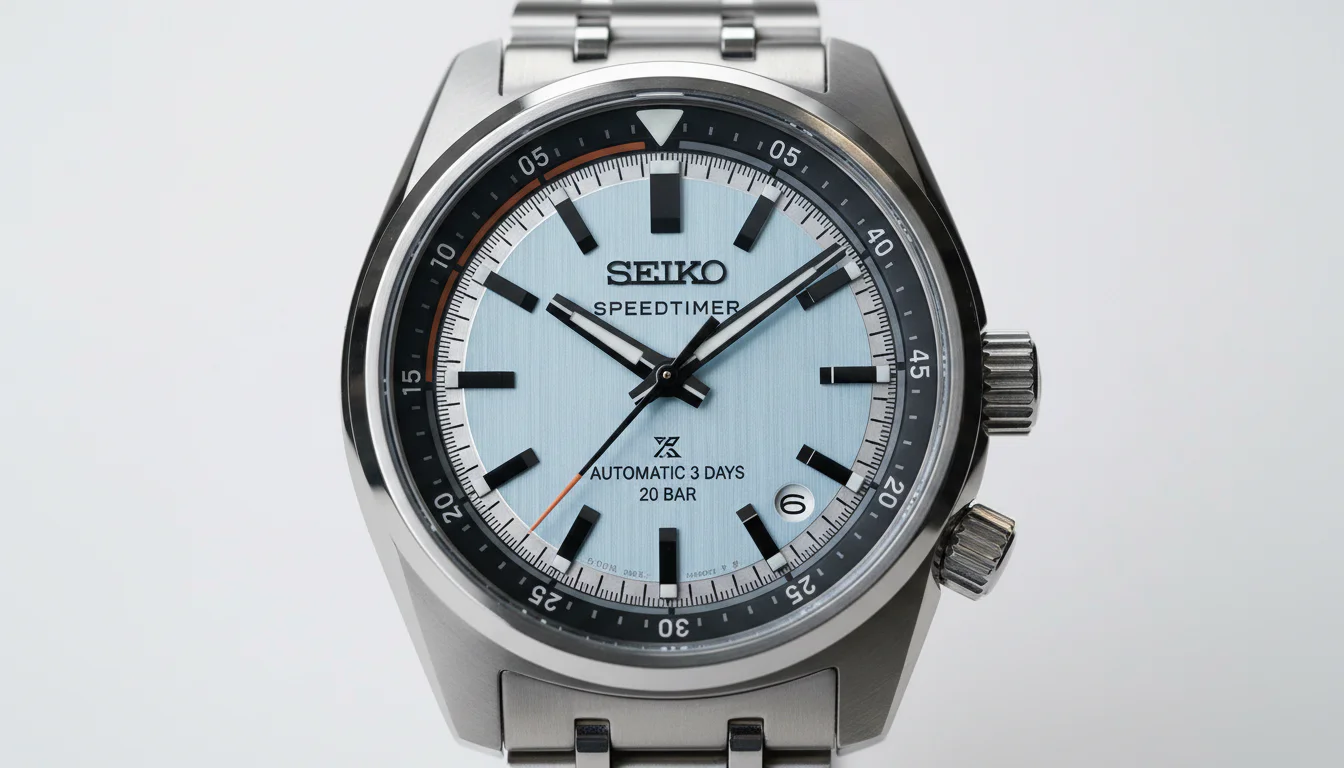 The internal rotating bezel on the HBC003 is controlled by the crown at 4 o'clock rather than the case itself, a detail worth knowing before assuming it works like a dive watch bezel.
The HBC003 wears a light blue vertically brushed dial with orange accents on a steel bracelet at EUR 1,030. The HBC004 goes dark grey, nearly black, with the same orange accents on embossed leather at EUR 1,000.
The Movement: Caliber 6R55
Caliber 6R55 trades the chronograph complexity for a longer power reserve: 21,600 vibrations per hour, 24 jewels, and a 72-hour reserve, nearly double the chronograph pair's 45 hours.
Why Two Different Movements in One Collection
Splitting the Speedtimer line across two movements lets Seiko sell a genuine mechanical chronograph and a simpler daily watch under one motorsport-inspired identity, without forcing a buyer who just wants long power reserve and a lower price into paying for a complication they will rarely use.
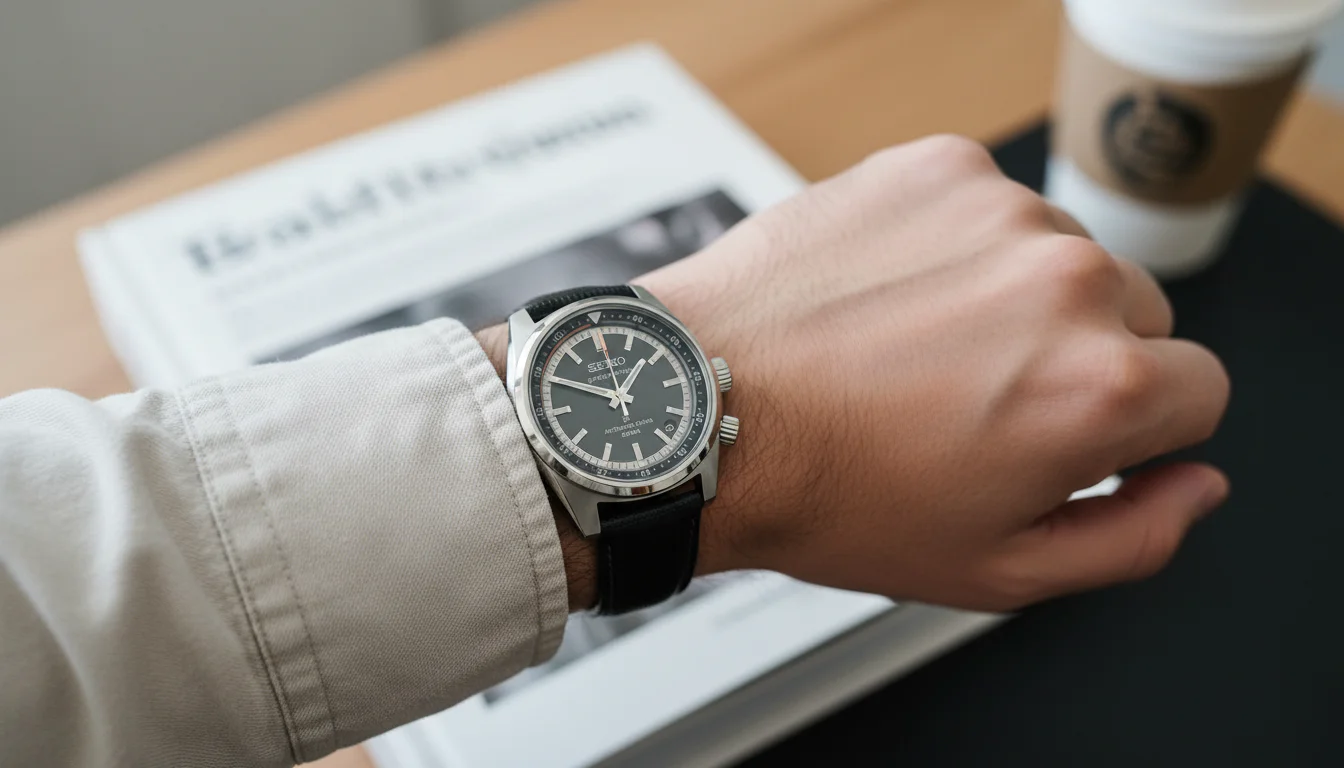 At 39.5mm, the HBC004 wears considerably smaller than the 42mm chronograph pair, worth checking before assuming the whole collection shares one case size.
Where This Sits Against the Rest of Seiko's Chronograph Catalog
Seiko already sells chronographs well under EUR 1,000 using the quartz caliber 8T or the more basic automatic caliber 6S37. The 8R48 pair costs roughly three times as much, and the column wheel and vertical clutch are the reason why.
The Honest Trade-Off
At EUR 2,780, the HBD001 is priced close to entry-level Swiss chronographs from Longines or Tissot. Seiko's in-house movement and finishing make a real case at that price, but buyers used to thinking of Seiko as a budget brand should recalibrate expectations before assuming this is a bargain.
FAQ
What is the Seiko Prospex Speedtimer Mechanical collection?
A motorsport-inspired Seiko Prospex line that includes both mechanical chronographs (caliber 8R48) and simpler time-and-date automatic watches (caliber 6R55), traced back to Seiko's original 1969 Speedtimer chronograph.
How much does the new Seiko Speedtimer Mechanical cost?
From EUR 1,000 for the HBC004 time-and-date model up to EUR 2,780 for the HBD001 chronograph, depending on movement, dial, and strap or bracelet.
What movement is in the new Speedtimer chronograph?
Caliber 8R48, Seiko's in-house automatic chronograph movement with a column wheel and vertical clutch, running at 28,800 vibrations per hour with a 45-hour power reserve.
Is the Speedtimer name new to Seiko?
No. Seiko used the Speedtimer name in 1969 on the reference housing caliber 6139, one of the first automatic chronograph movements ever released, alongside Zenith and the Heuer-Hamilton-Breitling consortium.
What is the difference between the HBD and HBC references?
The HBD001 and HBD002 are chronographs on caliber 8R48 with a 45-hour reserve. The HBC003 and HBC004 drop the chronograph for a simpler time-and-date layout on caliber 6R55 with a longer 72-hour reserve and deeper 200m water resistance.
Related Reading
- The Seiko Prospex Is the Best Gateway to Japanese Watchmaking. Here Is What the Pre-Owned Market Actually Charges.
- The Omega Speedmaster Moonwatch Buying Guide: Every Reference, the Calibre 3861, and What Pre-Owned Actually Costs
- Seiko Just Celebrated 60 Years of PADI. The HBB002 Turtle Is the Right Watch to Mark It.
- The Best Watches Under $2,000 in 2026: A Dealer's Honest Picks