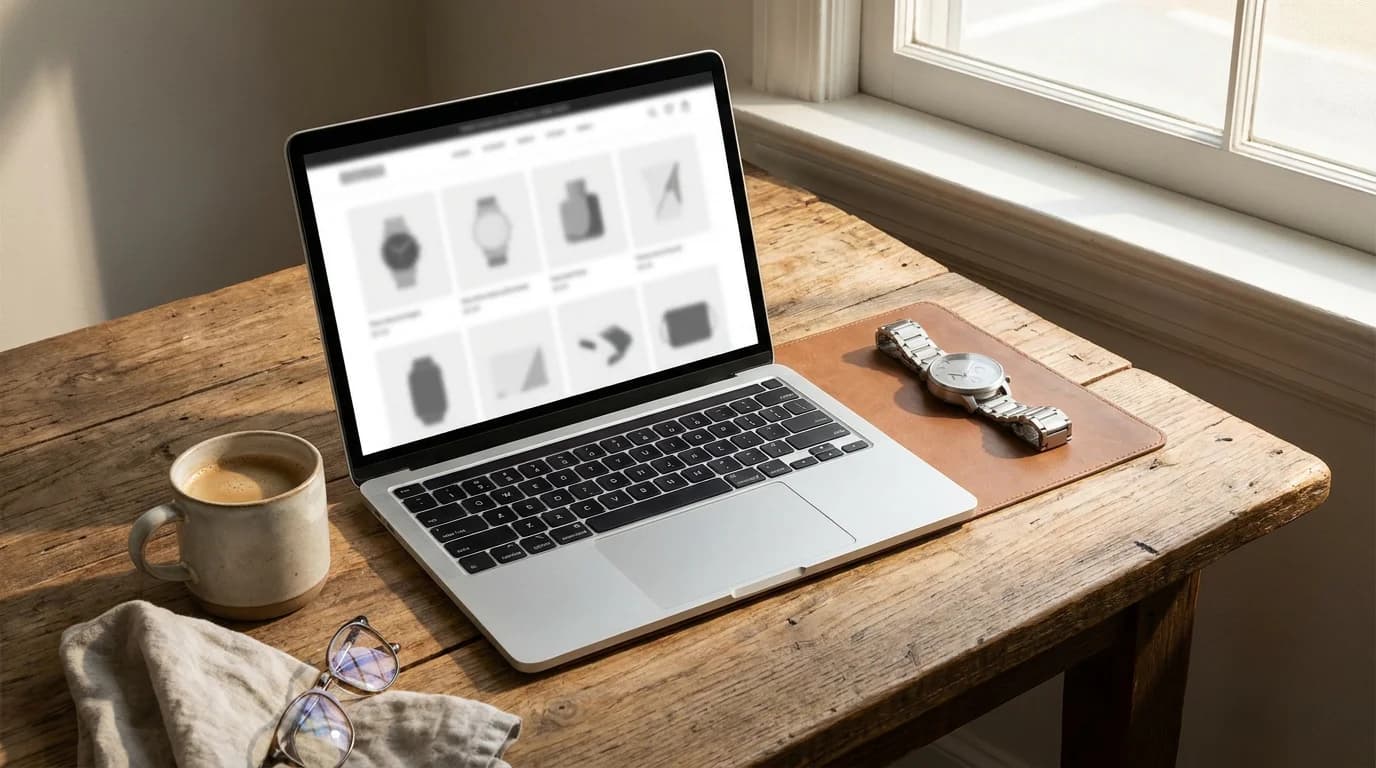
Buying a watch online means paying for something before you can put it on your wrist. That single fact changes every part of how the transaction should go.
This post includes AI-assisted images built from real reference photos of watch buying and authentication scenarios. All guidance is drawn from standard trade practice, not invented.
The short answer: Buy only from dealers who publish clear authentication and return policies, cross-check the serial number and full spec against manufacturer records before paying, insist on close-up photos of the movement and caseback rather than relying on stock images, and pay through a method that gives you dispute recourse. A price meaningfully below market is the single biggest red flag in the entire process.
Start With The Seller, Not The Watch
 Before you fall in love with a specific listing, spend five minutes vetting who is actually selling it to you.
It is tempting to fixate on a specific listing the moment you find the reference and dial combination you want. Slow down first. Established dealers publish a return window, a written authentication process, and a physical business address you can verify. Private sellers and marketplace listings with no seller history carry meaningfully more risk, even when the photos look convincing.
Red flags worth walking away from: a price well under the going market rate with no explanation, a seller unwilling to provide additional photos on request, pressure to move the conversation off the platform to a private payment method, and listings that reuse stock photography instead of photos of the actual watch being sold.
Verified Dealer Certification Beats A Good Story
A certification badge or authentication guarantee only means something if it comes with a real process behind it. Ask directly what that process involves: does a watchmaker physically inspect the movement, or is authentication based on photos alone? A dealer confident in their process will explain it without hesitation.
Confirm The Watch Before You Confirm The Price
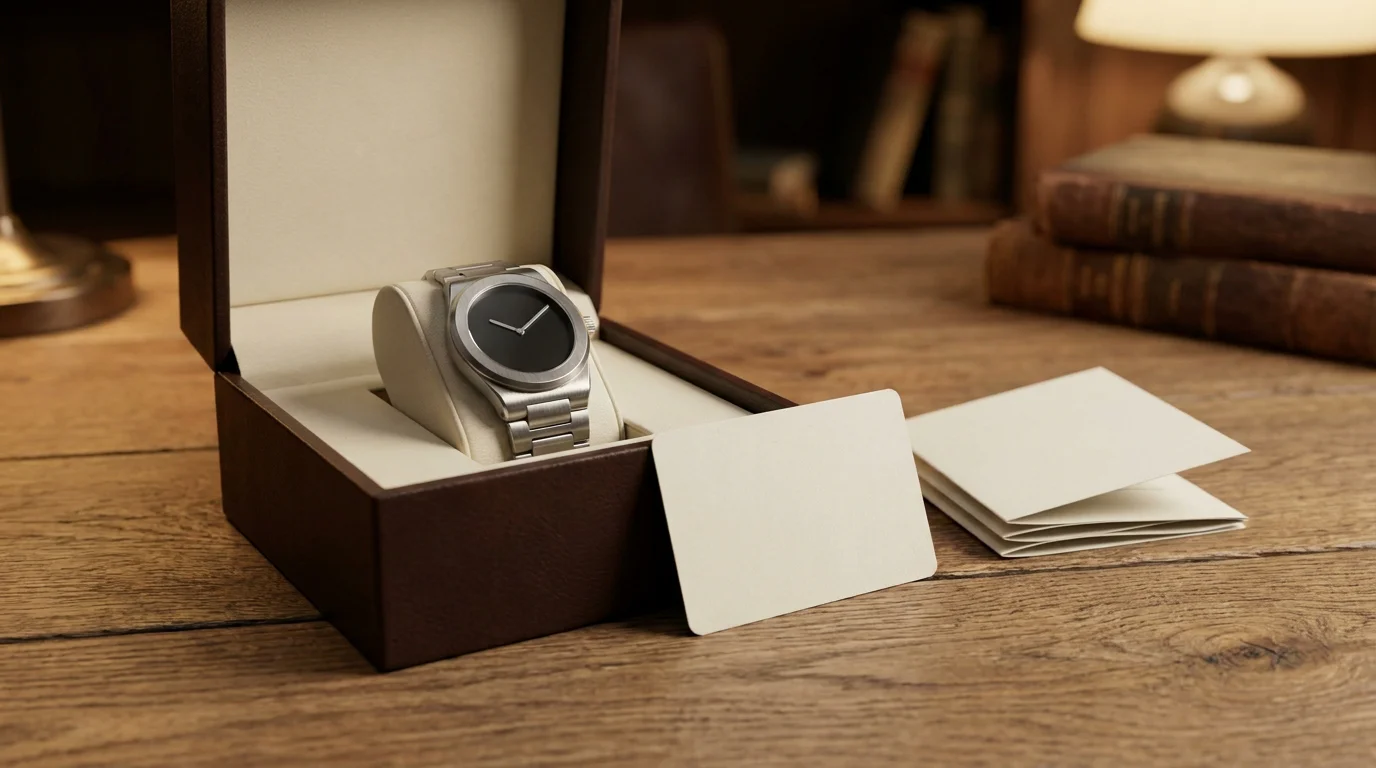 Box and papers are not just nice extras. They are your clearest paper trail back to a legitimate first sale.
Full box and papers push a watch's value up, but their bigger function is authentication. A watch with the original warranty card matching the case serial number gives you a documented history you cannot fake convincingly. A watch missing that paperwork is not automatically a problem, since plenty of legitimate watches lose their box over a decade of ownership, but it does mean more of the authentication burden falls on you.
What to request before paying: clear photos of the movement through the caseback or exhibition window, a close photo of the case serial number, service history if any exists, and confirmation of exactly what accompanies the sale (box, papers, extra links, spare strap).
Ask For A Loupe-Level Photo, Not Just A Beauty Shot
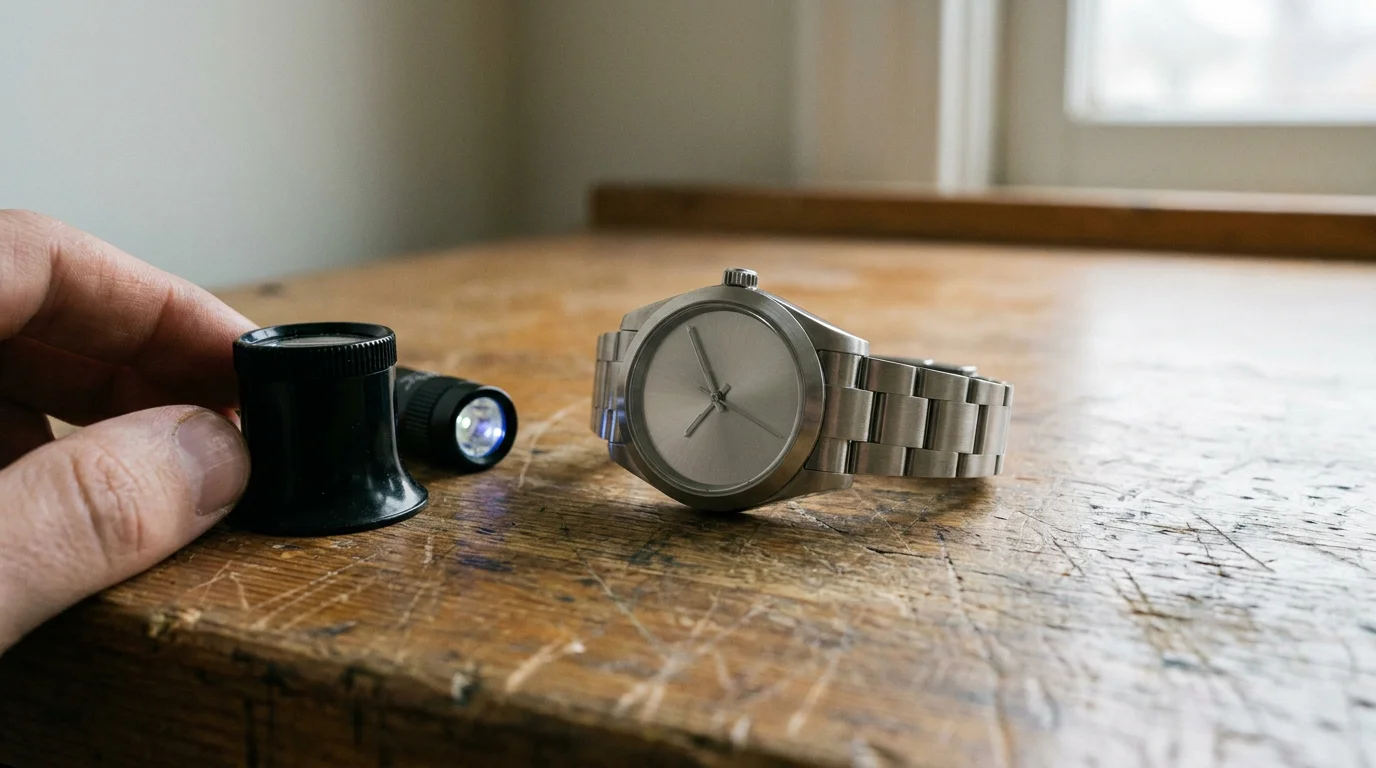 A dealer who authenticates seriously will happily send you the detail shots a casual seller would not think to take.
A single flattering studio photo tells you almost nothing about a watch's actual condition or authenticity. Ask for photos taken at an angle and distance close to what a jeweler's loupe would show: dial printing sharpness, lume application consistency, and case finishing transitions. Legitimate sellers rarely push back on this request, since it is standard due diligence.
The Serial Number Is Your Cross-Check, Not Just A Number
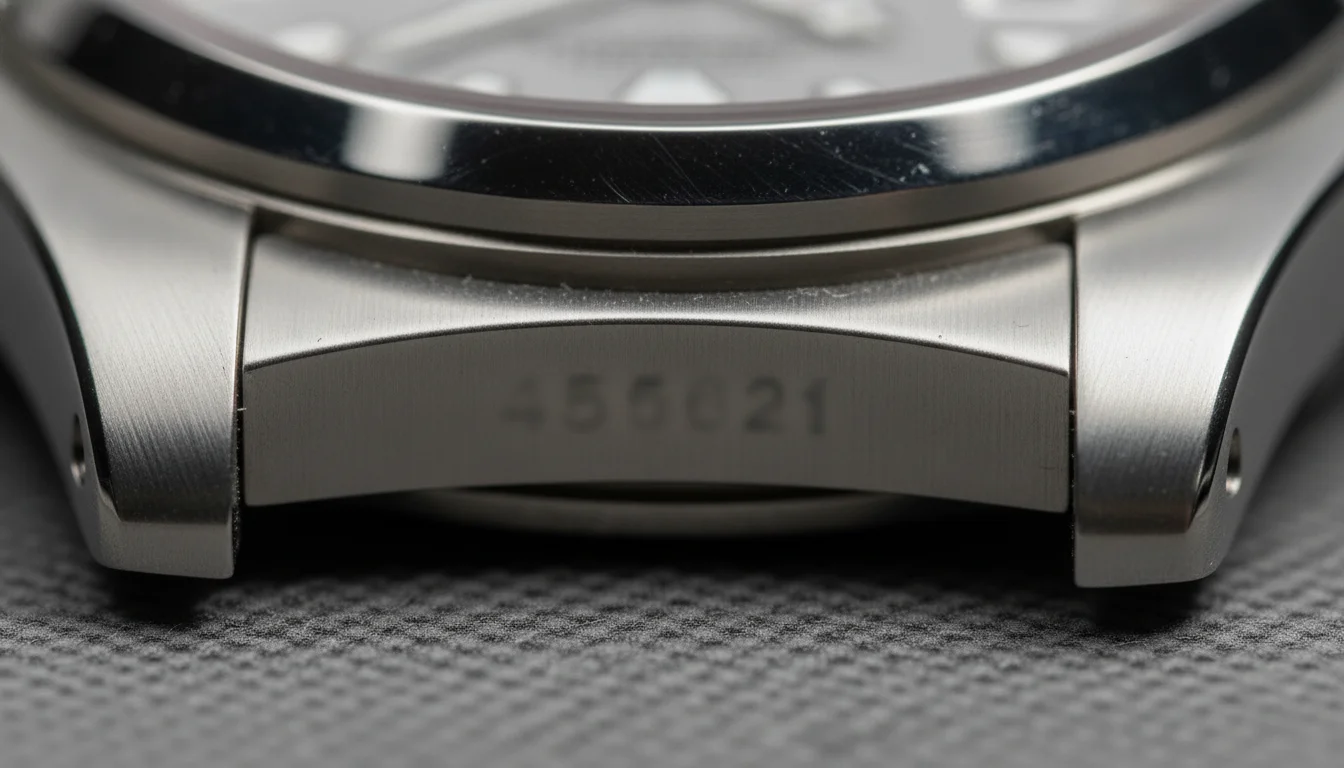 Case serial numbers, engraving depth, and font all carry brand-specific patterns worth checking against known examples.
Most manufacturers use serial number ranges tied to production years, and engraving depth, font, and placement follow consistent patterns for a given era. A serial number that does not match the claimed production year, or engraving that looks shallow or inconsistent compared to verified examples of the same reference, is worth pausing over before you pay.
One practical habit: search the exact reference and serial number pattern before buying. If a dealer or authentication service has flagged that specific combination as problematic in the past, it often surfaces in a simple search.
Buy From Sellers Willing To Do A Video Call
If a listing photo set leaves you with lingering questions, ask for a short video call where the seller shows you the watch running, winds it on camera, and turns it to show the caseback and crown area. A seller unwilling to do this on a watch worth several thousand dollars is telling you something.
Protect Yourself On Payment And Shipping
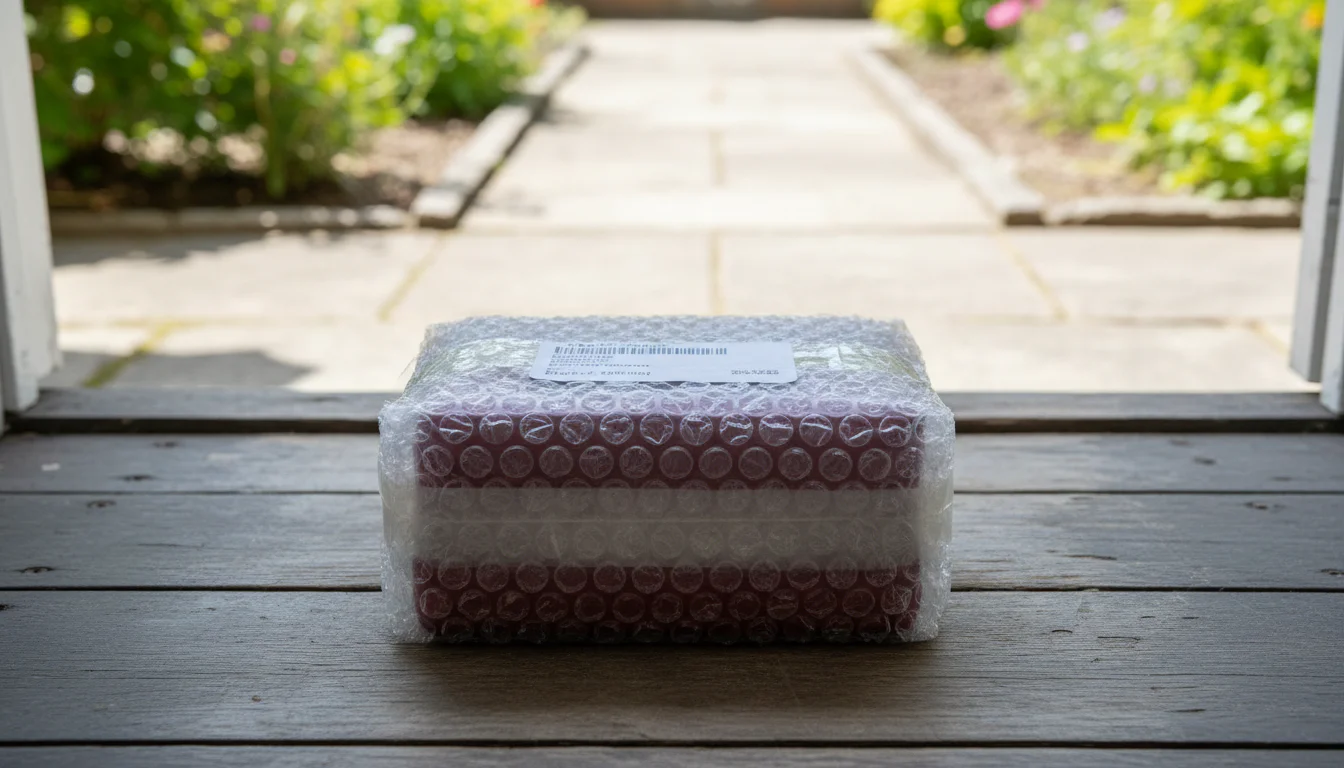 Insured, signature-required shipping is not a luxury on a purchase this size. It is the baseline.
Use a payment method that gives you real dispute recourse, generally a credit card or an escrow service built for high-value goods, rather than a wire transfer or a peer-to-peer payment app with no buyer protection. Confirm the shipment will be fully insured for the purchase price and require an adult signature on delivery.
Before you click confirm, verify: the total price includes any customs duty or import tax you might owe separately, the return window is stated in writing, and you have a way to reach the seller after the sale closes if a problem surfaces once the watch is in hand.
FAQ
How do I know if an online watch dealer is legitimate?
Check for a published return policy, a verifiable business address, and a clearly explained authentication process. Established dealers are transparent about how they verify a watch before it ships, not vague about it.
What is the biggest red flag when buying a watch online?
A price meaningfully below the going market rate for that reference and condition, especially paired with pressure to pay quickly or move the conversation off the selling platform.
Do I need box and papers to buy a watch safely?
No, but their absence means more of the authentication burden shifts to photos, serial number verification, and seller reputation. A missing box is common on older watches and is not automatically disqualifying.
What payment method is safest for a pre-owned watch purchase?
A credit card or an escrow service designed for high-value goods, both of which give you dispute recourse if something goes wrong. Wire transfers and peer-to-peer payment apps typically offer little to no buyer protection.
Should I ask for a video call before buying a watch online?
Yes, especially for a purchase in the thousands of dollars. A brief video call showing the watch running and its caseback and crown area is a reasonable request that a legitimate seller will not resist.