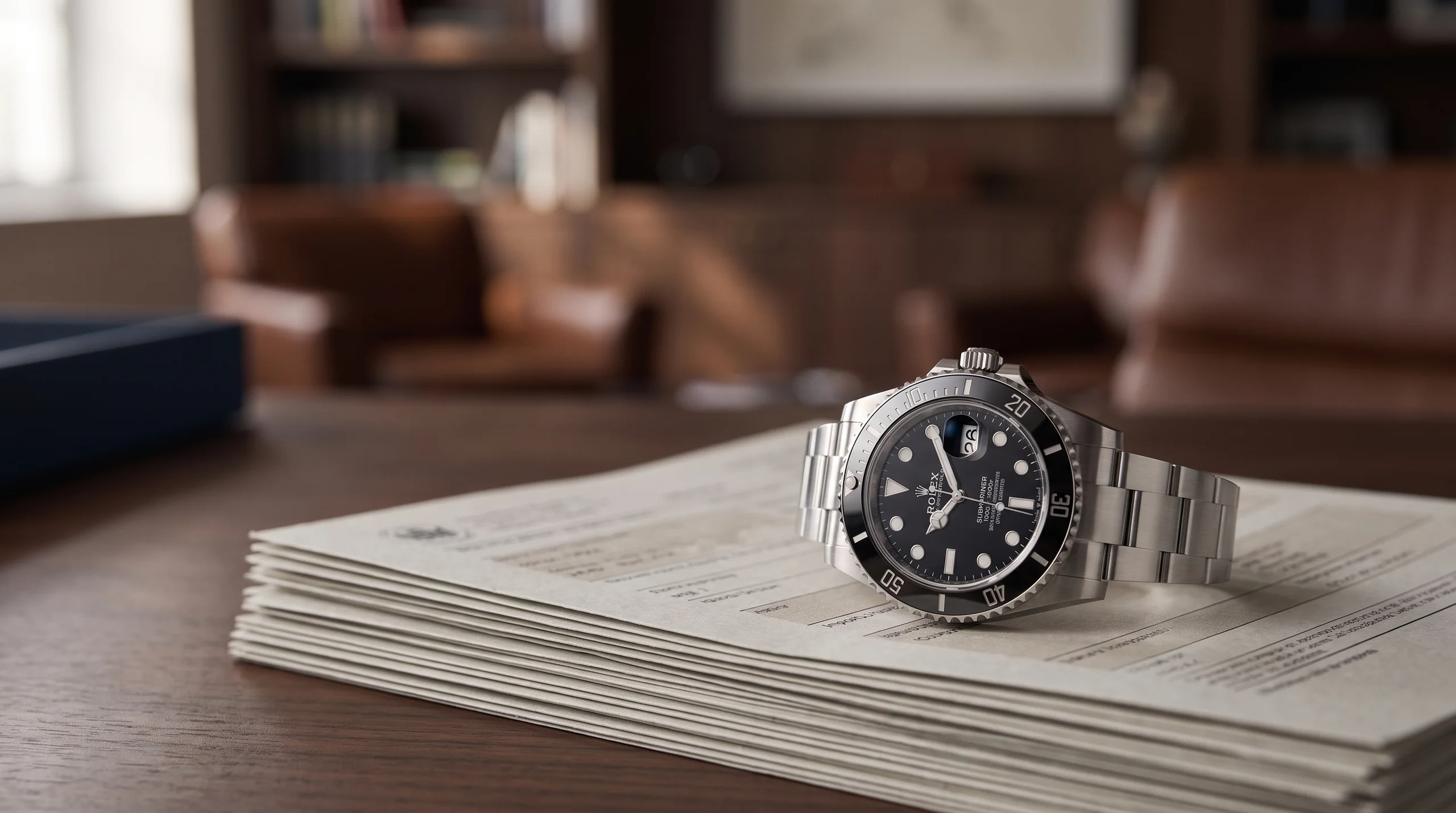
Most watch buyers spend the summer watching prices. The number that matters most right now is a date.
On July 24, 2026, the tariff surcharge that sits on nearly every Swiss watch entering the United States is set to expire by operation of law. What replaces it, and whether anything does, will move U.S. watch pricing more than any single brand price list this year.
Here is what the deadline actually is, why it exists, and what it changes for anyone buying a watch in America right now.
The images in this article were generated with AI for illustration. They show recognizable watch models but are not photographs of specific watches for sale.
The Short Answer
For readers who want the headline before the detail, here it is.
- A 10% across-the-board surcharge (Section 122) currently applies to Swiss watches imported into the U.S., stacked on top of the normal base duty.
- It expires July 24, 2026, and the President cannot extend it alone. Only Congress can, and no bill is moving.
- The administration has lined up Section 301 tariffs as the replacement, so the surcharge may fall away while a new, more targeted tariff takes its place at roughly the same time.
- Near-term prices are already set. 2026 retail already bakes the tariff in, and luxury brands do not cut prices when their costs ease.
- A watch already sitting in the United States, sold pre-owned, is outside this import math entirely. That is the quiet advantage of buying domestic pre-owned.
How the Rate Got to 10%
The current number is the product of a fast, strange year in trade policy.
In August 2025, Swiss goods were hit with a 39% tariff, among the steepest the U.S. placed on any developed country. A November framework cut that to 15%. Then, on February 20, 2026, the Supreme Court struck the tariffs down in a 6-3 ruling. Four days later the administration re-imposed a surcharge under a different law, Section 122 of the Trade Act of 1974, at 10%.
 Tariffs are charged when a watch crosses the border, not when it changes hands later. That single fact drives most of what follows.
Why 10% Is the Friendly Number
For Swiss watches, today's rate is lower than it was for most of last year. The Swiss government's State Secretariat for Economic Affairs confirms the 10% ceiling sits on top of the standard most-favored-nation duty and replaced the earlier 15%. In plain terms, importing a Swiss watch into the U.S. costs less in tariff today than it did through most of 2025.
Here is the whole path in one view.
| Date | Rate on Swiss watches | Legal basis |
|---|---|---|
| Aug 2025 | 39% peak | IEEPA |
| Nov 14, 2025 | 15% framework | IEEPA |
| Feb 20, 2026 | Tariffs struck down | Supreme Court |
| Feb 24, 2026 | 10% surcharge begins | Section 122 |
| July 24, 2026 | Surcharge expires | Section 122, 150-day cap |
The July 24 Cliff
The reason the date matters is written into the statute itself.
Section 122 lets a president impose a balance-of-payments surcharge for a maximum of 150 days. The clock started February 24, so it runs out on July 24, 2026. Law firm Skadden explains that the President cannot extend it alone, and that the administration has already opened Section 301 investigations, timed to wrap this summer, as its next tool. Trade-law specialists tracking the countdown note that no extension legislation is pending, so absent an act of Congress the surcharge terminates on its own terms.
A court fight is running alongside the clock. A trade court already ruled the surcharge unlawful, an appeals court stayed that ruling, and Customs keeps collecting through July 23. That injunction currently shields only the specific companies that sued.
The Three Ways This Goes
For a buyer, the outcome lands in one of three places.
- Extend. Congress passes a bill keeping the surcharge alive. Unlikely in the near term, with nothing moving.
- Replace. The administration switches to Section 301 tariffs around the same date. It has openly called Section 122 a bridge to 301, with investigations covering Switzerland set to conclude in late July. A new rate could land higher or lower, and it would be targeted by country.
- Lapse. Nothing replaces it, the surcharge disappears, and only the base duty remains.
The Base Duty Does Not Vanish
Even in the lapse scenario, a Swiss watch is not duty-free. The normal base tariff on mechanical watches still applies, typically in the mid-single digits depending on movement and case. So "the tariff expires" means the extra 10% layer comes off, not that watches enter for nothing.
What This Actually Does to Watch Prices
The tariff is a cost on importing, and by now it is mostly already in the sticker.
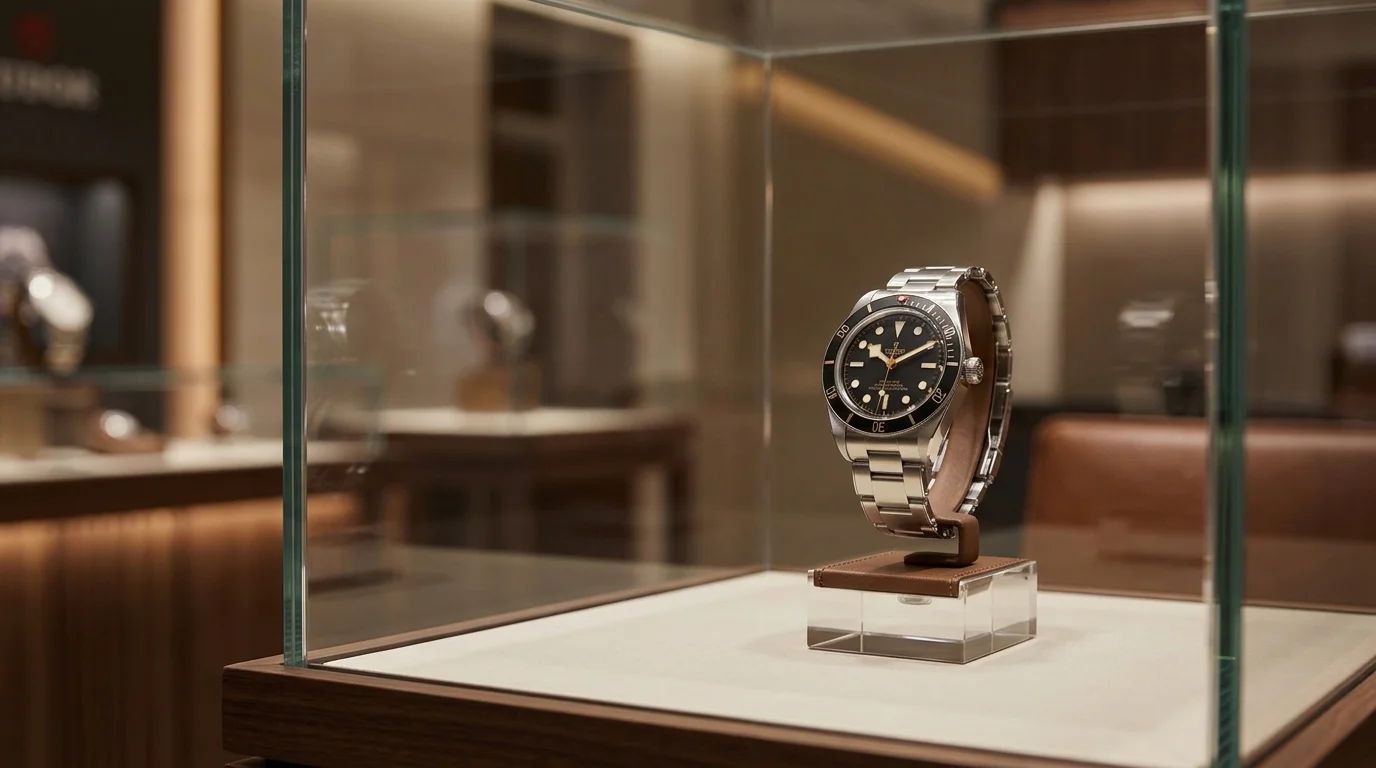 Retail prices already reflect the tariff. Brands rarely walk them back when the underlying cost eases.
Rolex raised U.S. prices roughly 7% in January 2026, its third increase in a single year, with gold models up about 9% and steel about 5.6%, a move widely reported across the watch press. Audemars Piguet and Tudor followed with their own increases. Stack record gold on top, and a gold Rolex now runs close to 20% above late-2024 money.
A tariff coming off does not put retail prices back. It changes the math on the next watch a brand ships, not the one already on the shelf.
Gold Is Moving Prices as Much as Policy
The tariff has a deadline. The metal does not.
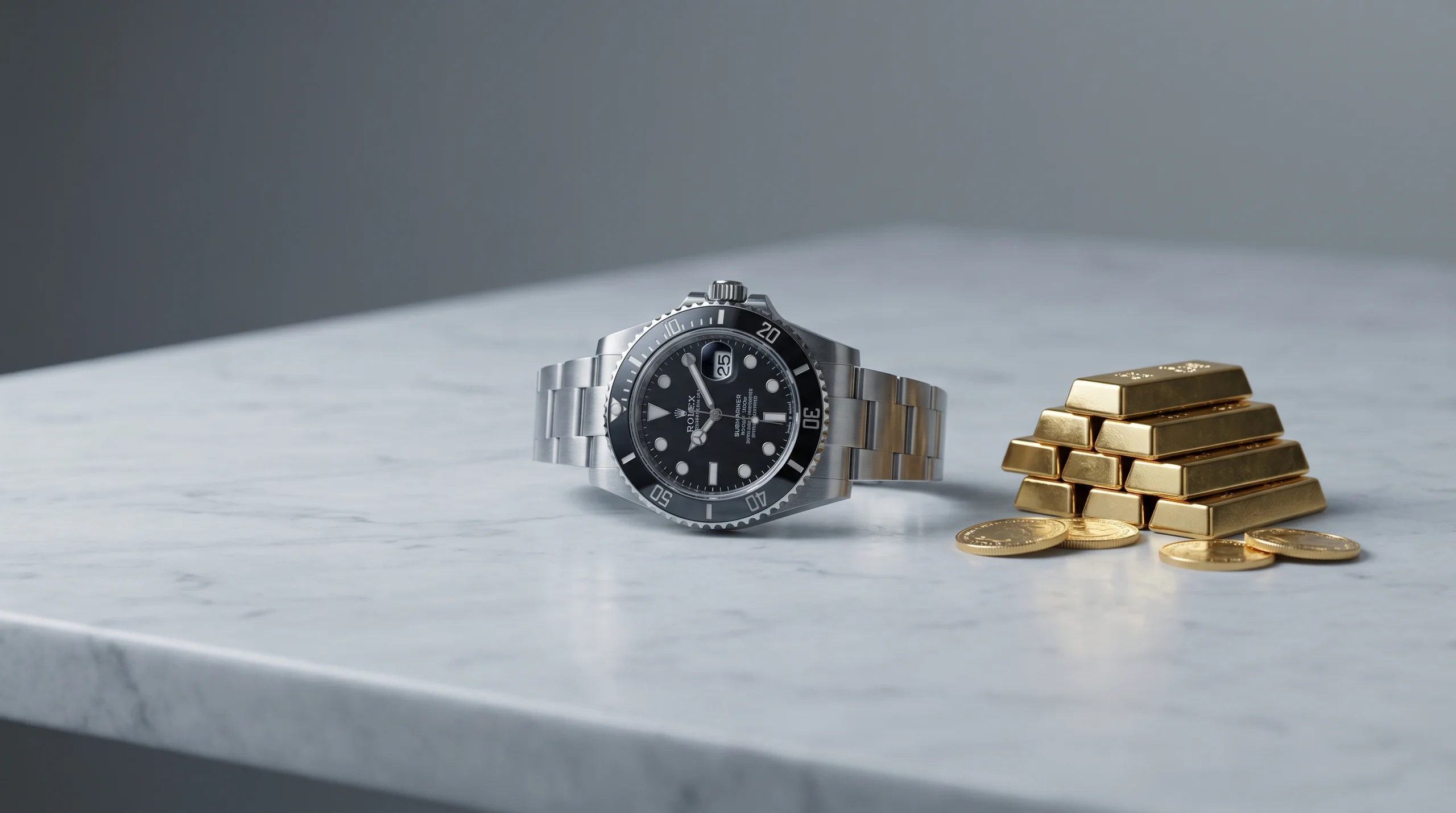 A steel sport watch beside gold. The metals market has moved watch prices harder than any single tariff this year.
Gold set a record earlier in 2026 before pulling back, and that swing has done more to gold-reference retail than any line in a trade proclamation. We walked through that opening in our note on the 18% gold correction and the buying window it opened. If you are pricing a gold watch, follow the spot chart at least as closely as the tariff calendar.
Why Pre-Owned Sits Outside This
Here is the part that matters most for how you actually buy.
A tariff is charged when a watch crosses the border. A watch already in the United States, or a domestic pre-owned piece changing hands here, is not re-tariffed when you buy it. The whole Section 122 and Section 301 question is really a question about newly imported inventory.
 A watch already living in the U.S. carries no fresh import cost when it sells. That is the pre-owned advantage in one frame.
That edge got sharper when the duty-free exemption for small international shipments ended for every country in 2025. Importing a cheaper watch from abroad yourself no longer skips the duty. Buying authenticated pre-owned from U.S. stock keeps the whole import question off your invoice.
What a Buyer Should Do Now
None of this is a push to rush. It is a map of the choices in front of you.
- Do not wait for a tariff-driven discount on new watches. It is not coming. The January hikes already tightened the pre-owned gap on steel sport Rolex, which we broke down in how the 2026 price increase closed the pre-owned Submariner gap.
- If you are buying new, weigh the direction of Section 301. A replacement rate above 10% makes the current window the cheaper one. A clean lapse makes waiting past July 24 the cheaper one. Nobody can promise which lands.
- For pre-owned, the timeline barely applies. Focus on the watch, the condition, and the seller. Our primer on the grey market covers what you trade away when you buy outside a brand's own network.
- Track gold as closely as policy. It has moved retail more than tariffs have this year.
- Buy from U.S.-based inventory if you want the import question off the table entirely.
The headline for July is a countdown, not a price cut. The surcharge that shaped a year of American watch buying runs out on July 24, and what follows is still being drafted in Washington. For anyone who would rather not bet on the outcome, a watch that already lives in this country is the cleanest way to step around the whole question.
Browse authenticated pre-owned Rolex at 5dwatches.com, where the number on the tag is the number, with no import-cost guessing game attached.
Frequently Asked Questions
When does the 10% Swiss watch tariff expire?
The Section 122 surcharge on Swiss watches expires July 24, 2026. The law caps a balance-of-payments surcharge at 150 days, the clock started February 24, 2026, and the President cannot extend it without Congress. No extension bill is currently moving.
Will watch prices drop when the tariff expires?
Do not count on it. 2026 retail already bakes the tariff in, and luxury brands rarely cut prices when a cost eases. A lapsing surcharge changes the math on the next watch a brand imports, not the one already sitting in the display case.
What replaces the Section 122 tariff on Swiss watches?
The administration has opened Section 301 investigations, timed to conclude in late July, and has called Section 122 a bridge to that tool. A Section 301 rate would be targeted by country and could land higher or lower than 10%. If nothing replaces it, only the normal base duty on mechanical watches remains.
Do tariffs apply to pre-owned watches bought in the US?
No. A tariff is charged when a watch crosses the U.S. border. A watch already in the country, sold pre-owned between U.S. parties, is not re-tariffed when you buy it. That is the quiet cost advantage of buying authenticated domestic pre-owned.
Should I buy a Swiss watch before July 24, 2026?
It depends on what comes next, which nobody can promise. If a Section 301 rate above 10% follows, the current window is cheaper. If the surcharge simply lapses, waiting is cheaper. Buying pre-owned from U.S. stock sidesteps the guessing game entirely.