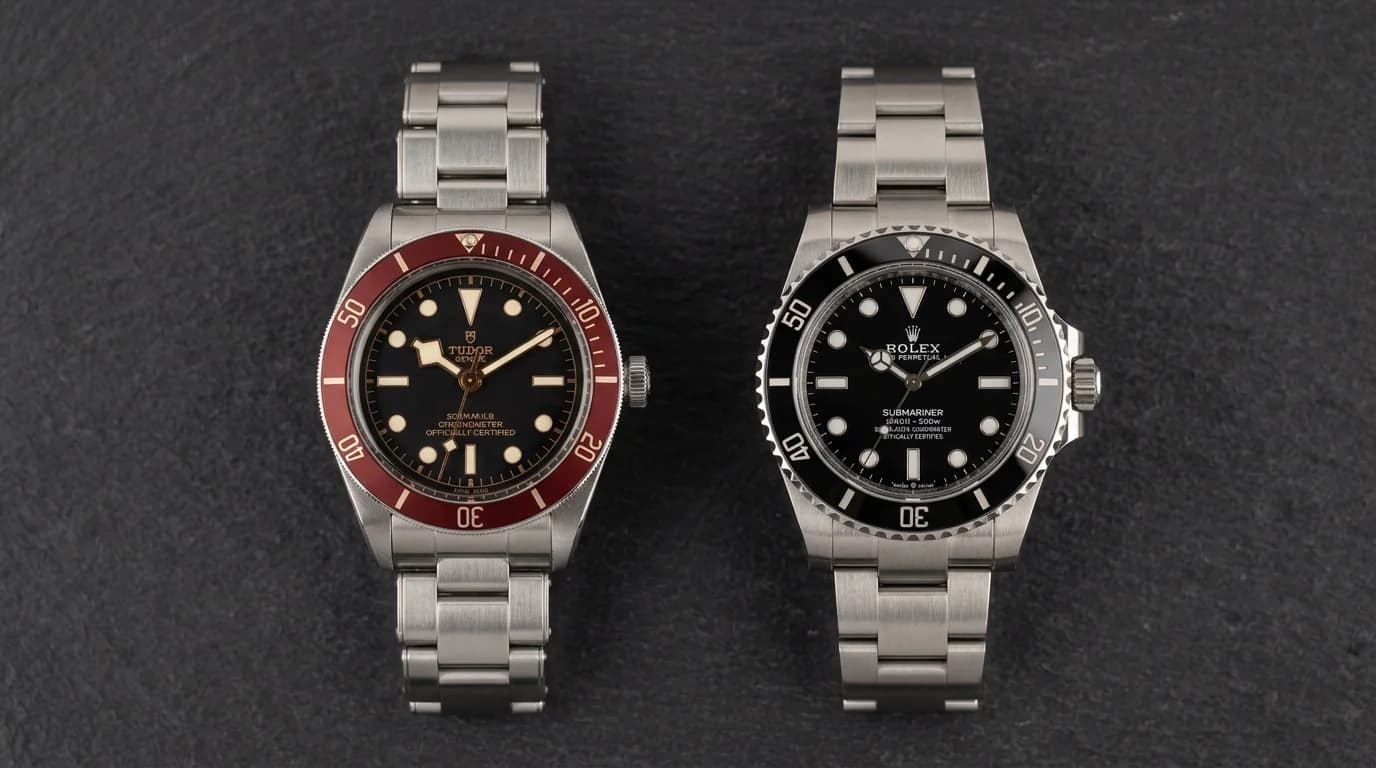
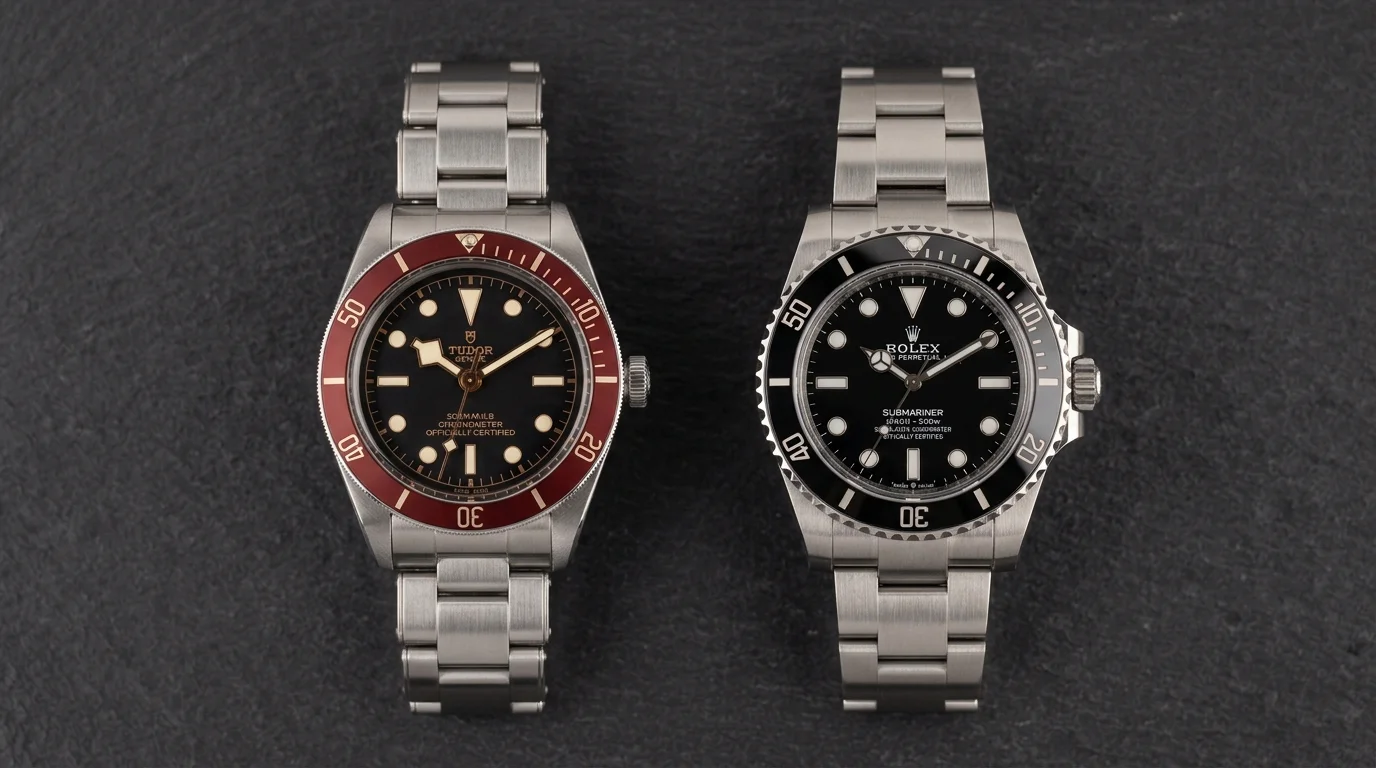
 Sibling companies under the same foundation, not a parent brand and its budget spinoff.
The Short Answer
No. Tudor does not use Rolex parts, and the two brands do not share a factory floor or a parts bin. What they do share is a founder, a corporate parent, and one specific patented technology. That is a real connection, but it is a much narrower one than most buyers assume.
Tudor and Rolex are both owned by the Hans Wilsdorf Foundation, which makes them sibling companies rather than a parent brand and its budget spinoff. Tudor cases, dials, and hands come from Swiss suppliers Rolex does not use, and Tudor's in-house movements are built at Kenissi, a manufacture Tudor helped establish in 2016 specifically because it did not have access to Rolex's own production lines.
Where the Myth Comes From
The confusion is understandable. Hans Wilsdorf founded Tudor in 1926 as a second, more affordable line under the same umbrella as Rolex, and for decades Tudor genuinely did run ETA movements, the same third-party Swiss movements dozens of other brands used, which made the "budget Rolex" label feel accurate.
That changed starting in 2015, when Tudor began rolling out real in-house movements of its own. The shift confused people in the opposite direction: if Tudor movements got that good that fast, buyers assumed Rolex must be quietly supplying the engineering. It is not.
Kenissi: Tudor's Actual Manufacture
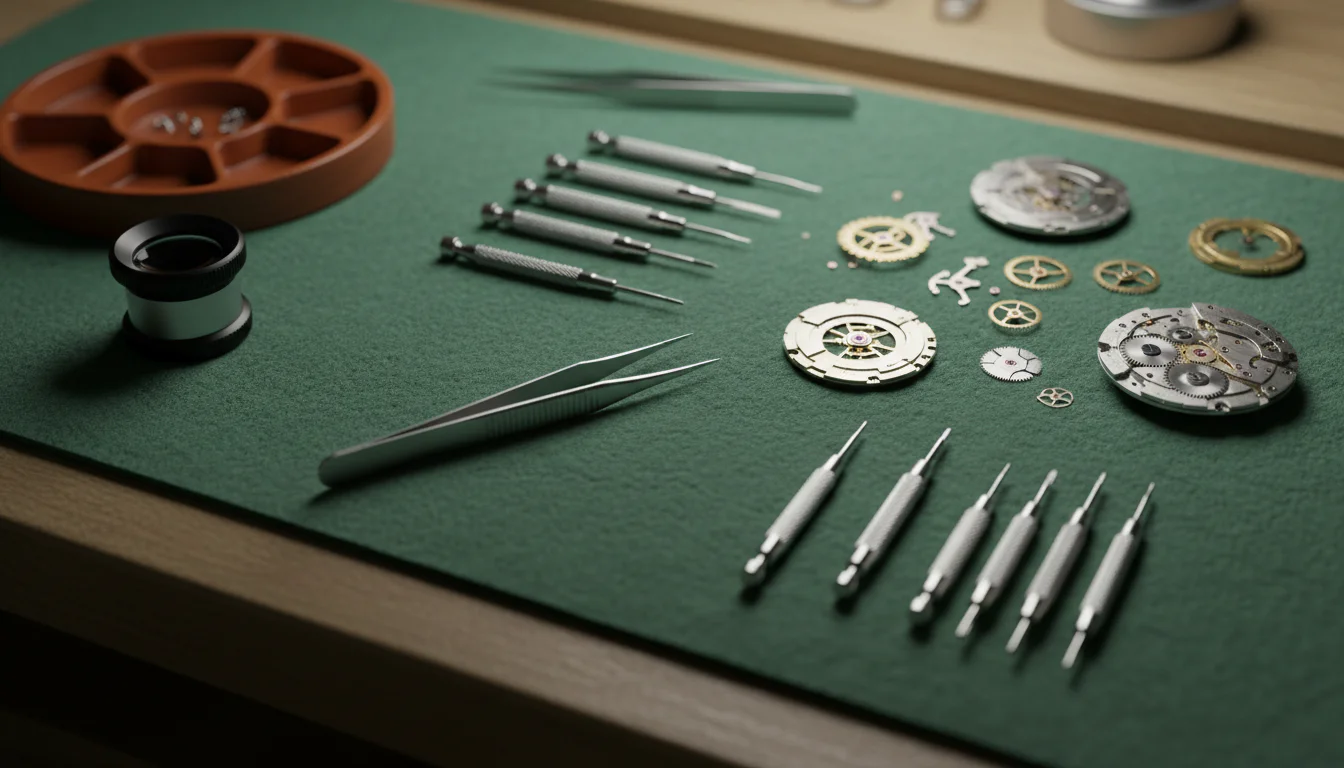 Kenissi builds its own blanks and oscillators through affiliated companies, not Rolex's production lines.
Tudor's in-house calibers, the MT5402, MT5602, MT5813, and the rest of the family, come out of Kenissi, a manufacture founded in 2016 with Tudor as the driving force behind it. Chanel bought a 20 percent stake in Kenissi in 2018, and Kenissi has since gone on to supply movements to other brands entirely outside the Rolex-Tudor family, including Breitling and Norqain.
That last fact alone settles the parts question. A component supplier owned in part by Chanel and selling movements to Breitling is not a back door into Rolex's factory. Kenissi builds its own blanks through an affiliated company called EMP and its own oscillators through Kenitec. There is no shared production line for cases, dials, or movement components between Tudor and Rolex.
The One Real Technical Link
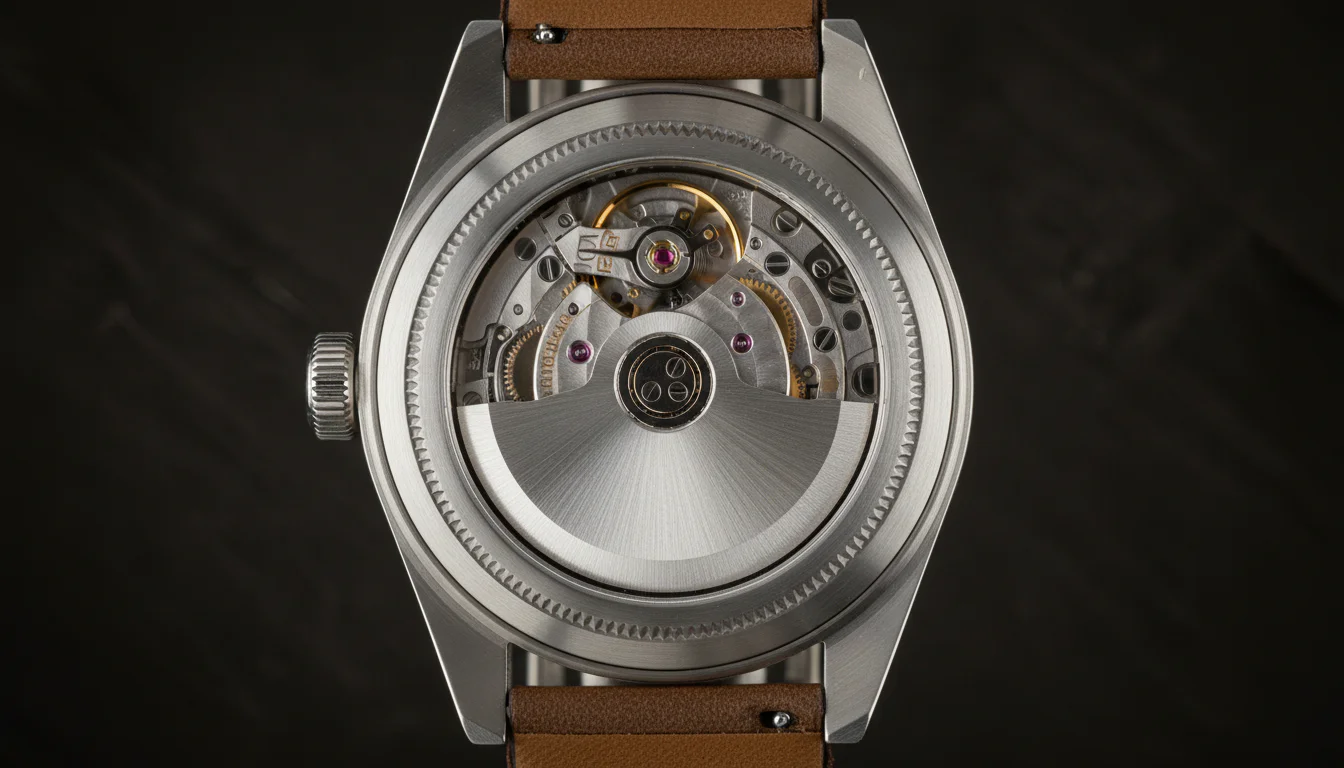 A Tudor movement, built entirely by Kenissi, visible through the sapphire caseback.
There is exactly one place where the two brands' engineering genuinely overlaps: silicon hairsprings. Silicon hairspring technology is protected by patents held by a small consortium that includes Rolex, Patek Philippe, and the Swatch Group. As a Wilsdorf Foundation sibling brand, Tudor gets access to that patented technology in some of its movements. Independent third-party brands outside that consortium cannot license it.
That is a real, legitimate connection, and it is worth knowing about. It is also the full extent of it. It is not shared cases, shared dials, shared bracelets, or a Rolex engineer moonlighting on Tudor's movement team.
Why This Distinction Actually Matters to a Buyer
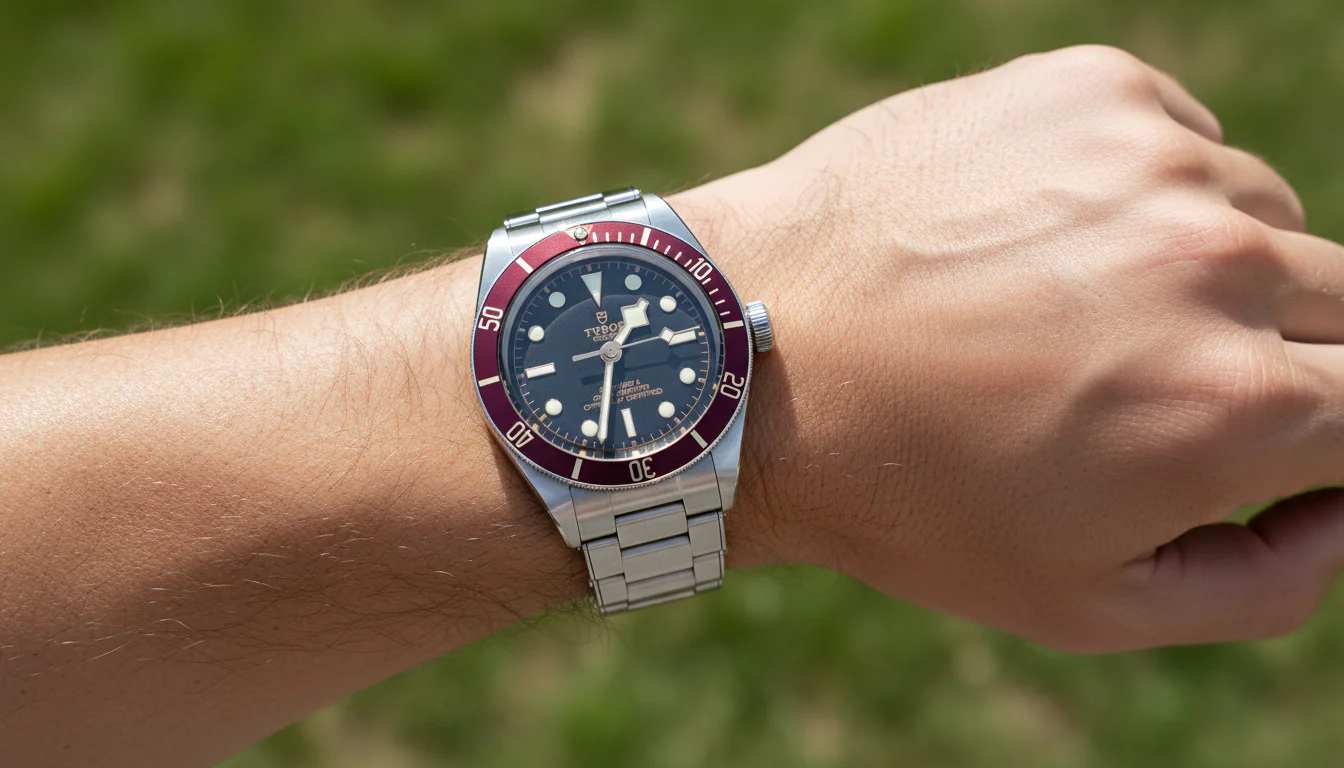 A Tudor watch needs Tudor-specific parts, serviced through Tudor's own network.
If Tudor genuinely ran on leftover Rolex parts, a service center could theoretically treat the two interchangeably. It cannot. Tudor watches need Tudor-specific parts, serviced through Tudor's own network, and a Rolex-authorized service center has no special access to Tudor components or vice versa.
It also matters for how you think about value. Tudor is not a discounted Rolex wearing a different dial. It is a genuinely separate manufacture that happens to share a founder, a corporate parent, and one patented spring technology with the biggest name in watchmaking. The Black Bay's MT5602 movement was engineered by Kenissi's own team, tested to Tudor's own chronometer standard, and would exist exactly as it does even if Rolex had never made a single Submariner.
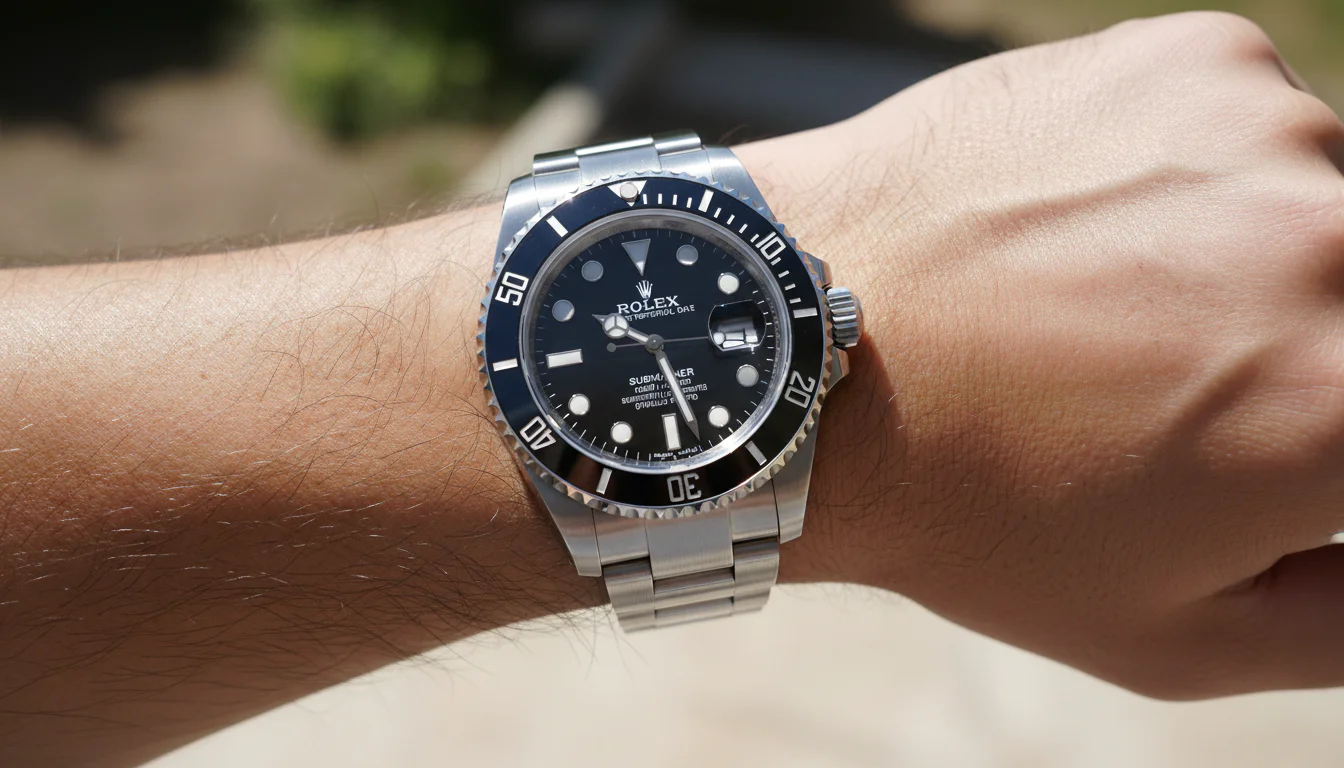 Rolex builds nearly all of its own components in-house, on a completely separate production line from Tudor.
What Actually Is Shared
Beyond the hairspring patent, the real shared ground between the two brands is corporate and cultural rather than mechanical. Both operate under the same non-profit ownership structure, both share Hans Wilsdorf's original conservatism around marketing and distribution, and both benefit from the same authorized-dealer network philosophy, no direct-to-consumer online sales, controlled allocation, and a similar approach to protecting resale value through scarcity.
None of that involves parts crossing between the two factories. It is a shared corporate philosophy, not a shared parts bin.
FAQ
Does Tudor use Rolex movements?
No. Tudor's modern in-house movements are built by Kenissi, a manufacture Tudor helped establish in 2016. Older Tudor models ran third-party ETA movements, never Rolex ones.
Is Tudor owned by Rolex?
Both brands are owned by the Hans Wilsdorf Foundation, making them sibling companies under the same non-profit structure rather than a traditional parent and subsidiary.
What is the one real technical connection between Tudor and Rolex?
Silicon hairspring technology. It is protected by a patent consortium that includes Rolex, Patek Philippe, and the Swatch Group, and Tudor gets access as a Wilsdorf Foundation sibling brand.
Can a Rolex service center repair a Tudor watch?
No. Tudor watches are serviced through Tudor's own authorized network with Tudor-specific parts, not Rolex's service infrastructure.
Does Kenissi only make movements for Tudor?
No. Kenissi also supplies movements to other brands outside the Rolex-Tudor family, including Breitling and Norqain, which is part of why it cannot be considered a Rolex parts pipeline.