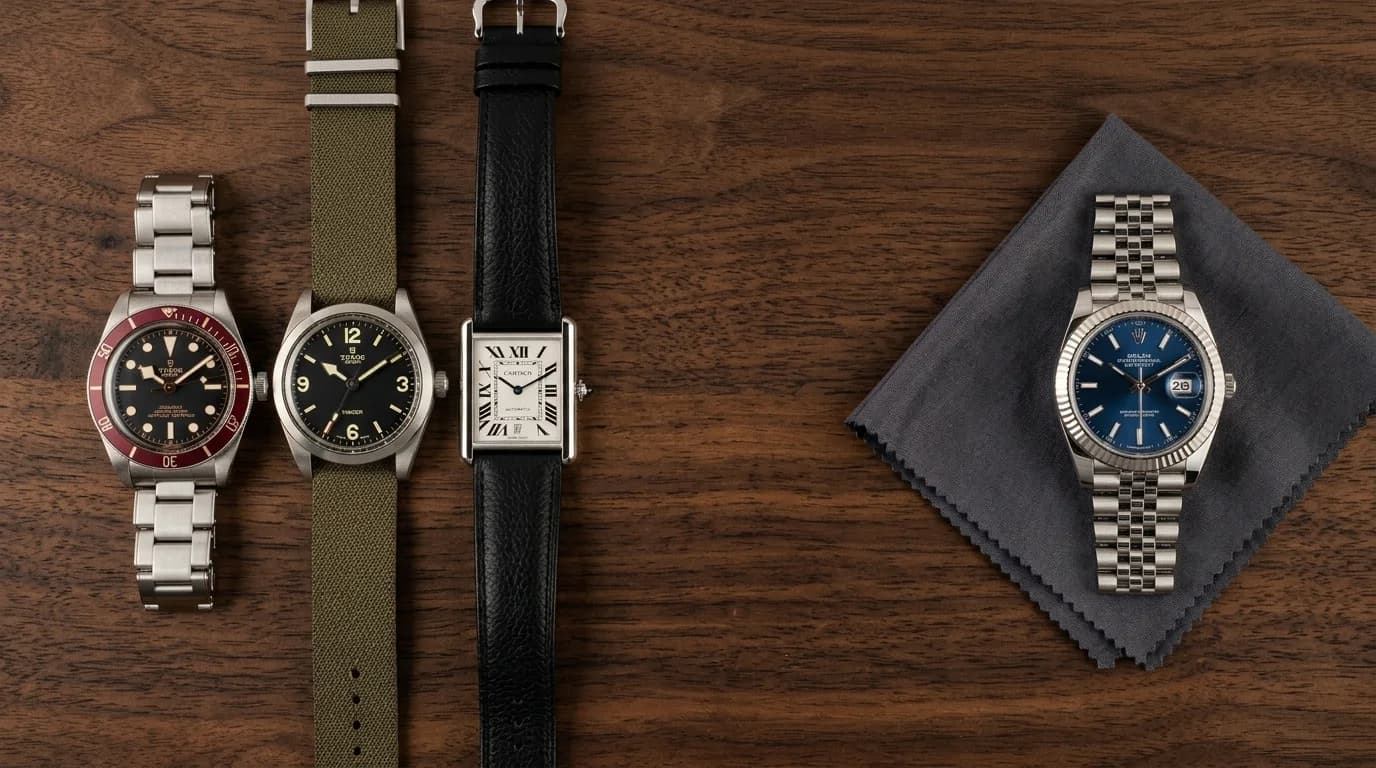
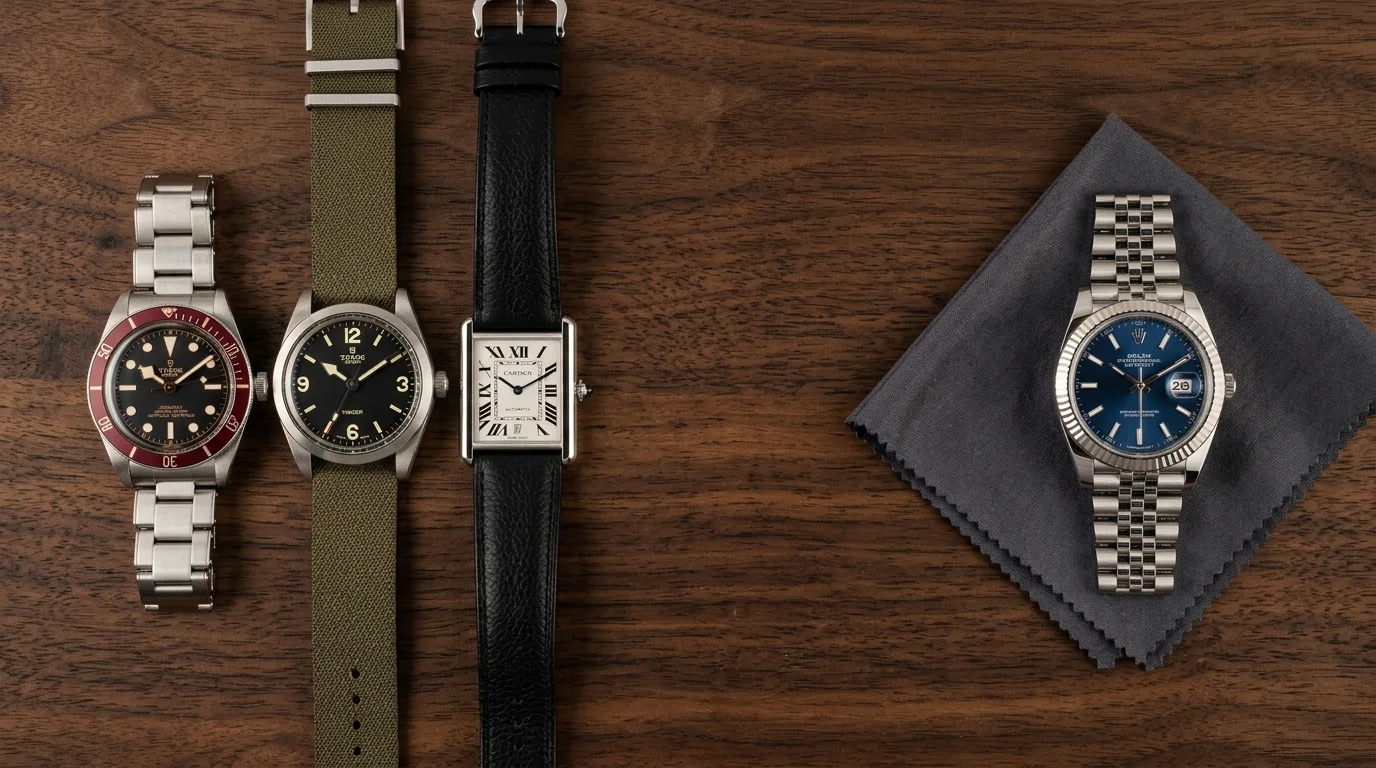
 A small rotation versus one well-chosen watch. Both are legitimate ways to collect, if you pick the one that actually fits you.
The Short Answer
Neither approach is wrong, but most people default to the wrong one for their actual goals. If you want to wear a different watch every day and enjoy variety, three or four watches in the $2,000 to $5,000 range will serve you better than stretching for one $15,000 piece. If you want something that holds value, gets worn for decades, and gets handed down, one well-chosen watch at a real price point beats a drawer of watches you bought because they were affordable.
The mistake is buying a stack of cheap watches because an expensive one felt out of reach, and calling it a collection instead of what it actually is: a compromise repeated four times.
Why This Debate Never Actually Settles
Every watch forum has a version of this thread, and it never resolves, because both camps are answering different questions. The one-watch camp is optimizing for quality, resale, and long-term ownership. The multiple-watch camp is optimizing for variety, use-case coverage, and not feeling boxed into one look every single day.
Neither side is lying about what makes them happy. The actual failure mode is buying into the wrong camp for who you are.
The Case for One Expensive Watch
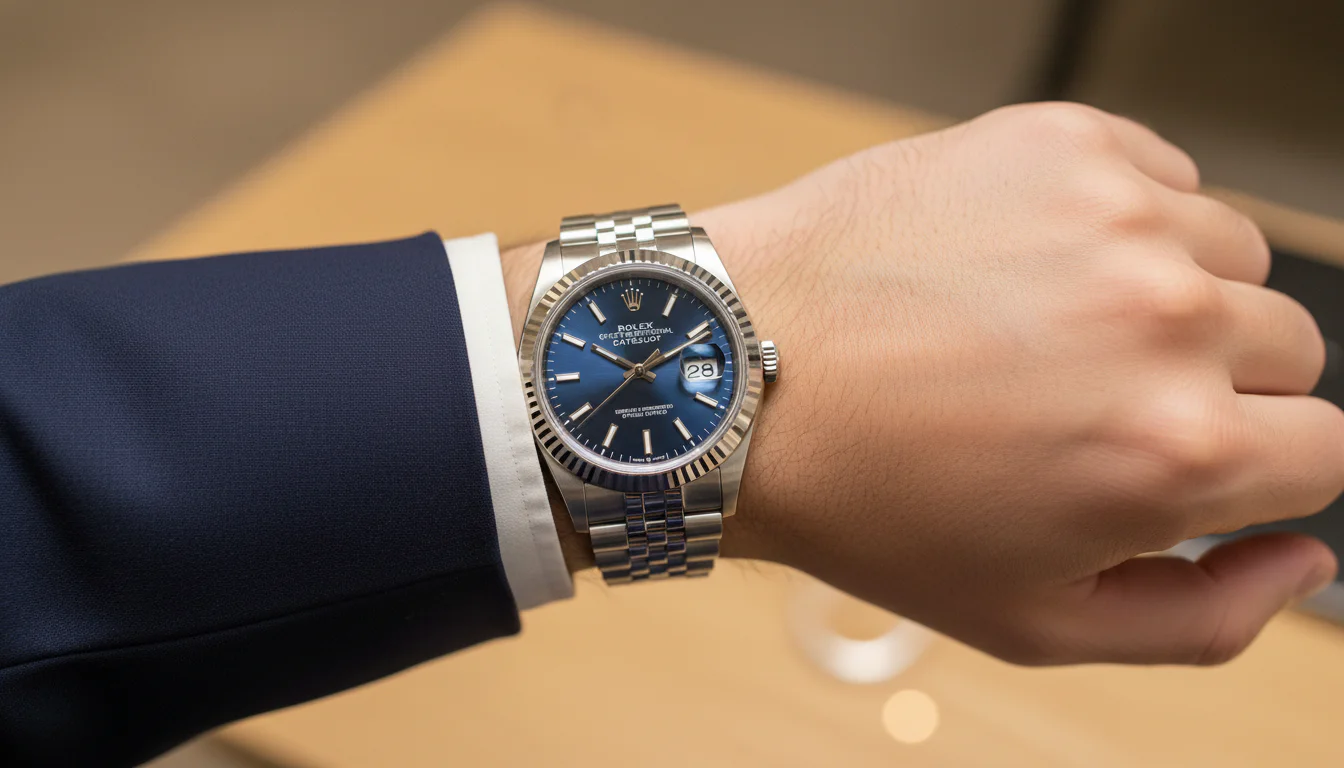 One watch that works everywhere removes the daily decision of which watch to wear.
A single watch at $8,000 to $15,000 typically means a real Swiss manufacture movement, in-house or otherwise, better finishing, and a bracelet or strap system that will not wear out in three years. It is also the version of watch ownership that actually holds value. A Rolex Datejust or Submariner bought new and worn carefully will likely sell for close to or above what you paid. A stack of four $2,500 watches almost never adds up to that math.
There is a psychological case too. One really good watch that fits every situation, from the office to a wedding to a dive trip, removes the daily decision of "which watch today" entirely. Some people find that decluttering effect genuinely improves how much they enjoy the one watch they do own.
The Case for a Few Cheaper Watches
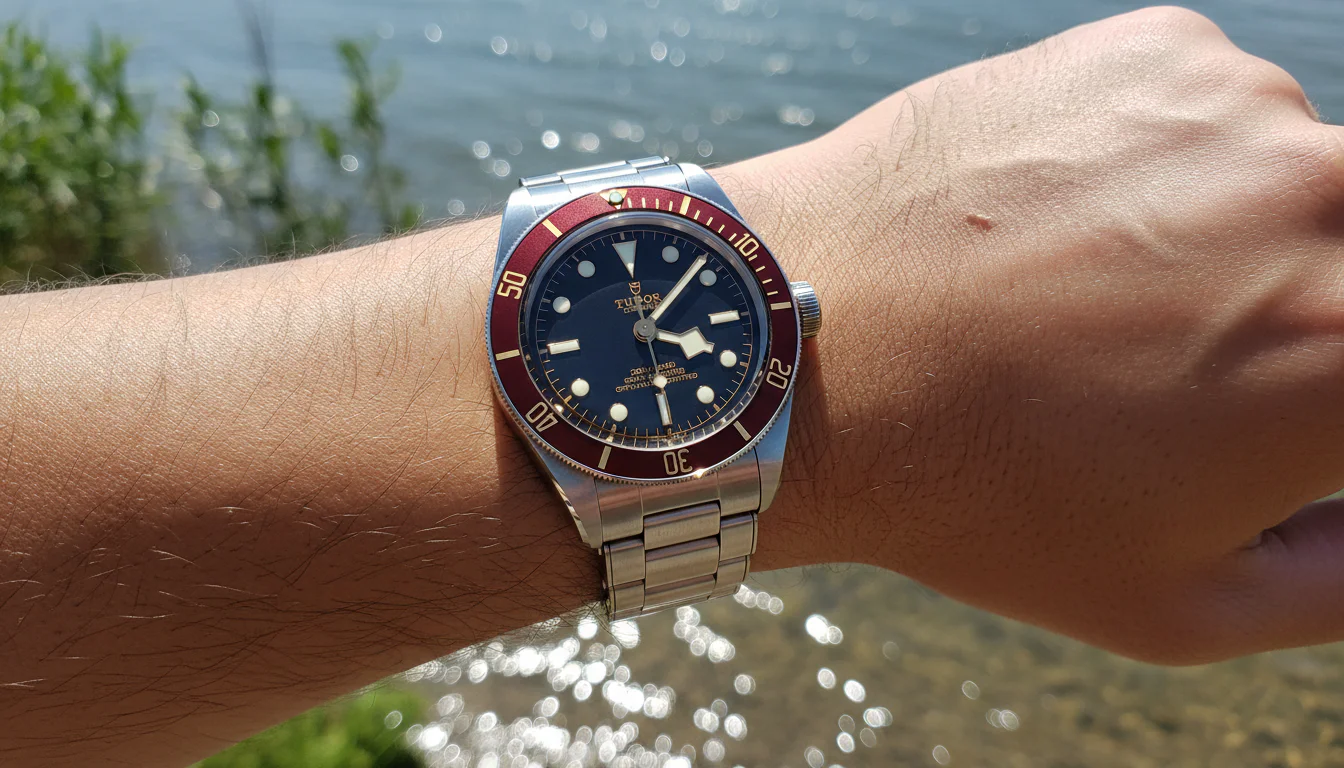 A dive watch, a dress watch, and a field watch cover three genuinely different jobs.
Variety has a real value that spreadsheets miss. A diver for the pool, a dress watch for a wedding, and a field watch for everyday wear cover three genuinely different jobs that one watch cannot do equally well. A Tudor Black Bay 58 does not work as a black-tie dress watch, and a thin Cartier Tank does not want to go anywhere near a pool.
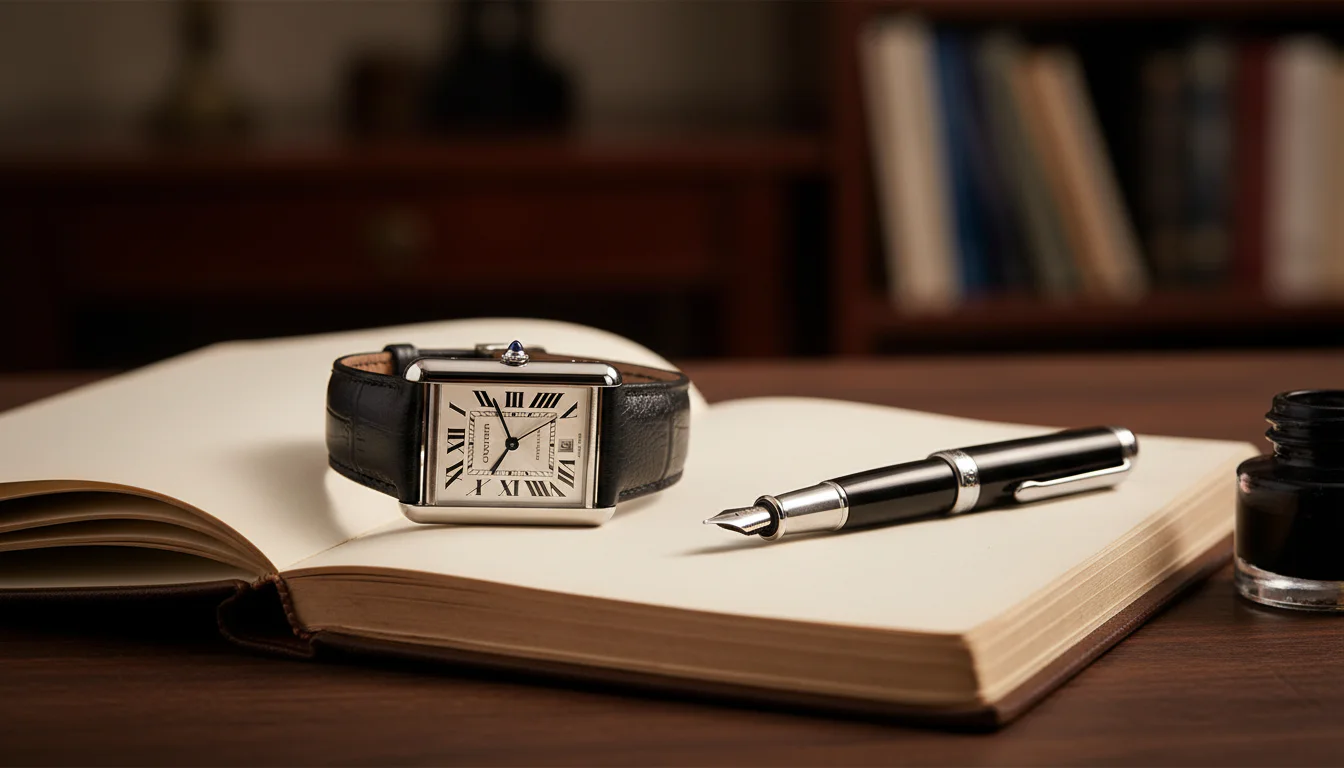 The Tank Must covers a job the dive watch and field watch never will: black tie.
Multiple cheaper watches also let a newcomer learn what they actually like before committing serious money to one piece. Someone who has never owned a mechanical watch has no real basis to know whether they will prefer a 36mm dress watch or a 41mm sports watch until they have worn both for a while.
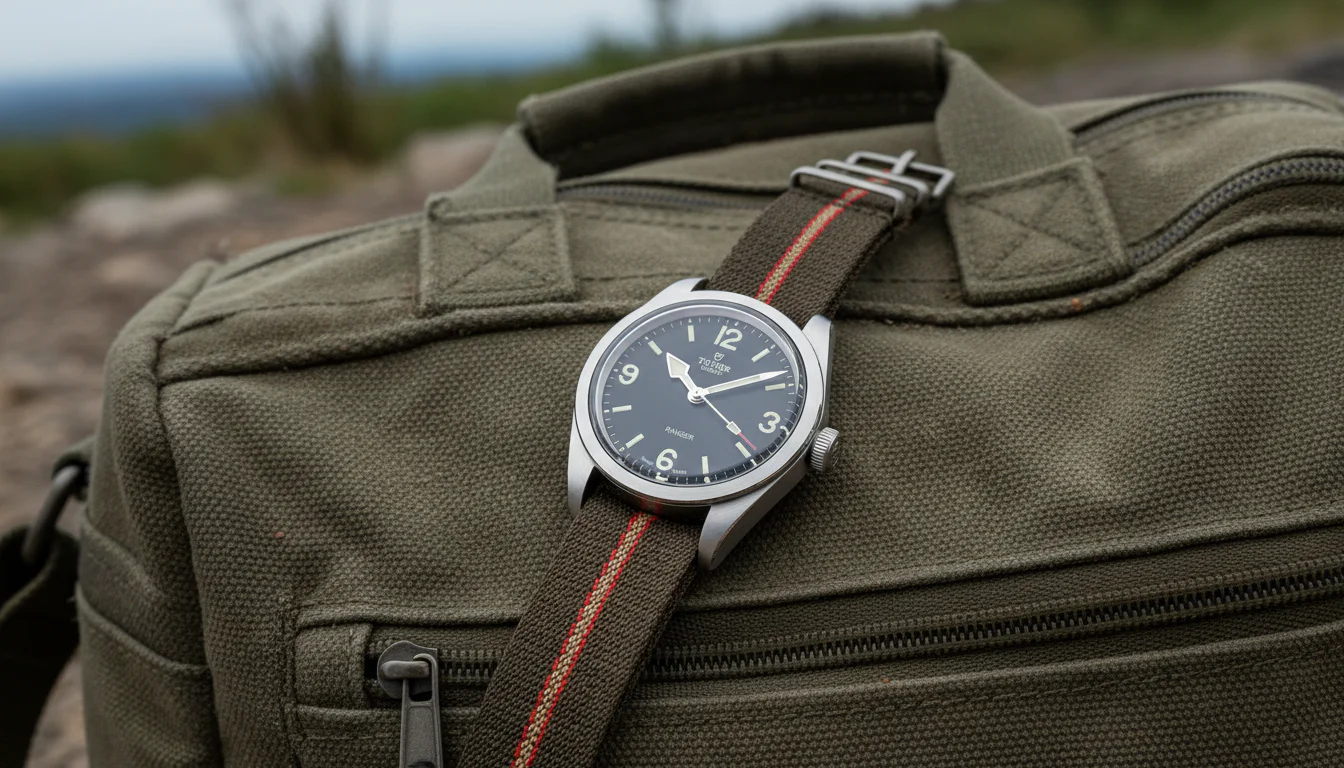 The Ranger fills the third seat: an everyday field watch that shrugs off scuffs the other two can't.
Where the Real Trap Is
The actual mistake is not choosing quantity over quality or vice versa. It is buying multiple watches purely because none of them individually felt like "enough," without ever stepping back to ask whether one better watch would have served the same wardrobe need for similar total money.
Four watches at $2,500 each is $10,000 spent. A single Tudor Black Bay 58 GMT or a pre-owned Rolex Datejust sits in almost exactly that range, brand new or gently used, and either one will still be worth wearing and worth money in ten years. Three of those four cheaper watches, in most cases, will not.
A Simple Framework
Ask three questions before buying watch number two, three, or four instead of upgrading watch number one.
Does the new watch do a genuinely different job than what you already own? A dive watch and a dress watch are different jobs. Two different steel sports watches at the same price point are not.
Would the combined price of the watches you are considering actually buy one meaningfully better watch? If four watches at $2,500 add up to $10,000, price out what $10,000 buys as a single purchase before deciding.
Are you buying variety, or are you buying because the good one felt unreachable? These produce very different collections, and only one of them tends to leave people satisfied five years later.
What We See Across Both Buyer Types
Buyers who go the one-watch route tend to spend more time researching before the purchase and less time second-guessing after it. Buyers who build a small rotation tend to enjoy the process itself more, and are more likely to keep buying and trading over the years rather than settling into one piece.
Both are legitimate ways to own watches. The unhappy outcome, in our experience across both new collectors and long-time clients, is the buyer who ends up with three or four watches that individually would not have been worth buying on their own, purchased in sequence because none of them alone felt satisfying.
FAQ
Is it better to buy one expensive watch or several cheaper ones?
It depends on whether you value variety or long-term value retention more. One well-chosen watch in the $8,000 to $15,000 range tends to hold value better than several $2,000 to $3,000 watches combined, but multiple watches cover more use cases day to day.
What is the biggest mistake people make when building a small collection?
Buying a new watch because the previous one did not feel like "enough," rather than because it fills a genuinely different role. That pattern tends to produce a drawer of watches that individually would not have been worth buying.
Does owning multiple cheap watches ever make financial sense?
Yes, when each watch fills a different real use case, like a dive watch, a dress watch, and a field watch. It stops making sense when the watches are all similar sports watches at similar price points bought for variety alone.
How do I decide if I am a one-watch person or a collector?
If choosing which watch to wear each day sounds appealing, you are likely a collector. If it sounds like friction you would rather not deal with, a single well-chosen watch usually fits better.
Does a single expensive watch actually hold value better than several cheaper ones?
Generally yes. Established references from brands like Rolex and Tudor have a track record of holding value at a level that most watches under $3,000 do not match, dollar for dollar.