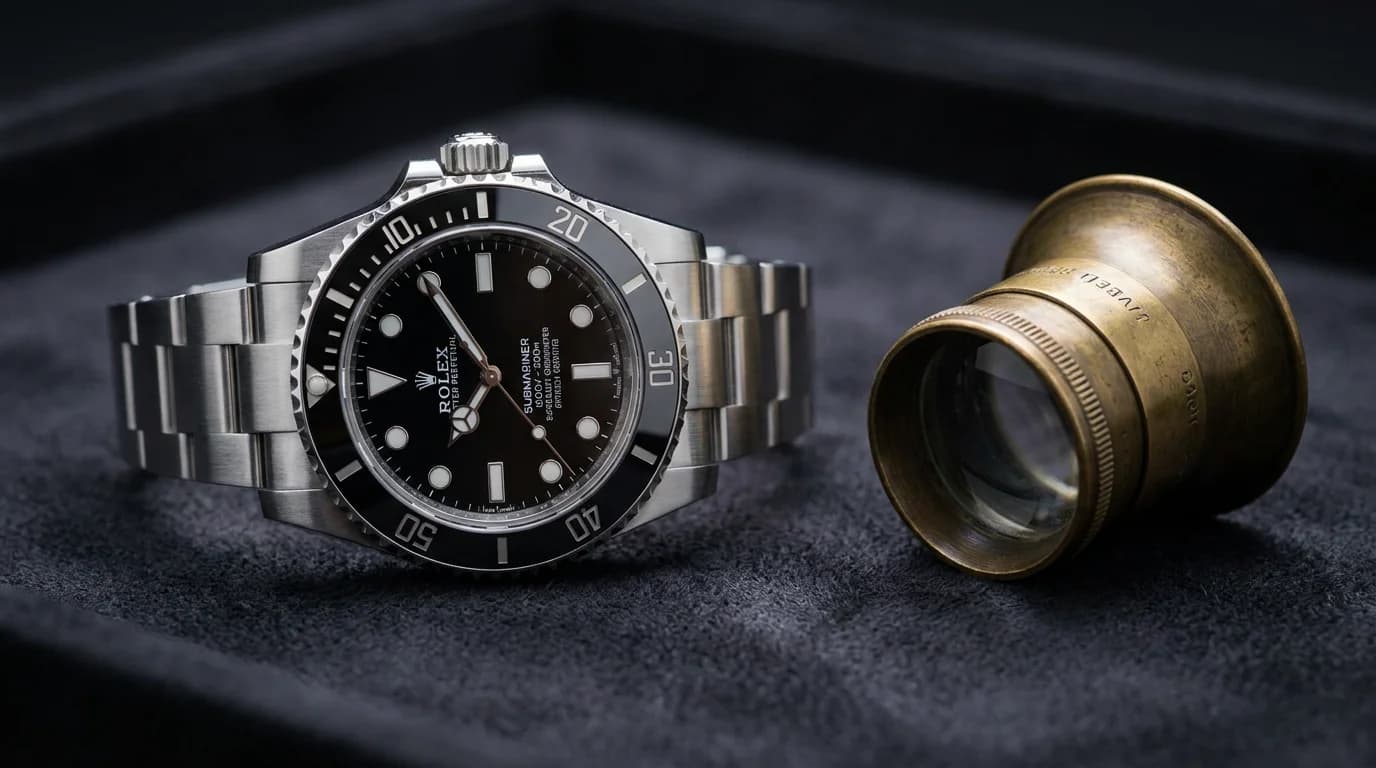
Most people find out their watch was not actually insured the day they need it to be. A $12,000 Submariner sitting in a jewelry box is usually covered by a homeowners policy for somewhere between $1,500 and $5,000, if it is covered at all against theft outside the home. The gap between what you assume and what is actually written into your policy is where most collectors get burned.
This post includes AI-generated images built from real reference photography of the watches discussed, verified by our team for accuracy before publishing.
The short answer
A standard homeowners or renters policy caps jewelry and watch coverage at a low sub-limit, often $1,500 to $5,000, and frequently excludes accidental damage entirely. To actually protect a luxury watch, you need either a scheduled personal property rider added to that policy or a standalone specialty policy, both written on an agreed value basis so a claim pays the full stated value with no depreciation argument. Expect to pay roughly 1 to 2% of the watch's appraised value per year, and expect to need a professional appraisal for anything over about $5,000.
Not sure whether coverage is even worth it for your watch? See our companion piece on whether you actually need watch insurance for the cost-benefit math before you go through the steps below.
 A professional appraisal is the document everything else in this guide depends on. No appraisal, no agreed value coverage.
Why your homeowners policy is not enough
Homeowners and renters policies bundle jewelry and watches into a personal property sub-limit, and that sub-limit is small on purpose. Insurers write it assuming a policyholder owns a few hundred dollars in costume jewelry, not a $30,000 chronograph.
The sub-limit problem: Standard policies typically cap jewelry claims at $1,500 to $5,000 total, across everything you own. One watch can eat the entire limit.
The exclusion problem: Even within that limit, many standard policies only cover theft, not accidental damage, mysterious disappearance, or loss. Drop a watch off a dock and a standard policy may pay nothing.
The depreciation problem: Without an agreed value endorsement, a standard policy pays actual cash value, meaning the insurer subtracts depreciation from whatever they decide the watch was worth. On a watch that has appreciated since purchase, this can badly shortchange you.
The fix: a rider or a standalone policy
You have two real options once you decide to properly insure a watch.
Scheduled personal property rider: Added to your existing homeowners or renters policy for an additional premium. The watch is listed by reference number and appraised value, and it is covered at that full value with no deductible on most riders.
Standalone specialty policy: A separate policy dedicated to jewelry and watches, independent of your home insurance. Typically starts around $70 per year and also runs 1 to 2% of appraised value annually.
Neither option is objectively better. A rider is simpler if you already have solid homeowners coverage. A standalone policy makes sense if you rent, do not carry homeowners insurance, or want coverage that survives a change of address without a hiccup.
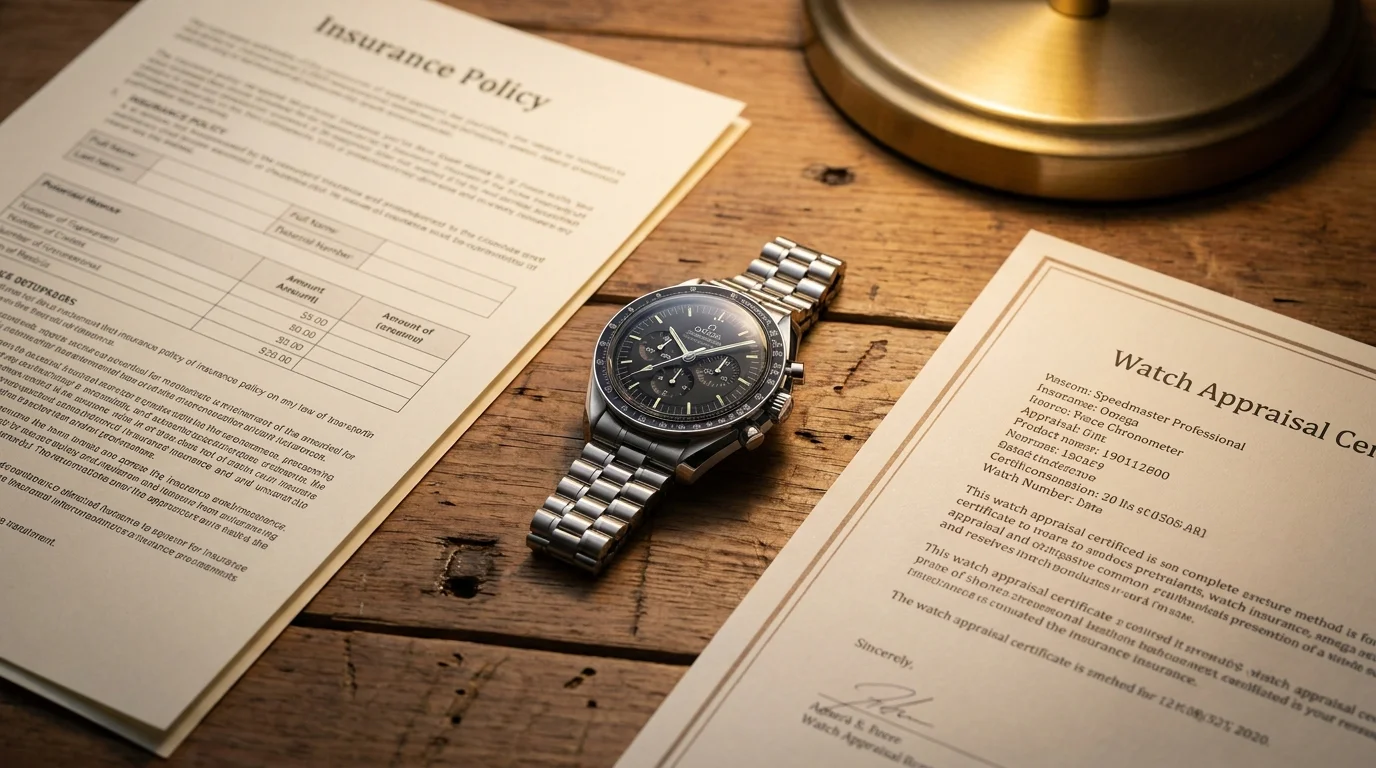 The appraisal certificate and the policy documents. Both need to exist before a claim, not after.
Agreed value vs actual cash value
This distinction decides what you actually get paid, and it is worth understanding before you sign anything.
Agreed value: The insurer and policyholder agree on a dollar figure in advance, backed by an appraisal. If the watch is lost or stolen, the policy pays that full figure. No argument about depreciation, no lowball counteroffer.
Actual cash value: The insurer pays what they determine the watch is worth at the time of loss, minus depreciation. This is standard on most unmodified homeowners policies and is where collectors lose the most money.
For any watch worth more than roughly $5,000, agreed value coverage is worth the extra step of getting an appraisal. It eliminates the single biggest source of claim disputes.
What documentation you actually need
An insurer cannot pay out on a watch it cannot verify existed. Build this file before you need it, not after.
- Professional appraisal: From a certified appraiser, updated every 12 to 18 months for actively traded references, since market values move.
- High-resolution photos: Front, back, case sides, the case back with the serial number visible, and the full set with box and papers.
- Original purchase documentation: Receipt, invoice, or a bill of sale that establishes when and where you bought it.
- Service records: Any authorized service center paperwork, since it supports both authenticity and condition.
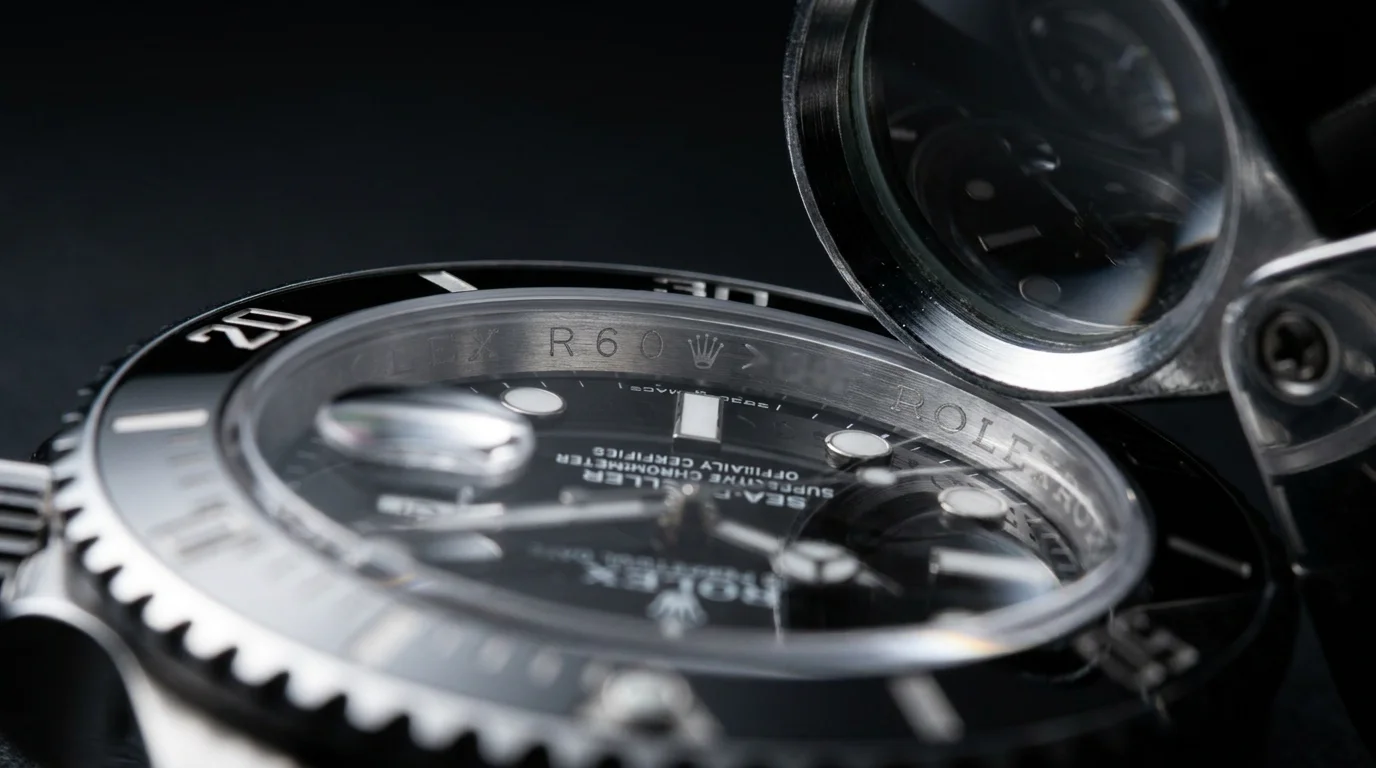 The case back serial number is one of the first things an appraiser records and one of the first things an insurer checks against your file.
What triggers a coverage review
Do not treat your policy as a one-time purchase. A handful of moments should send you back to your insurer.
After a new acquisition: Add it to the schedule before you wear it out of the store, not after.
After a significant market move: If a reference's value climbs more than roughly 15% since your last appraisal, the old figure is stale and underinsures you.
Before international travel: Some policies exclude losses that happen outside your home country. Confirm coverage territory before a trip, not from a hotel room after something goes missing.
After servicing: A watch returning from an authorized service center is a natural moment to refresh documentation.
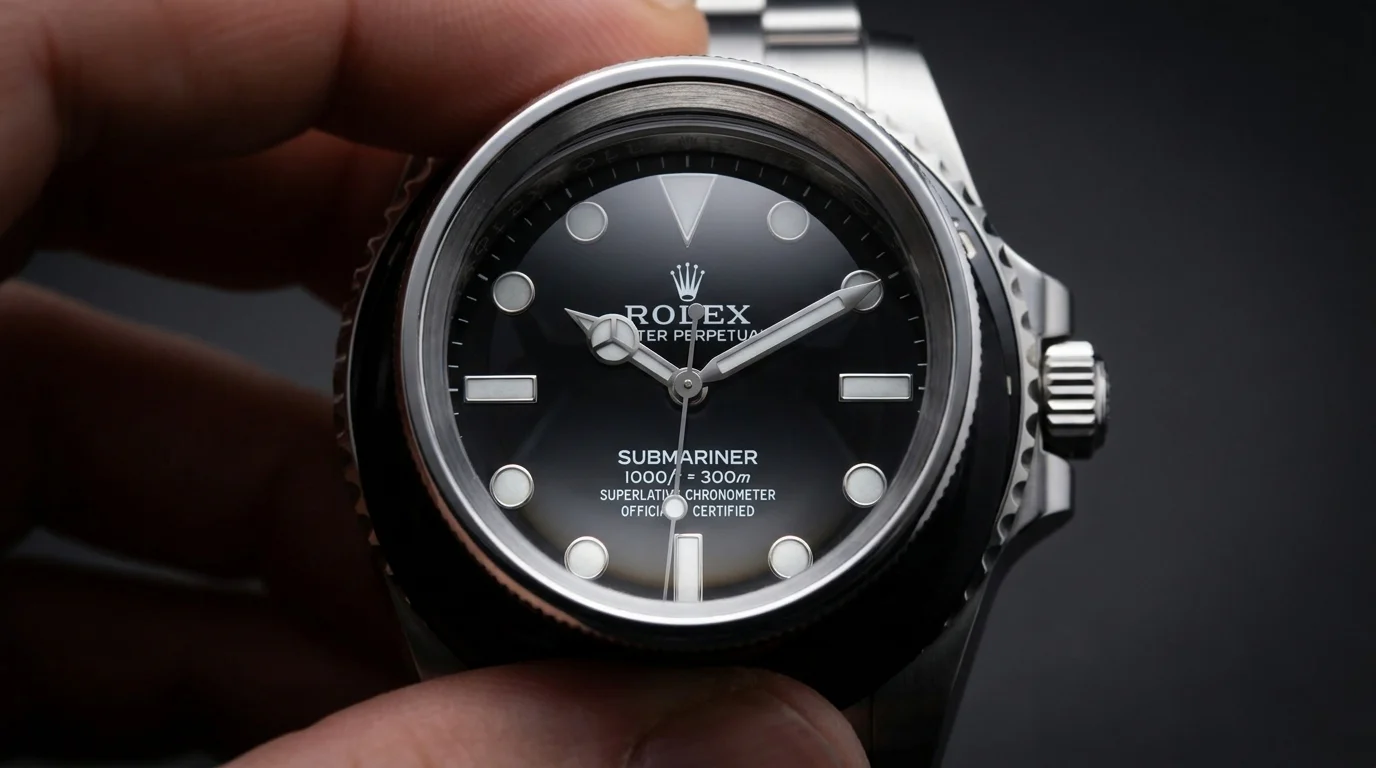 Every trigger above leads back to the same loupe. Reappraisal is not paperwork for its own sake, it is what keeps the agreed value number honest.
What actually happens when you file a claim
Most claim denials or disputes come down to timing and paperwork, not bad luck.
Report quickly: Most policies require notification within 30 to 72 hours of discovering a loss. Waiting a week to report a theft is a common, avoidable mistake.
Have the file ready: Appraisal, photos, and purchase records should already exist. Assembling them for the first time during a claim slows everything down and invites scrutiny.
Know your payout basis: Agreed value claims move faster because the number is already settled. Actual cash value claims can turn into a negotiation over what the insurer thinks depreciation looks like.
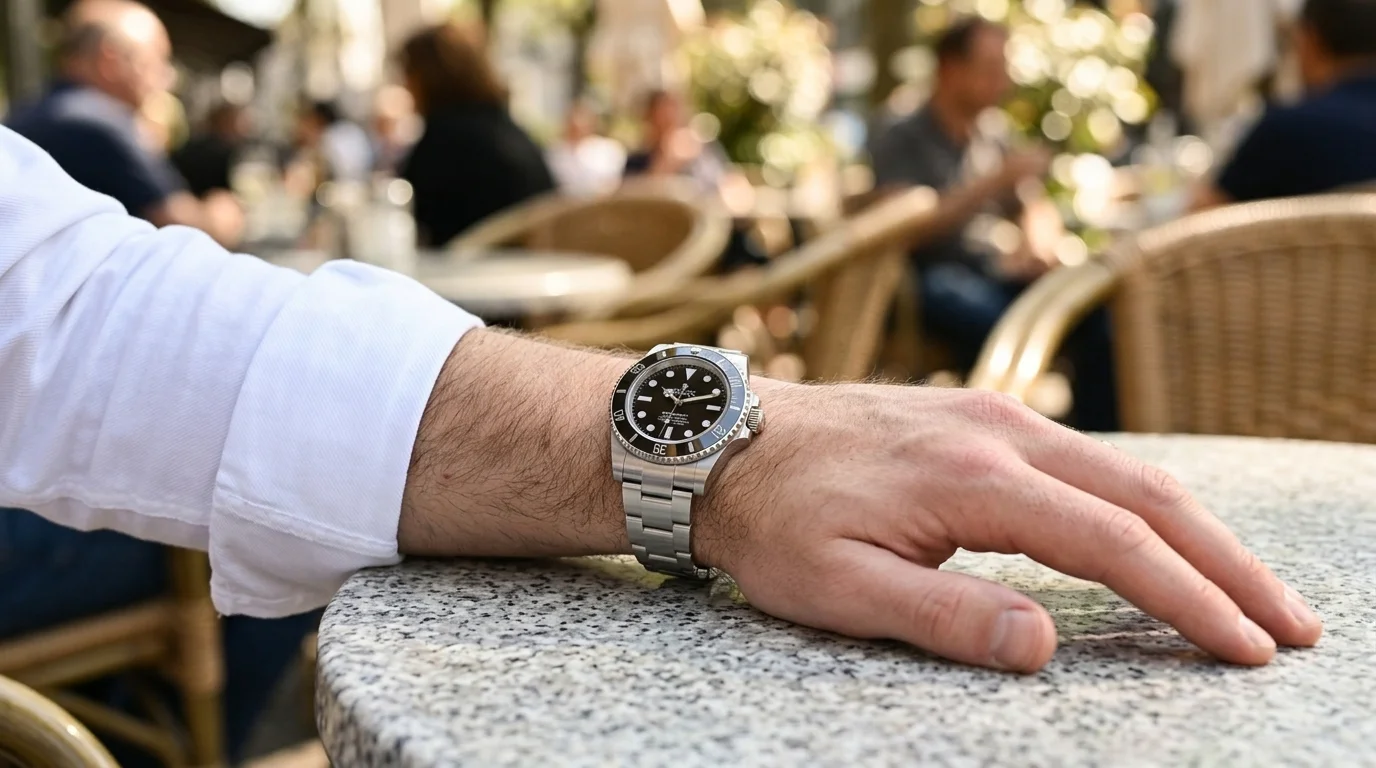 Properly insured means actually wearing the watch instead of leaving it in a safe out of fear of what happens if something goes wrong.
Rider vs standalone policy at a glance
| Scheduled rider | Standalone policy | |
|---|---|---|
| Attached to | Existing homeowners/renters policy | Independent, no home policy needed |
| Typical cost | ~1-2% of appraised value per year | ~1-2% of appraised value per year, from ~$70 |
| Deductible | Often none on the scheduled item | Varies by provider |
| Best for | Collectors with strong existing home coverage | Renters or those without homeowners insurance |
| Appraisal required | Usually above $5,000 | Usually above $5,000 |
FAQ
Does homeowners insurance cover a luxury watch?
Only partially. Most homeowners policies cap jewelry and watch claims at a sub-limit of $1,500 to $5,000 and may exclude accidental damage. A watch worth more than that sub-limit needs a scheduled rider or a standalone policy to be properly covered.
How much does it cost to insure a luxury watch?
Specialty watch insurance typically runs 1 to 2% of the watch's appraised value per year. A $10,000 watch generally costs $100 to $200 annually to insure.
Do I need an appraisal to insure my watch?
Most insurers require a professional appraisal for watches valued at $5,000 or more to write agreed value coverage. Below that threshold, a detailed description is often sufficient.
What is the difference between agreed value and actual cash value coverage?
Agreed value pays the full pre-determined amount with no depreciation dispute. Actual cash value pays what the insurer determines the watch is worth at the time of loss, minus depreciation, and is the more common default on unmodified policies.
How often should I update my watch's insurance appraisal?
Every 12 to 18 months for actively traded references, and immediately after any acquisition, significant market move, or return from servicing.
Related reading
Not sure insurance is even worth it for your watch? Start with Do You Need Watch Insurance? A Working Dealer's Honest Guide for the cost-benefit case before working through the mechanics above.
For the other side of protecting a watch long term, see Watch Servicing Explained: How Often, What It Costs, and What Actually Happens. For context on what drives the values an appraiser is working from, read The Mid-Year 2026 Watch Market Report: A Market Splitting in Two. And if you are building out a collection worth insuring properly, see The Best Watches Under $10,000 to Buy in 2026.