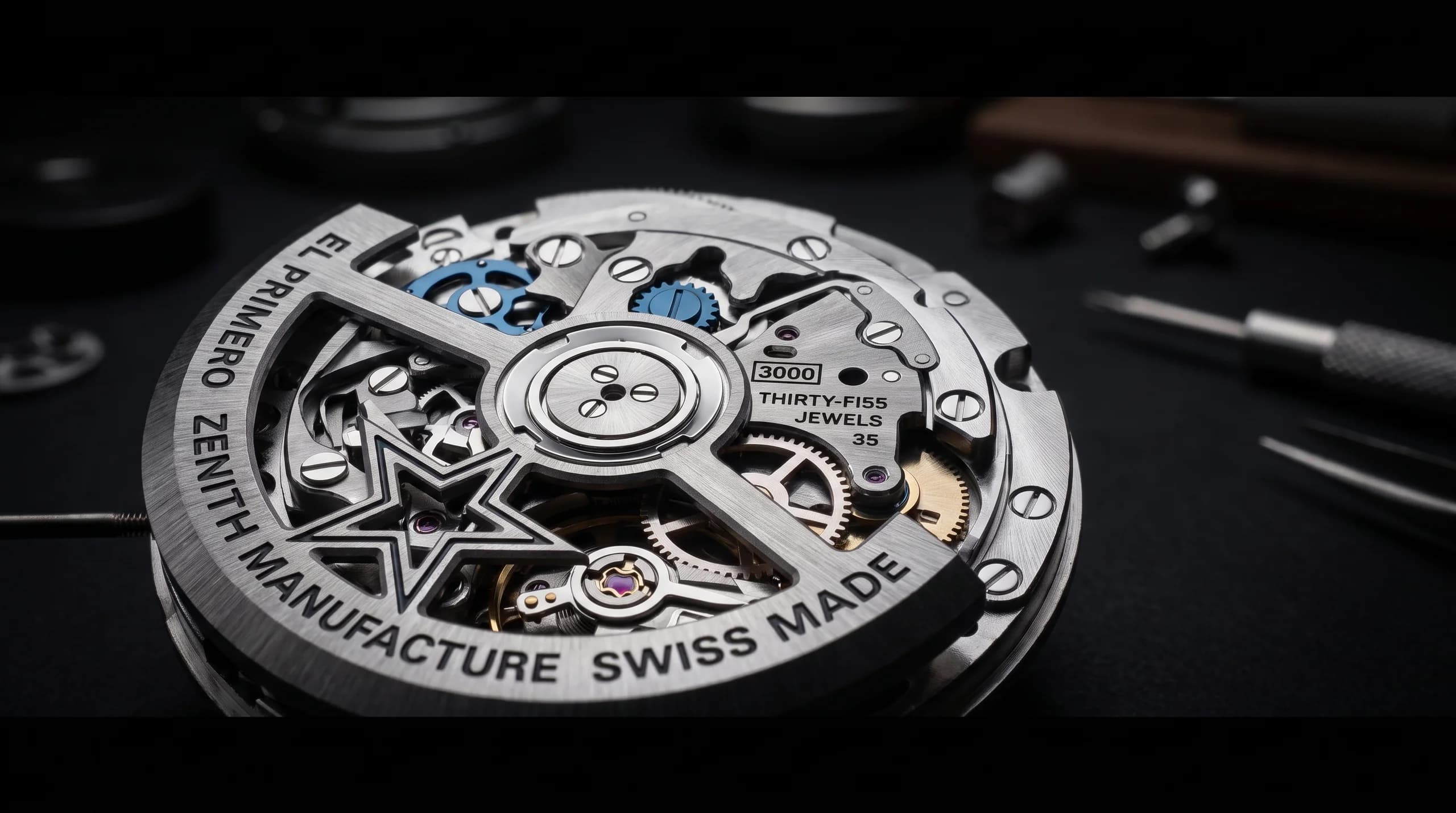
In-house versus supplied movements is one of the most argued topics in watches, and one of the most misunderstood. A brand that makes its own movement is called a manufacture. A brand that buys a movement from a supplier and drops it into its watch is doing something the whole industry has done for a century. Neither is automatically better, and knowing the difference stops you from overpaying for a word.
This article includes images generated with AI to illustrate watch movements and manufacturing. Every movement shown is based on a real, referenced caliber.
The short answer
An in-house movement is designed and built by the watch brand itself, like the Zenith El Primero or a Rolex caliber. A supplied movement is bought from a specialist maker such as ETA or Sellita, then fitted into the watch. In-house often means more originality and prestige. Supplied usually means proven reliability and lower cost. The right choice depends on what you actually want from the watch.
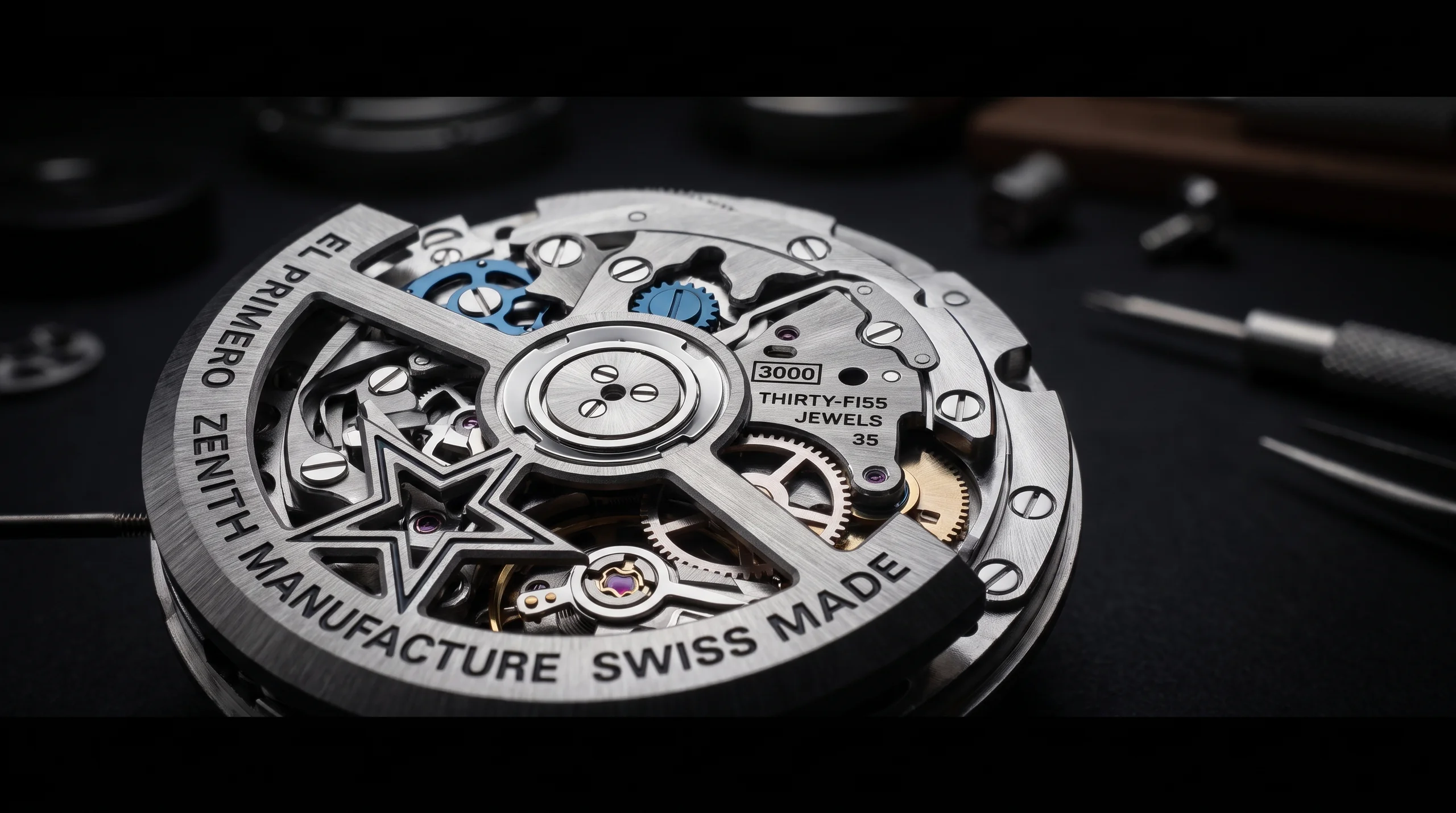 An in-house movement like the Zenith El Primero is designed and built by the brand itself.
What "manufacture" actually means
In watch language, a manufacture is a brand that produces its own movements rather than buying them. The word carries prestige because building a reliable movement from scratch is genuinely hard and expensive. Rolex, Zenith, Lange, and IWC are manufactures in this sense.
The catch is that "in-house" is a slippery term. Some brands make every part themselves. Others design the movement but outsource components, or modify a base caliber heavily and call the result in-house. There is no single legal standard, so the label alone tells you less than people assume.
Supplied movements are not a flaw
Here is the part enthusiasts often get wrong. A bought-in movement is not a defect. For most of the twentieth century, even prestigious brands used shared ebauche movements, and many of the best-value watches today run an ETA 2824 or a Sellita SW200.
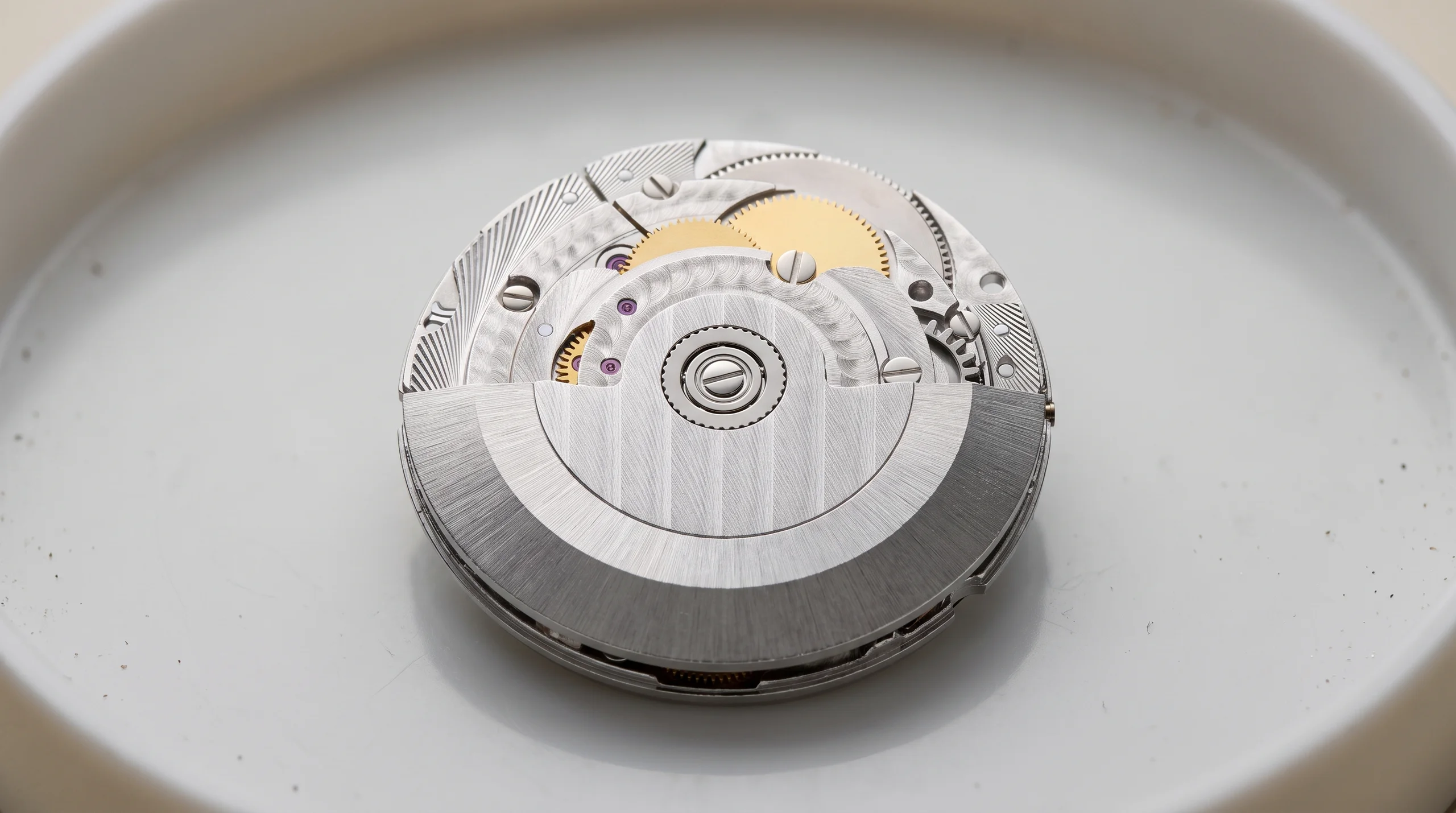 A supplied movement like the Sellita SW200 is proven, serviceable, and used across the industry.
These calibers are workhorses for a reason. They are robust, any competent watchmaker can service them, and parts are everywhere. A Hamilton or a Tudor running a well-made supplied movement can be more dependable than a fragile in-house caliber from a brand still working out the bugs.
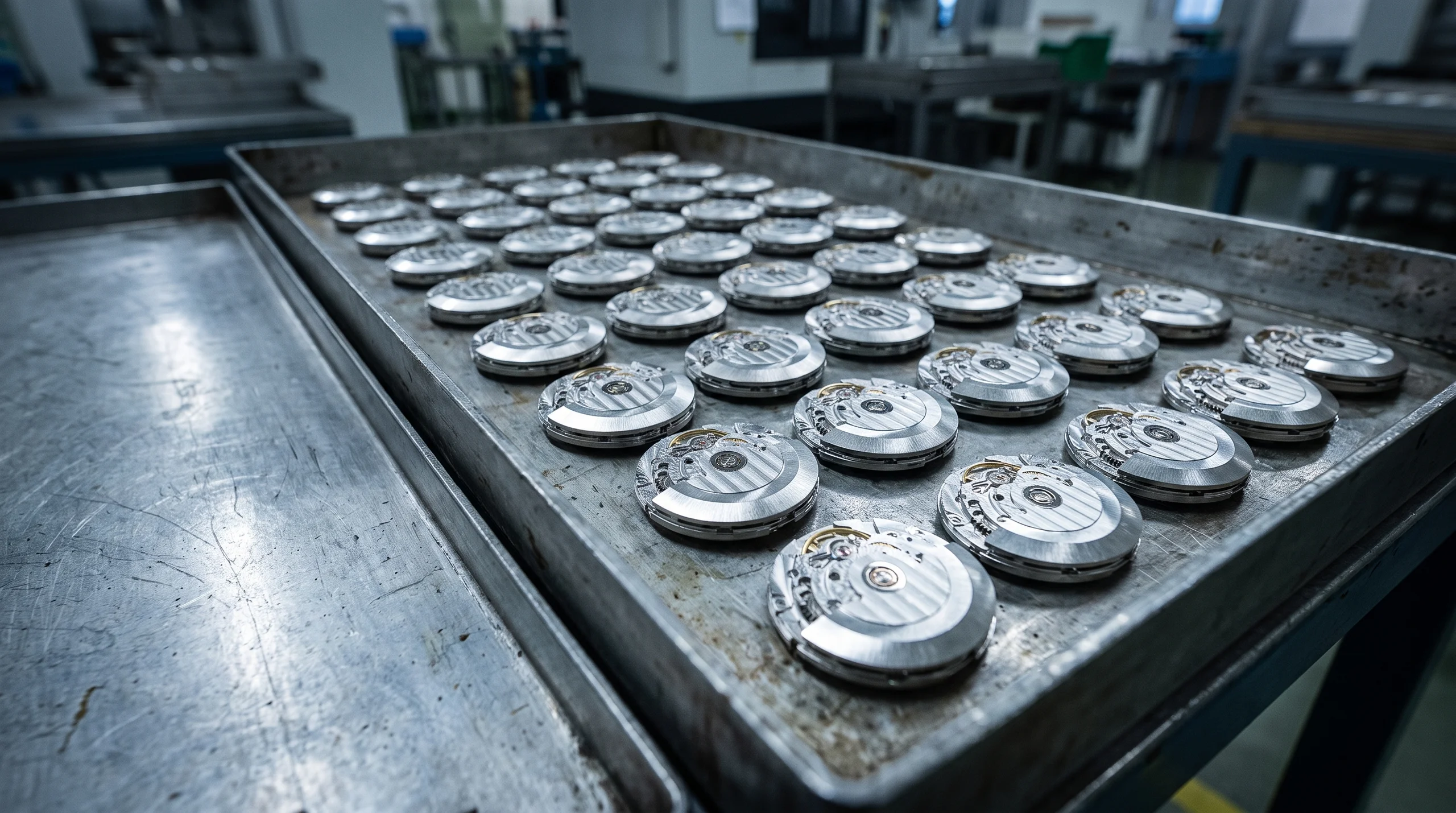 Shared ebauche movements are produced at scale, which keeps them affordable and easy to repair.
If you want the wider context on how movements differ in the first place, our guide to watch movement types covers automatic, manual, quartz, and Spring Drive.
When in-house is worth paying for
In-house earns its premium in a few clear cases. When a brand builds something no supplier offers, like the El Primero's high frequency or a Rolex Chronergy escapement, you are paying for real engineering. We make that case in our read on the El Primero as the best value in chronographs.
You also pay for finishing and integration. A well-made in-house movement can be decorated, shaped to the case, and tuned in ways a generic base caliber is not. That is craft you can see through a display caseback, and for many collectors it is the point.
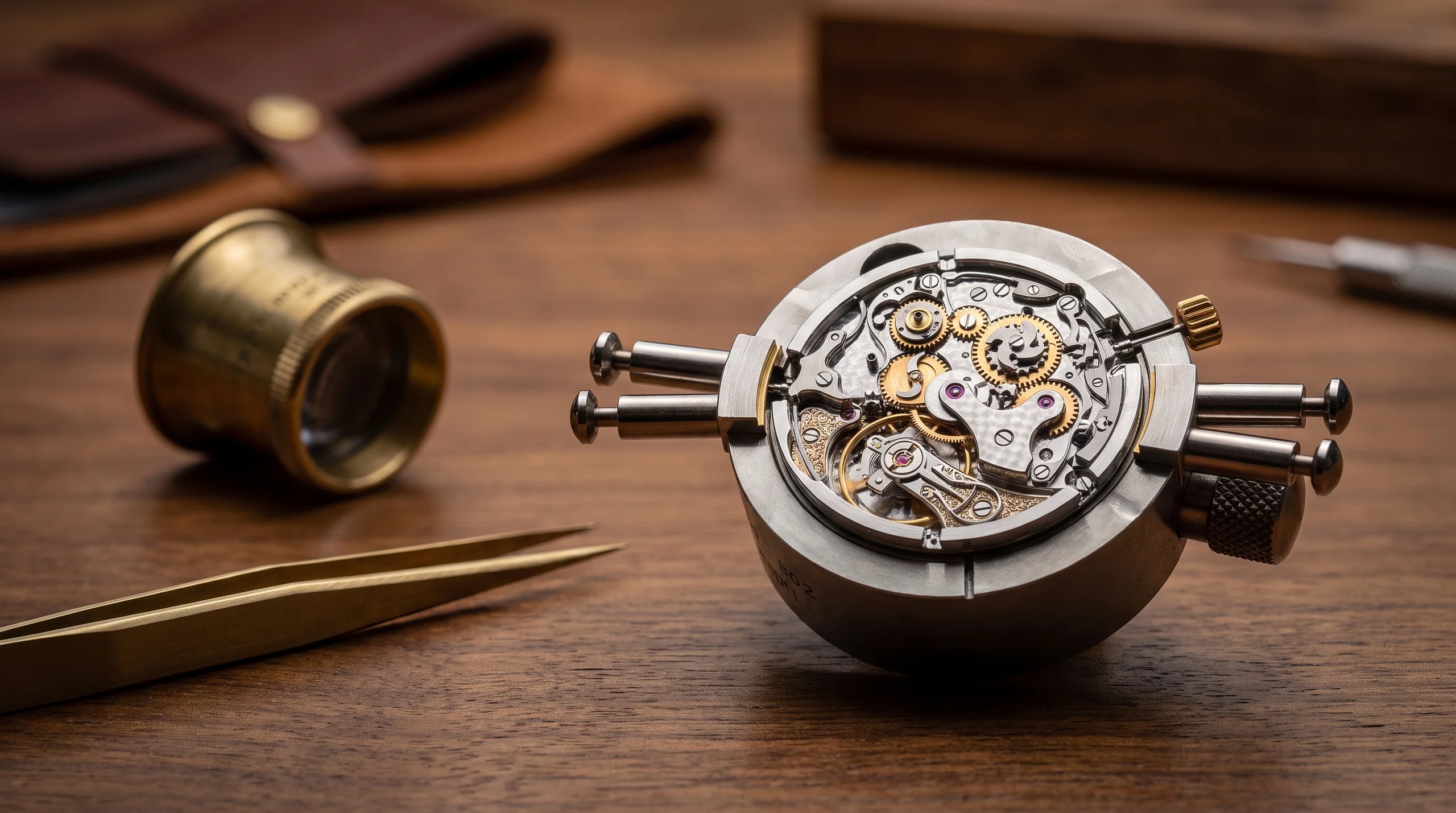 In-house calibers can be finished and integrated in ways a generic base movement is not.
In-house vs supplied: the trade-offs
| Factor | In-house | Supplied |
|---|---|---|
| Originality | Higher | Lower |
| Prestige | Higher | Lower |
| Servicing | Sometimes brand-only | Any watchmaker |
| Parts availability | Can be limited | Widely available |
| Typical cost | Higher | Lower |
| Reliability | Varies by brand | Usually proven |
The honest read is that a great supplied movement beats a mediocre in-house one every time. Brands like IWC show how to do in-house right, as we cover in our piece on IWC as an undervalued manufacture.
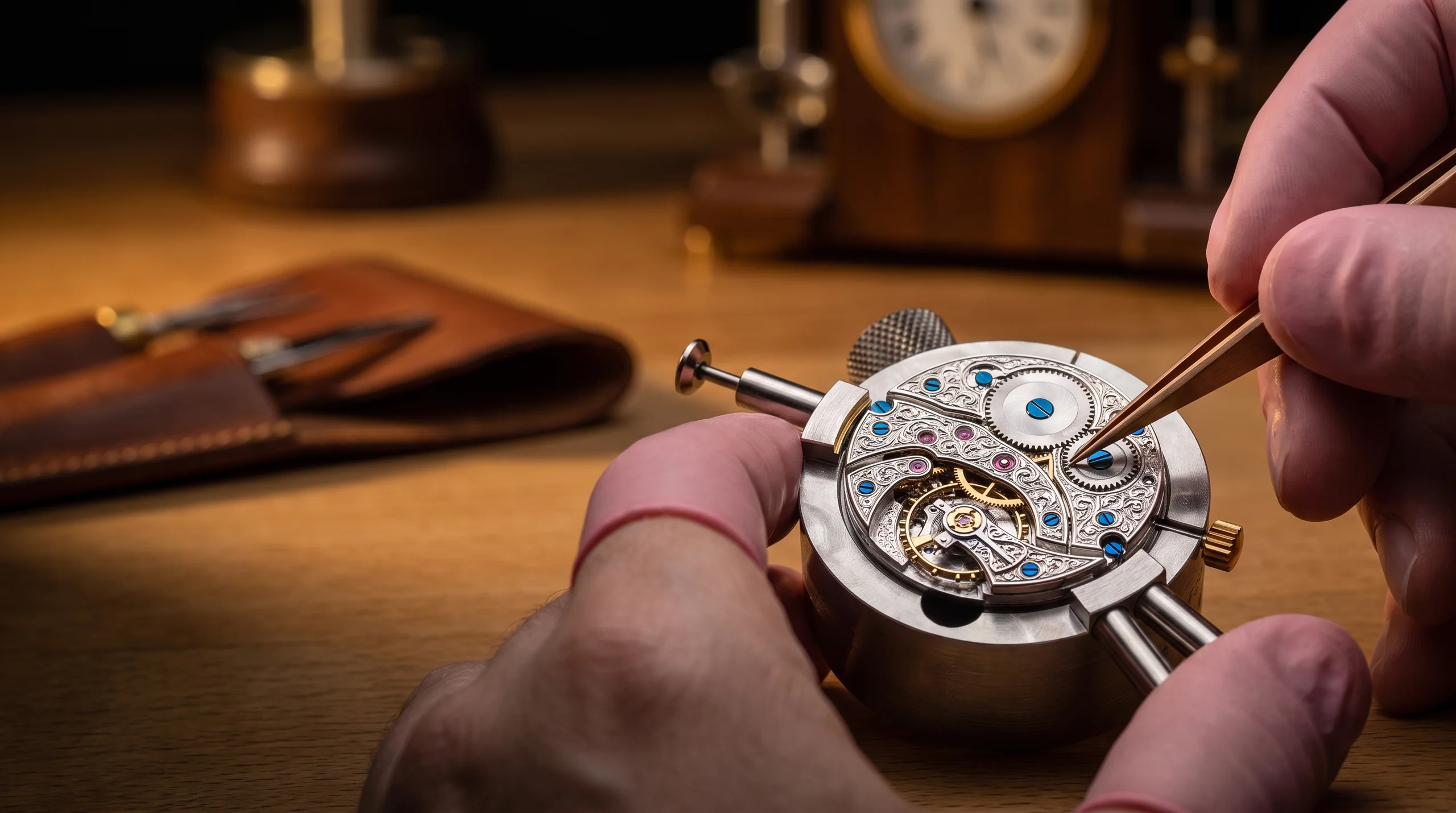 At the top end, in-house finishing is where a brand shows off its watchmaking.
Frequently asked questions
What does in-house movement mean?
An in-house movement is one that the watch brand designs and manufactures itself, rather than buying it from an outside supplier. The term signals originality and prestige, though its exact meaning varies because there is no single industry standard.
Are supplied movements worse than in-house?
No. Supplied movements from makers like ETA and Sellita are proven, reliable, and easy to service, which is why the whole industry uses them. A well-made supplied caliber often outperforms a young in-house movement that is still being refined.
What is an ebauche movement?
An ebauche is a base movement, often unassembled, produced by a specialist supplier and sold to watch brands to finish and fit into their watches. The ETA 2824 and Sellita SW200 are common examples used across many brands.
Is a manufacture watch worth more?
Sometimes. A manufacture movement can command a premium for genuine engineering, finishing, and prestige. But you should judge the specific movement, since the manufacture label alone does not guarantee better quality or reliability.
Which brands make in-house movements?
Rolex, Zenith, A. Lange & Sohne, IWC, and many high-end makers build in-house calibers. Plenty of respected brands also use supplied movements, either as delivered or modified, and there is no shame in either approach.
The bottom line
In-house versus supplied is a real distinction, but not a ranking. A manufacture movement can be a marvel of engineering and finishing, and a supplied movement can be the most sensible, reliable heart a watch could have. Judge the movement in front of you, not the label on the brochure, and you will spend your money well.
Want a straight answer on whether a specific watch's movement is worth it? Talk to a 5D Watches specialist and we will tell you honestly.