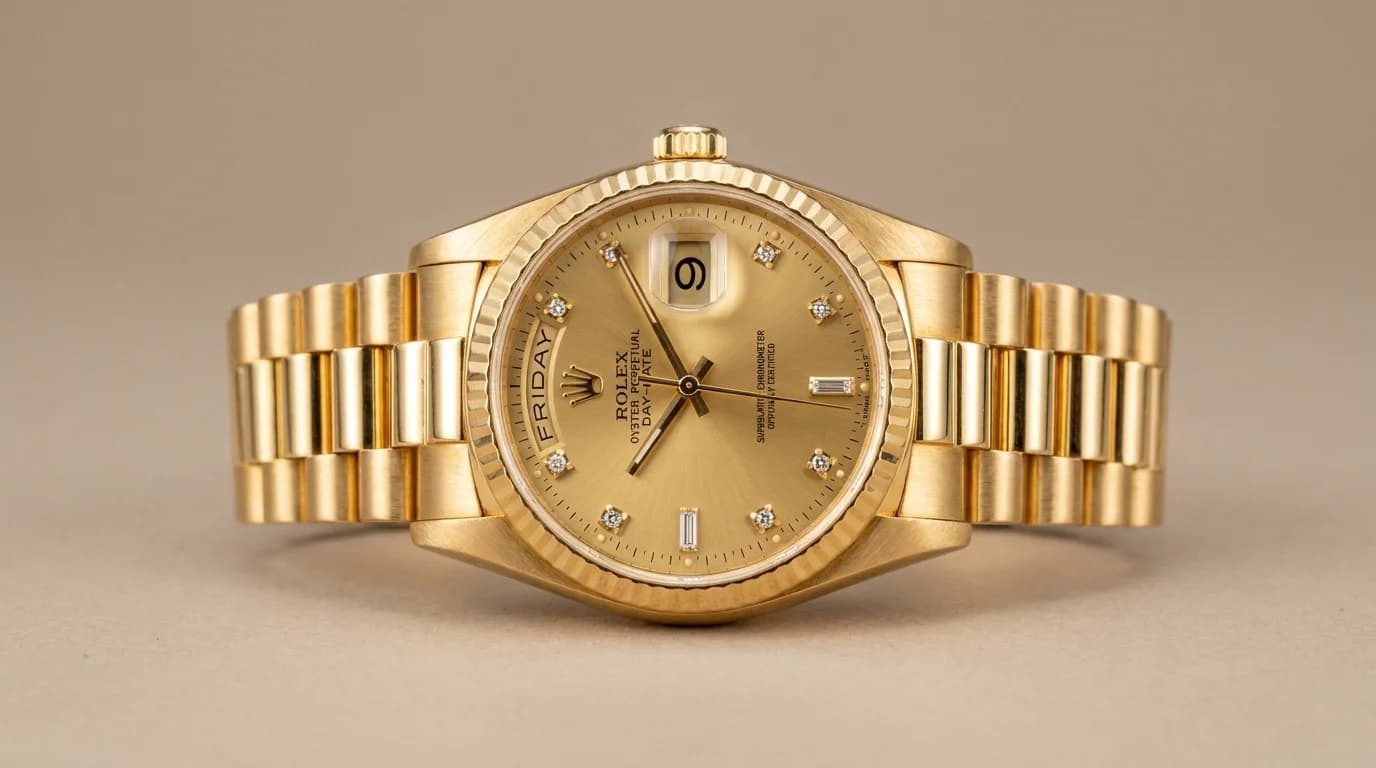
Rolex quietly raised prices again on June 1, 2026, and this round landed almost entirely on gold. Steel was left untouched. This is Rolex's second price move of the year, and it followed a broader January hike that also touched Audemars Piguet and Tudor.
If you have been pricing out a gold Rolex, the number changed twice in six months. Here is exactly what moved, when, and why.
The Short Answer
- Rolex's second 2026 increase (June 1): gold references only rose roughly 5% on average. Steel was not touched in this round.
- Example: the yellow gold Day-Date 36 went from $43,700 to $45,900.
- The driver is gold itself. Spot gold climbed roughly 55% across 2025, peaked near $5,600 an ounce in January 2026, and still sat around $4,300 by June, nearly double its 2024 starting price.
- This was a second, separate hike. Rolex, AP, and Tudor all raised prices earlier too, in a broader January 2026 move that averaged roughly 7% for Rolex, 7.5% for AP (US), and 5.6% for Tudor.
- Since January, AP and Tudor have not announced a second round the way Rolex has.
The images in this article were generated with AI for illustration. They show recognizable models based on real reference photography, but are not photographs of specific watches for sale.
Rolex's June Increase: Gold Only, Steel Untouched
This is the news. On June 1, 2026, Rolex raised prices again, but only on solid gold references. Steel models kept their January price entirely.
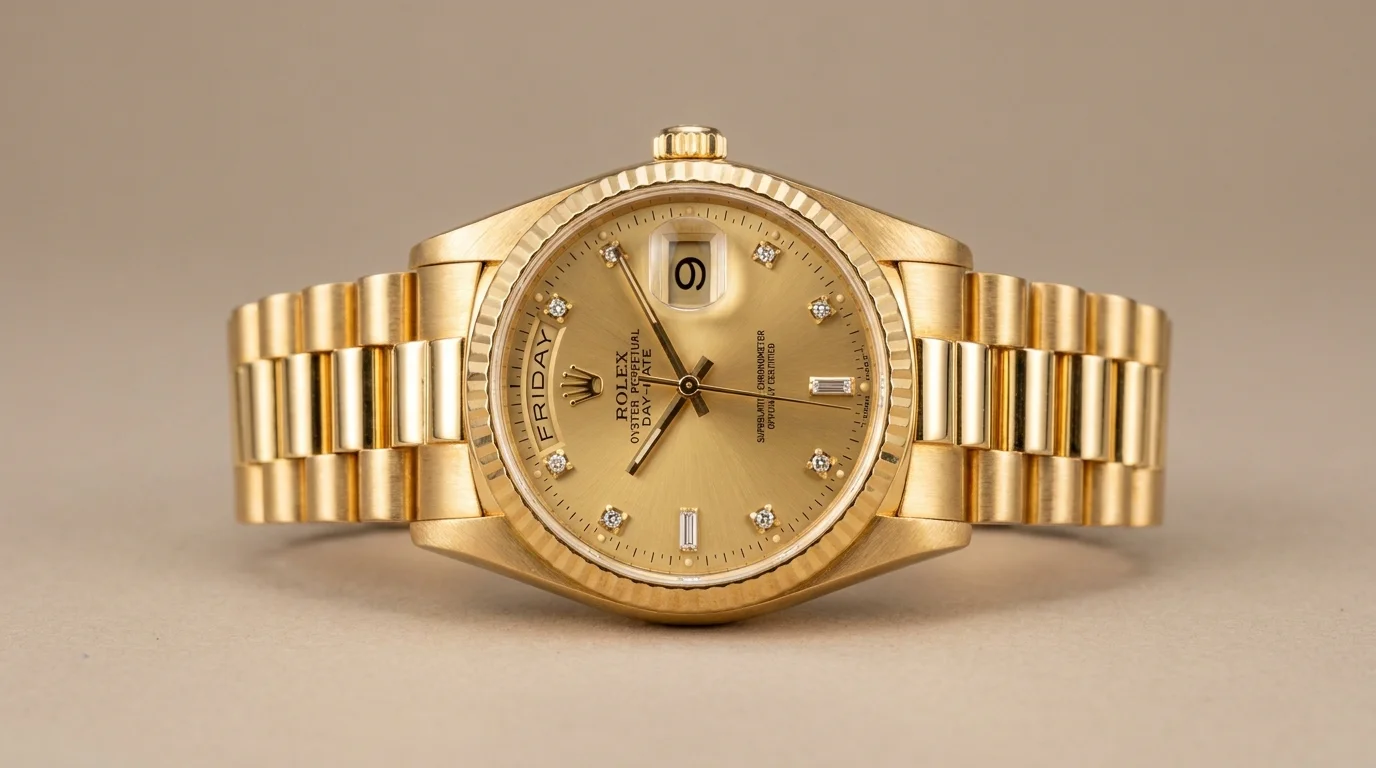 The yellow gold Day-Date 36 moved from $43,700 to $45,900 in Rolex's June increase, its second price move of 2026.
What Actually Moved
The June round averaged about 5% across gold references, with specific examples confirming the pattern:
| Reference | Before June 2026 | After June 2026 |
|---|---|---|
| Day-Date 36 (yellow gold) | $43,700 | $45,900 |
| Yacht-Master II 126688 | $57,800 | $60,700 |
| Submariner Date (yellow gold) | $48,600 | $50,900 |
Notably, the GMT-Master II was spared in this round even though other gold sport references were not, which suggests Rolex is weighing demand elasticity model by model rather than applying one flat gold surcharge across the board.
Why Gold, and Why Now
Gold is a commodity before it is a watch case, and 2025 into 2026 was an unusually sharp run for the metal.
Spot gold climbed roughly 55% across 2025 alone and touched an all-time high near $5,600 an ounce in January 2026. By June it had cooled to around $4,300, still nearly double where it started 2024. A solid gold Day-Date or Yacht-Master II carries far more raw material cost than a steel Submariner, so a swing of that size in the gold market eventually shows up on the price list.
 Gold peaked near $5,600 an ounce in January 2026 before settling around $4,300 by June, still nearly double its 2024 starting price.
This Is Not the Same as the January Hike
It is easy to conflate the two, so it is worth being precise. January's increase was broad, touched most of the catalog including steel, and averaged around 7% for Rolex overall. June's increase was narrower: gold-only, roughly 5%, and steel did not move a second time. For the full read on what the January hike did to the pre-owned market, see our earlier breakdown of the January Rolex increase.
What AP and Tudor Did in January
Audemars Piguet and Tudor both raised prices in the same January 2026 window as Rolex. Neither has announced a second round since.
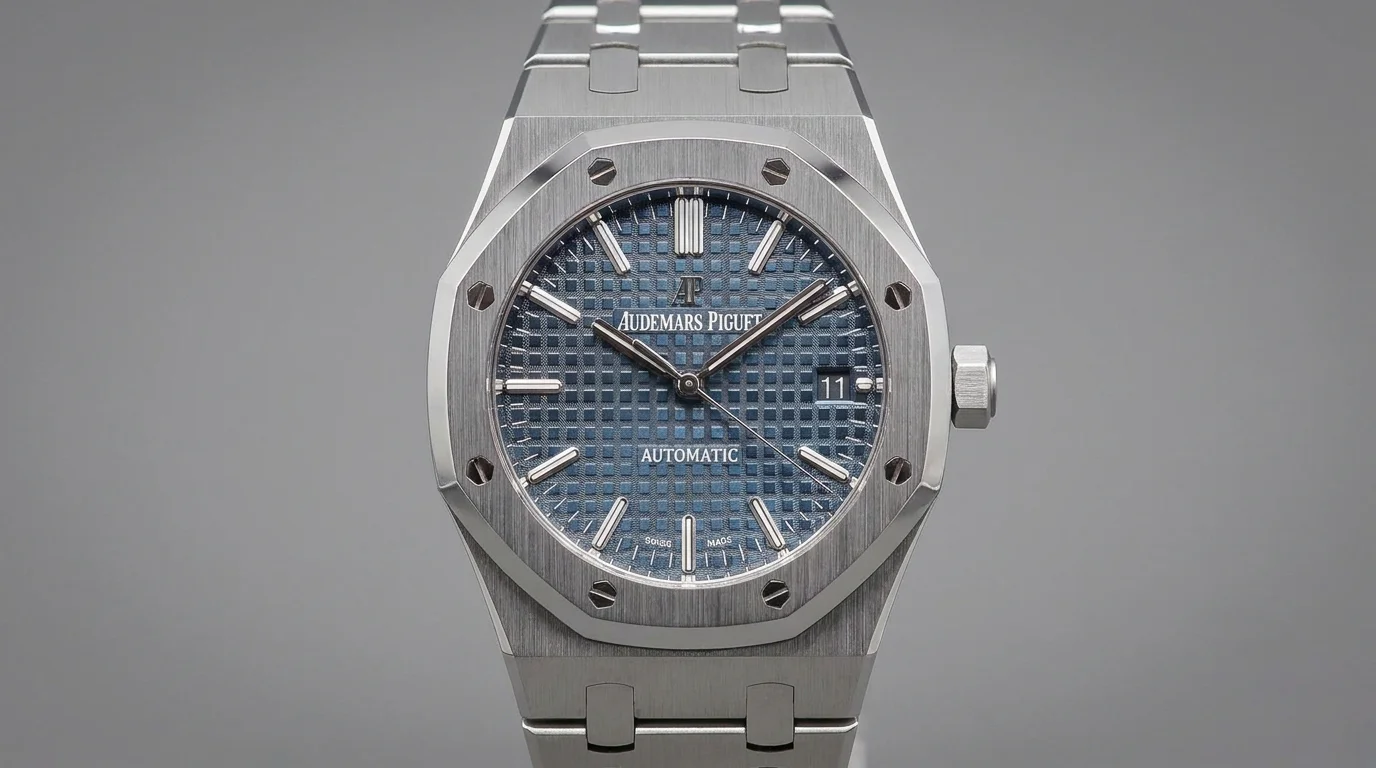 AP's January 2026 increase averaged roughly 7.5% in the US across Royal Oak and Code 11.59, with no second round announced since.
Audemars Piguet
AP's January increase averaged roughly 7.5% in the US and about 2.5% in the UK, applied across the Royal Oak and Code 11.59 collections. AP has not broken the increase down by case material the way Rolex effectively has, so treat that figure as a catalog-wide average rather than a fixed number on every reference.
Tudor
Tudor's January increase averaged roughly 5.6% across the US and UK. Gold references moved harder within that average: a gold Black Bay 58 rose about 7.9% in the US, while steel core models like the Black Bay 58 and Pelagos sat toward the lower end of that range.
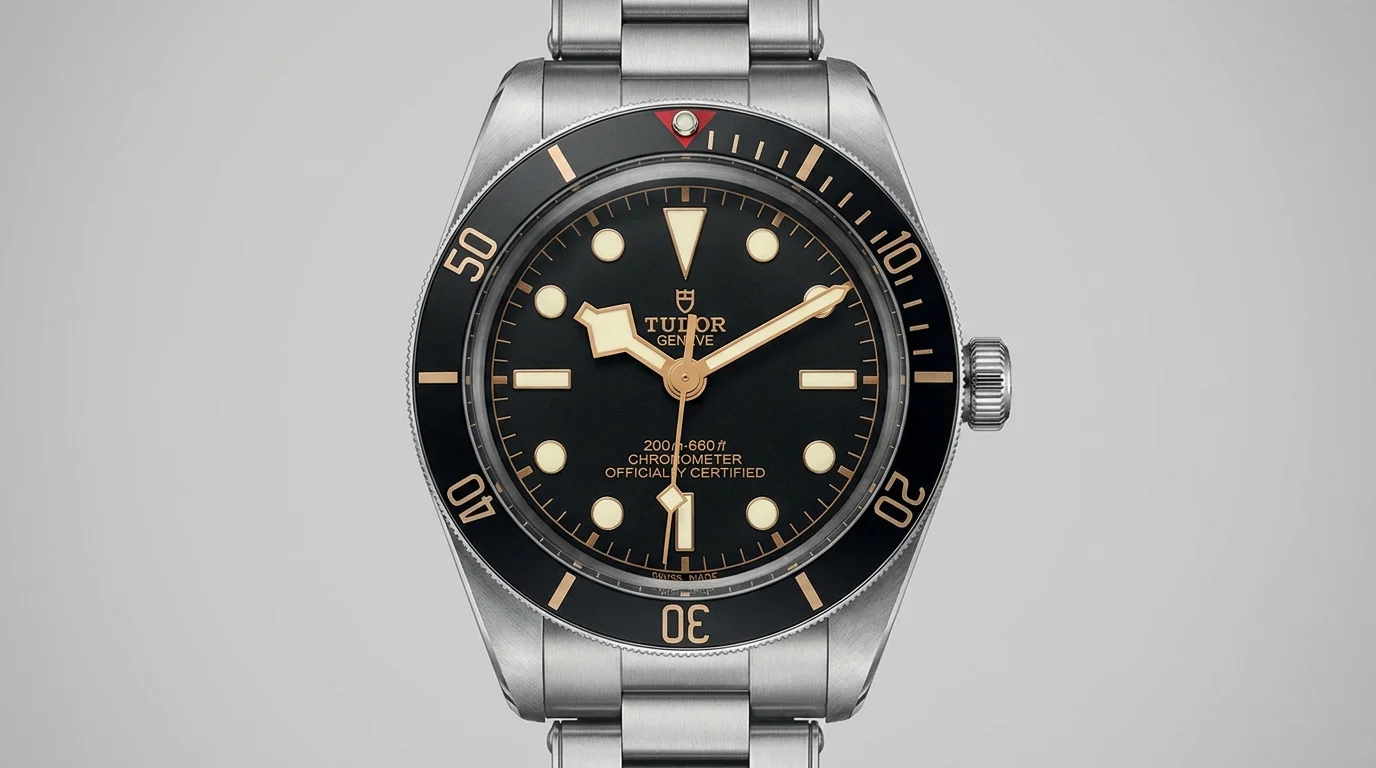 Tudor's steel core models sat toward the lower end of the brand's roughly 5.6 percent average January increase, with gold references moving closer to 8 percent.
What This Means If You Are Buying
If you want a steel Rolex, Royal Oak, or Black Bay, the June round changed nothing. You are still working from January's numbers, and for the popular steel sport references, the pre-owned market has already absorbed that increase into its own pricing.
If you want a gold Rolex specifically, the math moved twice this year. A gold Day-Date or Yacht-Master II now sits meaningfully above where it started 2026, and a June retail increase on top of a January one narrows the gap between what a dealer sells that reference for and what it was already trading at pre-owned.
The Pre-Owned Angle
None of this changes what a well-documented pre-owned watch is worth today. Pre-owned pricing tracks the current secondary market, not the latest retail list. For buyers priced out of a new gold Rolex at June's number, pre-owned remains the more direct path to the same reference without chasing two rounds of retail increases in one year.
Related Reading
- The January Rolex Hike Already Closed the Pre-Owned Gap on Steel Sport
- How Much Is a Rolex? The 2026 Price Guide, Model by Model
- The Audemars Piguet Royal Oak Buying Guide: Every Modern Reference
Frequently Asked Questions
Did Rolex raise prices again in June 2026?
Yes. On June 1, 2026, Rolex raised prices on gold references by roughly 5% on average, while steel models were left unchanged. This followed a broader January 2026 increase that averaged around 7% and touched most of the catalog, including steel.
Why did Rolex only raise gold prices in June 2026?
Gold is a raw material whose cost tracks the commodity market. Spot gold climbed roughly 55% across 2025 and peaked near $5,600 an ounce in January 2026 before settling around $4,300 by June, still nearly double its 2024 starting price, which pushed the cost of solid gold cases and bracelets up independently of steel.
Did Audemars Piguet and Tudor also raise prices twice in 2026?
Not that has been announced. Both brands raised prices in the same January 2026 window as Rolex, AP by roughly 7.5% in the US and Tudor by roughly 5.6% on average, but neither has announced a second round the way Rolex did in June.
How much did Tudor raise prices in 2026?
Tudor's January 2026 increase averaged roughly 5.6% across the US and UK, with gold references like the gold Black Bay 58 moving closer to 7.9% in the US and steel core models sitting toward the lower end of that range.
Does a retail price increase affect pre-owned watch values?
Not directly. Pre-owned pricing follows the current secondary market rather than the latest retail list. A retail increase can narrow the gap between new and pre-owned pricing on a specific reference, but a well-documented pre-owned watch is still priced against what buyers are actually paying for it today.