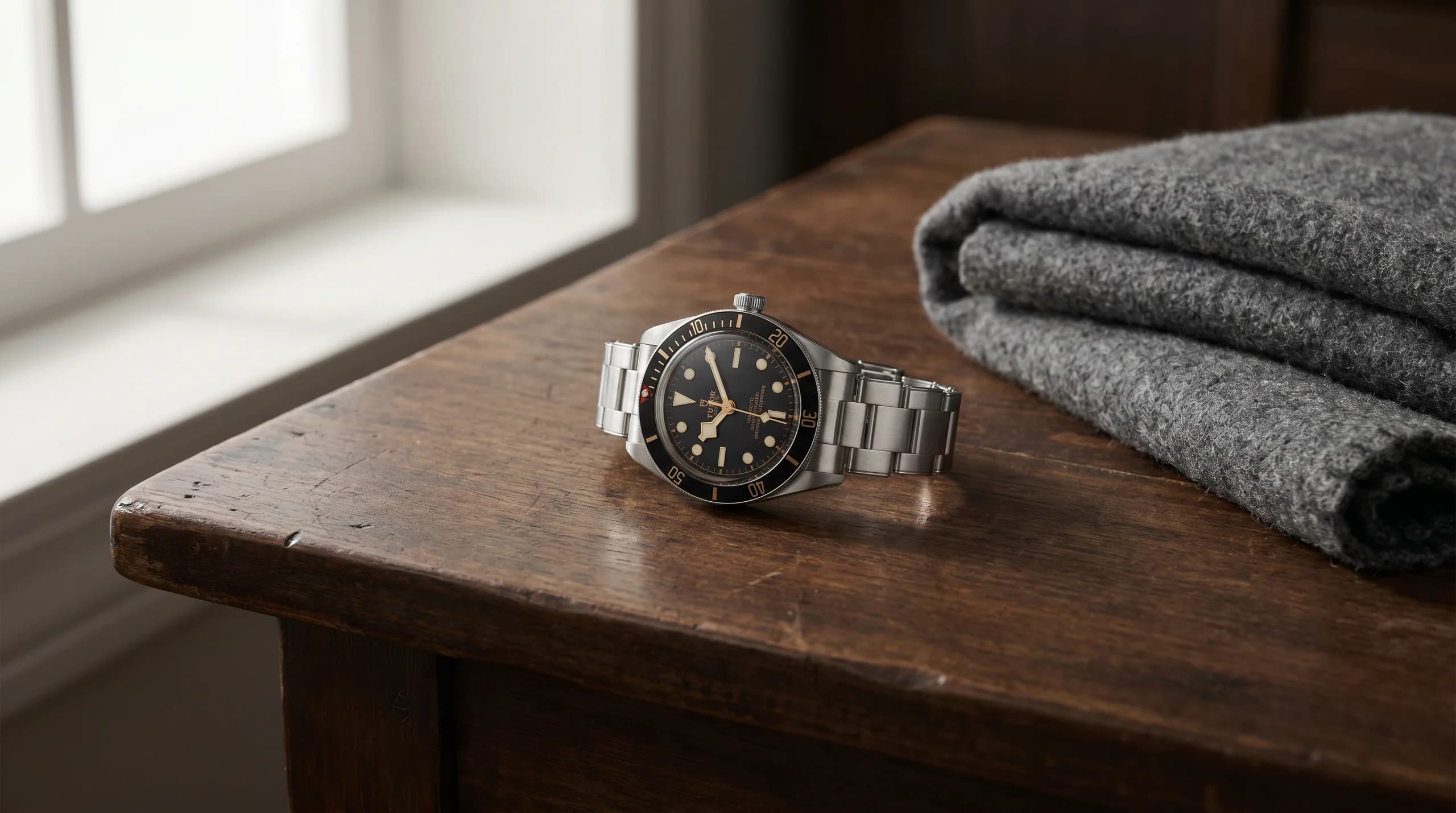
The short answer: These are two vintage-inspired divers about double the price apart. The Tudor Black Bay 58 (39mm, 200m, around $3,700 to $4,000) is the value champion and the more wearable size, with a robust COSC in-house movement. The Omega Seamaster 300 (41mm, 300m, around $7,000 to $7,500) costs roughly twice as much and gives you a METAS Master Chronometer movement, a ceramic bezel, and a more refined finish. The Black Bay 58 is the smarter value for most buyers; the Seamaster 300 is the connoisseur's upgrade. One note up front: this is the heritage Seamaster 300, not the modern Bond-style Diver 300M.
Put these two on a table and you see the same idea executed by two different houses. Both are vintage-reissue divers, both draw on genuine 1950s and 60s diving heritage, and both get cross-shopped constantly. The gap between them is roughly double the price, and the question is whether that gap is worth it.
It depends entirely on what you value, so here is the honest breakdown.
The images below are AI-generated illustrations created for this article and do not represent specific watches offered for sale.
Same idea, different execution
The Black Bay 58 is Tudor's compact homage to its early dive watches: a 39mm matte-dial diver with the brand's signature snowflake hand, an aluminium bezel, and no date. It is deliberately understated and old-school.
The Seamaster 300 is Omega's 1957 re-edition, a more literal museum-piece reissue with broad-arrow hands, a recessed sandwich dial, a ceramic bezel, and vintage-toned lume. Both are covered in depth in our full Black Bay 58 buying guide.
| Black Bay 58 | Seamaster 300 | |
|---|---|---|
| Case | 39mm steel | 41mm steel |
| Water resistance | 200m | 300m |
| Bezel | Aluminium insert | Ceramic |
| Movement | COSC MT5402 | METAS Master Chronometer |
| Accuracy | -4/+6 sec/day | 0/+5 sec/day |
| Power reserve | 70h | ~60h |
| Retail | ~$3,700-$4,000 | ~$7,000-$7,500 |
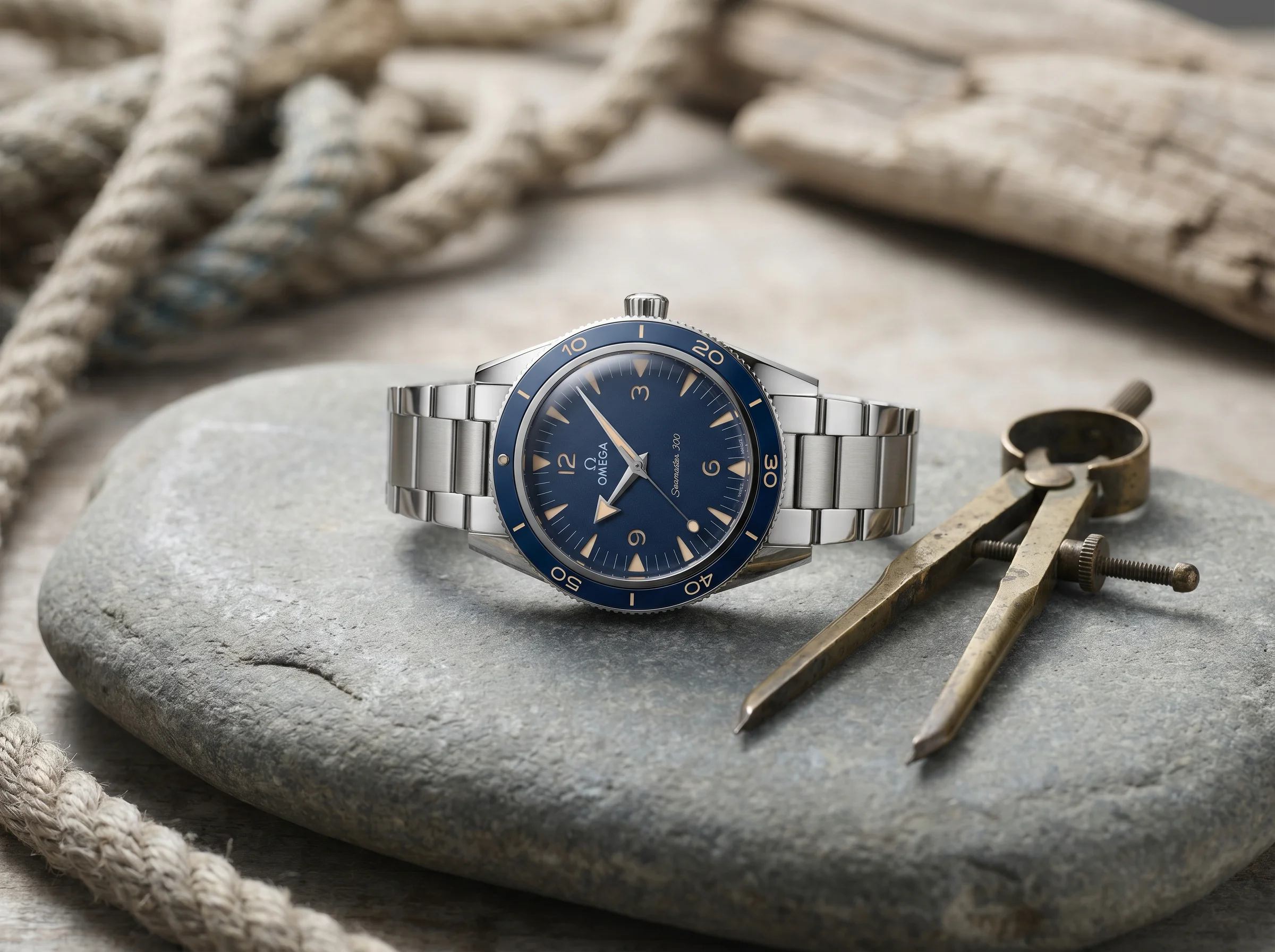 The Seamaster 300 leans into a literal vintage reissue, down to the cream-toned lume and broad-arrow hands.
What the extra money buys
The price gap is real, and so is what it pays for. The Seamaster 300 runs a METAS Master Chronometer movement, certified to 0 to plus 5 seconds a day and resistant to magnetism up to 15,000 gauss, with the Co-Axial escapement that extends service intervals. Its ceramic bezel will not scratch, it carries 300m of water resistance, and the overall finish is a clear step more elegant.
The Black Bay 58 answers with a COSC-certified in-house MT5402 running minus 4 to plus 6 seconds a day with a 70-hour reserve. That is an excellent movement, just not a METAS one.
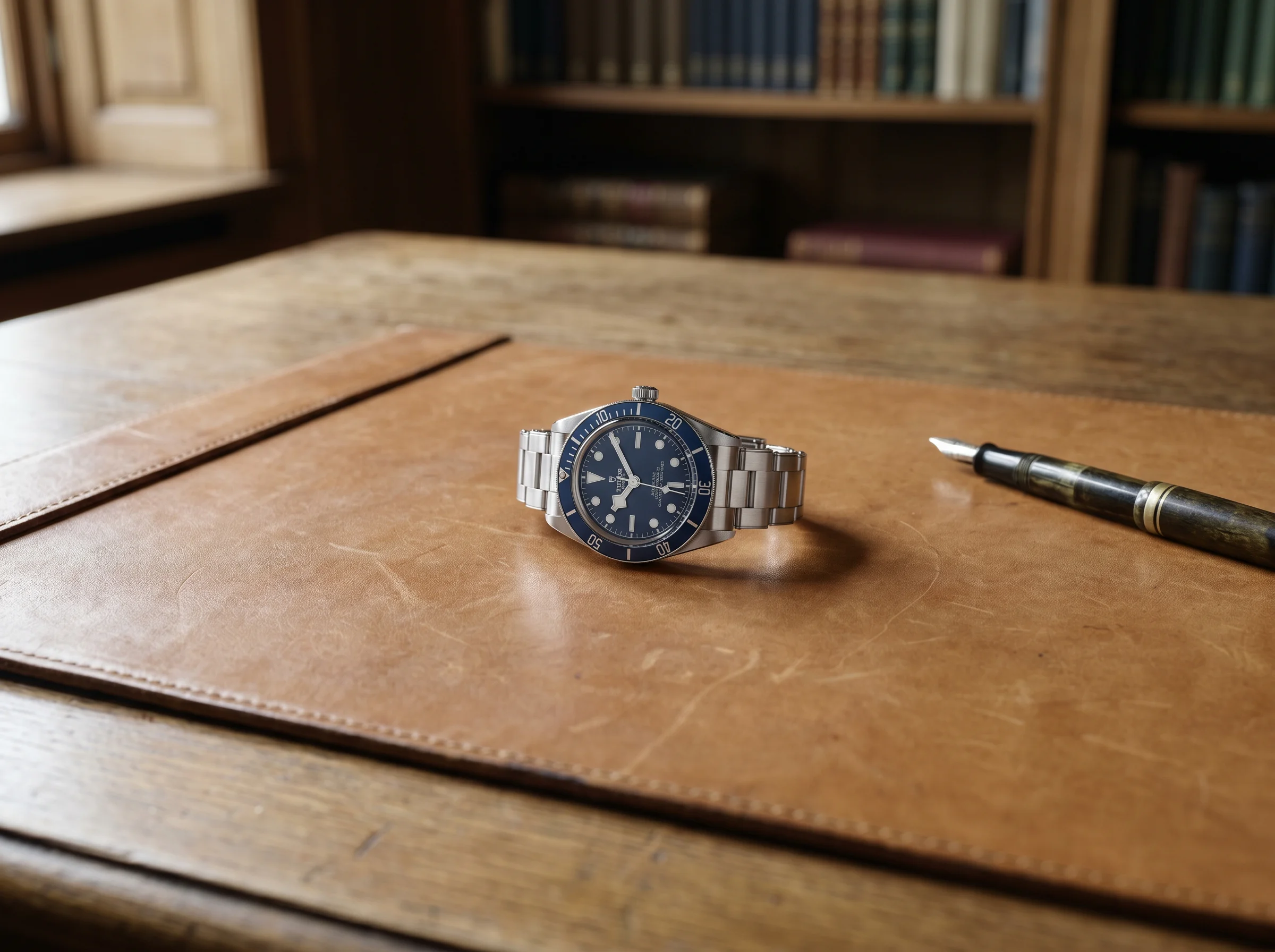 The Black Bay 58 delivers an in-house COSC movement and Tudor's vintage charm for roughly half the Omega's price.
Where the Black Bay 58 wins
Value is the obvious one, at roughly half the price. But the bigger everyday advantage is size. At 39mm and slim, the Black Bay 58 slides under a cuff in a way the 41mm, 13.5mm-thick Seamaster 300 cannot, which makes it the easier daily wear for most wrists.
The longer 70-hour reserve and the honest, understated matte-dial look round out the case. Tudor's whole value proposition, the Rolex-adjacent quality without the Rolex price, is something we cover in how Tudor earns its reputation against Rolex.
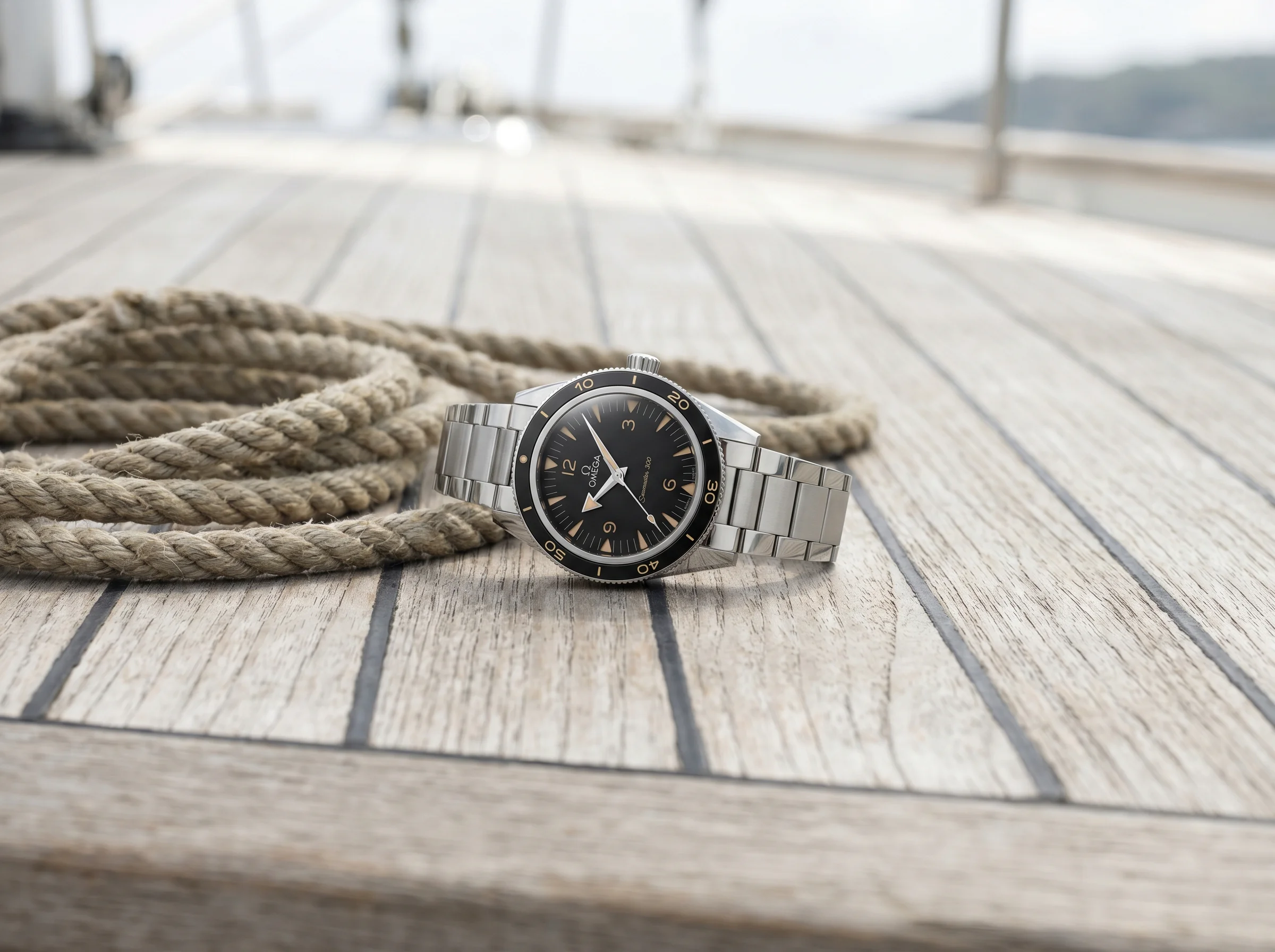 Ceramic bezel, 300m, and a best-in-class movement are what the Seamaster 300's premium actually buys.
Where the Seamaster 300 wins
The movement is the headline. A METAS Master Chronometer is among the best in any production dive watch, and paired with the ceramic bezel, the deeper 300m rating, and a more refined finish, the Seamaster 300 simply out-specs the Tudor. The Omega badge carries more prestige, too.
There are honest caveats on both sides. The Seamaster's vintage-toned lume glows noticeably dimmer at night than modern SuperLumiNova, it wears thick at 13.5mm, and the heavy vintage styling can read as a design exercise to some eyes. The Black Bay 58's aluminium bezel scratches more easily, and it stops at 200m. This is not the modern Bond-style Diver 300M, which is a different, ceramic-and-wave-dial watch entirely.
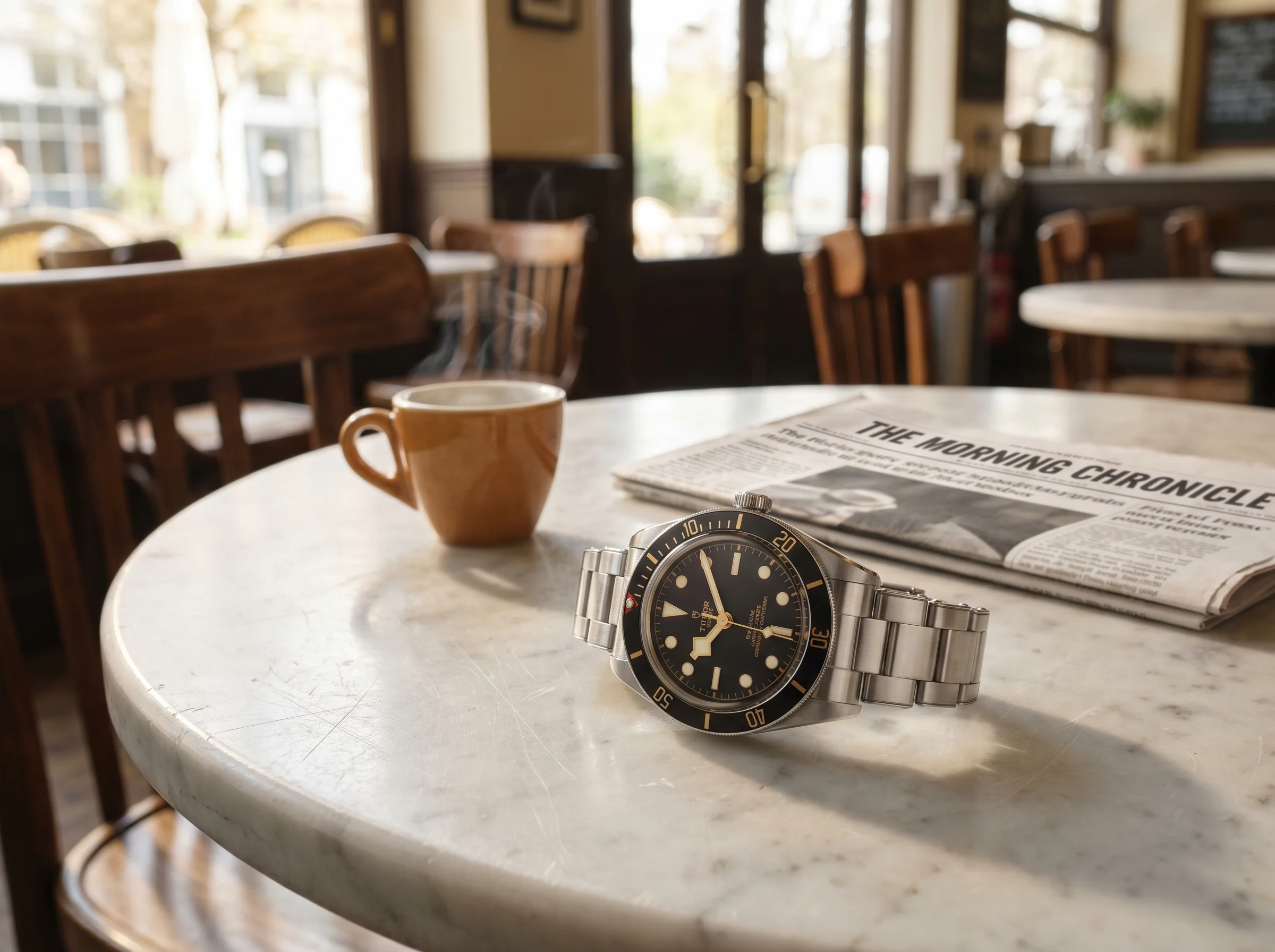 For everyday wear, the compact Black Bay 58 is the one that disappears on the wrist in the best way.
The dealer's read
The Black Bay 58 gives you roughly 90% of the experience for half the money, in a more wearable size. For most buyers, that makes it the smarter watch, full stop. The Seamaster 300 earns its premium only if the METAS movement, the ceramic bezel, the finish, and the Omega name genuinely matter to you and the budget is there.
Neither is a wrong answer, and both sit in the resilient part of the market we mapped at 5dwatches.com/blog/swiss-watch-market-barbell-split-2026. Buy the Black Bay 58 with your head, and buy the Seamaster 300 because you specifically want what it does better.
Browse our authenticated pre-owned Tudor and Omega at 5D Watches.