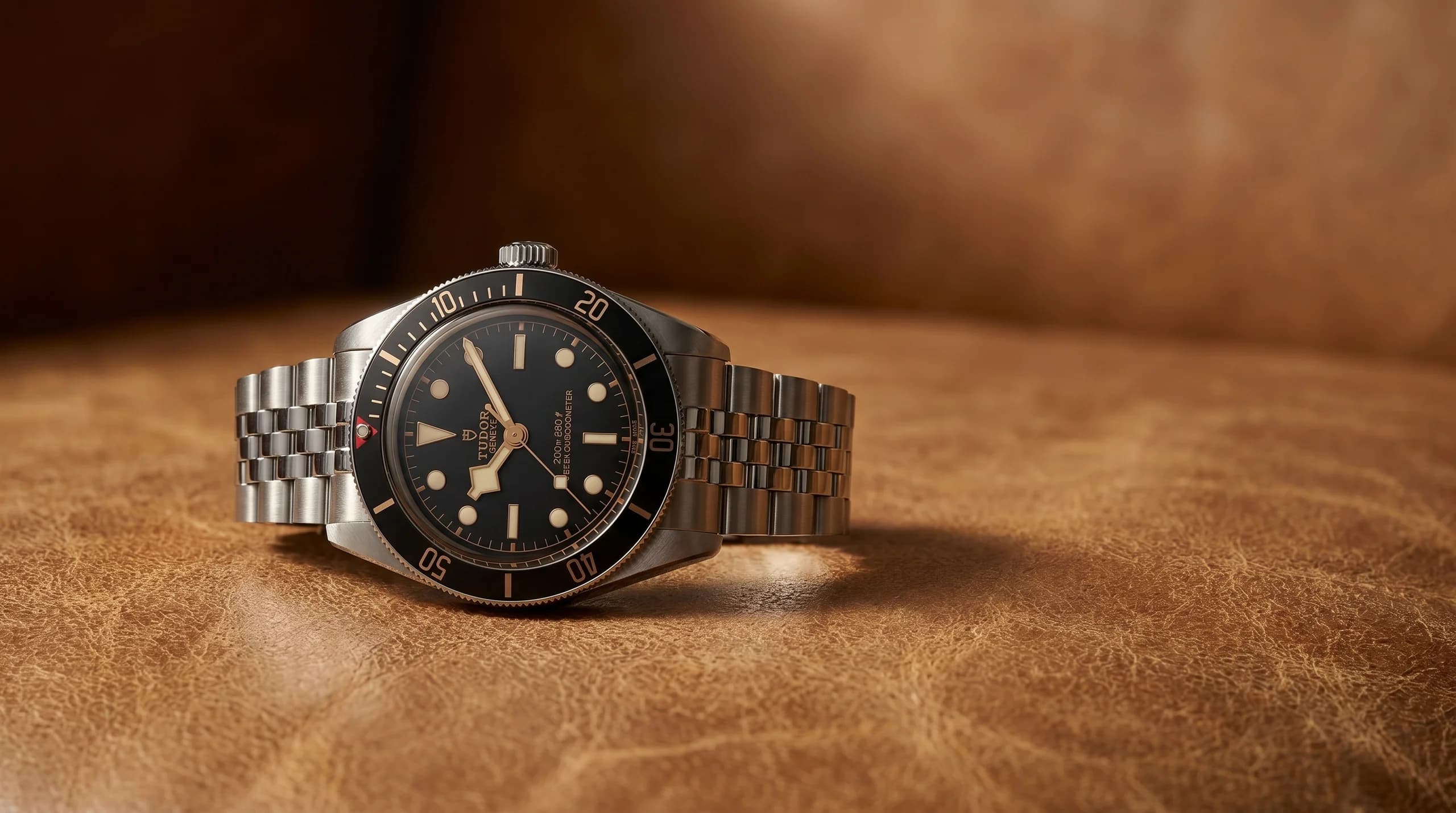
Tudor turns 100 this year, and the easy version of this story is a nostalgia lap through old dive watches. That is not the interesting part. The interesting part is that a brand born to be the cheaper Rolex spent its centenary proving it no longer needs the comparison.
The images in this post are AI-generated illustrations for editorial purposes and may not exactly represent specific watches.
The short version
Tudor's centenary is tied to 17 February 1926, the day the name "The Tudor" was entered into public records on behalf of Rolex founder Hans Wilsdorf, with the first watches produced that same year. The founding idea was simple: Rolex dependability at a more modest price. A century later that ethos still holds, but the execution has changed beyond recognition, and that shift matters more to a buyer than the birthday does.
What 1926 actually was
The history is a little messier than the round number suggests, in a way that is worth knowing.
The name was registered in 1926, but Tudor as we know it took shape later. Wilsdorf secured full rights to the name in the 1930s and only founded Montres Tudor SA in 1946, building the brand around the waterproof Oyster case and, soon after, automatic Oyster Prince models marketed on sheer toughness. Through the 1950s and 60s Tudor earned its reputation the hard way, with Submariners issued to navies including the French Marine Nationale and the US Navy. The Tudor rose and shield logo summed up the formula: the rose for the movement, the shield for the case.
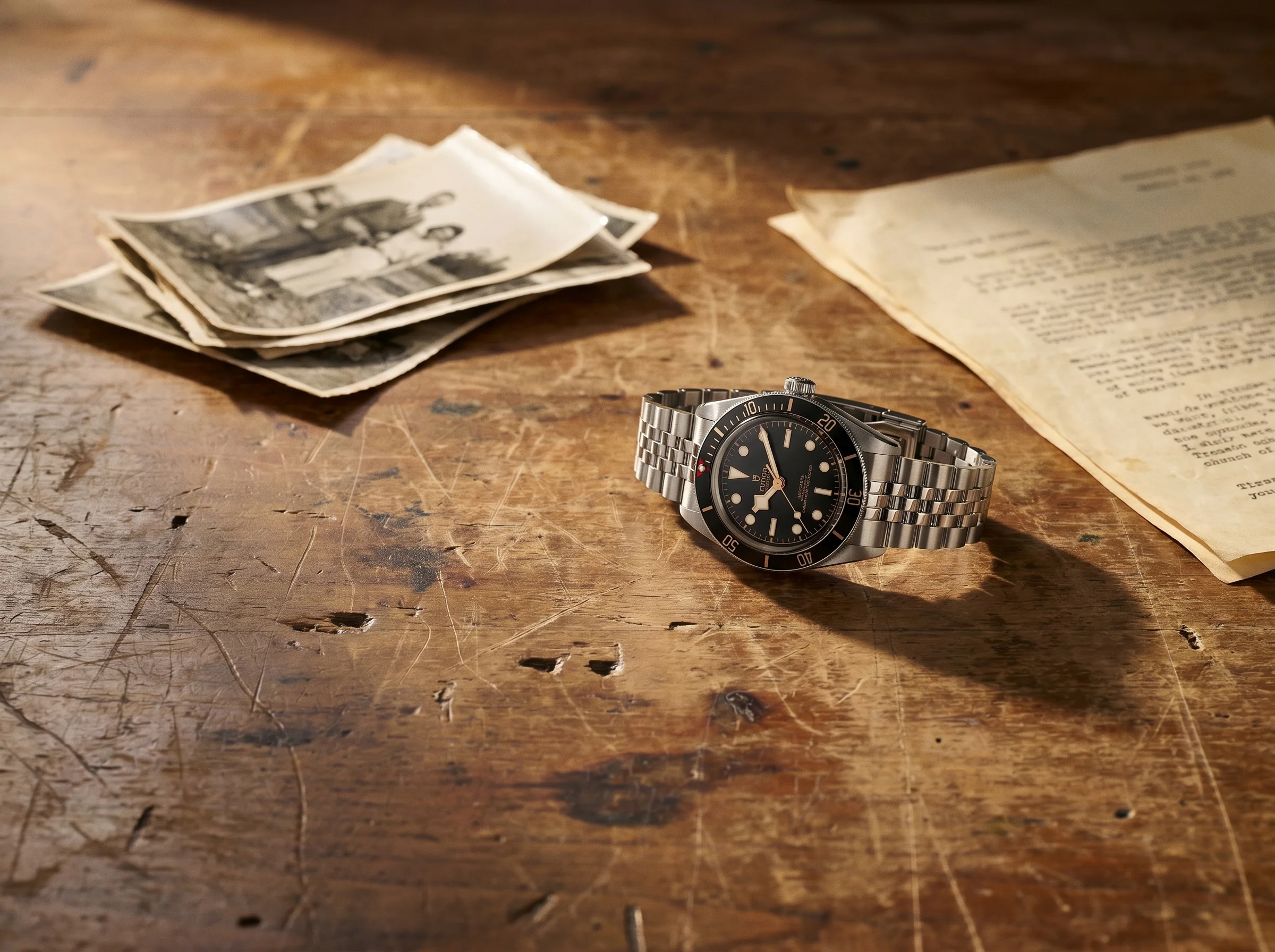 A century of history, tied to a name registered in February 1926. (AI-generated illustration.)
From little brother to its own name
For most of that century, Tudor was defined by what it shared with Rolex. The last fifteen years changed that.
The modern turning point was the Black Bay in 2012, the watch that put Tudor back on the map with vintage charm and modern specs. Then came the part that actually separated it from the pack. Tudor opened its own manufacture in Le Locle in 2023, moved to in-house Kenissi movements, and started certifying complete watches to METAS Master Chronometer standard, the same exacting benchmark Omega uses. As Fratello detailed in its centenary manufacture visit, that is real technical maturity, not marketing gloss.
The result is a brand that now owns the attainable-luxury space outright rather than borrowing it.
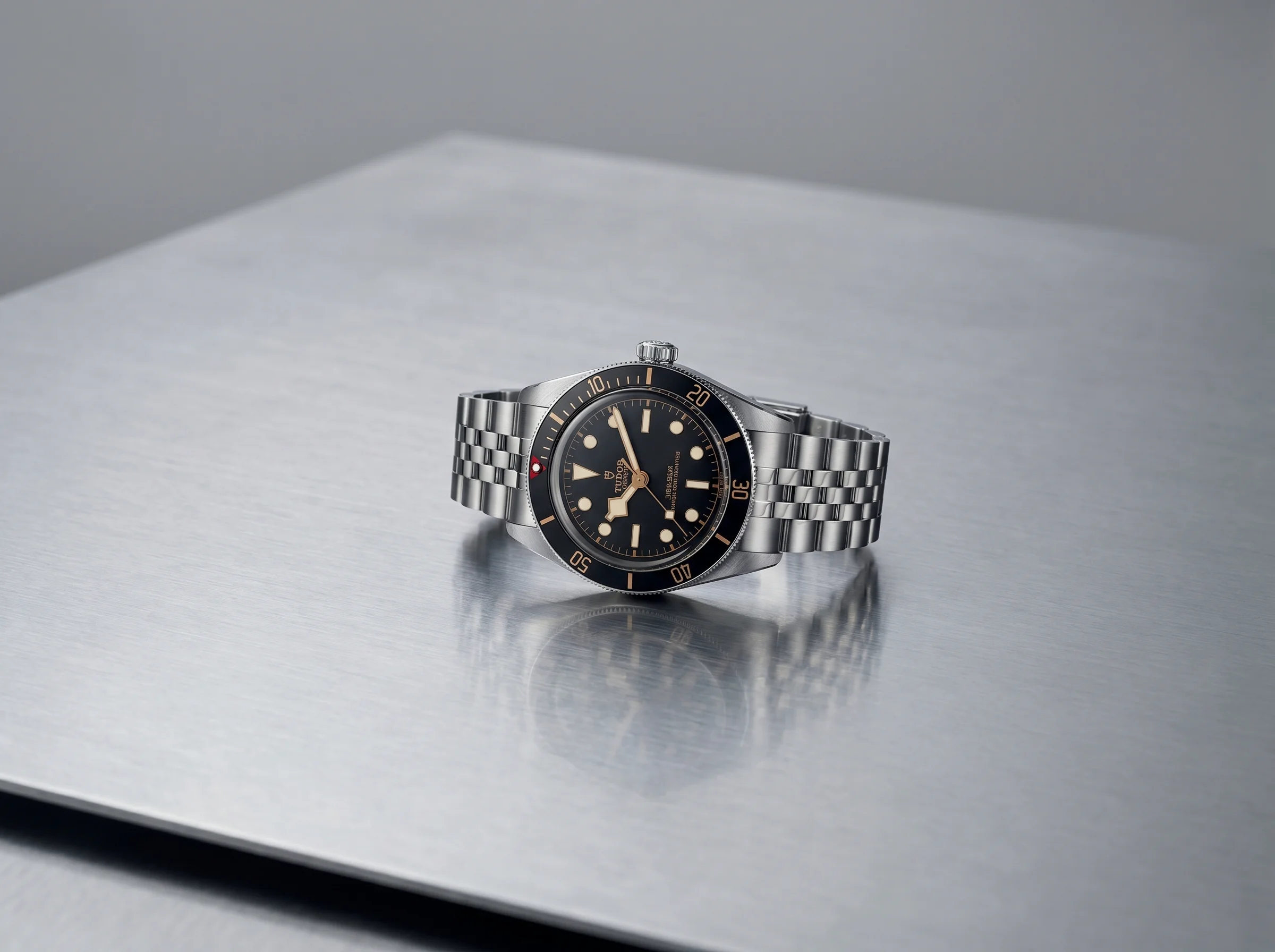 METAS-certified movements and an in-house manufacture moved Tudor out of Rolex's shadow. (AI-generated illustration.)
How Tudor marked the milestone
For the centenary, Tudor did two things, and both were on brand.
At Watches and Wonders 2026 it brought six new references, led by an entirely new model, the Monarch, a 39mm faceted steel watch on an integrated bracelet that serves as the $5,875 centenary statement piece. The range ran from a $3,250 30mm Royal up to a $7,725 full-ceramic Black Bay, with METAS upgrades spreading across the Black Bay 58 line.
Then it did the un-flashy thing. Rather than throw a celebrity party, Tudor opened its archives, putting the actual 1926 founding record, military procurement documents, and unreleased prototypes on the table. For a brand whose whole pitch is substance over status, that was the louder statement.
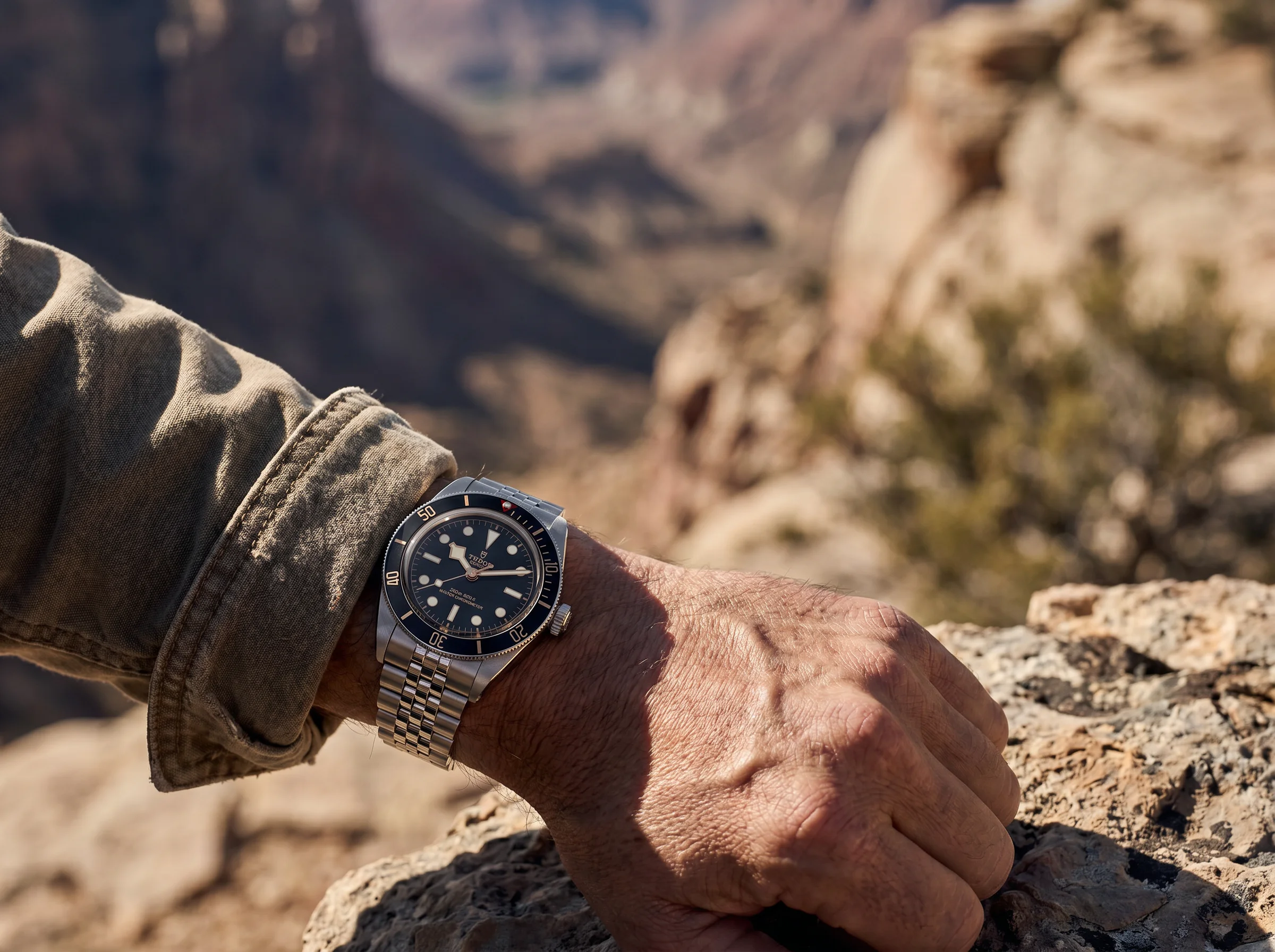 Born to Dare is still the pitch, and at 100 the watches finally back it without a Rolex asterisk. (AI-generated illustration.)
A working dealer's read
We stock Tudor, so take this with that in mind, but the case is easy to make on the merits.
Modern Tudor holds value better than its value-brand reputation suggests, because the watches are genuinely good and the demand is real. The Black Bay 58 and Pelagos still generate waitlists at retail, which props up clean pre-owned prices, and vintage Tudor, the old Submariners and Oyster Princes, has been climbing for years as collectors catch on. With Rolex sports models locked behind multi-year lists, a Tudor is often the watch you can actually buy and wear now.
The honest caveats: Tudor still shares manufacturing DNA with Rolex, it does not carry Rolex's resale ceiling, and not every line is METAS-certified yet. None of that undercuts the core point. At 100, Tudor is finally judged as Tudor. If you want in, our pre-owned Tudor selection is the place to start, and if you are weighing the size question, the move back to sub-39mm cases puts the 39mm Black Bay 58 right in the sweet spot.
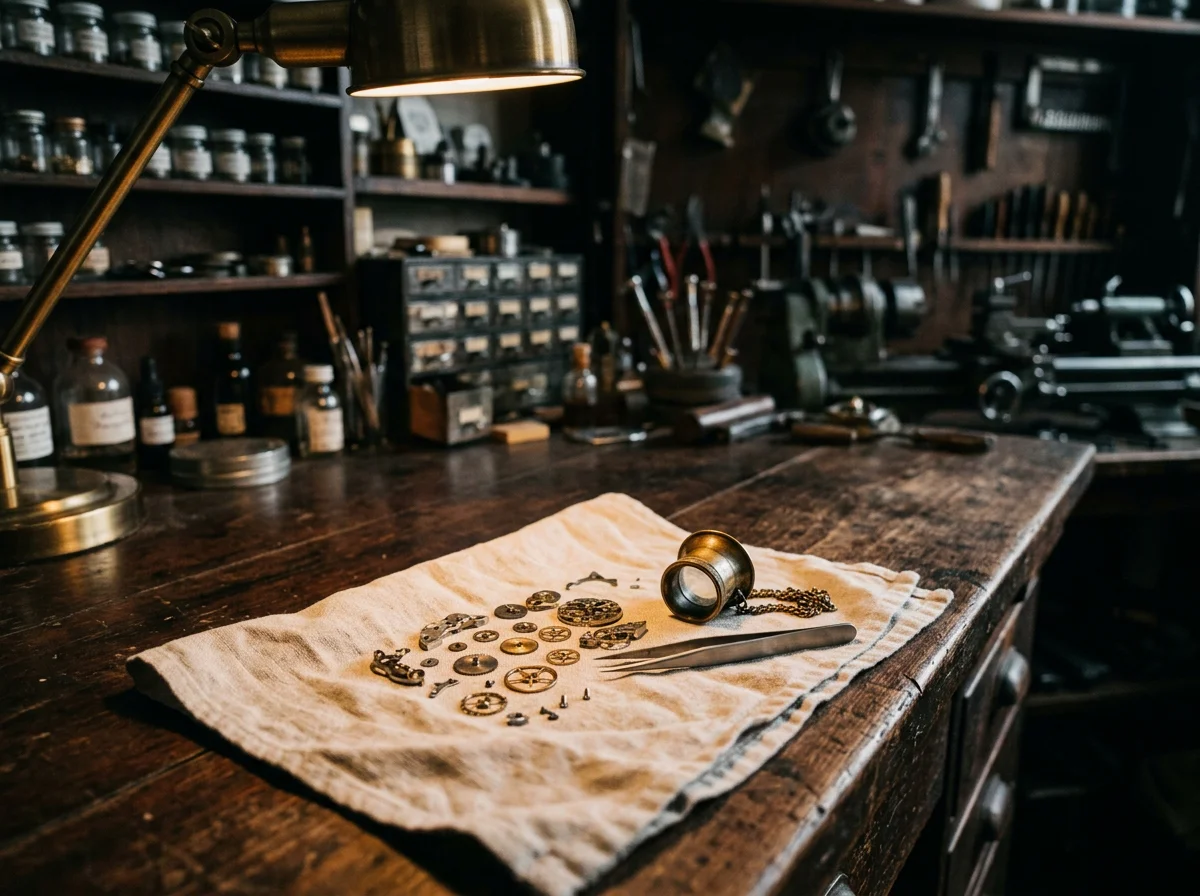 The rose is the movement, the shield is the case. A century on, Tudor finally makes both. (AI-generated illustration.)