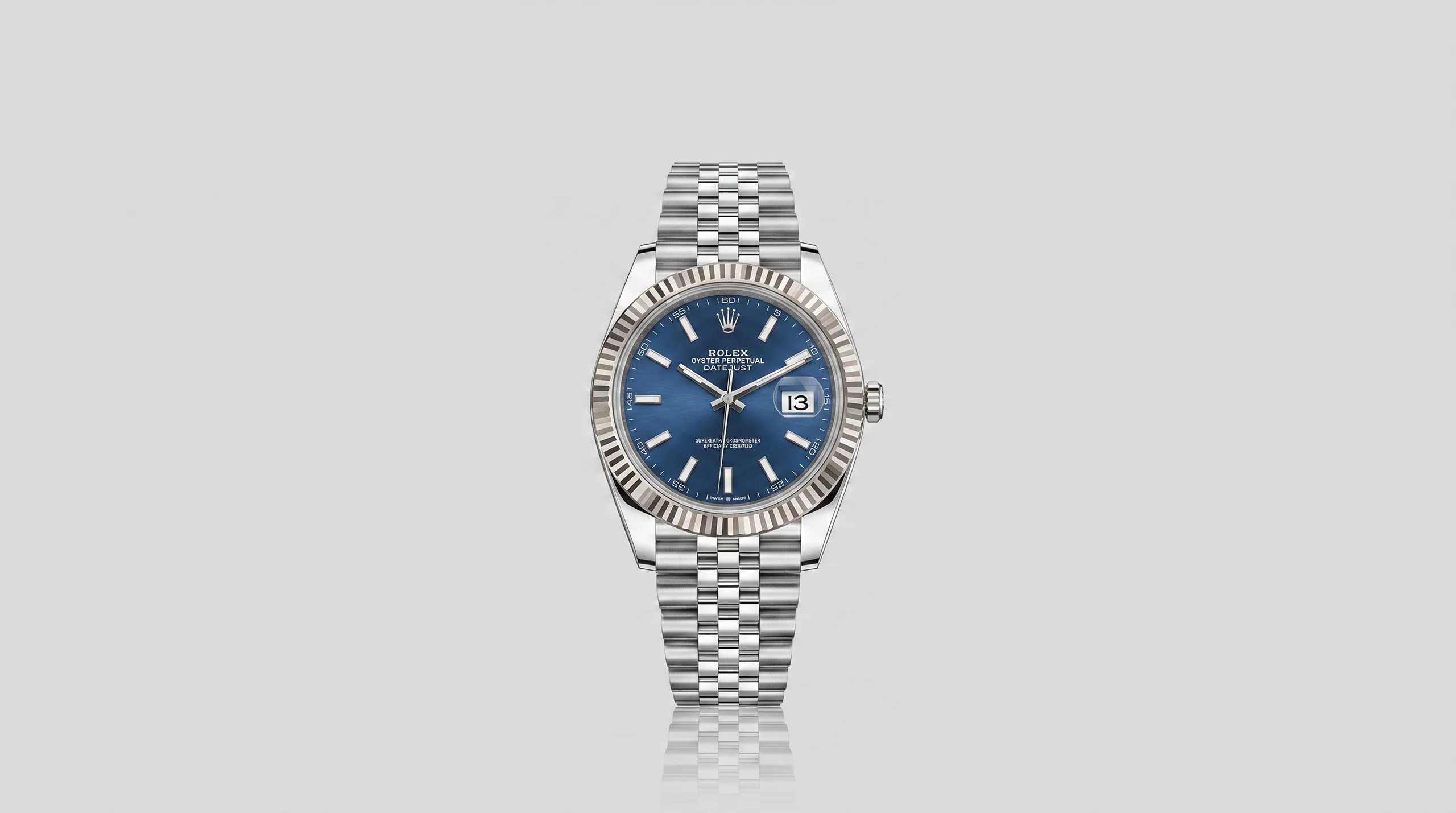
The short answer
Watches are a poor investment for almost everyone, and 2026 is a good year to say it plainly, because prices are actually going up.
The secondary market is recovering. That makes the investment pitch sound smart again. The data underneath that recovery tells a more careful story: the gains are concentrated in a few references, the famous decade-long returns are survivorship bias, and the cost of buying, holding, and selling eats most of what is left.
Buy the watch because you want to wear it. If it holds value, treat that as a bonus, not a plan.
All images in this post are AI-generated and may not perfectly represent the actual watch references discussed. They are intended for illustration only.
The recovery is real. That is exactly why this matters.
After three down years, the market turned in 2025 and kept climbing into 2026.
The WatchCharts Overall Market Index rose about 8.2% in the year to February 2026, and more than 70% of tracked brands posted gains in the first quarter of 2026, against just 3% a year earlier.
That is the strongest backdrop in years. It is also when the watches-as-assets story gets loudest and least careful.
A rising tide tempts people to confuse a recovery with a return they can count on. The 2026 numbers do not support that confidence once you look past the headline index.
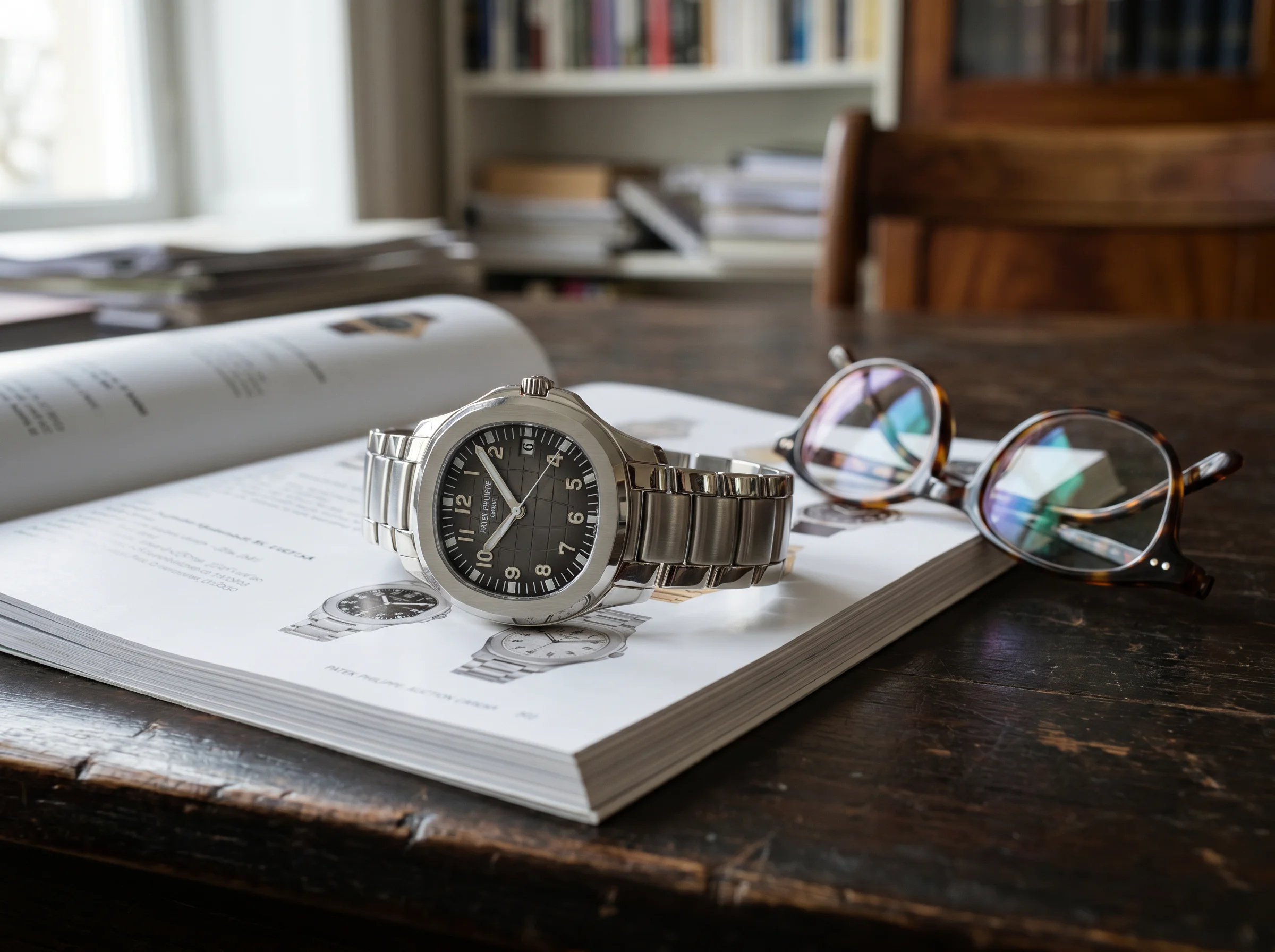 The Patek Aquanaut has been one of the few engines of the recovery, which is the whole problem with reading the market as one number.
The gains are concentrated, not broad
The market is not rising evenly. A small group of brands is doing the heavy lifting.
| Brand | 1-year price change (to Feb 2026) |
|---|---|
| Patek Philippe | +16.2% |
| Tudor | +11.4% |
| Rolex | +7.9% |
| Audemars Piguet | +3.4% |
Figures from the WatchCharts February 2026 market update. Knight Frank's 2026 read shows the same split, with its Patek index up about 12.1% and Rolex about 4.6%.
"The market is up" can be true while your specific watch is flat or down.
Why concentration is a problem for buyers
Most buyers do not own the index. They own one or two watches.
If those sit outside the narrow band of hyped references, the broad "market up 8%" headline never reaches their wrist. Concentration means the average outcome and the typical outcome are not the same number.
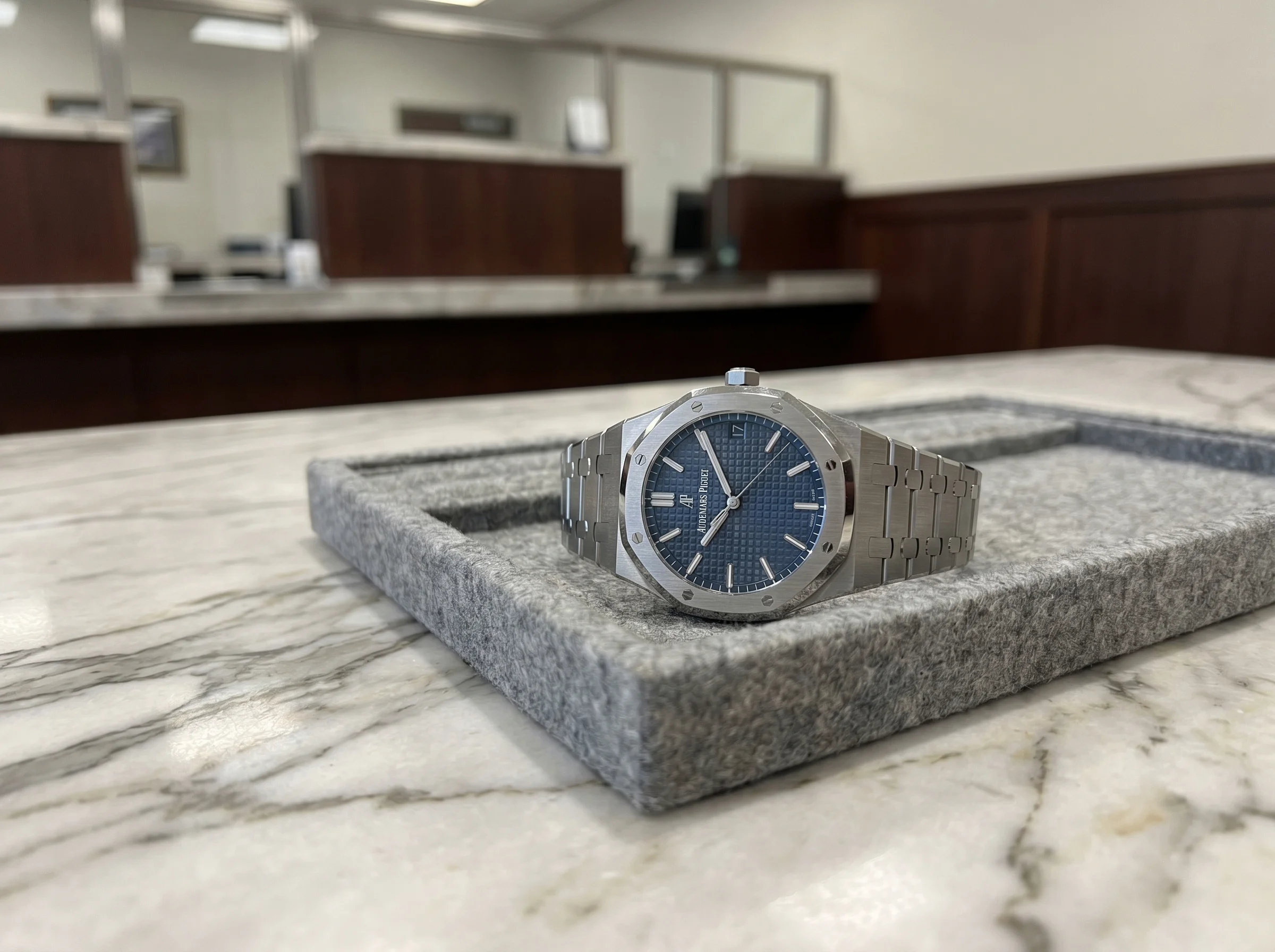 Even a blue-chip steel sports watch can trail the pack. Audemars Piguet rose just 3.4% over the year while Patek nearly quintupled that.
The decade returns are survivorship bias
The figure every investment pitch quotes is the ten-year number. It needs context.
Knight Frank's Luxury Investment Index put watches up about 125.1% over ten years and 52.7% over five, through the end of 2024, second only to fine wine among collectibles.
Those are index figures built from the most desirable, most liquid references, rebalanced over time. The watch a typical buyer actually owns is usually not in that basket.
The same index carries the cautionary half. Watches rose just 1.7% in 2024 while the broader luxury index fell 3.3%, and the collectibles index then closed 2025 down a fraction, about 0.4%, as the market steadied.
The drawdown people forget
The recovery followed a real crash.
When the market peaked in early 2022, the correction was fast. Rolex, Patek, and Audemars Piguet each shed around 10% in the second quarter of 2022 alone, then slid for the better part of three years.
Anyone who bought at the 2022 top and sold during that stretch lost money on the watch before a single cost was added. That is the volatility the ten-year chart smooths over.
The cost stack eats the return
Even when a watch appreciates on paper, you do not capture the index. Ownership has a bill.
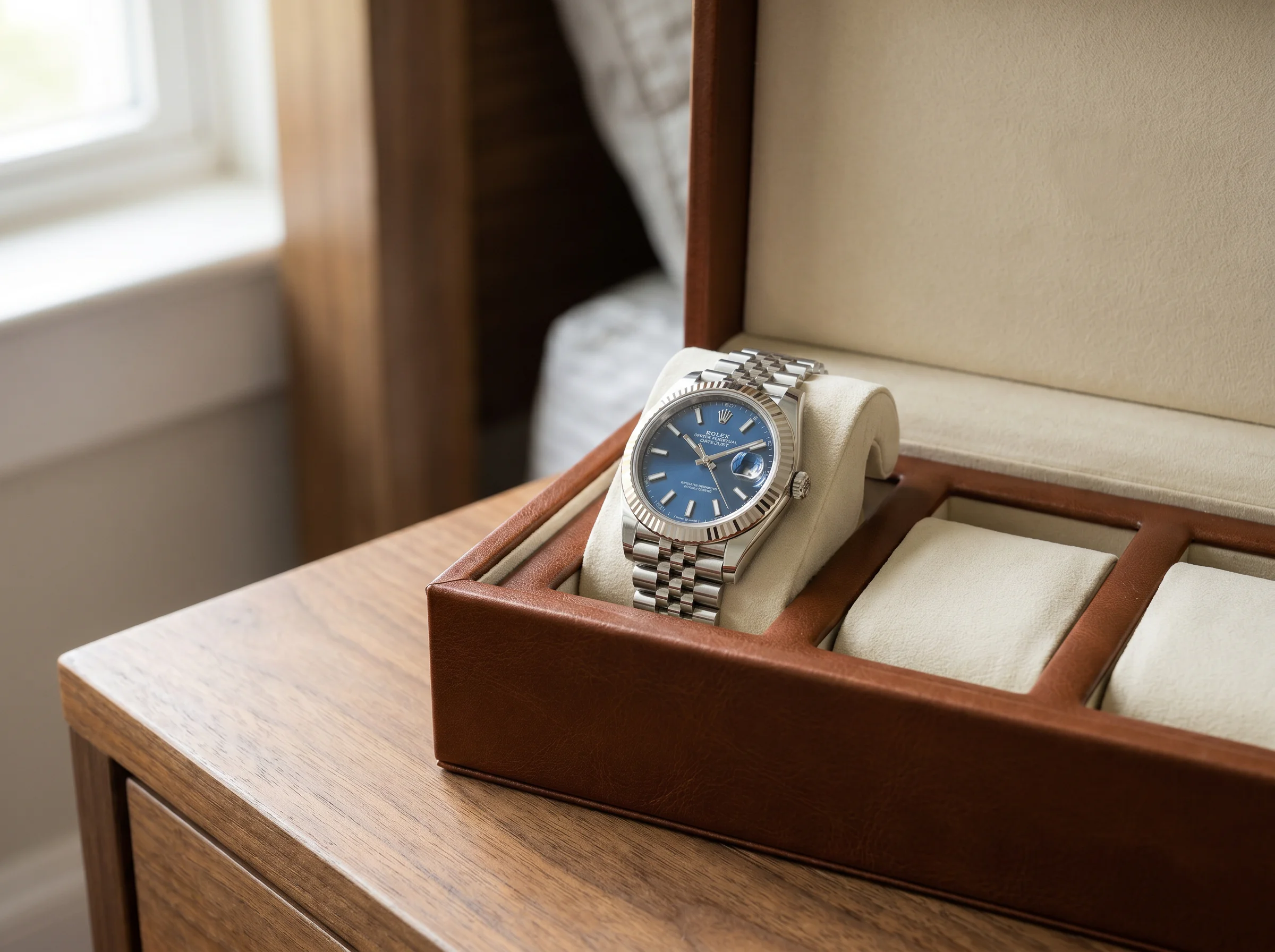 A watch held as an asset does not pay you anything to hold it.
Three costs sit between you and any gain:
- The spread. You buy near retail or above, and a dealer buys back below retail. That gap is the first thing any appreciation has to clear before you see a dollar.
- No yield. A watch in a box pays no dividend and no interest. Stocks, bonds, and cash do.
- Servicing and insurance. A mechanical watch needs periodic service, and insuring a valuable piece is a recurring cost. Both come straight out of your return.
Stack those against a market that rose single digits for most references last year, and the math for the average buyer gets thin fast.
If the plan only works when you happen to pick the one reference that beat the field, it was never an investment plan.
What the 2026 data actually supports
The honest read is simple, and it is good news.
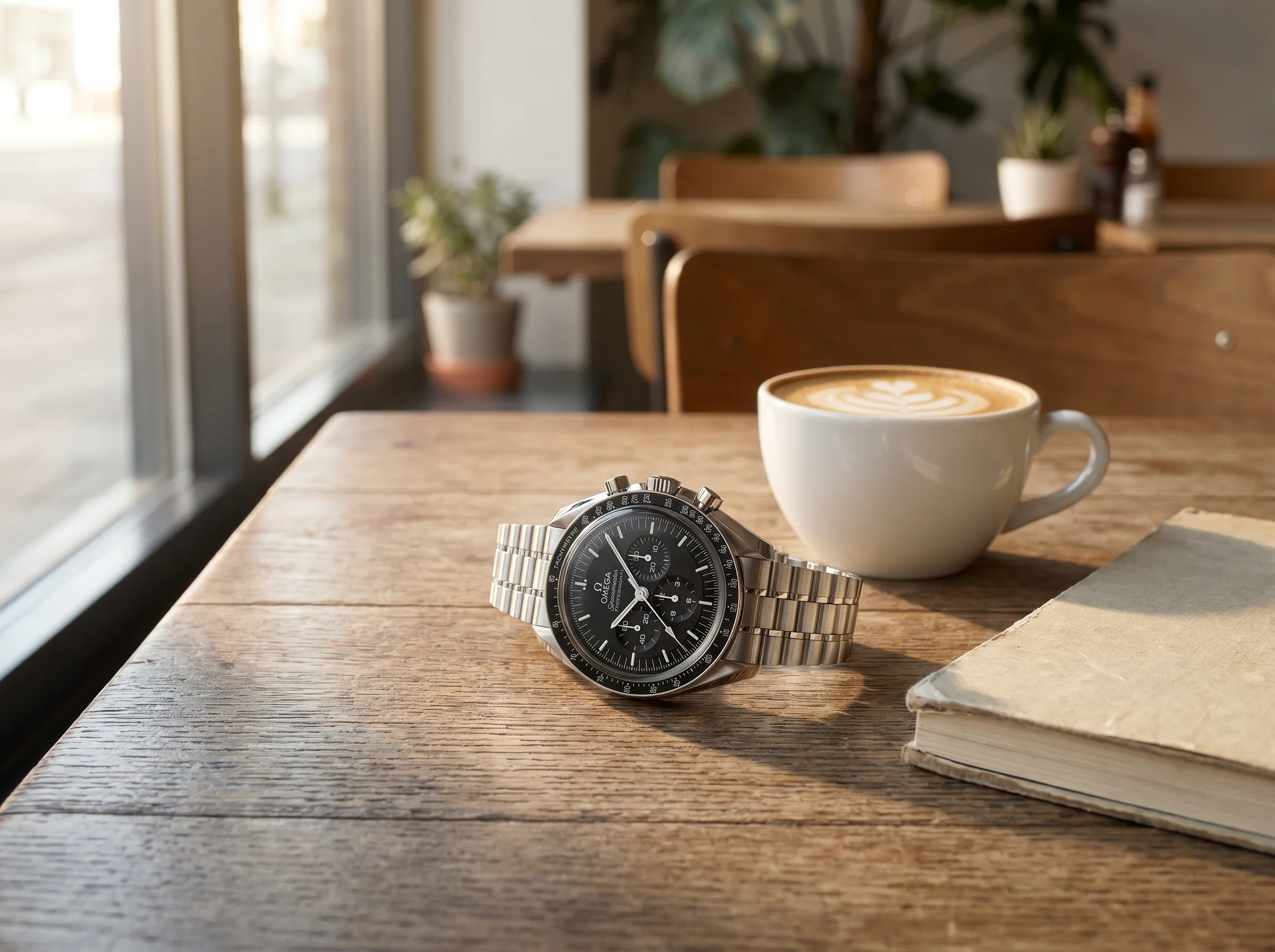 The references that hold up best across the cycle tend to be the ones people genuinely want to wear.
Buy a watch because you want to wear it. Choose well-made references with steady demand, real history, and a design you will still like in ten years. If it holds its value, that is a bonus layered on top of the wearing.
The pieces that have held up best through the cycle are the everyday wearable classics, the Submariners and Datejusts and Speedmasters that people actually use. We made a related point about steel sport pricing in our read on the January 2026 Rolex price hike, and about paying for hype in the Batman versus Pepsi math.
The dealer take
We sell watches for a living, and we are telling you not to buy them as investments.
That is the honest position, and it is the one that keeps buyers coming back. A watch is something you wear and enjoy, with a resale value that is real but secondary. Treat that resale as a floor under a purchase you already wanted, not as the reason for the purchase.
Buy what you will wear. Buy authenticated. Buy at a fair price. The rest takes care of itself.
You can always browse the authenticated pre-owned collection at 5dwatches.com.